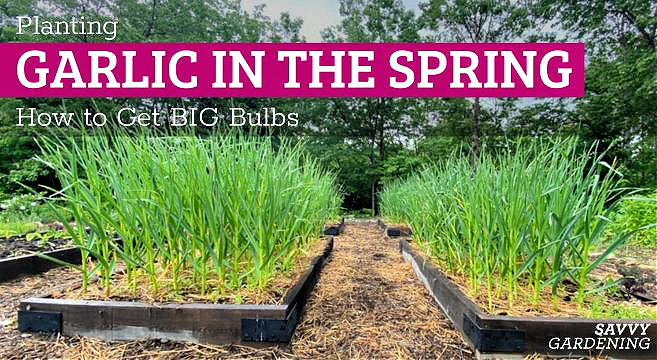
Imagine the joy of harvesting your very own garlic from the garden. Picture the robust flavor enhancing your dishes, all from a simple planting process that starts with you.
If you’re wondering how to plant garlic in your garden, you’re in the right place. This is your chance to dive into the simplicity and satisfaction of growing this versatile kitchen staple. Garlic is not just a seasoning—it’s your gateway to fresh, flavorful meals and a sense of accomplishment.
This guide is designed to make planting garlic easy for anyone, even if you think you don’t have a green thumb. You’ll discover straightforward steps that will make you confident in your gardening skills. Are you ready to transform your garden into a garlic haven? Keep reading and you’ll soon be on your way to growing your own garlic. Your culinary creations are about to get a whole lot better!
Choosing The Right Garlic Variety
Choosing the right garlic variety makes all the difference. Hardneck varieties thrive in cooler climates, while softneck types prefer warmer areas. Select a variety suited to your region for successful planting.
Choosing the right garlic variety is essential for a successful harvest. Garlic comes in many types, each with unique flavors and growing needs. Understanding these differences will help you select the best variety for your garden.Hardneck Vs Softneck Varieties
Hardneck garlic varieties have a stiff stem that grows from the bulb. They thrive in cooler climates and offer complex flavors. Softneck varieties are more flexible and grow well in warmer areas. They usually have a milder taste and are great for braiding.Popular Garlic Types
Some garlic types are more popular for home gardening. ‘Music’ is a hardneck variety known for large cloves and robust flavor. ‘California Early’ is a softneck variety that matures quickly and stores well. Both are excellent choices for beginners.Consider Your Climate
Climate plays a big role in garlic growth. Hardneck garlic prefers cold winters, while softneck garlic likes mild weather. Check your local conditions before choosing a variety. This ensures your garlic will thrive in your garden environment.Flavor Profile Preferences
Think about the flavors you enjoy in garlic. Hardneck garlic often has a strong, spicy taste. Softneck garlic is usually milder and sweeter. Taste preferences can guide your choice of garlic variety. Choose what complements your culinary style.Storage And Shelf Life
Garlic storage varies by type. Hardneck garlic generally has a shorter shelf life. It should be used within a few months. Softneck garlic can last longer, sometimes up to a year. Consider how much garlic you plan to store when choosing a variety.Availability And Cost
Garlic seed availability can affect your choice. Some varieties may be harder to find or more expensive. Local garden centers often stock popular types. Buying garlic locally can save money and ensure quality seed.
Credit: www.youtube.com
Preparing The Soil
Preparing the soil is a crucial step in ensuring your garlic plants thrive. It’s not just about digging a hole and throwing in a bulb; it’s about creating the perfect environment for your garlic to grow strong and healthy. Imagine the soil as a warm, welcoming home for your garlic, providing everything it needs to flourish. Let’s dive into the essentials that will make your garden a garlic haven.
Soil Composition
Garlic loves well-drained soil. If your soil feels heavy and clay-like, it’s time to break it up and add some air. Mixing in some sand or perlite can make a world of difference. You want your soil to feel crumbly and loose in your hands, allowing water to seep through without drowning your garlic.
Consider adding organic matter like compost or aged manure. These ingredients not only improve the texture but also boost the soil’s ability to retain moisture without becoming waterlogged. This balance is key to preventing garlic rot.
Ph Levels
Garlic prefers a slightly acidic to neutral soil pH, around 6.0 to 7.0. If you’re not sure about your soil’s pH, grab a testing kit from your local garden center. Testing is simple and gives you valuable insights.
Adjusting the pH might sound daunting, but it’s quite straightforward. If your soil is too acidic, consider adding lime. On the other hand, if it’s too alkaline, elemental sulfur can help bring it down. It’s all about creating that perfect balance for your garlic.
Nutrient Enrichment
Garlic is a heavy feeder, meaning it craves nutrients. Think of it like fueling a marathon runner. A balanced mix of nitrogen, phosphorus, and potassium is essential. Look for fertilizers labeled as vegetable or all-purpose blends.
You can also enrich the soil naturally by adding bone meal or fish emulsion. These organic options provide a slow release of nutrients, ensuring your garlic gets a steady supply throughout its growth cycle.
Remember, nurturing your soil is nurturing your garlic. Are you ready to give your garlic the best start possible?
Timing For Planting
Plant garlic in your garden during autumn for best results. Choose a sunny spot with well-drained soil. Space cloves 4 inches apart, and plant them 2 inches deep.
Timing is crucial for planting garlic successfully in your garden. Knowing the right time ensures healthy growth and a bountiful harvest. Understanding seasonal and weather conditions can make a big difference.Best Season
Plant garlic in the fall for the best results. This allows roots to establish before winter. Autumn offers cooler soil, which is ideal for garlic. In many regions, plant garlic six weeks before the first hard frost. This timing helps garlic develop strong roots. Spring planting is possible but may result in smaller bulbs. Fall planting usually produces larger, healthier garlic bulbs.Optimal Weather Conditions
Garlic thrives in cooler temperatures. Ideal planting temperatures range between 50°F to 60°F. Avoid planting during extremely cold or freezing conditions. Soil should be workable, not frozen or too wet. Ensure the ground is well-drained to prevent rot. Overly wet conditions can harm garlic bulbs. A sunny location with well-drained soil is perfect. Garlic requires sunlight to grow strong and healthy.Planting Process
Growing garlic in your garden is simple and rewarding. Garlic needs attention in the planting process. The right methods ensure healthy bulbs and a bountiful harvest.
Spacing And Depth
Proper spacing is vital for garlic growth. Plant each clove 4 inches apart. This gives them room to develop. The depth is also crucial. Plant each clove 2 inches deep. Cover it with soil gently. This protects the clove and helps it sprout.
Mulching Techniques
Mulching helps retain moisture and controls weeds. Use straw or shredded leaves as mulch. Spread a layer about 3 inches thick. This keeps the soil temperature stable. Mulch also prevents the growth of unwanted weeds. It acts as a blanket for your garlic.
Watering And Maintenance
Ensuring proper watering and maintenance is crucial for healthy garlic growth. Garlic needs a balanced approach to watering. Overwatering can lead to rot, while underwatering can stunt growth. Regular maintenance ensures that garlic plants thrive, producing flavorful bulbs.
Irrigation Schedule
Water garlic deeply every week during dry spells. Ensure soil is moist but not soggy. Reduce watering as bulbs mature. This helps prevent diseases. Use a drip irrigation system for consistent moisture. Avoid watering the foliage to reduce disease risk.
Weed Control
Weeds compete with garlic for nutrients. Keep the garden bed clear of weeds. Mulching helps suppress weed growth. Apply a thick layer of straw or leaves. Regularly check for new weed growth. Hand-pull weeds to avoid disturbing garlic roots. Use shallow cultivation to remove stubborn weeds. This prevents damage to the garlic bulbs.

Credit: www.thereporteronline.com
Pest And Disease Management
Plant garlic in well-drained soil to prevent diseases. Space cloves 6 inches apart for healthy growth. Use mulch to control pests and maintain moisture.
Pest and disease management is vital for a healthy garlic garden. Garlic is generally hardy, but pests and diseases can affect its growth and yield. Understanding common threats and preventive strategies is crucial for successful cultivation.Common Pests
Garlic often faces attacks from various pests. One common culprit is the onion fly. It lays eggs near garlic plants, and larvae feed on the bulbs. Another pest is thrips, tiny insects that suck sap from leaves, causing damage. Mites can also be a problem, leading to discolored and distorted leaves. Aphids, small soft-bodied insects, can spread viruses to garlic plants.Preventive Measures
Keeping pests at bay requires strategic actions. Rotate crops regularly to prevent pest build-up. Use garlic-friendly plants like marigolds to deter pests naturally. Ensure proper spacing between garlic plants to improve air circulation. This reduces humidity, which discourages pest infestations. Mulch with straw or wood chips to protect soil and prevent pest access. Regularly inspect plants and remove any affected leaves or bulbs. Consider using insecticidal soap for minor infestations.Harvesting Garlic
Plant garlic cloves in your garden during fall for a summer harvest. Choose a sunny spot and well-drained soil. Space the cloves 4-6 inches apart, burying them 2 inches deep.
Harvesting garlic is a rewarding part of growing your own garlic. Knowing when and how to harvest ensures the best flavor and storage. It’s a simple process, but timing and technique are key.Signs Of Readiness
Garlic is ready to harvest when its leaves turn yellow. Check the bottom leaves first. They should be brown, while the top remains green. This indicates the bulbs are mature. A few green leaves mean the garlic is still growing. Too many brown leaves suggest over-maturity. This can affect storage life.Proper Harvesting Techniques
Harvest garlic with care to avoid damage. Loosen the soil around the bulb using a garden fork. Pull gently from the base of the stem, not the leaves. Handle bulbs carefully to prevent bruising. Lay the garlic in a shaded, dry area. Allow it to cure for two weeks. This process enhances flavor and longevity. Remove excess dirt but don’t wash the bulbs.Storing And Preserving
Garlic thrives best when planted in well-drained soil during the fall. Ensure cloves are spaced 6 inches apart. Cover them with mulch to retain moisture and protect against cold.
Storing and preserving your garlic harvest is just as essential as the planting process itself. Proper storage ensures you enjoy your homegrown garlic for months, infusing your dishes with the rich, robust flavors only fresh garlic can provide. But how do you ensure your garlic remains in top condition until you’re ready to use it? Let’s delve into some practical methods and conditions that can help you store garlic effectively.Drying Methods
Drying garlic is a crucial step to prevent it from rotting or sprouting. Start by hanging your garlic bulbs in a well-ventilated area. A dry, airy spot like a garage or a shaded porch is ideal. Make sure the garlic is not exposed to direct sunlight, as this could cause it to dry out too quickly. Allow it to hang for about two to three weeks until the outer skins are papery and the roots are completely dry. You’ll know it’s ready when the cloves rustle slightly when you handle them.Storage Conditions
Once your garlic is thoroughly dried, it’s time to consider the best storage conditions. Keep your garlic in a cool, dark place. A pantry or a cupboard that doesn’t get too hot is perfect. Avoid storing garlic in the fridge as it encourages sprouting and changes the texture. Instead, place the dried bulbs in mesh bags or a basket to allow air circulation. This ensures that your garlic remains fresh and flavorful for months to come. Have you ever considered how different storage methods can alter the taste and texture of garlic? Taking the time to store it correctly can make a noticeable difference in your culinary creations.Common Mistakes To Avoid
Planting garlic can be rewarding and simple. But common mistakes can hinder your success. Knowing these pitfalls will ensure your garlic thrives. Let’s delve into some frequent errors gardeners make.
Planting Garlic Too Late
Timing is crucial for garlic growth. Many plant garlic too late in fall. This gives garlic less time to establish roots. Ensure you plant before the first frost. This allows roots to grow before winter.
Using Grocery Store Garlic
Not all garlic is suitable for planting. Grocery store garlic may be treated to prevent sprouting. This affects its growth in your garden. Always buy seed garlic from a reputable supplier. This guarantees healthy plants.
Planting In Poor Soil
Garlic needs rich, well-draining soil. Avoid planting in compacted or waterlogged soil. Test your garden soil first. Add compost or sand if needed. This improves soil quality and drainage.
Overcrowding The Cloves
Space is vital for garlic growth. Planting cloves too close limits their size. Keep at least 6 inches between cloves. This ensures each plant has enough room. Proper spacing leads to larger bulbs.
Neglecting To Mulch
Mulching protects garlic through winter. Some gardeners skip this step. Mulch insulates and retains soil moisture. Use straw or leaves as mulch. This helps garlic survive cold months.

Credit: savvygardening.com
Frequently Asked Questions
When Is The Best Time To Plant Garlic?
The best time to plant garlic is in the fall. Aim for planting about 4-6 weeks before the ground freezes. This timing allows garlic to establish roots before winter. In mild climates, you can also plant in early spring. However, fall planting usually yields larger bulbs.
How Do You Prepare Soil For Garlic Planting?
To prepare soil for garlic, ensure it’s well-draining and rich in organic matter. Add compost or well-rotted manure to improve soil fertility. The ideal pH for garlic is between 6. 0 and 7. 0. Loosen the soil to a depth of at least 6 inches to encourage root growth.
What Is The Proper Way To Plant Garlic Cloves?
To plant garlic, separate cloves from the bulb, keeping the papery husk intact. Plant cloves root-side down, 2 inches deep, and 4-6 inches apart. Space rows about 12 inches apart. Cover cloves with soil and mulch to conserve moisture and suppress weeds.
How Often Should You Water Garlic Plants?
Water garlic plants deeply every 7-10 days. Garlic needs consistent moisture, especially during bulb formation. Avoid overwatering, which can lead to rot. Reduce watering as harvest approaches to allow bulbs to dry out. Monitor soil moisture to ensure it remains evenly moist but not soggy.
Conclusion
Garlic planting is simple and rewarding. Follow the steps for healthy growth. Pick quality bulbs. Prepare your soil well. Plant at the right time. Water them regularly, but not too much. Watch for pests and diseases. Harvest when leaves turn brown.
Store your garlic in a cool, dry place. Enjoy the fresh taste in your meals. Gardening is fun and fulfilling. Garlic adds flavor and health benefits. Share your garlic-growing stories with friends. Experiment with different varieties. Happy gardening!







