Imagine biting into a juicy, homegrown tomato, bursting with flavor. That satisfying moment is within your reach, but it all starts with planting your tomato plants correctly.
You might be wondering just how deep to plant them to ensure they thrive in your garden. This is crucial because the depth can affect the plant’s stability and nutrient absorption. Plant them too shallow, and they may not anchor well; plant them too deep, and they might struggle to reach the surface.
You’re about to discover the secrets to giving your tomato plants the best start possible. Stick around, because the success of your harvest depends on it!
Choosing The Right Tomato Varieties
Plant tomato seedlings deep in the soil, burying two-thirds of the plant. This encourages stronger root growth. Choosing the right depth ensures healthier plants and better yields.
Choosing the Right Tomato Varieties Tomato plants come in many shapes and sizes. Picking the right variety is crucial for a successful garden. Some tomatoes grow well in containers. Others thrive in large garden spaces. Different varieties also offer unique flavors. Consider your gardening space and taste preferences.Determinate Vs. Indeterminate Tomatoes
Determinate tomatoes grow to a certain height. They produce fruit all at once. These are ideal for small gardens or containers. Indeterminate tomatoes continue growing until frost. They produce fruit continuously. These are perfect for extended harvests.Cherry Vs. Beefsteak Varieties
Cherry tomatoes are small and sweet. They mature quickly. Great for salads and snacking. Beefsteak tomatoes are large and juicy. They take longer to grow. Ideal for sandwiches and cooking.Heirloom Vs. Hybrid Tomatoes
Heirloom tomatoes are old varieties. They offer unique colors and flavors. Great for gardeners who love variety. Hybrid tomatoes are bred for disease resistance. They often have higher yields. Best for those seeking reliable production.Climate Considerations
Some tomatoes prefer warm climates. Others tolerate cooler conditions. Choose varieties suited to your local weather. This ensures healthier plants and better yields.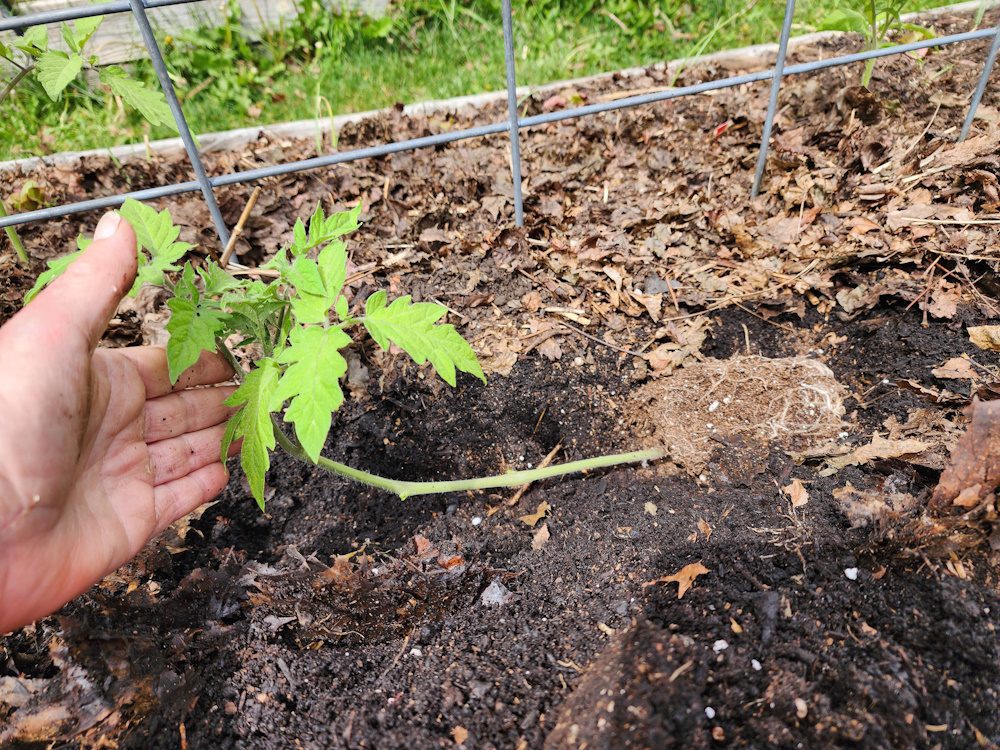
Credit: thecoeurdalenecoop.com
Preparing The Soil
Preparing the Soil Tomato plants thrive when planted deeper than other vegetables. Bury two-thirds of the plant, covering roots and stem. This encourages strong root growth, resulting in healthier plants.
Preparing the Soil Planting tomato plants requires good soil preparation. Healthy soil helps tomatoes thrive. It ensures strong roots and abundant fruit. Preparing the soil involves key steps. Testing soil quality and amending soil are crucial.Testing Soil Quality
Check your soil before planting. Testing reveals pH levels and nutrient content. Use a soil test kit. These kits are available at garden centers. Follow instructions carefully. Test results guide your amendments. Tomatoes prefer slightly acidic soil, around pH 6 to 6.8. Balance nutrients for optimal growth.Amending Soil For Tomatoes
Improve your soil with organic matter. Add compost or aged manure. These enrich the soil with nutrients. They improve drainage and soil structure. Mix amendments well into the top 12 inches of soil. Consider adding bone meal or rock phosphate. These provide essential phosphorus. Phosphorus supports root development. Add mulch after planting. Mulch retains moisture and suppresses weeds.Understanding Tomato Planting Depth
Plant tomato seedlings deep enough to cover the stem up to the first set of leaves. This helps develop a strong root system. Deep planting encourages stability and nutrient uptake for healthier growth.
Understanding Tomato Planting Depth Planting tomatoes correctly ensures healthy growth and fruitful harvest. The depth at which tomato plants are planted can significantly impact their development. Knowing how deep to plant them helps in maximizing their potential. Let’s explore the benefits of deep planting and the risks associated with shallow planting.Benefits Of Deep Planting
Deep planting encourages stronger root systems. Roots develop along the buried stem, providing better support. This helps the plant access more nutrients and water. Deep roots improve stability during windy conditions. Plants become more resilient to environmental stresses.Risks Of Shallow Planting
Shallow planting can lead to weak root development. Limited roots struggle to absorb nutrients effectively. Plants may topple during storms due to lack of support. Shallow roots make the plant vulnerable to drought. The plant might produce fewer tomatoes because of stress.
Credit: littlesproutslearning.co
Optimal Depth For Planting
Planting tomato plants at the right depth ensures healthy growth. It helps them develop strong roots and absorb nutrients efficiently. Understanding the optimal depth is key for a successful tomato harvest.
Standard Depth Guidelines
Tomato plants thrive when buried deep. Bury two-thirds of the stem in the soil. This encourages more root growth along the stem. More roots mean better nutrient absorption and stability. When planting, dig a deep hole or trench. Place the plant sideways if the hole is shallow. Cover most of the stem with soil, leaving only the top leaves exposed.
Adjusting Depth For Different Conditions
Sometimes, standard guidelines need adjustments. In colder climates, plant tomatoes slightly shallower. This keeps the roots warmer. In regions with heavy rain, plant deeper for stability. Sandy soil requires deeper planting for better moisture retention. Always consider the specific conditions of your garden. Adjust planting depth to suit these needs.
Techniques For Planting Deep
Tomato plants thrive when planted deeply. This technique encourages strong root growth. More roots mean better access to nutrients and water. Planting deep can also support the plant against strong winds. Here are two effective methods: the Trench Method and Vertical Planting.
Trench Method
The trench method is simple and effective. Dig a shallow, horizontal trench in the soil. Lay the tomato plant sideways in the trench. Only the top leaves should be above the ground. This method allows the stem to develop additional roots. It also keeps the plant stable. Ensure the soil is loose and rich in nutrients.
Vertical Planting
Vertical planting is straightforward. Dig a deep hole in the garden. Place the tomato plant vertically, burying the stem deeply. Leave the top leaves exposed. This method requires less space. It encourages a strong root system. The deep roots help the plant reach water during dry spells. Ensure the soil is well-drained and fertile.

Credit: www.seattleurbanfarmco.com
Caring For Deep-planted Tomatoes
Plant tomato seedlings deeply in the garden, burying two-thirds of the plant. This encourages strong root development. Ensure only the top leaves remain above the soil for optimal growth.
Caring for deep-planted tomatoes involves understanding specific practices that ensure your plants thrive. Deep planting gives tomato plants a stronger root system, but it also requires attention to watering and nutrients. With proper care, you can maximize your tomato harvest.Watering Practices
Watering deep-planted tomatoes differs from regular planting. The roots are deeper, needing consistent moisture to avoid stress. Make sure to water deeply but infrequently. This encourages roots to grow deeper rather than staying near the surface. Consider using mulch to retain moisture and regulate soil temperature. A simple layer of straw or wood chips can work wonders.Nutrient Management
Deep-planted tomatoes benefit from a well-managed nutrient plan. The larger root system allows for more nutrient absorption. Add compost or well-rotted manure to enrich the soil. This provides essential nutrients right at the root level. Use a balanced fertilizer to support growth. Choose one with equal parts nitrogen, phosphorus, and potassium for optimal results. Think about how often you fertilize. Regularly assessing soil nutrient levels ensures your tomatoes get what they need. Have you ever noticed your tomatoes looking less vibrant? Adjusting nutrient levels might be the key to bringing them back to life.Common Planting Mistakes
Planting tomato plants too deep can suffocate roots, while planting them too shallow may cause instability. Aim to bury about two-thirds of the plant, covering up to the first set of leaves. This depth encourages strong root growth and ensures healthy tomato plants.
Planting tomato plants can be both rewarding and challenging. While many gardeners eagerly anticipate their first juicy harvest, common planting mistakes can lead to disappointment. Understanding and avoiding these pitfalls is crucial for a successful tomato garden. Let’s dive into some frequent errors that could be holding your tomatoes back.Overcrowding
Many gardeners make the mistake of planting tomato plants too close together. It might seem logical to maximize space and plant as many as possible, but this can lead to problems. Overcrowded plants struggle for nutrients, sunlight, and air circulation. Consider spacing each plant at least 18 to 24 inches apart. This allows for healthier growth and easier access for maintenance. Have you ever found your tomatoes prone to disease? Overcrowding might be the culprit, creating an environment ripe for the spread of disease.Poor Soil Preparation
Another common mistake is neglecting the quality of the soil before planting. Tomatoes are heavy feeders, requiring nutrient-rich soil to thrive. Simply digging a hole and planting your tomato might not be enough. Enhance your soil by adding compost or well-rotted manure. This enriches the soil with necessary nutrients and improves its structure. Have you ever wondered why your tomatoes aren’t as vibrant as your neighbor’s? It could be the soil quality making all the difference. Regularly test your soil’s pH level, aiming for a range between 6.0 and 6.8. This ensures your tomatoes have the optimal environment to absorb nutrients efficiently. Addressing soil preparation issues can lead to tastier and more abundant tomatoes.Tips From Expert Gardeners
Plant tomato plants deep to support strong roots. Bury two-thirds of the stem to promote stability and growth. This technique ensures healthy, productive plants in your garden.
Planting tomato plants might seem straightforward, but expert gardeners have a few tricks up their sleeves to ensure these plants thrive. Knowing how deep to plant them can make a significant difference in their growth and fruit production. Let’s explore some seasoned advice from the experts that could transform your gardening experience.Seasonal Planting Advice
Timing is everything when it comes to planting tomatoes. Experts suggest waiting until the soil is warm enough, typically after the last frost in your area. Cold soil can stunt growth and delay fruiting. Consider the variety of tomato you are planting. Some are more sensitive to temperature changes and may require a bit of extra care. If you’re planting in cooler climates, using black plastic mulch can help retain heat and give your tomatoes a head start.Improving Plant Health
Planting depth plays a crucial role in the health of your tomato plants. Experts recommend planting them deep, covering two-thirds of the stem to encourage more root growth. More roots mean a sturdier plant. Ensure your soil is nutrient-rich by adding compost or well-rotted manure. A healthy soil base supports vigorous growth and can prevent common diseases. Rotate your tomato plants each year to avoid soil-borne diseases. Planting them in the same spot can deplete the soil of necessary nutrients and increase pest infestations. Taking these expert tips to heart, you might find yourself harvesting a bountiful crop of tomatoes this season. What changes will you make in your tomato planting technique?Frequently Asked Questions
How Deep Should Tomato Seedlings Be Planted?
Tomato seedlings should be planted deep, burying two-thirds of the stem. This encourages strong root development. The deeper roots can access more nutrients and water. This results in a healthier and more productive plant. Deep planting helps stabilize the plant and supports growth.
Can Planting Depth Affect Tomato Growth?
Yes, planting depth significantly affects tomato growth. Deeper planting promotes a stronger root system. This enhances nutrient and water uptake. Strong roots support vigorous plant growth and higher yields. Inadequate depth may lead to weaker plants and reduced productivity.
Should I Bury Tomato Stems When Planting?
Yes, burying tomato stems when planting is beneficial. Burying stems encourages new root growth along the buried portion. This strengthens the plant and improves nutrient absorption. It also stabilizes the plant against wind and weather. Deep planting supports overall plant health.
What Soil Conditions Are Best For Planting Tomatoes?
Tomatoes thrive in well-drained, nutrient-rich soil. The soil should be loose and loamy for good root development. Ensure a pH level between 6. 0 and 6. 8 for optimal growth. Adding organic matter improves soil fertility. Proper soil conditions support healthy tomato plants.
Conclusion
Planting tomatoes correctly boosts growth and yield. Keep depth in mind. Deep roots help plants stay strong. Cover stems with soil for support. Try planting sideways for better root development. Check soil moisture regularly. Avoid waterlogging. Choose the right spot for sunlight and nutrients.
Observe your plants. Adjust planting techniques if needed. Patience pays off. With careful planting, enjoy a bountiful harvest. Gardening is a journey. Learn and grow with each season. Happy planting!