
Imagine you’re out in your garden, ready to tackle the day’s tasks, but your tools are rusty and hard to use. It’s frustrating, right?
Garden tools are your trusty companions, and keeping them in top shape is crucial for your gardening success. The secret weapon? The right kind of oil. Choosing the correct oil can transform your tools, making them more efficient and longer-lasting.
But which oil should you use? This is where many gardeners get stuck. You’re about to discover the types of oil that can breathe new life into your garden tools. Stick around, and soon, you’ll know exactly how to keep your tools in pristine condition, ready for action whenever you need them. Dive in, and let’s ensure your garden tools are as passionate about gardening as you are!

Credit: www.amazon.co.uk
Importance Of Oiling Garden Tools
Garden tools need regular maintenance to work effectively. Oiling them is a key part of this maintenance. It prevents rust and keeps tools in good condition. Properly oiled tools last longer and perform better. Regular oiling reduces the risk of tools becoming dull. This saves time and effort during gardening tasks.
Why Oiling Prevents Rust
Moisture can cause rust on metal surfaces. Oiling garden tools creates a barrier against moisture. This protective layer keeps metal parts from corroding. Without rust, tools remain strong and durable. Rust-free tools also function more smoothly.
Enhancing Tool Performance
Oiling ensures that moving parts work smoothly. Well-oiled shears and pruners cut effortlessly. Smooth operations mean less strain on your hands. This allows you to work longer without fatigue.
Extending Tool Lifespan
Regular oiling helps extend the lifespan of garden tools. It minimizes wear and tear on moving parts. Tools stay sharper and more efficient over time. This reduces the need to replace tools frequently.
Simple Oiling Process
Oiling garden tools is a straightforward task. Clean the tools first to remove dirt and debris. Apply a thin layer of oil to metal parts. Use a cloth to spread the oil evenly. Store tools in a dry place after oiling.
Selecting the right oil is important for effective maintenance. Lightweight oils work well for garden tools. Consider using mineral oil or vegetable oil. These oils provide good protection against rust. Avoid using heavy oils that can gum up moving parts.
Types Of Oils For Garden Tools
Vegetable oil, motor oil, and WD-40 are common choices for oiling garden tools. Each option provides rust prevention and smooth operation. Regular maintenance with the right oil keeps tools in top condition.
Garden tools need regular maintenance to perform effectively. Oiling is crucial for preventing rust and ensuring smooth operation. Choosing the right oil for garden tools can make a difference in their longevity and functionality. Let’s explore different types of oils suitable for garden tools.Mineral Oil
Mineral oil is a popular choice for garden tools. It is easy to find and affordable. This oil helps prevent rust and lubricates moving parts. Apply mineral oil with a cloth to cover the metal surfaces. It creates a protective barrier against moisture.Vegetable Oil
Vegetable oil is an eco-friendly option. It is safe for the environment and non-toxic. Use vegetable oil for tools that come into contact with soil or plants. Apply it lightly to prevent stickiness. This oil works well for wooden handles too, keeping them conditioned.Synthetic Oil
Synthetic oil offers high performance. It withstands extreme temperatures and lasts longer. It is ideal for tools used in harsh conditions. Synthetic oil reduces friction effectively. Though pricier, it provides superior protection for your tools.Wd-40 And Multi-use Oils
WD-40 is a versatile choice for garden tools. It lubricates, protects, and displaces moisture. This oil is handy for quick fixes and maintenance. Multi-use oils serve multiple purposes, similar to WD-40. They are convenient and save time in tool care. Use them for cleaning and lubricating.Choosing The Right Oil
Selecting oil for garden tools keeps them smooth and rust-free. Use lightweight oils like 3-in-1 or WD-40. These oils penetrate and protect metal surfaces, extending tool life.
Choosing the right oil for your garden tools can significantly extend their lifespan and efficiency. Not all oils are created equal, and using the wrong one can lead to rust or sticky residues. Understanding the factors that influence your choice is crucial for maintaining your tools in top condition.Factors To Consider
When selecting oil for your garden tools, think about the climate. In humid areas, a thicker oil may be necessary to prevent rust. Also, consider the type of material your tools are made of. Steel tools might require a different oil compared to those made from other metals or composites. Ease of application is another important factor. Oils that come with a spray nozzle or in an easy-to-pour bottle can save you time and reduce mess.Environmental Impact
Your choice of oil doesn’t just affect your tools; it impacts the environment too. Biodegradable oils are a great option if you’re environmentally conscious. They break down naturally and don’t pose a threat to plants or wildlife. Mineral oils, while effective, can be harmful if they seep into the soil. Always read labels to ensure the oil you choose is safe for the environment around your garden. Have you ever thought about the impact of your gardening choices on the planet? Opting for eco-friendly oils is a small change that can make a big difference.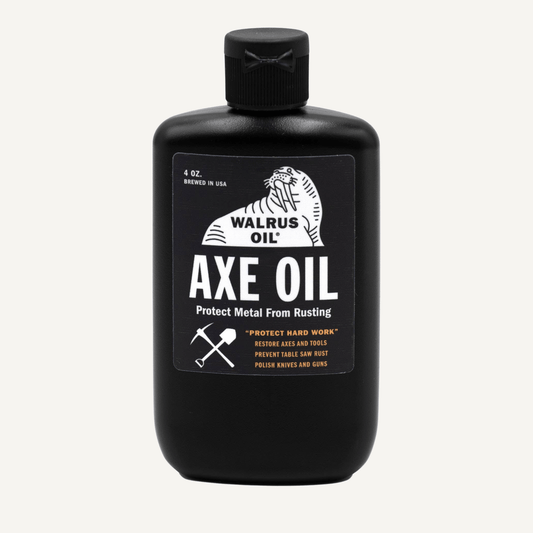
Credit: minimalistgardener.com.au
Application Techniques
Applying oil to garden tools keeps them rust-free and working well. Use light machine oil or vegetable oil. Apply a thin layer using a cloth or brush for best results.
Oiling garden tools ensures their longevity and efficiency. Applying oil correctly prevents rust and keeps tools working smoothly. Follow these techniques to maintain your garden tools effectively.Cleaning Tools Before Oiling
Always clean tools thoroughly before applying oil. Dirt and debris can hinder the oil’s effectiveness. Use a wire brush to remove any stubborn dirt. Wipe the tool with a damp cloth to clear away dust. Let the tool dry completely to prevent moisture buildup.Proper Oiling Methods
Select the right oil for your tools. Apply a few drops on a clean cloth. Rub the oil gently onto the metal parts. Ensure an even coat to cover all surfaces. Pay special attention to joints and hinges. Wipe away excess oil to prevent dust attraction. Store tools in a dry place after oiling.Maintenance Tips
Choosing the right oil can prolong the life of garden tools. Lightweight oils, like machine oil or WD-40, are ideal for preventing rust and ensuring smooth operation. Regular application helps maintain tool efficiency and durability.
Maintaining your garden tools isn’t just about keeping them clean; it’s about ensuring they last longer and perform efficiently. Oiling your tools is a critical step in this process. By following some simple maintenance tips, you can keep your tools in top shape, ready for any gardening challenge. Let’s dive into the essential tips for oiling and storing your garden tools correctly.Frequency Of Oiling
How often do you oil your garden tools? Regular oiling is crucial to prevent rust and maintain smooth operation. Ideally, you should oil your tools after each use, especially if they come into contact with moisture or soil. For less frequent gardeners, oiling at the change of each season can be sufficient. However, if you notice any signs of rust or stiffness, don’t wait—grab the oil. Think of it like brushing your teeth; the more consistent you are, the fewer problems you’ll face.Storing Tools Correctly
Where you store your tools can significantly impact their longevity. Always store tools in a dry place to avoid moisture, which is a major enemy of metal. Consider hanging tools on a pegboard or using a dedicated tool rack to keep them off the ground. This not only prevents rust but also keeps your tools organized and easily accessible. Use silica gel packs or moisture absorbers in your storage area for added protection against dampness. By taking the time to store your tools properly, you’re ensuring they’re ready for action whenever you need them.
Credit: www.tooled-up.com
Common Mistakes To Avoid
Using the wrong oil can damage garden tools. Avoid motor oil; it’s too thick and may attract dirt. Opt for light machine oil or WD-40 to ensure smooth operation and prevent rust. Proper maintenance extends the life of your tools.
Maintaining your garden tools with the right oil can extend their life and efficiency. However, many gardeners unknowingly make mistakes that can harm their tools. Here, we’ll highlight some common pitfalls and how you can avoid them.Using The Wrong Type Of Oil
Using the incorrect oil can damage your tools. For instance, motor oil might seem convenient, but it’s often too thick for garden tools. Instead, use a lightweight oil like 3-in-1 or a specific garden tool lubricant.Over-oiling Your Tools
More oil doesn’t mean better performance. Excess oil can attract dirt and debris, which may lead to rust and corrosion. Apply just enough to coat the surface lightly.Ignoring The Handles
Don’t forget the handles of your tools. Wooden handles can crack without proper care. Use linseed oil to keep them smooth and splinter-free.Not Cleaning Before Oiling
Oiling dirty tools is a mistake. Dirt and grime can trap moisture, accelerating rust. Always clean your tools thoroughly before applying oil.Storing Tools Without Proper Care
Storing tools without oiling them first is a common oversight. Unprotected metal can rust quickly. Make sure to oil them before storing, especially during off-season months.Using Old Or Expired Oil
Oil can lose its effectiveness over time. Using expired oil might not provide the protection your tools need. Check the label and replace old oil with a fresh supply. Remember, taking the time to oil your garden tools correctly can save you time and money in the long run. Are you making any of these mistakes? It’s never too late to start taking better care of your garden companions.Benefits Of Regular Oiling
Choosing the right oil for garden tools ensures longevity and efficiency. Vegetable oil or motor oil can prevent rust and make tools glide smoothly. Regular oiling keeps your gardening equipment in top shape, saving time and effort.
Regular oiling of your garden tools is not just a maintenance task; it’s an investment in their longevity and efficiency. Imagine spending less time scrubbing rust off your favorite pruning shears and more time enjoying your lush garden. Oiling not only extends the life of your tools but also ensures they perform at their best, making your gardening tasks smoother and more enjoyable.Enhanced Durability
Oiling your garden tools regularly can significantly enhance their durability. By creating a protective barrier, oil prevents moisture from causing rust and corrosion. This simple act can save you money on replacements and repairs.Improved Performance
Imagine slicing through a branch with ease because your tools are in top condition. Regular oiling ensures that moving parts glide smoothly, reducing the effort you need to exert. This can turn a strenuous task into a pleasant experience.Time Efficiency
How often have you wasted precious gardening time trying to loosen a rusty bolt? Oiled tools are ready to use, saving you time on maintenance and allowing you to focus more on nurturing your plants. This efficiency can lead to a more productive gardening session.Cost-effectiveness
While it might seem like an extra chore, oiling can be a cost-effective strategy. By avoiding rust and wear, your tools can last longer, eliminating the need for frequent replacements. Investing a little time in oiling can lead to significant savings.Safety First
Have you ever experienced a tool slipping from your grip because it’s corroded or jammed? Regularly oiled tools are safer to handle as they function correctly, reducing the risk of accidents. Keeping your tools in top shape ensures a safer gardening environment. By incorporating regular oiling into your gardening routine, you can enjoy a seamless gardening experience and extend the life of your cherished tools. What could be more rewarding than that?Frequently Asked Questions
What Oil Is Best For Garden Tools?
Linseed oil is ideal for wooden handles, preventing cracks. Use motor oil for metal parts to prevent rust. It’s important to clean tools before oiling. This ensures better absorption and protection.
Can I Use Vegetable Oil On Garden Tools?
Yes, vegetable oil can be used for garden tools. It’s a natural and eco-friendly alternative. It provides a protective layer against rust. Remember to wipe off excess oil to prevent stickiness.
How Often Should I Oil Garden Tools?
Oil garden tools after every use for best results. Regular maintenance prevents rust and prolongs tool life. Especially after exposure to moisture, oiling is crucial. It ensures smooth operation and longevity.
Is Wd-40 Suitable For Garden Tools?
Yes, WD-40 can be used on garden tools. It helps clean, lubricate, and protect against rust. However, for long-term protection, consider using a heavier oil. Apply a light coat and wipe off excess.
Conclusion
Choosing the right oil for garden tools is essential. It keeps them working smoothly. Protects from rust. Extend their lifespan. Vegetable oil is eco-friendly. Mineral oil offers good protection. Silicone oil is versatile. Each oil type has its benefits. Consider your tool’s needs.
Think about the environment. Regular maintenance matters. Clean and oil tools often. This saves money long-term. A little care goes a long way. Your tools will thank you. Keep them in top shape. Enjoy gardening without hassle. Happy gardening!







