Imagine stepping into your backyard and being immediately enveloped by a sense of tranquility. A Zen garden can transform your outdoor space into a peaceful retreat, a sanctuary where you can unwind and recharge.
You might be wondering how to design your Zen garden to achieve this harmonious atmosphere. You’ll discover simple steps and tips to create a Zen garden that resonates with your personal style and brings a touch of serenity to your life.
As you dive deeper, you’ll find that designing your own Zen garden is easier than you might think, and the results can be profoundly rewarding. Get ready to explore the calming world of Zen garden design, where every element contributes to your peace of mind.
Choosing The Right Location
Selecting a peaceful spot is crucial for your Zen garden. Ensure the area receives natural light. Avoid noisy surroundings to maintain tranquility.
Choosing the Right Location Designing a Zen garden is not just about arranging rocks and sand; it starts with finding the perfect spot. Location plays a crucial role in setting the mood and enhancing the garden’s tranquility. A well-chosen location can transform a simple space into a serene retreat.Assessing Your Space
Before you start, take a moment to assess the available space in your yard or property. Consider the size and shape of the area. Is it a small corner or a large backyard? Understanding the dimensions will help you make informed decisions about the elements you can include. Pay attention to the existing landscape. Are there trees, slopes, or water features? These natural elements can be creatively integrated into your Zen garden design.Finding The Optimal Spot
Look for a spot that offers a sense of privacy. A secluded area can enhance the peaceful ambiance, allowing you to fully immerse yourself in the garden’s tranquility. Observe the light patterns throughout the day. Does the spot get ample sunlight or is it shaded? This will influence the types of plants you can grow and the overall feel of the garden. Think about accessibility. Is the location easy to reach, or will you need to create a path or walkway? Ease of access will ensure you spend more time enjoying your garden. Consider the view from your home. Would you like to gaze at your Zen garden from a window or patio? A beautiful view can extend the garden’s calming effects indoors.Essential Elements Of A Zen Garden
Creating a Zen garden invites tranquility and mindfulness into your space. The essential elements are key to achieving a harmonious and balanced environment. Carefully consider each aspect to design your peaceful sanctuary.
Selecting Plants
Plants in a Zen garden should evoke calmness. Choose simple, evergreen plants like moss and ferns. Bamboo can add height and elegance. Small shrubs create structure without overwhelming. Opt for varieties that require little maintenance.
Incorporating Rocks And Gravel
Rocks symbolize strength and endurance. Use large stones as focal points. Arrange smaller rocks to mimic natural landscapes. Gravel provides texture and represents water flow. Rake gravel into patterns for added serenity.
Water Features For Serenity
Water adds soothing sounds and visual interest. Consider a small pond or a trickling fountain. Use water features to create a sense of balance. Ensure placement complements the overall garden design.
Design Principles
Creating a Zen garden involves simplicity and balance. Use natural elements like rocks and sand to evoke tranquility. Arrange features thoughtfully to encourage relaxation and reflection.
Designing a Zen garden is about creating a peaceful sanctuary. It requires careful planning to embody tranquility and balance. Design principles guide you in harmonizing elements to evoke serenity. These principles are key to crafting a space that nurtures the soul.Balancing Elements
Balance is vital in Zen garden design. Use rocks, plants, and water wisely. Each element should complement the others. Achieving visual harmony is the goal. Consider the size and placement of each item. Large rocks can anchor the garden. Smaller stones can form pathways or borders. Plants should be chosen for their calming effect. Bamboo and moss are popular choices. Water features add soothing sounds. Balance these elements for a cohesive look.Creating Flow And Harmony
A Zen garden should feel harmonious. Create a sense of flow with pathways. Curved paths guide visitors gently through the space. Avoid straight lines, as they disrupt the natural feel. Use patterns in sand or gravel to mimic water movement. This enhances the garden’s serene atmosphere. Ensure transitions between areas are smooth. Each part should connect seamlessly. Harmony invites relaxation and contemplation.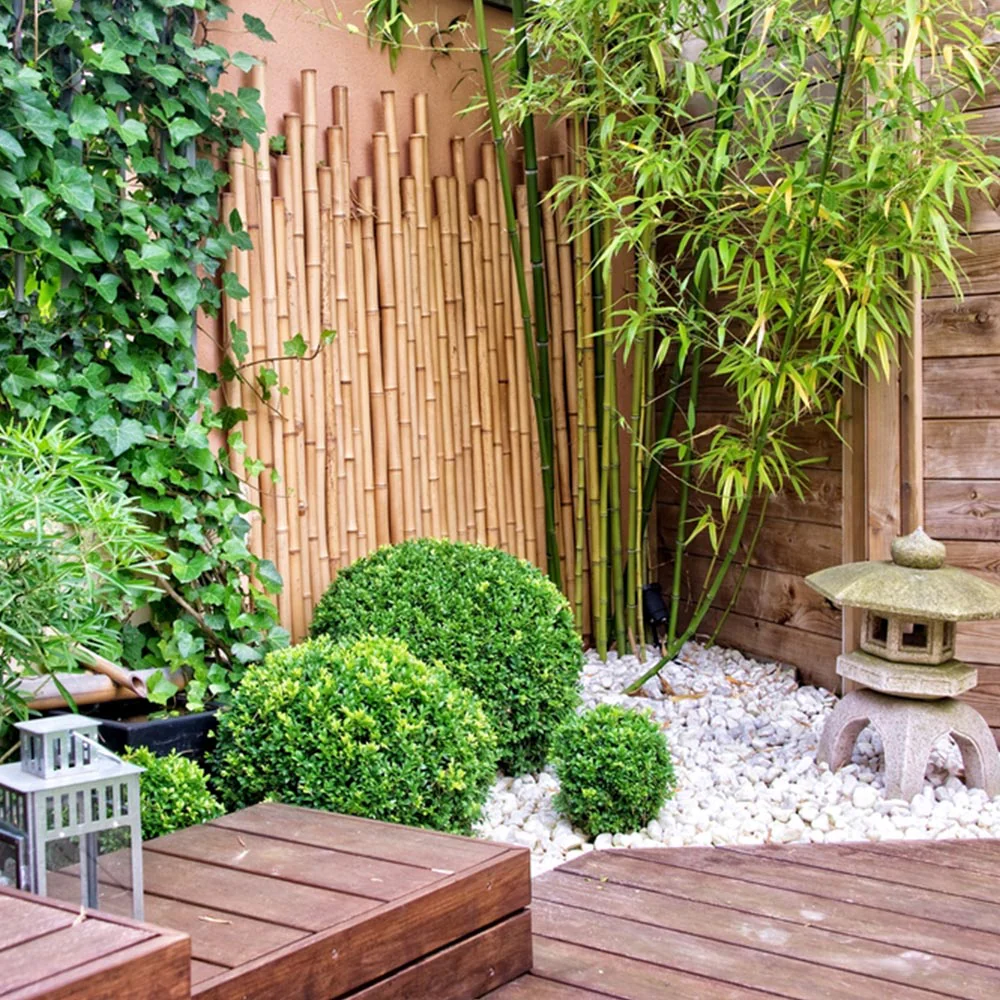
Credit: lodhigarden.com
Tools And Materials
Designing a Zen garden requires tools like rakes and shovels and materials like sand, rocks, and gravel. Choose natural elements that create a peaceful atmosphere and reflect simplicity.
Creating your own zen garden can be a rewarding experience, offering a serene escape right in your backyard. But before you can start raking the sand into perfect patterns, you need the right tools and materials. This section will guide you through selecting the essential items needed to bring your zen oasis to life.Choosing The Right Tools
The right tools can make all the difference in the design process of your zen garden. A small rake is crucial for creating those soothing, flowing patterns in the sand. Consider investing in a garden hoe to help you shape the terrain and plant your greenery. Hand trowels are perfect for planting and maintaining any shrubs or moss you choose. You might find a pair of gardening gloves helpful to protect your hands while working. Do you have a favorite tool that always makes gardening easier for you?Selecting Sustainable Materials
Choosing sustainable materials not only benefits the environment but also enhances the natural beauty of your zen garden. Opt for natural sand or gravel, which can be sourced locally to reduce your carbon footprint. Bamboo can be an excellent choice for borders or fencing, as it’s renewable and durable. When selecting plants, go for native species that require less water and maintenance. Recycled wood or stones can add an eco-friendly charm to your landscape. How can these choices reflect your commitment to sustainability in your garden? By carefully selecting the right tools and sustainable materials, you set the stage for a zen garden that’s not only beautiful but also mindful of the planet.Step-by-step Construction
Designing a Zen garden involves a thoughtful selection of elements like rocks, sand, and plants. Begin by choosing a serene location that fosters relaxation. Incorporate simple patterns and textures to create a calming environment.
Designing a Zen garden is a rewarding project. The creation process is both meditative and relaxing. A well-designed Zen garden can offer peace and tranquility. Let’s explore the step-by-step construction process. Follow these simple steps to bring your Zen garden to life.Preparing The Ground
Start by selecting a quiet location. Remove any debris, rocks, or weeds. This ensures a clean slate for your garden. Level the ground with a rake. This creates an even surface. Consider using a layer of sand or gravel. It helps with drainage and adds texture.Arranging Elements
Choose natural elements like rocks and sand. These are the core of a Zen garden. Arrange rocks in groups. Odd numbers work best for balance. Use sand to create patterns around the rocks. A rake can help form waves or circles. Add plants like moss or small shrubs. They bring life and color to your garden.Final Touches And Adjustments
Check the layout for harmony. Adjust elements for a balanced look. Ensure pathways are clear and inviting. Add a bench or stone seat for contemplation. Consider adding a water feature. It adds a calming sound. Regular maintenance keeps the garden pristine. Rake the sand and trim plants as needed.
Credit: www.youtube.com
Maintaining Your Zen Garden
Creating a serene Zen garden involves thoughtful design choices. Choose simple, calming elements like stones, sand, and plants. Arrange them in a balanced, harmonious way to promote peace and relaxation.
Maintaining Your Zen Garden Creating a Zen garden is just the beginning of your journey toward tranquility and peace. The real magic lies in its maintenance. It’s not just about keeping it visually appealing; it’s about nurturing the harmony and balance that a Zen garden embodies.Seasonal Care
Each season brings its own set of challenges and opportunities for your Zen garden. In spring, focus on cleaning and preparing your garden for growth. Remove dead leaves and debris to allow new life to flourish. Summer requires regular watering, especially if your garden includes plants. Ensure the gravel is raked frequently to maintain its pristine look. In autumn, be diligent with leaf removal to keep the garden clean. Winter might involve protecting any delicate plants from frost. If snow covers your garden, embrace its temporary transformation and use it as an opportunity for reflection.Addressing Common Issues
Weeds can disrupt the serenity of your Zen garden. Regularly check for unwanted growth and remove them promptly. A layer of landscape fabric beneath the gravel can help minimize this issue. Pests might occasionally invade your garden space. Consider using natural deterrents like essential oils or garlic spray to keep them at bay. Drainage issues can also arise, especially during heavy rains. Ensure your garden has proper drainage channels to prevent waterlogging. Adjust the landscape if necessary to maintain a smooth flow of water. Maintaining your Zen garden is a practice of mindfulness. It’s a chance to connect with nature and find peace in small, thoughtful actions. What will your garden teach you today?Inspiration From Famous Zen Gardens
Drawing inspiration from famous Zen gardens can guide your own design. Embrace simplicity, balance, and natural elements. Use rocks, sand, and plants to create a peaceful space.
Inspiration from famous Zen gardens offers a unique glimpse into tranquility. These historic spaces showcase harmony between nature and design. Their timeless beauty inspires countless garden enthusiasts. By exploring these iconic creations, you can gather ideas for your own space.Exploring Iconic Designs
Many famous Zen gardens boast unique features and design elements. The Ryoan-ji in Kyoto captivates with its minimalist rock layout. Its simplicity encourages contemplation and peace. The Saiho-ji, known as the Moss Temple, enchants with lush green moss. This garden emphasizes texture and natural beauty. The Adachi Museum of Art garden integrates art and nature seamlessly. It showcases perfectly manicured landscapes reminiscent of Japanese paintings.Adapting Ideas For Your Space
Incorporate elements from iconic Zen gardens into your design. Use rocks to create focal points and paths. Consider the textures and colors of stones you choose. Add moss or ground cover for a soft, lush appearance. Create balance with water features like small ponds or streams. Use gravel or sand to represent water or space. Rake these areas to create patterns and movement. Select plants carefully; focus on simplicity and harmony. Opt for evergreens and plants with subtle colors. Remember, each element should contribute to a sense of peace.
Credit: www.hamptons.co.uk
Frequently Asked Questions
What Are The Essential Elements Of A Zen Garden?
A Zen garden typically includes rocks, gravel, sand, and minimalistic plants. These elements symbolize nature and tranquility. Arranging them thoughtfully encourages meditation and mindfulness. Consider adding a water feature for added serenity. Each component serves a purpose, enhancing the garden’s peaceful atmosphere.
How Do I Choose Plants For My Zen Garden?
Choose low-maintenance plants like moss, ferns, and bamboo. These plants thrive in various conditions and enhance the garden’s simplicity. Opt for greenery that aligns with your climate. Minimalistic and evergreen choices maintain the garden’s tranquil aesthetic year-round.
Can I Design A Zen Garden In A Small Space?
Yes, a Zen garden can thrive in small spaces. Use a container or small plot, focusing on essential elements like sand, gravel, and rocks. Minimal plants and compact design create a serene atmosphere. Even a small Zen garden can provide a peaceful retreat.
How Do I Maintain My Zen Garden?
Maintain your Zen garden by raking gravel and removing debris regularly. Trim plants to keep them neat and minimalistic. Occasionally rearrange rocks and sand to refresh the design. Consistent upkeep ensures the garden remains a tranquil space. Minimal maintenance helps preserve its serene beauty.
Conclusion
Creating your own zen garden is rewarding and soothing. Start small and keep it simple. Use rocks, sand, and plants for balance. Remember, less is often more in a zen garden. Focus on the harmony of elements. Enjoy the peace it brings.
Your garden reflects your mind. Keep it tidy and uncluttered. Regular maintenance ensures lasting tranquility. Relax and let your zen garden inspire calmness. Find joy in each step of the process. Your personal oasis awaits. Embrace the serenity it offers.
Enjoy the journey of creating a peaceful space.