Imagine stepping into your backyard and being greeted by a stunning display of vibrant dahlias in full bloom. These captivating flowers, with their intricate petals and diverse colors, can transform any garden into a breathtaking sanctuary.
Designing your own dahlia garden is not just an opportunity to enhance your outdoor space; it’s a chance to express your creativity and immerse yourself in the calming beauty of nature. You might wonder, where do you start? What colors should you choose?
How do you ensure your dahlias thrive? The answers to these questions will unlock the secrets to creating a garden that not only captivates your senses but also becomes the envy of your neighborhood. As you delve deeper into the art of dahlia garden design, you’ll discover simple techniques and insider tips that will guide you every step of the way. Let the allure of these flowers draw you in, and see how easy it is to cultivate a garden that reflects your unique style and passion. Stay with us to uncover the easy steps and expert advice that will make your dahlia garden dream a reality.
Choosing The Right Dahlia Varieties
Designing a dahlia garden is like painting with nature’s palette. Choosing the right dahlia varieties is crucial to creating a vibrant, dynamic display. Each variety offers unique colors, shapes, and sizes. How do you decide which ones will make your garden stand out?
Color And Shape Preferences
Your garden can be a personal expression of taste, and dahlias provide a wide spectrum of colors. From fiery reds to soft pastels, there’s a hue for everyone. Consider what colors will complement your existing garden plants. Do you want bold contrasts or harmonious blends?
Shapes also play a role. Dahlias can be single, double, or even cactus-shaped. Each shape brings a different texture and feel to your garden. Imagine a section filled with pompom dahlias, their round blooms creating delightful symmetry.
Height And Bloom Time
Height variation can add depth to your garden. Taller dahlias can create a backdrop for shorter plants. Think about where you want taller varieties—perhaps at the back of a border or along a fence.
Bloom time is another crucial factor. Dahlias bloom at different times from mid-summer to fall. By selecting varieties with staggered bloom periods, you ensure a continuous display of color. Do you want your garden to explode with color all at once or have a rotating display?
Consider these factors and experiment with different combinations. Which varieties will best express your garden vision?
Planning Your Garden Layout
Designing a dahlia garden involves choosing the right location with ample sunlight. Arrange plants in a pattern that showcases their vibrant blooms. Consider spacing and soil quality for optimal growth and easy access.
Planning Your Garden Layout Designing a dahlia garden requires thoughtful planning. The layout influences the health and beauty of your blooms. Organize your space wisely to ensure vibrant growth. Here’s how to make the most of your garden area.Sunlight And Soil Requirements
Dahlias thrive in sunlight. Choose a spot with at least six hours of direct sun daily. Avoid shaded areas where your plants might struggle. Ensure the soil is well-drained and fertile. Test the pH level; dahlias prefer slightly acidic soil. Amend the soil with compost for rich nutrients.Spacing For Optimal Growth
Proper spacing helps dahlias grow freely. Plant them 18 to 24 inches apart. This allows air circulation, reducing disease risk. Space rows 3 feet apart for easy access. Consider the mature size of each variety. Taller dahlias need more room to spread. Use stakes for support as they grow.Soil Preparation Techniques
Preparing soil is vital for a thriving dahlia garden. Start by choosing well-drained soil with plenty of organic matter. Ensure the soil is loose to a depth of 12 inches for strong root growth.
Preparing the soil is crucial for a thriving dahlia garden. Healthy soil supports robust blooms and vibrant colors. Follow these soil preparation techniques for beautiful dahlias.Testing And Amending Soil
First, test the soil to understand its current state. Use a soil test kit from a garden store. Check for pH levels and nutrient content. Dahlias prefer slightly acidic to neutral soil, around 6.0 to 7.5 pH. Based on the test, amend the soil. If the soil is too acidic, add lime to balance it. For alkaline soil, sulfur is a good amendment. Enhance soil nutrients with organic matter. Compost or well-rotted manure works best. Spread a layer and mix it in well. This enriches the soil and improves its texture.Drainage And Fertility
Good drainage is vital for dahlias. They dislike soggy roots. Check the soil’s drainage by observing water absorption. If water pools, improve drainage before planting. Add sand or fine gravel to the soil. This helps excess water to drain away. Fertility is key for lush dahlia blooms. Use a balanced fertilizer to boost growth. A 10-10-10 fertilizer provides essential nutrients. Apply it during planting for best results. Follow the instructions for the right amount. Too much fertilizer can harm plants. Ensuring proper drainage and fertility sets the stage for healthy dahlias. With these techniques, your garden will flourish with color.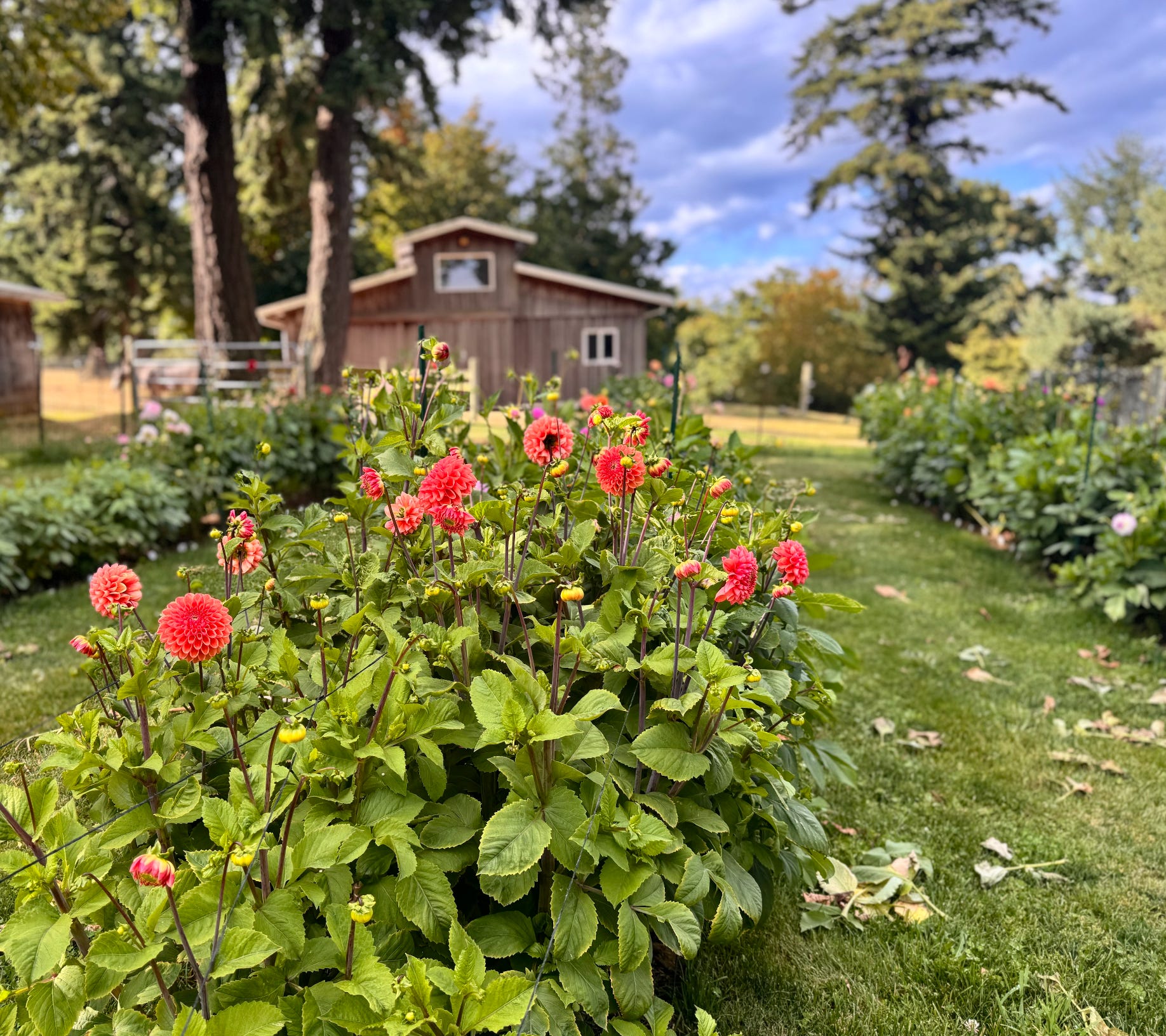
Credit: annehelen.substack.com
Planting Dahlias
Creating a vibrant dahlia garden begins with smart planting. Dahlias are versatile and stunning, bringing color to any garden. Their beautiful blooms make them a favorite among gardeners. Planting dahlias successfully requires attention to detail and care.
Tubers Vs. Seedlings
Dahlias can be grown from tubers or seedlings. Tubers are like bulbs that sprout into new plants. They are popular due to their reliability. Tubers often produce larger blooms. Seedlings are grown from seeds and offer variety. They can be unpredictable but rewarding.
Consider your garden space and climate. Tubers need more space but are durable. Seedlings are ideal for small gardens or containers. Both options can create a beautiful display.
Proper Planting Depth
Proper planting depth is crucial for healthy dahlias. Tubers should be planted about six inches deep. This protects them from temperature changes. Seedlings require a shallower depth. Plant them about two inches deep.
Ensure the soil is well-drained to avoid rot. Dahlias thrive in sunny locations. Check the soil before planting to ensure it’s suitable. Water the planted tubers and seedlings gently. This helps establish roots and encourages growth.
Watering And Feeding Strategies
Creating a thriving dahlia garden requires careful attention to watering and feeding. Understanding how to hydrate and nourish these vibrant blooms is key. This section will guide you in establishing effective strategies for your dahlia garden’s success.
Establishing A Watering Schedule
Dahlias need consistent moisture for healthy growth. Water them deeply two to three times a week. Early morning is best to prevent evaporation. Ensure the soil remains moist but not waterlogged. Mulch can help retain soil moisture and reduce watering frequency.
Nutrient Needs And Fertilization
To flourish, dahlias need rich soil and regular feeding. Begin with a balanced fertilizer when planting. Apply a low-nitrogen fertilizer every few weeks during the growing season. Fish emulsion or compost tea can provide additional nutrients. Monitor your plants for signs of nutrient deficiency. Yellow leaves or poor blooms may indicate a need for more feeding.
Pest And Disease Management
Designing a dahlia garden requires effective pest and disease management to ensure healthy blooms. Regularly inspect plants for signs of pests like aphids and slugs. Use organic insecticidal soap to control infestations and keep the garden thriving.
Designing a dahlia garden brings beauty and joy to any space. Yet, pests and diseases can threaten your flowers. Understanding how to manage these issues is key. With the right strategies, your dahlias will thrive. This section offers practical tips to protect your garden.Common Pests And Solutions
- Aphids:These tiny insects suck sap, weakening plants. Spray with water to remove them. Use insecticidal soap if needed.
- Slugs and Snails:They chew leaves, leaving holes. Place copper tape around pots. Handpick them during the early morning.
- Spider Mites:They create webbing and yellow spots on leaves. Increase humidity around plants. Spray neem oil to control them.
- Earwigs:These pests eat young shoots. Trap them using rolled-up newspaper. Dispose of the traps each morning.
Disease Prevention Techniques
- Powdery Mildew:This fungus leaves a white coating on leaves. Ensure good air circulation around plants. Water early in the day.
- Fungal Rot:Overwatering causes root rot. Water plants only when soil feels dry. Use well-draining soil and pots.
- Virus Infections:Viruses cause stunted growth and deformed leaves. Remove infected plants promptly. Keep tools clean to prevent spread.
- Bacterial Wilt:This disease causes wilting. Plant resistant varieties. Rotate crops to reduce risk.
Pruning And Deadheading Tips
Prune dahlia stems to encourage bushier growth and vibrant blooms. Remove dead flowers regularly to prolong blooming. These practices enhance garden design by ensuring a lush, colorful display throughout the season.
Pruning and deadheading your dahlia garden not only keeps it looking its best but also promotes healthier plants and more abundant blooms. It’s a task that might seem tedious at first, but the rewards are worth the effort. As you nurture your dahlias, you’ll discover that these practices are essential for maintaining a vibrant and flourishing garden.Encouraging More Blooms
To maximize the number of dahlia blooms, regularly deadhead spent flowers. This redirects the plant’s energy towards producing new buds rather than seed formation. Snip off the old blooms just above a leaf node using sharp, clean scissors or pruning shears. Doing this routinely encourages a continuous bloom cycle throughout the growing season. Have you ever noticed how a well-pruned plant seems to burst forth with fresh flowers? This simple act of removing old blooms can transform your garden into a colorful oasis.Maintaining Plant Health
Pruning isn’t just about aesthetics; it’s crucial for the health of your dahlias. Removing excess foliage improves air circulation, reducing the risk of fungal diseases. Cut back any damaged or dead stems to keep your plants thriving. This keeps them sturdy and focused on producing vibrant flowers. Consider the last time you saw a plant overtaken by wilted leaves. Remember how it affected its overall appearance and health? By maintaining your plants through regular pruning, you ensure they remain robust and beautiful. Don’t let your dahlias become overwhelmed. Regular maintenance is your secret weapon for a dazzling garden.
Credit: thedesignfiles.net
Seasonal Care And Maintenance
Designing a dahlia garden requires seasonal care and maintenance. Choose well-drained soil and sunny spots for planting. Regular watering and deadheading will ensure vibrant blooms.
Seasonal care and maintenance are crucial for ensuring your dahlia garden thrives year after year. This involves understanding the unique needs of dahlias during different seasons, particularly as temperatures change. Proper care not only preserves the beauty of your garden but also guarantees a vibrant bloom when the time is right.Preparing For Winter
As the chill of winter approaches, your dahlias need extra attention. Start by cutting back the stems to about six inches above the ground after the first frost. This helps the plant conserve energy. Cover the soil with a thick layer of mulch to protect the roots from freezing temperatures. This simple step can make all the difference in safeguarding your dahlias through harsh winters. Do you have a plan for sudden cold snaps? Keep an eye on the weather forecast and be ready to add an extra layer of protection if needed.Dividing And Storing Tubers
Once winter has passed, it’s time to dig up your dahlia tubers for division and storage. Carefully lift the tubers from the ground, ensuring you don’t damage them. A gentle touch can prevent future growth issues. Divide the tubers by cutting them into sections, each with at least one eye. This promotes healthier growth and a more abundant bloom next season. Store the divided tubers in a cool, dry place to prevent rot. Consider using peat moss or vermiculite as a storage medium to keep them dry and safe. Have you ever lost tubers to rot or pests? Experiment with different storage methods and find what works best for your environment. A little trial and error can lead to the perfect dahlia garden year after year.
Credit: www.lynseytaulbee.com
Frequently Asked Questions
What Are The Best Dahlia Varieties For Beginners?
For beginners, choose easy-to-grow varieties like ‘Bishop of Llandaff’ or ‘Arabian Night. ‘ These dahlias are low-maintenance and offer stunning blooms. They thrive in most climates and are resistant to common pests. Their vibrant colors will add beauty to any garden.
How Much Sunlight Do Dahlias Need?
Dahlias thrive in full sunlight, needing at least six hours daily. Morning sun is ideal for their growth. They can tolerate partial shade but may produce fewer blooms. Ensure they have adequate light for vibrant flowers.
When Should I Plant Dahlias?
Plant dahlias after the last frost in spring. The soil should be warm and well-drained. Typically, this is between late April and early June. This ensures they have the best conditions for growth and blooming.
How Do I Care For Dahlia Plants?
Dahlias need regular watering and well-draining soil. Deadhead spent blooms to encourage more flowers. Provide support with stakes for taller varieties. Fertilize monthly with a balanced fertilizer to promote healthy growth and vibrant blooms.
Conclusion
Creating a dahlia garden is both fun and rewarding. Start with good planning. Choose the right spot with plenty of sun. Pick dahlia varieties that match your style. Make sure the soil drains well. Water and feed your plants regularly.
Watch them bloom into colorful flowers. Enjoy the beauty and calm they bring. Dahlia gardens are perfect for brightening up any outdoor space. With a bit of care, you’ll have a stunning garden. Your friends will admire your floral paradise.
Happy gardening!