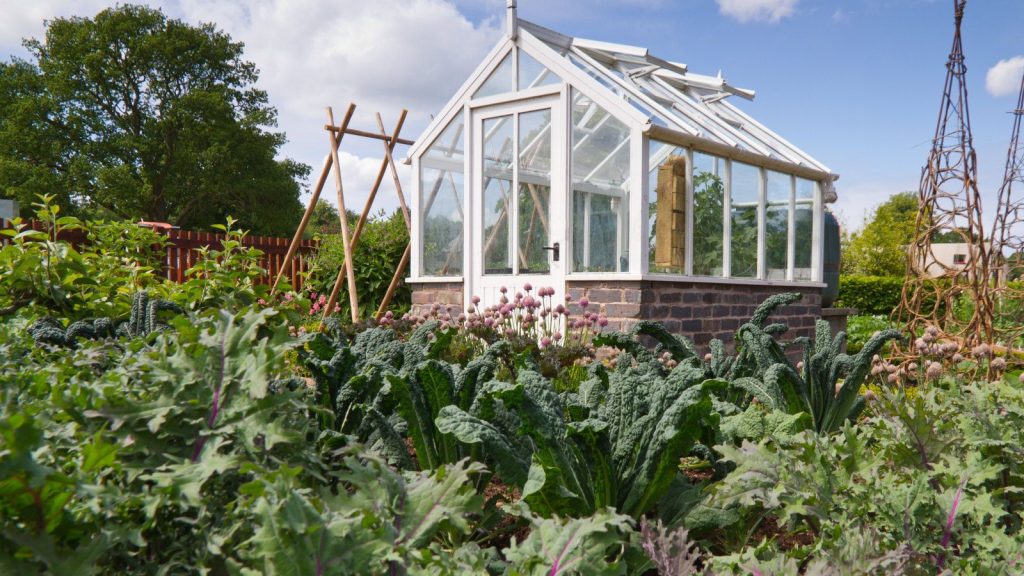
Imagine stepping into your backyard and being greeted by a symphony of colors, scents, and flavors. An orchard and potager garden is not just a feast for the eyes; it’s a sanctuary for the soul and a haven for your taste buds.
If you’ve ever dreamed of harvesting your own fresh fruits and vegetables, you’re in the right place. Designing your orchard and potager garden might seem like a daunting task, but it’s easier than you think. With a few simple tips, you can transform your outdoor space into a lush, productive paradise.
Why let this opportunity slip by when you can cultivate a garden that not only nourishes your body but also revitalizes your spirit? Dive in, and discover the secrets to creating a garden that will leave you and your guests in awe.
Planning Your Garden Space
Planning your garden space is an exciting journey where creativity meets functionality. Whether you’re dreaming of a lush orchard or a productive potager garden, the key lies in thoughtful planning. Consider how your garden will reflect your personality while serving practical needs. Let’s dive into the essential steps to get you started on the right foot.
Choosing The Right Location
The location of your garden is pivotal. Look for areas that receive ample sunlight, as most fruits and vegetables thrive with at least six hours of sun per day. Assess the soil quality—rich, well-draining soil is ideal. If you’re uncertain, a simple soil test can provide valuable insights.
Imagine your garden as a sanctuary. Select a spot where you feel comfortable spending time, away from noisy distractions. Proximity to water sources is also crucial for convenience in watering your plants.
Determining Garden Size
How much space do you have available? The size of your garden will influence what you can grow. Larger areas allow for more variety, but even a small space can be maximized with clever design techniques.
Consider your lifestyle and how much time you can dedicate to gardening. A smaller garden might be easier to manage if you’re busy, while a larger one can be a rewarding challenge. Think about what you want to harvest—do you envision baskets full of apples or just a few herbs for your kitchen?
Balancing Aesthetics And Functionality
A garden should be both beautiful and productive. Strive for a layout that pleases the eye while optimizing plant growth. Use pathways to create structure and accessibility, and consider raised beds for easier maintenance and visual appeal.
Integrate elements like trellises or pergolas to add height and interest. Consider color coordination—mix vibrant blooms with lush greenery to create a harmonious environment. How will your garden reflect your personal style?
As you plan, remember that your garden is a reflection of your creativity and practicality. What story will your garden tell?
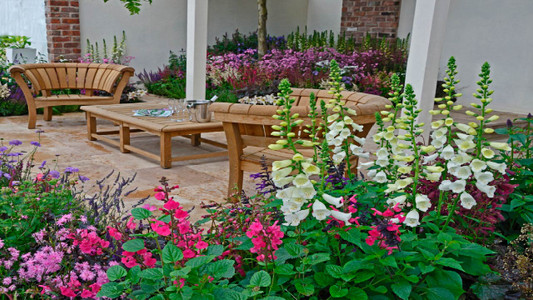
Credit: www.dripworks.com
Selecting Plants
Designing an orchard and potager garden involves selecting diverse plants that thrive in harmony. Choose fruit trees, vegetables, herbs, and flowers that complement each other. Ensure they suit your climate and soil conditions for a bountiful, beautiful garden.
Designing an orchard and potager garden is an exciting journey that begins with selecting the right plants. Your choices will set the stage for a thriving garden that not only provides delicious produce but also enhances the beauty of your outdoor space. With careful consideration, you can cultivate a landscape that enriches your lifestyle and keeps your garden flourishing season after season.Best Fruit Trees For Orchards
Choosing fruit trees for your orchard requires balancing taste, growth habits, and climate compatibility. Apple trees are a popular choice, offering a variety of flavors and uses. Consider dwarf varieties if space is limited. Plums and cherries add vibrant colors and sweet flavors. These trees often require cross-pollination, so plant compatible species nearby. If you’re in a warmer climate, citrus trees like lemons and oranges can thrive, providing a refreshing addition to your garden. Think about how these fruit trees will fit into your garden’s layout and your culinary plans.Ideal Vegetables For Potagers
Potager gardens combine beauty and function, showcasing vegetables that are as ornamental as they are tasty. Leafy greens like kale and Swiss chard offer a colorful display and are easy to grow. Tomatoes are a staple; they’re versatile and can be grown in containers or traditional beds. Experiment with heirloom varieties for unique flavors and colors. Root vegetables like carrots and beets add diversity to your garden palette. Their underground growth also helps maintain soil structure. Select vegetables that suit your cooking habits and dietary preferences.Companion Planting Benefits
Companion planting is a strategic approach that enhances plant growth and deters pests naturally. Pairing basil with tomatoes can boost their flavor and repel insects. Marigolds are known to ward off nematodes, making them a perfect companion for vegetable beds. They also add a splash of color. Consider planting beans with corn; beans fix nitrogen in the soil, benefiting the corn. These pairings not only improve garden health but also maximize space and resources. How can companion planting transform your garden’s productivity and aesthetics? Selecting the right plants for your orchard and potager garden is a rewarding task. Each choice you make reflects your personal taste and vision for a vibrant, productive garden space.Design Principles
Designing an orchard and potager garden requires careful planning. Prioritize space layout for fruit trees and vegetable beds. Incorporate pathways for accessibility and aesthetic appeal.
Designing an orchard and potager garden is an art that blends functionality with aesthetics. The design principles you choose can make your garden not only productive but also pleasing to the eye. A well-thought-out plan will ensure that your garden thrives, providing both food and beauty throughout the seasons.Creating Symmetrical Layouts
Symmetry brings a sense of balance and harmony to your garden. Think of your orchard and potager as a canvas where each element complements the other. You might arrange fruit trees in neat rows or squares, mirroring each side for a balanced look. In my own garden, placing apple trees opposite pear trees created a visual rhythm that visitors always admired. Have you considered how symmetry can transform an ordinary space into a masterpiece?Incorporating Paths And Borders
Paths and borders guide both the eye and foot traffic through your garden, adding structure and definition. Imagine strolling down a gravel path lined with lavender or marigolds, the scent and color enhancing your journey. Simple stone or brick edging can neatly define vegetable beds, making maintenance easier. What pathways can you create to invite exploration and discovery in your garden?Utilizing Vertical Spaces
Vertical spaces are often overlooked but offer immense potential for maximizing your garden’s productivity. Climbing plants like beans, peas, or even grapes can thrive on trellises or arbors. I once transformed a small corner by installing a vertical planter for herbs, which not only saved space but also added a lush, green wall. Which vertical spaces in your garden could be the next focal point? Remember, the beauty of a garden lies in its ability to reflect your personality and creativity. Each design choice you make should resonate with your vision, ensuring that your orchard and potager are uniquely yours.
Credit: www.youtube.com
Soil And Fertility
Designing an orchard and potager garden requires understanding soil and fertility. Healthy soil supports plant growth and boosts yield. Incorporate compost and organic matter to enrich soil quality, ensuring a thriving garden environment.
Designing an orchard and potager garden requires a strong understanding of soil and fertility. Healthy soil is the foundation for thriving plants. It supports growth by providing essential nutrients and water. A fertile soil enhances productivity and ensures sustainable gardening practices. Let’s explore how to test and improve your soil quality, use organic fertilizers, and implement crop rotation practices.Testing And Improving Soil Quality
Understanding your soil’s condition is crucial. Begin by testing the soil pH and nutrient levels. You can use a simple home test kit. It reveals vital information about the soil’s health. Based on the results, improve the soil quality. Add lime to raise pH levels or sulfur to lower them. Ensuring the right balance is key. Enhance the soil structure with organic matter. Compost, peat moss, or aged manure work well. They improve soil aeration and water retention.Organic Fertilizers And Amendments
Opt for organic fertilizers to enrich your garden. They are safe and eco-friendly. Choose from options like bone meal, blood meal, or fish emulsion. They provide essential nutrients without harming the environment. Use them according to the plant’s needs. Amendments like rock phosphate or greensand add minerals. They boost plant health and productivity. Regularly check and adjust the amendment levels. This ensures optimal growth.Crop Rotation Practices
Crop rotation is essential for maintaining soil fertility. It prevents nutrient depletion and pest build-up. Rotate plants based on their nutrient needs. Legumes, for instance, fix nitrogen in the soil. Follow them with nitrogen-loving crops like corn. This natural cycle benefits the soil. It reduces the need for synthetic fertilizers. Plan your rotation schedule carefully. It should align with the growth patterns of your plants. This practice keeps your garden vibrant and productive year-round.Watering And Irrigation
Designing a successful orchard and potager garden requires efficient watering and irrigation systems. Ensure plants receive the right amount of water by planning drip irrigation or soaker hoses. This approach helps maintain healthy growth and conserves water.
Watering and irrigation are crucial elements in designing your orchard and potager garden. Proper watering ensures your plants thrive and produce bountiful harvests. Without it, even the most well-planned garden can falter.Efficient Watering Techniques
Efficient watering is about maximizing every drop of water. Consider using soaker hoses which deliver water directly to the plant roots. This reduces evaporation and helps conserve water. Mulching is another effective technique. A layer of mulch retains moisture in the soil, reducing the need for frequent watering. It also helps keep weeds at bay, which compete with your plants for water. Timing is key. Watering early in the morning or late in the afternoon minimizes evaporation. This ensures more water reaches the roots where it’s needed most.Installing Irrigation Systems
An irrigation system can save you time and effort. Drip irrigation systems are particularly effective for orchards and potagers. They provide a slow, steady supply of water directly to the base of each plant. For larger gardens, consider a sprinkler system. These can be automated to water at optimal times, ensuring consistency and efficiency. Installing a simple timer can further streamline the process. This ensures your garden gets watered even when you’re away, keeping plants healthy and happy.Rainwater Harvesting
Why not make use of what nature provides? Rainwater harvesting is an eco-friendly way to supply your garden with water. Installing rain barrels under downspouts collects rainwater, which can be used during dry spells. Consider a gravity-fed irrigation system to distribute collected rainwater. This minimizes reliance on municipal water supplies and reduces your water bill. Think about the impact on your garden’s sustainability. By using natural resources, you contribute to a healthier environment while nurturing your plants. How will you make the most of the water available to you?Pest And Disease Management
Designing an orchard and potager garden involves careful planning to manage pests and diseases effectively. Choose disease-resistant plant varieties and use companion planting to naturally deter pests. Regular monitoring and maintaining healthy soil can prevent outbreaks, ensuring a thriving garden.
Pest and disease management is crucial for a thriving orchard and potager garden. Healthy plants produce more fruit and vegetables. They also resist pests and diseases better. This guide will help you protect your garden naturally.Natural Pest Control Methods
Use simple, natural solutions to deter pests. Hand-picking pests is effective for small gardens. Soap sprays can combat aphids. Mix water with mild soap and spray directly on affected plants. Garlic spray is another option. Blend garlic with water and spray on leaves. It repels insects without harming plants.Preventing Common Diseases
Disease prevention starts with healthy soil. Rotate crops to prevent soil-borne diseases. Keep plants dry to avoid fungal infections. Water in the morning so leaves dry quickly. Remove diseased leaves promptly. This limits disease spread. Compost them away from the garden.Using Beneficial Insects
Introduce beneficial insects to your garden. Ladybugs eat aphids and other pests. You can buy them online or at garden centers. Praying mantises consume a variety of insects. They help maintain a natural balance. Plant flowers to attract these helpful allies. Marigolds and daisies are good choices. They provide nectar and pollen, supporting beneficial insect life.Seasonal Maintenance
Designing an orchard and potager garden involves seasonal maintenance for optimal growth. Choose diverse plants and arrange them in accessible rows. Plan for watering systems, pest control, and soil enrichment to ensure a fruitful harvest.
Seasonal maintenance is key for a thriving orchard and potager garden. It involves pruning, planting, and preparing your garden for winter. Each season brings unique tasks that keep your garden healthy and productive. Regular maintenance ensures your garden remains vibrant and fruitful year-round.Pruning And Trimming Tips
Pruning keeps your plants healthy and productive. Trim fruit trees in late winter or early spring. This encourages new growth and fruit production. Always use sharp, clean tools to avoid damage. Remove dead or diseased branches immediately. This prevents the spread of pests and diseases. For potager gardens, trim herbs and vegetables regularly. This promotes bushier growth and a better harvest.Seasonal Planting Guide
Plan your planting according to the seasons. In spring, plant cool-weather crops like lettuce and peas. Summer is ideal for tomatoes, peppers, and beans. In fall, focus on root vegetables like carrots and beets. Rotate crops each season to maintain soil health. Companion planting can deter pests and boost growth. Keep a planting calendar to track what grows best when.Winterizing Your Garden
Prepare your garden for winter to protect it from harsh weather. Mulch fruit tree bases to insulate roots. Clear fallen leaves and debris to prevent pests. Cover delicate plants with burlap or frost cloth. Drain and store garden hoses to prevent freezing. Clean and sharpen tools for next season. Planning ahead ensures your garden survives winter and thrives in spring.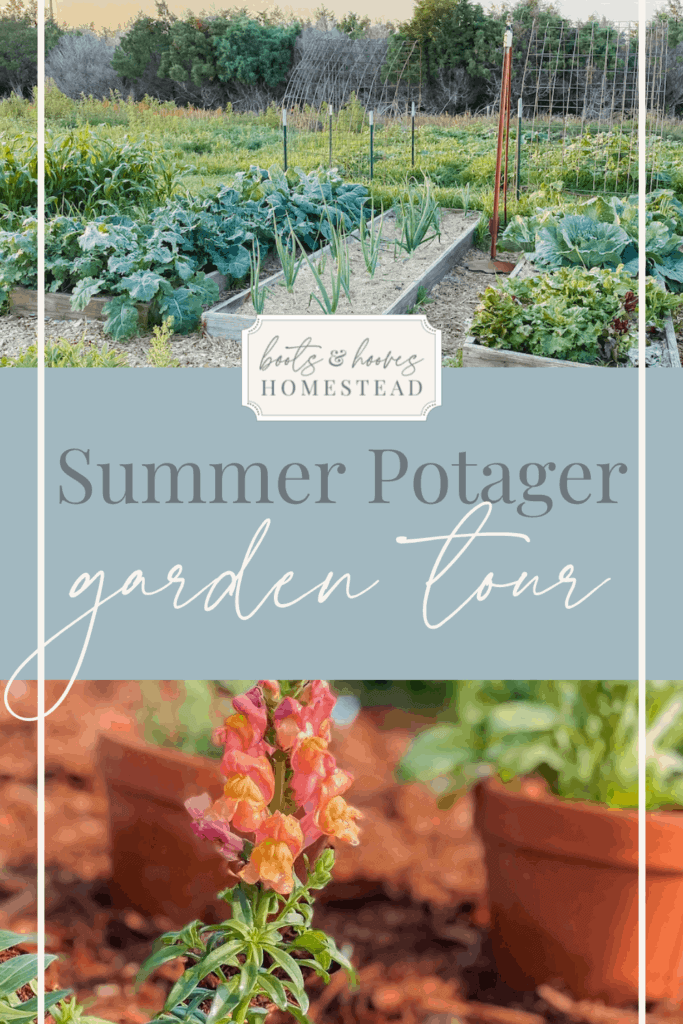
Credit: bootsandhooveshomestead.com
Enhancing Garden Beauty
Designing an orchard and potager garden enhances your garden’s beauty and productivity. Blend fruit trees with vegetable plots for a stunning look. Add paths and borders for easy access and visual appeal.
Enhancing the beauty of your orchard and potager garden can transform it into a picturesque haven. Designing with aesthetics in mind not only pleases the eye but also enriches the overall garden experience. Thoughtful placement of decorative elements, edible flowers, and inviting seating can elevate the space from ordinary to extraordinary. Let’s explore how to weave these elements into your garden design.Choosing Decorative Elements
Decorative elements add charm and character to any garden. Consider using garden sculptures or vintage tools as focal points. Pathways lined with colorful stones can guide visitors through the space. Birdbaths or small fountains introduce a serene ambiance with the sound of water. Use trellises or arbors to frame views and support climbing plants. Wind chimes or hanging lanterns can enhance the sensory experience. Choose elements that reflect your personal style and complement the garden’s theme.Incorporating Edible Flowers
Edible flowers add beauty and function. Nasturtiums offer bright blooms and peppery leaves. Borage brings star-shaped flowers with a cucumber taste. Calendula provides vibrant color and a hint of spice. These flowers can garnish salads or decorate cakes. Plant them alongside vegetables for a harmonious look. Edible flowers attract pollinators, which benefits your garden’s productivity. They bring color and life to your orchard and potager.Creating Inviting Seating Areas
Seating areas invite relaxation and enjoyment. Place a rustic bench under a tree for shade. A small table with chairs can serve as a dining spot. Use cushions or throws for comfort and color. Consider swings or hammocks for a playful touch. Position seating to capture the best views of the garden. Seating areas encourage you to linger and appreciate your garden’s beauty. They provide a space to unwind and connect with nature.Frequently Asked Questions
What Is A Potager Garden?
A potager garden is a traditional French kitchen garden. It combines vegetables, herbs, and flowers for both beauty and function. This garden style emphasizes aesthetics, creating visually appealing patterns and designs. It’s not just about productivity but also about creating a picturesque landscape that enhances your outdoor space.
How Do I Start Designing An Orchard?
Begin by selecting fruit trees suited to your climate. Plan the layout considering space, sunlight, and soil quality. Ensure proper spacing for tree growth and maintenance. Incorporate pathways for easy access and harvesting. Consider seasonal changes and plant complementary species for a thriving orchard ecosystem.
What Plants Are Best For A Potager Garden?
Choose a mix of vegetables, herbs, and flowers. Opt for high-yield vegetables like tomatoes and lettuce. Include herbs such as basil and thyme for culinary uses. Add flowers like marigolds for color and pest control. Ensure plant compatibility and consider companion planting for better yields and health.
How Can I Maintain An Orchard Garden?
Regular pruning and pest control are essential for maintenance. Water trees adequately and mulch to retain moisture. Fertilize periodically to promote healthy growth. Monitor for diseases and pests, addressing issues promptly. Regularly check trees for signs of stress or nutrient deficiencies.
Conclusion
Creating a beautiful orchard and potager garden is rewarding. It combines aesthetics and practicality. Start with planning and selecting suitable plants. Blend fruit trees with vegetables and herbs. Consider sunlight, soil, and space. Use creative designs for paths and beds.
Maintain regularly for healthy growth. Enjoy the beauty and bounty of your garden. It provides fresh produce and a relaxing space. Engage with nature and experience joy in your efforts. Share your garden’s produce with family and friends. Cherish moments spent in your green sanctuary.
Your garden becomes a source of pride and delight.







