Imagine stepping into your garden and seeing every plant thriving, lush, and green. It’s a dream come true, and it starts with designing the perfect arrosage system.
You want your garden to flourish, but figuring out how to deliver just the right amount of water can seem daunting. That’s where we come in. In this guide, you’ll discover simple steps to create a tailored watering system that meets your garden’s unique needs.
Whether you’re a seasoned gardener or just starting out, you’ll find practical tips and insights to transform your outdoor space into a vibrant oasis. You deserve a garden that’s not only beautiful but also easy to maintain, and the key lies in the arrosage system you design. Dive into the details, and let us help you turn watering your garden from a chore into a pleasure. Your plants will thank you, and you’ll enjoy watching them grow stronger every day.
Assessing Garden Needs
Designing an effective arrosage system for your garden starts with understanding its unique needs. Every garden is different, and assessing what it requires can make all the difference in how well your plants thrive. By evaluating plant types, soil conditions, and climate impact, you can tailor your irrigation system to provide optimal water delivery. This process not only helps conserve water but also ensures your garden flourishes.
Identifying Plant Types
Each plant species has its own water requirements. Some need frequent watering, while others can survive with less. Consider the diversity in your garden. Are you growing water-loving plants like tomatoes, or drought-resistant varieties like lavender? Understanding these differences helps you create zones in your irrigation system tailored to each plant’s needs.
Evaluating Soil Conditions
Soil plays a crucial role in water retention and drainage. Is your garden soil sandy, loamy, or clay? Sandy soils drain quickly, meaning your plants might need more frequent watering. Clay soils retain water but can lead to waterlogging. Testing your soil type can guide you in choosing the right irrigation techniques to prevent over or under watering.
Understanding Climate Impact
Climate affects how much water your garden needs. In hot, dry climates, evaporation can quickly deplete moisture levels. In contrast, humid regions might require less frequent irrigation. Do seasonal changes significantly impact your local weather patterns? By adjusting your arrosage system according to climate shifts, you ensure consistent hydration for your plants.
Take a moment to observe the unique characteristics of your garden. Can you identify areas that dry out faster or plants that seem to struggle more? These insights can lead to a more efficient and responsive irrigation design. Remember, a well-assessed garden is a thriving garden.

Credit: www.facebook.com
Choosing Arrosage System Types
Your garden is a haven, a place where vibrant blooms and lush greenery come together in harmony. To maintain this beauty, choosing the right arrosage system is crucial. The right system ensures efficient water use, keeping plants healthy while conserving resources. But with various options available, how do you decide which is best for your garden? Let’s explore some popular types to help you make an informed choice.
Drip Irrigation
Drip irrigation is a favorite among garden enthusiasts for its precision. It delivers water directly to the plant roots, minimizing waste. Imagine the satisfaction of seeing your plants thrive with just the right amount of moisture. This system is especially beneficial for gardens with varied plant types. You can customize it to meet the specific needs of each plant, ensuring optimal growth.
Setting up a drip irrigation system may require a bit of initial effort, but the long-term benefits are worth it. It’s an investment in the health of your garden. Does your garden have plants with differing water needs? Drip irrigation could be your answer, offering targeted hydration without the hassle.
Sprinkler Systems
Sprinkler systems are perfect for larger gardens or lawns. They cover a wide area and can be automated for convenience. Picture waking up to the soft sound of sprinklers watering your garden, freeing you from the task. These systems can be adjusted to water at optimal times, like early morning or late afternoon, reducing evaporation.
Sprinklers are ideal for gardens with uniform plant height and water requirements. Consider the layout of your garden. Is there a clear path for sprinklers to cover the area evenly? If so, this could be the efficient solution you need to maintain a vibrant garden.
Soaker Hoses
Soaker hoses are a simple yet effective solution for hassle-free watering. They release water slowly along their length, ensuring plants receive consistent moisture. Think about those busy days when gardening takes a back seat. A soaker hose can be your silent partner, working diligently while you focus elsewhere.
This system is great for garden beds and borders, where plants are closely spaced. It’s easy to set up and requires minimal maintenance. Do you have a garden with dense planting arrangements? Soaker hoses might be the practical choice to keep your plants hydrated and happy.
Choosing the right arrosage system for your garden can transform your gardening experience. Consider the layout, the plant needs, and your lifestyle. What system aligns best with your vision for your garden? The answer will not only enhance your plants’ health but also your enjoyment of your garden sanctuary.
Designing Layout
Designing an arrosage system for your garden involves planning water flow and selecting appropriate equipment. Consider the garden size and plant types to determine the best layout. Efficient irrigation helps save water while ensuring plants receive adequate moisture.
Designing the layout of your garden’s arrosage system is crucial for efficient water distribution. It requires careful planning to ensure every plant receives the right amount of water without waste. Whether you have a small vegetable patch or a sprawling landscape, a well-designed layout can save time, water, and effort.Mapping Water Lines
Start by sketching a map of your garden. Include the location of plants, paths, and existing structures. This visual representation helps in identifying where water lines should run. Consider using flexible hoses or PVC pipes that can be easily laid out in various configurations. You may want to highlight areas with dense plantings that need more water. Think about how the lines will connect to your main water supply. Avoid crossing paths or obstructing walkways. A clear map minimizes the risk of digging into buried lines accidentally.Zoning For Efficiency
Divide your garden into zones based on plant type and water needs. This zoning approach ensures that thirsty plants get more water while drought-tolerant ones receive less. For example, group all water-loving vegetables together, and separate them from succulents or native plants. Zones can be adjusted seasonally as plants grow or change. Use valves or timers to control each zone independently. This setup maximizes efficiency and can reduce water bills significantly. Have you ever noticed how some areas of your garden thrive while others struggle? Zoning could be your answer.Incorporating Water Sources
Identify potential water sources in your garden. This could be a tap, rain barrel, or even a nearby pond. Each source will have different pressure and capacity, influencing how you design your system. Position your main water source at a central location to minimize pipe length and ensure even pressure. If using rainwater, consider installing a pump to maintain consistent flow. Consider alternative sources like recycled water systems. They are eco-friendly and can be integrated seamlessly into your layout. Have you thought about the environmental impact of your water use? Incorporating diverse sources can make your garden more sustainable.
Credit: laidbackgardener.blog
Selecting Materials And Equipment
Choosing the right materials and equipment ensures efficient water distribution in your garden. Select hoses, sprinklers, and timers suitable for your garden’s size and plant types. Durable and weather-resistant components enhance the system’s longevity.
Selecting the right materials and equipment is essential for designing an efficient garden arrosage system. The choices you make impact water distribution and system longevity. Each component must suit your garden’s size and type. Let’s explore the key components needed for a successful setup.Pipes And Tubing
Pipes and tubing form the backbone of your arrosage system. Choose durable materials like PVC or polyethylene. These materials resist wear and tear. Ensure the diameter fits the water flow needs. Smaller gardens may need narrower pipes. Larger gardens might require wider ones. Flexible tubing allows easier installation around plants. Check for UV resistance to extend lifespan.Valves And Fittings
Valves control water flow in your system. Use manual or automatic valves based on needs. Automatic valves save time and effort. Fittings connect pipes and tubing efficiently. Use high-quality fittings to prevent leaks. Elbows, tees, and connectors help redirect water flow. Ensure all components are compatible with each other.Timers And Controllers
Timers automate your watering schedule. They ensure consistent water delivery to your plants. Choose programmable timers for flexibility. Set them to water early mornings or late evenings. Controllers integrate with timers for advanced management. Some offer smartphone connectivity for convenience. This helps manage your system from anywhere.Installation Process
Designing an arrosage system for your garden begins by sketching a layout of your space. Identify plant types and their water needs to customize the system accordingly. Select suitable equipment, like hoses and sprinklers, and ensure proper placement for optimal coverage and efficiency.
The installation process of an arrosage system can transform your garden into a lush oasis. Done right, it ensures your plants get the water they need efficiently and consistently. Let’s dive into how you can set up this system seamlessly in your garden.Preparing The Ground
Before you get started, clear the area of debris like rocks and weeds. This ensures that your components sit snugly and aren’t obstructed. Think of this as laying the groundwork for a successful installation. Measure your garden to determine the length and placement of pipes. Having a clear layout plan helps avoid common pitfalls, such as misaligned sprinklers or insufficient coverage.Setting Up Components
Lay out all your components, from pipes to sprinklers, to ensure you have everything you need. It’s frustrating to halt the installation because of missing parts, so double-check your inventory. Begin assembling the pipes, connecting them securely. You might find it helpful to use connectors that snap or twist, making the assembly process smoother. Position your sprinklers strategically, considering plant types and water requirements. Remember, some plants might need more water than others, so adjust accordingly.Testing The System
Once your system is set up, it’s time for a test run. Turn on the water and check each sprinkler’s reach. Are there areas that are too wet or dry? Adjust the sprinkler heads to balance the water distribution. Monitor the system over a few days to ensure consistency in water delivery. Are all the plants thriving? If not, tweak the system until you find the perfect balance. Have you ever thought about how much easier maintaining your garden could be with an automated arrosage system? It’s about giving your plants the best chance to flourish without constant manual watering.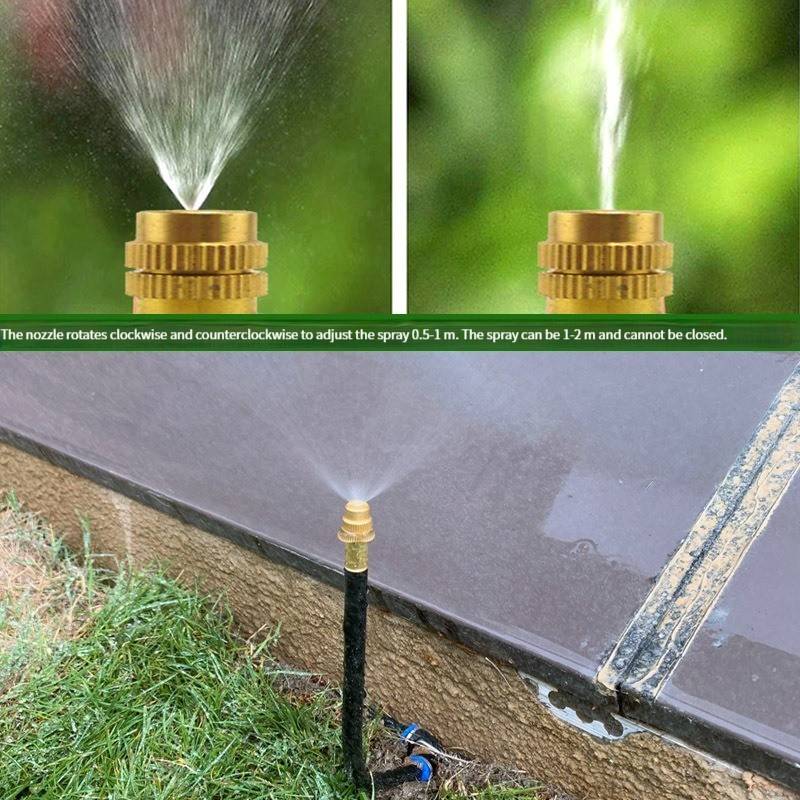
Credit: naavagreen.com
Maintenance Tips
Maintaining your garden’s arrosage system is crucial for its longevity and efficiency. Regular care ensures that your plants receive the right amount of water, preventing overwatering or underwatering. By following simple maintenance tips, you can keep your arrosage system running smoothly throughout the year.
Regular Inspections
Take time every month to inspect your system. Check for leaks or blockages in the hoses and nozzles. A friend once discovered an issue with clogged nozzles simply by observing dry patches in his garden. By catching problems early, you can prevent water wastage and ensure uniform watering.
Cleaning And Repairs
Clean your system components regularly. Dirt and debris can accumulate, reducing efficiency. Use a soft brush to clean nozzles and filters. If a part is damaged, repair it promptly. I once repaired a cracked hose with waterproof tape, saving the cost of a replacement. Quick fixes can be effective if done correctly.
Seasonal Adjustments
Adjust your system according to the seasons. In summer, plants may require more water, while winter might need less. Consider changing the watering schedule based on weather predictions. This proactive approach can save water and ensure your plants thrive.
What methods do you use to maintain your arrosage system? Share your experiences and insights in the comments below!
Water Conservation Strategies
Designing an efficient arrosage system saves water and nurtures your garden. Choose drip irrigation for targeted watering. Add timers to automate schedules, ensuring optimal moisture levels.
Water conservation is a key element in designing an arrosage system for your garden. As you plan your garden’s watering layout, it’s crucial to consider strategies that conserve water while ensuring your plants thrive. By adopting smart practices, you can reduce waste and save resources, making your garden both beautiful and sustainable.Efficient Water Use
Using water wisely starts with understanding your garden’s needs. Assess the types of plants and their specific water requirements. Group plants with similar needs together to optimize water use. Consider using drip irrigation systems that deliver water directly to the roots. This minimizes evaporation and ensures that your plants receive the necessary moisture. Mulching is another effective tactic. It helps retain soil moisture, reduces evaporation, and keeps roots cool. By applying a layer of mulch, you can significantly cut down on water usage.Rainwater Harvesting
Rainwater harvesting is a fantastic way to utilize nature’s gift. Collecting rainwater can significantly reduce your dependence on municipal water supplies. Install rain barrels or tanks under your downspouts to capture runoff. This water can be used during dry spells to maintain your garden’s health. Think about integrating a simple filtration system to ensure the rainwater is clean enough for your plants. It’s an eco-friendly step that can make a big difference.Smart Irrigation Technologies
Technology offers innovative solutions for water conservation. Smart irrigation systems can automate watering based on weather conditions and soil moisture levels. Consider installing sensors that monitor soil humidity and adjust watering schedules accordingly. This prevents over-watering and ensures plants get just the right amount of water. Using timers and programmable controllers can help manage watering times and durations, making it easier to conserve water while maintaining a lush garden. Do you often wonder if you’re over-watering your garden? These technologies can give you peace of mind and precision in watering.Frequently Asked Questions
What Is An Arrosage System?
An arrosage system refers to an irrigation setup for gardens. It ensures efficient water distribution. This system includes sprinklers, drip irrigation, and soaker hoses. Proper design helps maintain plant health and conserve water. Implementing an arrosage system can significantly enhance garden productivity.
How Do I Choose The Right Arrosage System?
To choose the right arrosage system, consider your garden size. Assess plant types and water needs. Drip irrigation suits small areas, while sprinklers cover larger spaces. Evaluate water pressure and budget. A well-chosen system ensures efficient watering and healthy plants.
What Materials Are Needed For An Arrosage System?
Materials for an arrosage system include hoses, sprinklers, and connectors. Use timers for automation. Pressure regulators and filters are essential for consistent water flow. Drip lines and emitters cater to specific plant needs. Choose durable, weather-resistant materials for longevity.
How To Maintain An Arrosage System?
Maintain your arrosage system by regularly checking for leaks. Clean filters and nozzles to prevent clogs. Adjust timers seasonally for optimal watering. Inspect hoses for wear and tear. Proper maintenance ensures efficient operation and extends the system’s lifespan.
Conclusion
Designing an arrosage system for your garden can be simple. Start with understanding your garden’s size and shape. Choose the right materials and tools. Install components carefully. Regular maintenance ensures long-lasting performance. Enjoy a lush, thriving garden. Remember to adjust the system as seasons change.
Your garden will thank you with vibrant growth. Keep learning, experimenting, and adapting. Designing an arrosage system is a rewarding experience. It brings beauty and life to your outdoor space. Happy gardening!