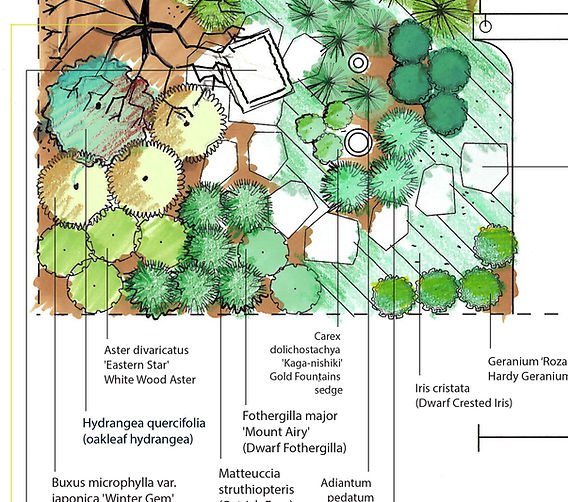
Imagine stepping into a garden that offers a soothing retreat from the harsh glare of the sun, a place where plants thrive in the gentle embrace of dappled light. This is the magic of a partial shade garden, a perfect blend of beauty and tranquility tailored just for you.
Designing such a garden might seem challenging at first, but with the right guidance, you can create an enchanting outdoor space that resonates with your personal style and needs. By understanding the nuances of light, choosing the right plants, and employing clever landscaping techniques, your garden can become a serene sanctuary that invites you to unwind and enjoy nature’s gentle touch.
Keep reading to discover simple steps and expert tips that will help transform your vision into reality, making your garden the envy of everyone who visits.
Selecting The Right Plants
Selecting the right plants ensures a thriving partial shade garden. Choose species that thrive with limited sunlight. Ferns, hostas, and astilbes are excellent options for creating lush, vibrant spaces.
Selecting the right plants for a partial shade garden is like painting a masterpiece where you blend colors and textures to create harmony. It’s all about choosing varieties that not only thrive in less sunlight but also add visual interest throughout the year. The key is understanding what works best in your specific environment. Let’s dive into some plant options that can transform your shaded area into a lush sanctuary.Shade Tolerant Varieties
Finding plants that thrive in partial shade is crucial to your garden’s success. Consider hostas, which come in a variety of sizes and colors, adding depth to your garden layout. Ferns are another excellent choice, providing a delicate texture that complements more robust foliage. Think about the interplay of colors too. Astilbes are perfect for adding a splash of pink or white, while bleeding hearts bring a whimsical touch. Do you have a favorite shade plant that you swear by? Your personal experiences can guide your choices here.Seasonal Bloomers
Planning for year-round interest means incorporating plants that bloom at different times. Consider hellebores, which offer winter blooms that can brighten up a dreary garden landscape. Spring brings opportunities with primroses and forget-me-nots, which offer a burst of color as the days grow warmer. For summer, try including hydrangeas, whose large blooms make a bold statement. Are you ready to embrace the seasonal changes in your garden?Native Plant Choices
Opting for native plants can be a game-changer. These plants are naturally adapted to your local climate and soil, making them easier to maintain. Native wild ginger is perfect for ground cover in shady areas. Mayapple and trillium can add unique beauty to your garden while supporting local ecosystems. Have you considered the ecological benefits of native plants for your garden? They not only look beautiful but also support local wildlife, creating a balanced environment. By selecting the right plants for your partial shade garden, you embrace a diverse array of textures, colors, and seasonal delights. Your garden can become a peaceful retreat, a reflection of nature’s subtle beauty.Planning Garden Layout
Designing a partial shade garden involves choosing plants that thrive with limited sunlight. Consider the sun’s path and plant trees or shrubs accordingly. Use varied foliage textures to add depth and interest.
Planning a garden layout is essential for a thriving partial shade garden. Consider the garden’s location, plant types, and visual appeal. A well-thought-out layout ensures healthy growth and an aesthetically pleasing space. Let’s explore key aspects of planning your garden layout.Assessing Light Conditions
Evaluate the light conditions in your garden area. Observe how sunlight moves throughout the day. Note areas receiving direct, dappled, or filtered light. This helps in selecting the right plants for each spot. Partial shade areas often get 3-6 hours of sunlight. Understanding these light patterns is crucial.Grouping By Water Needs
Grouping plants by water needs simplifies maintenance. Choose plants with similar moisture requirements. This ensures efficient watering and healthier plants. Consider soil drainage and moisture levels. Some plants prefer consistently moist soil. Others thrive in drier conditions. Group them accordingly for optimal care.Creating Visual Interest
Visual interest enhances the garden’s beauty. Use a mix of textures, colors, and heights. Select plants with varying leaf shapes and sizes. Incorporate flowering and foliage plants. Place taller plants at the back or center. Layer shorter plants in front. This creates depth and dimension. Paths and borders can add structure. Use contrasting colors for a striking effect.Soil Preparation Techniques
Designing a partial shade garden starts with understanding the light needs of your plants. Choose soil rich in organic matter to ensure proper drainage and nutrient retention. Regularly test the soil pH and amend it to suit specific plant preferences for optimal growth.
Designing a partial shade garden involves more than selecting the right plants. One crucial aspect that often gets overlooked is soil preparation. The quality of your soil can significantly impact your garden’s success. With the right techniques, you can ensure your plants thrive even in less sunlit conditions. Let’s explore how to prepare your soil effectively.Improving Drainage
Proper drainage is vital to prevent waterlogging, which can lead to root rot. You might notice this issue if your garden feels like a swamp after rain. To improve drainage, consider mixing organic material like compost into the soil. This not only helps with water movement but also adds nutrients. If your garden is consistently soggy, think about installing a simple drainage system or using raised beds to elevate your plants. Have you ever thought about how a small change in drainage can transform your garden’s health?Enhancing Soil Fertility
Fertile soil is the foundation of a flourishing garden. To enrich your soil, add compost or well-rotted manure, both of which are excellent sources of nutrients. You can also use a soil test kit to identify specific nutrient deficiencies and address them accordingly. Regularly amending your soil ensures your plants have access to essential nutrients. What if enhancing soil fertility was the secret to a vibrant garden?Mulching For Moisture Retention
Mulching is not just about making your garden look tidy; it’s a powerful tool for moisture retention. By spreading mulch over your soil, you reduce water evaporation, keeping the soil moist longer. This is particularly useful in partial shade gardens where sunlight is limited. Choose organic mulch like shredded bark or leaves, which will eventually decompose and enrich the soil. Have you considered how a simple layer of mulch can improve your garden’s resilience during dry spells? By focusing on these soil preparation techniques, you can create a thriving partial shade garden that flourishes despite limited sunlight.
Credit: empressofdirt.net
Watering Strategies
Designing a partial shade garden requires thoughtful watering strategies. Use drip irrigation to target plant roots directly. Choose moisture-retaining mulch to help maintain consistent soil hydration.
Watering a partial shade garden requires thoughtful strategies. These gardens need different care compared to full sun areas. The right watering plan keeps plants healthy. It also prevents issues like root rot. Here, we’ll explore smart ways to water your garden.Efficient Irrigation Systems
Using an efficient irrigation system saves water and time. Drip irrigation is ideal for partial shade gardens. It delivers water directly to the roots. This minimizes evaporation. Soaker hoses are another great option. They gently water the soil without wetting leaves. This helps reduce fungal diseases. Choose a system that suits your garden’s layout.Scheduling Watering Times
Setting the right time for watering is crucial. Early mornings are best. The soil absorbs water before the sun gets too hot. Evening watering can lead to damp leaves overnight. This may cause mold and mildew. Water your garden twice a week. Adjust based on rainfall and plant needs.Signs Of Overwatering
Too much water harms plants. Watch for yellowing leaves. They may droop or wilt. Check the soil’s moisture level. Stick your finger an inch deep into the soil. If it feels soggy, it’s overwatered. Reduce the watering frequency. Allow the soil to dry out between sessions.Pest And Disease Management
Designing a partial shade garden involves selecting pest-resistant plants and maintaining healthy soil. Regularly inspect plants for signs of disease. Use natural remedies and proper spacing to reduce pest infestations and ensure vibrant growth.
Pest and disease management is crucial for a thriving shade garden. Shade gardens attract a variety of insects and pests due to their humid environment. Proper management ensures healthy plant growth and prevents infestations. Using organic control methods helps maintain the garden’s ecological balance.Common Pests In Shade Gardens
Shade gardens often host slugs, snails, and aphids. These pests thrive in moist environments. Slugs and snails damage leaves, leaving holes and trails. Aphids suck plant sap, weakening plant health. Recognizing these pests early can prevent larger infestations.Organic Control Methods
Organic methods are safe for plants and the environment. Handpicking slugs and snails is effective in small gardens. You can use neem oil to repel aphids naturally. Diatomaceous earth can deter slugs and snails when sprinkled around plants. These methods protect plants without harmful chemicals.Preventative Measures
Preventive actions minimize pest issues before they start. Keep the garden tidy and free of debris. Debris provides hiding spots for pests. Ensure proper spacing between plants for air circulation. This reduces humidity, making it less inviting for pests. Regularly inspect plants for signs of pests or disease. Early detection allows for prompt action.
Credit: www.youtube.com
Maintenance And Care
Designing a partial shade garden involves selecting plants that thrive in low sunlight. Regular watering and mulching help retain soil moisture. Pruning ensures healthy plant growth and prevents overcrowding.
Maintaining and caring for a partial shade garden ensures its lush beauty. Regular upkeep keeps plants healthy and thriving. Attention to detail can prevent common garden problems. Below are essential maintenance practices for your garden.Pruning And Deadheading
Pruning is crucial for plant health. Remove dead or damaged branches regularly. This allows more light to reach the plant. Deadheading, or removing spent flowers, encourages more blooms. It also keeps the garden tidy. Use clean, sharp tools for best results.Seasonal Clean-up Tips
Clean your garden as seasons change. In spring, clear away winter debris. It prepares the soil for new growth. In fall, remove fallen leaves and plant debris. This reduces disease and pest risks. A clean garden also looks more appealing.Fertilization Schedules
Fertilize your garden to provide essential nutrients. Use a balanced fertilizer in early spring. It supports new growth. Fertilize again in mid-summer if needed. Follow package instructions for application rates. Avoid over-fertilizing, which can harm plants.Incorporating Hardscape Elements
Incorporate pathways and seating areas to enhance your partial shade garden. Use stones and wooden benches to create inviting spaces. These elements add structure and contrast, enhancing the natural beauty of shaded plants.
Incorporating hardscape elements into a partial shade garden adds structure and beauty. These features can define spaces, guide movement, and enhance the overall aesthetic. Hardscape elements include pathways, decorative features, and lighting. They complement the natural aspects of your garden, making it an inviting retreat.Pathway Ideas
Design pathways that weave through your garden. Use materials like gravel, stepping stones, or bricks. Gravel paths are cost-effective and easy to maintain. Stepping stones offer a natural look, blending with surrounding plants. Brick paths add a classic touch, perfect for traditional gardens. A winding path can create a sense of discovery.Decorative Features
Add decorative features to enhance your garden’s charm. Consider installing a small fountain or birdbath. These attract birds and provide soothing sounds. Statues and sculptures bring an artistic flair. Choose designs that match your garden’s theme. Wooden benches offer seating and rustic appeal. These features create focal points that draw the eye.Lighting For Ambiance
Lighting transforms your garden into a magical night escape. Solar-powered lights are eco-friendly and easy to install. Place them along pathways for safe navigation. Lanterns and string lights add warmth and charm. Consider highlighting decorative features with spotlights. Lighting enhances the garden’s beauty after sunset.
Credit: www.yahoo.com
Frequently Asked Questions
What Plants Thrive In Partial Shade Gardens?
Plants like hostas, ferns, and astilbes thrive in partial shade gardens. These plants prefer indirect sunlight and cooler temperatures. They add texture and color to your garden. Consider choosing native plants as they adapt well to local conditions.
How Do I Plan A Partial Shade Garden?
Start by assessing your garden’s sunlight exposure. Choose plants suited for partial shade. Arrange taller plants at the back and shorter ones at the front. Incorporate a variety of textures and colors for visual interest. Ensure proper spacing for air circulation and growth.
What Soil Is Best For Partial Shade Gardens?
Partial shade gardens thrive in well-draining, nutrient-rich soil. Adding organic matter, like compost, improves soil fertility and structure. Test your soil’s pH level for optimal plant growth. Aim for a slightly acidic to neutral pH range for most shade-loving plants.
How Can I Maintain A Partial Shade Garden?
Regularly water your garden to keep the soil moist, but not waterlogged. Mulch helps retain moisture and suppress weeds. Prune plants to encourage healthy growth and remove dead foliage. Fertilize annually with a balanced, slow-release fertilizer for optimal plant health.
Conclusion
Creating a partial shade garden offers beauty and versatility. With careful planning, you can enjoy vibrant plants in shaded areas. Select plants that thrive in less sunlight. Arrange them to maximize space and visual appeal. Consider soil and moisture needs for each plant.
Use mulch to retain moisture and control weeds. Regular maintenance ensures plants stay healthy and lively. Experiment with colors and textures for a unique look. Enjoy watching your garden flourish throughout the seasons. A well-designed garden can enhance any outdoor space, providing tranquility and natural charm.







