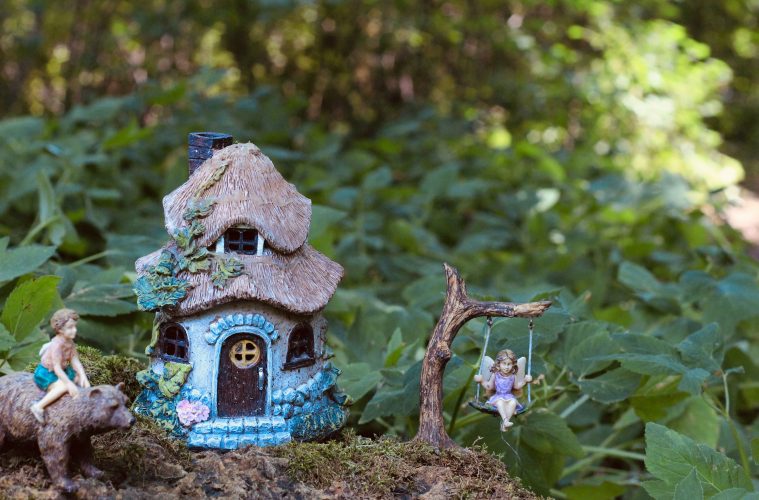
Imagine stepping into a world where magic is alive, and tiny fairies flit among vibrant blooms and sparkling streams. Designing a fairy garden is your chance to craft a miniature paradise that bursts with enchantment and wonder.
Are you ready to unlock your creativity and transform a simple patch of earth into a magical retreat? In this guide, you’ll uncover simple steps to bring your fairy garden dreams to life. Whether you’re a seasoned gardener or a curious beginner, this article is packed with tips and tricks that will inspire you to get your hands dirty and your imagination soaring.
From selecting the perfect plants to choosing whimsical decorations, every detail matters in creating an inviting haven for mystical creatures. Ready to dive into a world where your garden tells a story, captures hearts, and becomes the envy of all who see it? Keep reading, and let the magic unfold right at your fingertips.
Choosing The Right Location
Selecting a sunny spot ensures plants thrive and fairies enjoy warmth. Proximity to a path invites curious visitors. Consider the view from different angles to enhance charm and accessibility.
Choosing the right location for your fairy garden is crucial. The location sets the stage for your magical creation. It influences plant growth and the overall vibe. Whether indoors or outdoors, each option offers unique benefits.Indoor Vs. Outdoor Options
Indoor fairy gardens offer easy access. They’re protected from harsh weather. You can place them on windowsills or tables. They create an enchanting corner in your home. Outdoor gardens, on the other hand, connect with nature. They can be larger and more diverse. Outdoor gardens thrive in natural sunlight and fresh air.Sunlight And Shade Considerations
Sunlight is vital for plant health. Most fairy garden plants need bright light. Check how sunlight moves around your chosen spot. Some areas receive more shade during the day. Shade-loving plants thrive in these spots. Balance is key. Choose plants based on the light conditions. Ensure they get the right amount of light for growth.
Credit: www.facebook.com
Selecting Containers And Ground Cover
Designing a fairy garden is all about imagination and creativity. The first step involves selecting the right containers and ground cover. These components set the stage for your miniature world. Containers and ground cover can transform ordinary spaces into enchanting realms.
Creative Container Ideas
Choosing containers is an opportunity to get creative. Many household items can serve as charming bases for your fairy garden. Consider using old teacups or ceramic bowls. Their unique designs add personality to your garden. Wooden crates or baskets offer a rustic charm. They can also be easily moved or arranged. Think outside the box with broken pots. Their fragmented appearance adds texture and intrigue. Repurposing old items not only saves money but adds a story to your garden.
Choosing The Perfect Ground Cover
Ground cover is crucial for creating a realistic fairy landscape. Moss is a popular choice for its vibrant green hue. It gives a natural, forest-like feel to the garden. Pebbles or gravel can mimic pathways or streams. They provide contrast against the greenery. For a lush look, consider miniature grass plants. These mimic a real lawn on a tiny scale. Choose materials that complement your chosen fairy theme. Ensure your ground cover is easy to maintain.
Picking Plants And Flowers
Creating a fairy garden is a delightful project. Picking the right plants and flowers is key. They set the scene for your magical world. Choose wisely to make it enchanting and lively. Consider the space, climate, and fairy theme. These factors help in selecting the perfect flora.
Best Plants For Fairy Gardens
Small plants suit fairy gardens best. They provide a magical atmosphere. Consider these popular options:
- Moss:Ideal for adding a lush carpet effect. Requires shade and moisture.
- Thyme:Creeping thyme is aromatic. It blooms tiny purple flowers.
- Miniature Ferns:They add texture and depth. Great for shady spots.
- Baby Tears:Small leaves create a soft, green blanket. Needs regular watering.
- Succulents:Low maintenance and come in various shapes. Perfect for sunny areas.
Seasonal Planting Tips
Plan your fairy garden for all seasons. Choose plants that thrive year-round. This keeps the garden lively and colorful.
In spring, select flowering plants. They bring vibrant colors and life. Summer is perfect for sun-loving plants. Succulents and thyme flourish in this season.
In autumn, consider hardy plants. Miniature evergreens and ferns withstand cooler temperatures. Winter gardens need frost-resistant plants. Moss and hardy succulents are ideal choices.
Rotate plants with the changing seasons. This ensures your fairy garden remains enchanting throughout the year. Remember to check plant requirements for sunlight and water. This helps them thrive in your fairy garden.
Incorporating Fairy-sized Furniture
Incorporating Fairy-Sized Furniture Create a magical fairy garden by adding tiny chairs, tables, and beds. These miniature items invite imagination and charm. Carefully placed, they transform ordinary spaces into enchanting miniature worlds.
Designing a fairy garden is a magical experience, especially when you add fairy-sized furniture. These tiny elements bring charm and character, making the garden feel like a real home for your imaginary fairy friends. Whether you’re crafting your own pieces or buying them, the right furniture can transform your garden into a whimsical haven.Diy Fairy Furniture Ideas
Creating your own fairy furniture is a delightful way to personalize your garden. You can start with simple materials like twigs, leaves, and pebbles. A small wooden bench made from popsicle sticks or a tiny table fashioned from acorn caps can add a rustic touch. Crafting these pieces not only saves money but also allows you to bond with your garden. Try using hot glue to assemble a little chair with wire legs and a leaf seat. If you have seashells, they can make excellent fairy bathtubs or planters. Think outside the box. A bottle cap can become a miniature stool, and a walnut shell can be a cozy bed. Let your creativity guide you and involve the kids—it’s a fantastic way to spend time together.Where To Buy Fairy Accessories
If DIY isn’t your style, don’t worry. There are plenty of places to buy fairy garden accessories. Local craft stores often stock small fairy furniture, especially during the spring and summer months. Online marketplaces like Etsy offer a treasure trove of unique and handcrafted pieces. You can find everything from tiny swings to elaborate fairy houses. Garden centers sometimes have a dedicated section for fairy gardens, complete with adorable accessories. If you’re looking for something specific, such as a miniature tea set or a tiny bridge, online shops give you a wider selection. Adding fairy-sized furniture to your garden is like opening a door to another world. What will your fairies’ home look like?Adding Water Features
Creating a fairy garden with water features adds magic and tranquility. Small ponds, fountains, or streams enhance the enchanting atmosphere. These elements invite whimsical creatures and offer soothing sounds for a peaceful retreat.
Adding water features to your fairy garden can create a magical atmosphere. Water adds movement and sound, enhancing the enchantment. It can attract wildlife, making your garden lively. The gentle trickle of water soothes and calms. Let’s explore some creative ways to incorporate water features into your fairy garden.Miniature Ponds And Streams
Miniature ponds can be focal points. They reflect light beautifully, adding charm. Use small containers or basins for ponds. Streams can be made with pebbles and small pumps. They add a dynamic element, mimicking nature. Ensure the scale matches your garden’s size. This keeps the fairy garden realistic and balanced.Maintenance Tips For Water Features
Maintenance is key for lasting beauty. Clean water features regularly to prevent algae. Check pumps for blockages to keep water flowing. Add fresh water to maintain levels. Use natural cleaners to avoid harming plants. Regular upkeep ensures your fairy garden stays enchanting.Lighting For A Magical Touch
Designing a fairy garden begins with enchanting lighting. Soft, twinkling lights create a whimsical atmosphere. Arrange them around pathways and plants for a magical effect.
Lighting plays a key role in designing a fairy garden. It adds a magical touch that transforms the space into an enchanting wonderland. Thoughtful lighting can highlight features and create a mystical atmosphere. Choosing the right lights makes a significant difference. Here are some ideas to illuminate your fairy garden with charm.Using Solar Lights
Solar lights are eco-friendly and easy to install. They harness sunlight during the day, then light up at night. Place them along pathways or near fairy houses. They provide a soft, glowing effect. Solar lights are available in various shapes and sizes. You can find fairy-shaped ones for added whimsy. This lighting option requires no wiring, making setup simple.Creating Ambience With Fairy Lights
Fairy lights bring warmth and magic to your garden. They are versatile and easy to drape over plants and structures. Use them to outline garden paths or wrap around tree trunks. Battery-operated fairy lights are ideal for fairy gardens. They are safe and maintain the magical glow. Choose warm white or multicolored lights for different moods.Crafting Paths And Walkways
Creating paths and walkways in a fairy garden adds charm. These tiny trails invite exploration and enhance the garden’s magical appeal. The design and materials you choose will define the garden’s style. Let’s explore how to craft these enchanting pathways.
Materials For Miniature Paths
Choosing materials is a crucial step in designing paths. Natural materials blend well with garden themes. Consider these options:
- Small Pebbles:These offer a natural look. They mimic real-life gravel paths.
- Wood Slices:Tiny wood discs bring a rustic touch. Perfect for woodland-themed gardens.
- Colored Sand:Use sand for a soft, flowing pathway. It adds color and texture.
- Mini Bricks:These create a structured path. Ideal for formal garden designs.
- Seashells:Great for coastal-themed fairy gardens. They add a whimsical seaside feel.
Design Ideas For Walkways
Designing walkways requires creativity and imagination. Here are some ideas:
- Curved Paths:Create curves for a natural, organic feel. It draws the eye and suggests mystery.
- Stepping Stones:Arrange stones in a zigzag pattern. This design adds interest and intrigue.
- Patterned Layouts:Use bricks or tiles to form patterns. This adds elegance and complexity.
- Mixed Materials:Combine pebbles and wood for contrast. It adds depth and visual appeal.
- Bordered Paths:Line paths with miniature fences or plants. It defines the route and adds structure.
These ideas can transform your fairy garden. Choose designs that reflect your style and imagination.

Credit: www.facebook.com
Incorporating Natural Elements
Create a magical scene by adding moss, pebbles, and twigs to your fairy garden. These natural elements enhance the enchanting atmosphere, making it feel like a mystical forest.
Creating a fairy garden is a delightful way to bring a touch of whimsy and magic into your outdoor space. One of the most captivating aspects of designing a fairy garden is incorporating natural elements. These elements not only add authenticity but also enhance the enchanting feel of your miniature world. By thoughtfully selecting and placing natural items, you can create a serene and inviting habitat for your little fairy inhabitants.Rocks And Pebbles
Rocks and pebbles are essential in crafting the foundation of your fairy garden. They can define pathways, outline borders, or create miniature mountains. Imagine a tiny winding path made of smooth pebbles leading to a fairy house—doesn’t it sound charming? Use rocks to construct tiny walls or fences. A small rock arrangement can even become a fairy’s secret meeting place. Choose stones of various sizes and colors to add texture and interest. Consider the placement of your rocks. Will they represent a mountain range or form a peaceful Zen garden? The choice is yours, and each option can transform the overall aesthetic of your garden.Using Driftwood And Bark
Driftwood and bark bring a rustic and organic touch to your fairy garden. These elements can be used to craft fairy houses, bridges, or even a tiny bench for fairies to rest. The natural textures and colors of driftwood and bark blend seamlessly with the garden’s environment. Look for unique shapes and sizes. A twisted piece of driftwood might become a whimsical archway. A piece of bark could serve as a roof for a fairy dwelling. Think about the stories these elements might tell. Perhaps a piece of driftwood washed ashore carries tales of distant lands. Incorporating such pieces invites imagination and storytelling into your garden. How will you use these materials to tell your fairy garden’s story? The possibilities are as endless as your creativity.Personalizing Your Fairy Garden
Creating a fairy garden involves choosing miniature plants, whimsical accessories, and charming figures. Arrange elements in a small space to craft an enchanting scene. Personal touches, like unique decorations, bring magic to your garden.
Creating a fairy garden allows you to express creativity and imagination. Personalizing your fairy garden makes it truly unique and special. By adding personal touches, your garden will reflect your style and personality. Tailor it to the seasons for a dynamic display that changes throughout the year. With a little thought, your fairy garden will become a miniature world full of wonder and charm.Adding Personal Touches
Infuse your garden with elements that are meaningful to you. Choose miniature items that resonate with your interests. Consider tiny books if you love reading. Add small musical instruments if music is your passion. These personal touches make your fairy garden a reflection of yourself. Use decorative stones or shells collected from memorable trips. These small items tell your story and add depth to your garden. Personal touches create a connection between you and your miniature world.Incorporating Seasonal Themes
Seasonal themes keep your fairy garden fresh and exciting. In spring, add small flowers and pastel colors for a lively look. Use tiny pumpkins and leaves in autumn for a cozy feel. Winter can bring a sprinkle of faux snow and miniature festive decorations. In summer, add sunflowers and bright accessories for a vibrant vibe. Changing themes with the seasons ensures your garden stays engaging and relevant. It also provides a new experience each season for you and your visitors.Maintenance And Care
Designing a fairy garden involves imaginative planning and detailed care. Regular watering and sunlight are essential for plant health. Adding whimsical decorations like tiny furniture enhances the magical atmosphere.
Designing a fairy garden isn’t just about the initial setup; it’s a delightful ongoing journey. Regular maintenance and care ensure your miniature paradise continues to thrive and enchant. Whether you’re nurturing delicate plants or safeguarding against mischievous pests, these tasks become part of the magical experience. Imagine your fairy garden as a living storybook, where each visit reveals a new chapter of beauty and whimsy. Let’s dive into the essential care tips that will keep your fairy garden flourishing.Regular Watering And Pruning
Watering is the lifeline of your fairy garden. Frequent checks are crucial, especially during warmer months. Notice how the soil feels; dry soil means it’s time for a gentle sprinkle. Use a small watering can for precision, avoiding any fairy-sized floods that may disrupt the delicate landscape. Pruning is your secret weapon for maintaining the charm of your garden. Trim away any overgrown plants to preserve the scale and proportion. This simple task keeps your garden looking tidy and ensures that each tiny detail stands out. Picture yourself as the fairy gardener, sculpting the perfect miniature world.Protecting From Pests
Pests can be the uninvited guests in your fairy garden. Regular inspections help you stay ahead of these tiny troublemakers. Look for signs like chewed leaves or unusual plant spots. Keeping a vigilant eye allows you to act swiftly. Natural remedies are your allies in pest control. Consider using mild soap solutions or neem oil as gentle deterrents. They safeguard your garden without harming its delicate inhabitants. Remember, your goal is to preserve the magic, not disrupt it. Maintaining a fairy garden is an enchanting responsibility. Are you ready to be the guardian of your own whimsical realm?
Credit: www.youtube.com
Frequently Asked Questions
What Materials Do You Need For A Fairy Garden?
To design a fairy garden, gather miniature plants, decorative stones, and tiny fairy figurines. Use containers or outdoor spaces for your setup. Incorporate moss, bark, and small accessories to enhance the magical feel. Consider the garden’s theme and size when selecting materials.
How Can You Choose A Fairy Garden Theme?
Select a theme based on your interests or seasonal inspirations. Popular themes include woodland, beach, or mystical settings. Use colors and accessories that reflect your chosen theme. Personalize the garden with unique elements like mini furniture or fairy houses for added charm.
Where Should You Place Your Fairy Garden?
Place your fairy garden in a location with adequate sunlight for the plants. Choose areas like patios, balconies, or shaded corners of your yard. Ensure the spot is visible for easy enjoyment. Consider accessibility for maintenance and protection from harsh weather conditions.
How Do You Maintain A Fairy Garden?
Maintain your fairy garden by regularly watering and pruning the plants. Clean accessories to prevent dirt buildup. Check for pests and address issues promptly. Rotate the garden for even sunlight exposure. Refresh decorations seasonally to keep the garden vibrant and enchanting.
Conclusion
Creating a fairy garden sparks joy and creativity. It’s a magical escape. Start small, and expand as you wish. Use natural elements like stones and plants. Add fairy figurines for charm. Remember, there’s no right or wrong way. Let your imagination lead the design.
Enjoy the process and have fun. Share your garden with friends or family. They might want to join the fun too. Fairy gardens bring peace and happiness. A perfect project for all ages. So, dive in and create your enchanted world today.