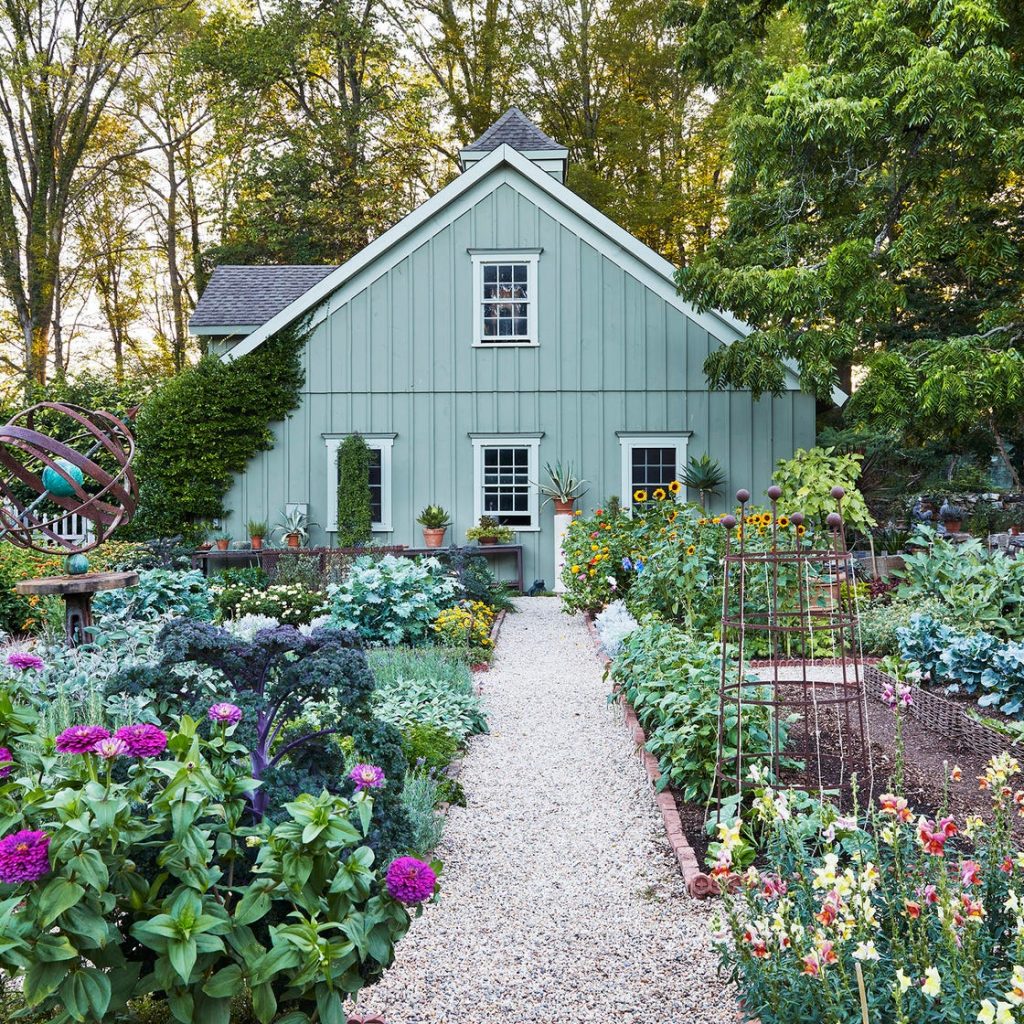
Imagine stepping into your backyard and being greeted by the delightful sight of a potager vegetable garden—a charming blend of beauty and functionality. This garden isn’t just a feast for the eyes; it’s a source of fresh, delicious produce right at your fingertips.
You might be wondering, how can you create such a picturesque yet practical oasis? The answer lies in the art of designing a potager garden. With its roots in French tradition, a potager combines edible plants with flowers and herbs, creating an enchanting tapestry of colors and scents.
As you explore the secrets of this garden design, you’ll discover how it can transform your outdoor space into a personal haven. Ready to unlock the potential of your garden and make it both stunning and productive? Let’s dive into the essentials of crafting your own potager paradise.
Planning The Space
Designing a potager vegetable garden involves careful planning of space for beauty and productivity. Combine flowers and vegetables for a vibrant look. Consider paths, plant heights, and color schemes to create an inviting and functional garden.
Designing a potager vegetable garden is a delightful blend of creativity and practicality. Planning the space effectively ensures your garden is not only visually appealing but also highly productive. Each decision you make in this phase can significantly impact your garden’s success and enjoyment.Choosing The Right Location
The location of your potager garden is crucial. Look for a spot that receives ample sunlight, ideally six to eight hours a day. Vegetables thrive in sunlight, and a sunny location will boost your harvest. Consider access to water. Position your garden near a water source to simplify irrigation. This can save you time and effort, ensuring your plants stay hydrated. Finally, evaluate the soil quality. Ensure the soil is well-drained and nutrient-rich. If needed, enhance it with compost or organic matter. A fertile ground sets a strong foundation for your garden’s growth.Designing The Layout
Think creatively when designing the layout. Mix aesthetics with functionality by incorporating geometric patterns or symmetrical designs. These patterns can elevate the look of your garden. Use raised beds or containers to define spaces and improve soil management. These structures can also prevent soil compaction and help with pest control. Create pathways for easy access to plants. Well-planned paths allow you to navigate the garden without disturbing your crops. This is especially helpful during harvesting or maintenance. Engage with the process by visualizing your garden’s final look. What unique features can you add to make it yours?Selecting Vegetables And Herbs
Choosing the right vegetables and herbs brings life to a potager garden. Consider seasonal varieties that thrive together. Mix colorful and aromatic plants for both beauty and functionality.
Selecting the right vegetables and herbs for your potager garden is crucial. This decision impacts the garden’s productivity, aesthetics, and overall health. A potager garden combines beauty with functionality, offering fresh produce and a visually pleasing design. Start by choosing plants that suit your climate and taste preferences. Think about the space available and the growing conditions each plant requires.Seasonal Considerations
Some vegetables thrive in cooler weather, while others prefer warmth. Consider planting leafy greens like spinach and lettuce in spring and fall. These crops enjoy cooler temperatures. Tomatoes and peppers flourish in summer, basking in the sun’s warmth. Plan your planting schedule based on the seasons. This ensures continuous harvests and maintains garden vitality.Companion Planting
Certain plants grow better together, benefiting from each other’s presence. For example, tomatoes pair well with basil, enhancing flavor and deterring pests. Beans and corn complement each other, with beans fixing nitrogen in the soil. Carrots and onions make excellent partners, as onions repel carrot flies. Use companion planting to maximize growth and health. It boosts yields naturally without chemicals.Incorporating Aesthetic Elements
Designing a potager vegetable garden blends beauty with functionality. Arrange plants in patterns to create visual interest. Add decorative elements like pathways or borders to enhance the garden’s charm.
Incorporating aesthetic elements into your potager vegetable garden enhances its appeal. A well-designed garden should delight the senses and provide nourishment. Blending beauty with utility creates a space that’s both productive and visually pleasing. Let’s explore how to make your potager garden a feast for the eyes.Mixing Flowers With Vegetables
Combining flowers and vegetables adds color and fragrance to your garden. Flowers attract beneficial insects and pollinators, boosting vegetable growth. Consider planting marigolds, nasturtiums, or calendulas alongside your veggies. These flowers deter pests and enhance the garden’s beauty. Choose complementary colors to create harmony in your garden layout.Creating Visual Balance
A visually balanced garden feels more inviting and organized. Alternate tall and short plants for a layered look. Use pathways to divide sections and guide the eye. Symmetrical designs can create a sense of order and calm. Balance bold, bright flowers with lush green foliage. Group plants in odd numbers to maintain a natural appearance.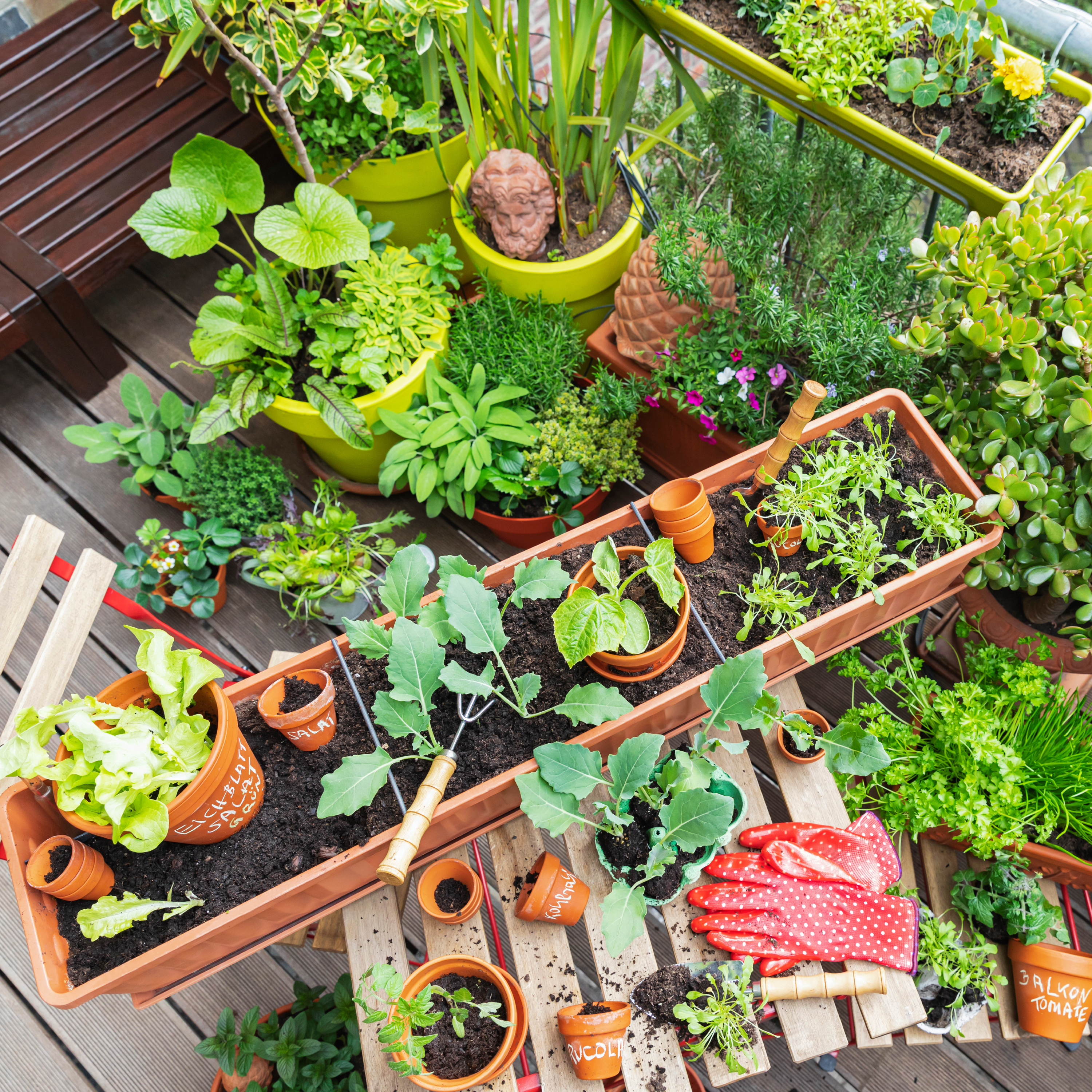
Credit: www.gardeningknowhow.com
Building And Preparing Beds
Designing a potager vegetable garden involves creating beautiful, functional beds. Arrange them for easy access and efficient growth. Use rich soil and proper spacing to ensure healthy plants.
Designing a potager vegetable garden is a delightful venture that combines aesthetics with functionality. One of the crucial steps in this journey is building and preparing the beds where your vegetables will thrive. Whether you choose raised beds or in-ground beds, it’s essential to consider the advantages each option brings to your garden. Preparing the soil effectively can make all the difference in the success of your potager garden.Raised Vs. In-ground Beds
Raised beds offer several benefits, including improved drainage and easier access for planting and harvesting. They can be made from wood, stone, or recycled materials, allowing you to get creative with design. Imagine walking into your garden and feeling the satisfaction of neat, elevated rows ready to nurture your plants. On the other hand, in-ground beds provide a more natural look and can be less expensive to establish. They blend seamlessly with the landscape, creating a rustic charm. However, they may require more effort in soil preparation and maintenance. How will you decide which type best suits your garden vision?Soil Preparation Techniques
Proper soil preparation is the backbone of a flourishing vegetable garden. Begin by testing your soil’s pH and nutrient levels; this helps you understand its current state and what amendments are needed. Adding organic matter like compost or aged manure can enrich the soil, enhancing its structure and fertility. Consider double-digging for in-ground beds to loosen the soil deeply, promoting root growth and water drainage. Raised beds benefit from a mix of topsoil, compost, and other amendments layered to create a nutrient-rich environment. What secrets will your soil reveal when you give it the attention it deserves? With each spade turned, you’re one step closer to a thriving potager garden.Implementing Sustainable Practices
Designing a potager vegetable garden involves integrating beauty with function. Choose companion plants to naturally deter pests. Use organic compost to enrich the soil and promote healthy growth.
Implementing sustainable practices in your potager vegetable garden isn’t just good for the environment—it’s a rewarding way to connect more deeply with your garden. By making thoughtful choices, you can reduce waste, conserve resources, and create a thriving ecosystem. Let’s dive into some practical strategies that can make your garden both productive and eco-friendly.Composting And Mulching
Composting is a simple yet effective way to recycle kitchen scraps and garden waste into rich soil. Start a compost bin or pile in a corner of your garden. Add vegetable peelings, fruit scraps, coffee grounds, and garden clippings. Turn the compost regularly to speed up the decomposition process. In a few months, you’ll have nutrient-rich compost to nourish your plants. Mulching complements composting by retaining soil moisture and suppressing weeds. Use organic materials like straw, leaves, or wood chips to cover the soil around your plants.Water Conservation Methods
Water is precious, and conserving it in your garden is crucial. Consider installing a drip irrigation system to deliver water directly to the roots of your plants. This method reduces evaporation and ensures your plants get just the right amount of moisture. Rainwater harvesting is another excellent way to conserve water. Set up barrels or containers to collect rainwater from your roof. Use this free resource to water your garden during dry spells. Additionally, time your watering for early morning or late afternoon to minimize evaporation and maximize absorption. By adopting these sustainable practices, you’re not only creating a healthier garden but also contributing to a healthier planet. What steps will you take today to make your potager garden more sustainable?
Credit: www.youtube.com
Maintaining The Garden
Design a potager vegetable garden by blending beauty with function. Incorporate raised beds for easy access and organization. Mix flowers with vegetables for a colorful, productive space.
Maintaining a potager vegetable garden ensures its beauty and productivity. Regular care keeps plants healthy and yields abundant harvests. Focus on essential tasks to nurture your garden’s growth.Seasonal Care Routines
Each season brings unique tasks for your garden. In spring, prepare soil and plant seedlings. Summer requires regular watering and weeding. Autumn involves harvesting and soil enrichment. Winter is for planning and protecting plants from frost.Pest And Disease Management
Pests and diseases can harm your garden. Inspect plants regularly for signs of trouble. Use natural pest repellents and companion planting. Remove diseased plants to prevent spread. Keep your garden clean to reduce pest habitats.Harvesting And Rotating Crops
Design a potager vegetable garden by rotating crops to maintain soil health. Harvesting at peak ripeness ensures maximum flavor and nutrients.
Designing a potager vegetable garden is a delightful mix of aesthetics and functionality. To maintain its vibrancy and productivity, harvesting and rotating crops are crucial. These practices ensure that your garden remains healthy and continues to yield fresh produce throughout the seasons. With a bit of planning and attention, you can maximize your garden’s potential. Let’s explore the essential aspects of timing your harvest and rotating crops effectively.Timing The Harvest
Knowing when to pick your produce is key to enjoying the freshest flavors. Vegetables have peak times when they are most tender and nutritious. Picking them at the right moment can make a world of difference. Keep an eye on color and size. These are often good indicators that your veggies are ready. For instance, tomatoes should be fully colored, and zucchini is best when small and firm. Don’t forget that morning is the best time to harvest. The cool temperatures help preserve flavor and prevent wilting. So, grab your basket and enjoy the serene morning air as you gather your bounty.Crop Rotation Strategies
Rotating your crops is not just for large farms; it’s vital for your potager too. This practice prevents soil depletion and helps control pests and diseases. By changing plant locations, you ensure that no single plant family overuses the soil’s nutrients. A simple way to rotate is to group plants into families. For example, rotate nightshades like tomatoes and peppers with legumes like beans. This switch enriches the soil, as legumes add nitrogen. Keep a garden journal. Note what you plant and where. This helps you plan future rotations and maintain a balanced ecosystem. Plus, it’s a fun way to track your garden’s journey. By focusing on the timing of your harvest and implementing crop rotation strategies, you set the stage for a thriving potager garden. What strategies do you find most effective in your garden’s growth? Share your experiences and keep the conversation growing.
Credit: www.veranda.com
Adding Personal Touches
Bring charm to your potager garden by incorporating personal touches like hand-painted signs or colorful plant markers. Use unique containers or vintage items to add character and style. Personal touches create a warm, inviting atmosphere, enhancing the beauty of your vegetable garden.
Adding a personal touch to your potager vegetable garden can transform it from a simple planting space into a delightful extension of your home. By weaving in elements that reflect your personality and style, your garden becomes a cherished retreat. Whether it’s through decorative structures or your choice of plants, these personalized features can make your potager truly unique.Decorative Structures And Features
Imagine walking through an archway entwined with fragrant climbing roses as you enter your garden. Adding decorative structures such as trellises, pergolas, or arches can serve both form and function. They not only provide support for climbing plants but also create visual interest and depth in your garden. Consider installing a small fountain or birdbath. The soothing sound of water can enhance the ambiance, attracting birds and butterflies, adding life to your garden. You might also add a quaint bench or a set of vintage garden chairs to create a cozy nook for relaxation.Personalized Plant Choices
Your plant choices can say a lot about you. Perhaps you have a passion for heirloom tomatoes, or maybe you dream of a fragrant herb garden filled with lavender and rosemary. Choosing plants that you love and that reflect your culinary tastes can make your potager feel more personal and rewarding. Think about the colors and textures you are drawn to. Do you favor the deep green of kale or the bright hues of marigolds and nasturtiums? Selecting a mix of vegetables, herbs, and flowers that speak to your aesthetic preferences can create a more enjoyable gardening experience. Personal touches in a potager garden are not just about aesthetics. They’re about creating a space that resonates with you on a deeper level. What elements will you add to make your potager a personal paradise?Frequently Asked Questions
What Is A Potager Vegetable Garden?
A potager garden is a beautifully designed kitchen garden. It combines vegetables, herbs, and flowers for both aesthetics and functionality. Originating from France, it’s meant to be visually appealing while providing fresh produce. This garden type allows for creative layouts and diverse plant combinations, enhancing both garden beauty and productivity.
How Do I Start Designing A Potager Garden?
Start by planning your garden layout, considering sunlight and space. Choose a mix of vegetables, herbs, and flowers. Use raised beds or borders for structure. Incorporate pathways for easy access and maintenance. Ensure companion planting for better growth. Your garden should be both visually appealing and practical for harvesting.
What Are The Best Plants For A Potager Garden?
Select plants that are both edible and decorative. Popular choices include tomatoes, basil, marigolds, and lavender. Mix vegetables like lettuce and kale with colorful flowers such as nasturtiums. Herbs like parsley and thyme add fragrance and flavor. Choose plants that thrive in your climate for a successful garden.
How Often Should I Water A Potager Garden?
Watering depends on your climate and plant needs. Generally, water deeply once or twice a week. Ensure soil is moist but not waterlogged. Morning watering is best to reduce evaporation. Adjust frequency during hot or rainy seasons. Consistent watering helps plants thrive and produce abundantly.
Conclusion
Creating a potager garden blends beauty with function. It’s art and productivity. With thoughtful planning, your garden flourishes. Choose plants wisely. Consider colors and textures. Arrange them harmoniously. Paths invite exploration. Containers add charm and variety. Seasonal changes keep it fresh.
Enjoy the harvest of your hard work. Fresh vegetables and herbs. Right from your backyard. Gardening connects us to nature. Simple pleasures await in every corner. Start small, then expand. Your potager evolves with time. Celebrate each season’s bounty. Let your garden be your sanctuary.
A peaceful retreat. A source of pride.







