Imagine biting into a juicy, sun-ripened strawberry right from your garden. The taste is a burst of sweetness that store-bought berries can never quite match.
If you’ve ever dreamed of growing strawberries, knowing exactly where to plant them can make all the difference in your harvest. You might be wondering if your garden has what it takes to nurture these delicious fruits. The good news is, with the right spot, your strawberries can thrive and yield a bountiful crop.
In this guide, you’ll discover the secrets to selecting the perfect location in your garden to plant strawberries, ensuring they flourish and reward you with their delectable taste. Keep reading to unlock the simple tips that will transform your garden into a strawberry haven.

Credit: savvygardening.com
Sunny Locations
Strawberries thrive in sunny locations. They need full sun for the best growth. A sunny spot ensures sweet, juicy berries. Sunlight helps them produce more fruit. Aim for at least six hours of direct sunlight daily. More sun means healthier plants and tastier strawberries.
Why Sunlight Is Essential For Strawberries
Sunlight powers photosynthesis. This process fuels growth in strawberry plants. Without enough sun, berries may be small and sour. Sunlight also helps prevent diseases. It dries leaves quickly after rain, reducing mold risk.
Choosing The Right Garden Spot
Pick a south-facing area for planting. These spots get the most sun. Avoid shaded areas by trees or buildings. Ensure the soil drains well to prevent root rot. Good drainage keeps plants healthy and productive.
Preparing The Soil For Planting
Loosen the soil with a garden fork. Remove rocks and debris. Add compost to enrich the soil. Strawberries need nutrient-rich soil for best results. The soil should be slightly acidic with a pH of 5.5 to 6.5.
Spacing And Planting Tips
Space plants 12 to 18 inches apart. This allows enough room to grow. Proper spacing ensures good air circulation. It reduces disease risk and improves fruit quality. Plant in rows or mounds for better drainage.
Soil Requirements
Strawberries thrive in well-drained soil rich in organic matter. Ensure the soil is slightly acidic, with a pH between 5. 5 and 6. 8. Proper sunlight exposure and moisture levels are crucial for optimal growth.
Strawberries are delightful fruits that can add vibrant color and fresh flavor to your garden. To grow juicy and sweet strawberries, you must pay attention to their soil requirements. The right soil conditions can make all the difference in the health and yield of your strawberry plants.Soil Composition
Strawberries thrive in well-draining soil rich in organic matter. Sandy loam is often ideal, as it provides good drainage while retaining enough moisture. Consider adding compost or well-rotted manure to enhance the soil’s nutrient content.Soil Ph Level
Did you know that strawberries prefer slightly acidic soil? Aim for a pH level between 5.5 and 6.8. You can test your soil’s pH using a simple test kit from a garden center. Adjusting the pH with lime or sulfur can optimize conditions for your plants.Moisture Retention
While drainage is crucial, strawberries also need consistent moisture. Using mulch can help retain moisture and keep the roots cool. It’s a simple trick that can lead to plumper, tastier berries.Fertility And Nutrients
Strawberries are hungry plants. They benefit from a balanced fertilizer during their growing season. Look for one that’s high in potassium and phosphorus to encourage fruit development. But be cautious with nitrogen-heavy fertilizers, as they can lead to leafy growth rather than fruit.Personal Experience
I once tried planting strawberries in a clay-rich soil, thinking it would be fine. The results were lackluster until I amended the soil with sand and compost. The transformation was evident, and my strawberries flourished, proving the importance of the right soil mix. Are you ready to dig into the soil and create the perfect bed for your strawberries?Raised Beds Benefits
Raised beds offer excellent drainage for strawberries, preventing root rot and promoting healthy growth. These beds warm up faster, extending the growing season. They also provide easier access for planting, harvesting, and maintenance.
Planting strawberries in raised beds offers many benefits. Raised beds help manage soil quality and improve drainage. This is crucial for healthy strawberry growth. They also warm up quicker in spring, offering a longer growing season. Additionally, raised beds can reduce pest issues by elevating the plants. This setup also makes harvesting easier and more comfortable.Improved Soil Quality
Raised beds allow you to control soil composition. You can mix the best soil for strawberry plants. This ensures the plants get the nutrients they need. Rich soil promotes better growth and fruit production.Better Drainage
Strawberries dislike soggy roots. Raised beds enhance drainage, preventing root rot. This keeps plants healthy and productive. It also reduces the risk of diseases.Extended Growing Season
Raised beds warm up faster in the spring. This means you can plant earlier. An extended season offers more time for strawberries to grow. You may enjoy a larger harvest.Pest Control
Elevated beds can help keep pests away. Many insects struggle to reach plants in raised beds. This natural barrier helps protect your strawberries.Ease Of Maintenance
Caring for strawberries in raised beds is simpler. You can reach plants easily without bending over. This makes weeding and harvesting less tiring. Raised beds offer a neat and tidy garden look.Weed Management
Raised beds can limit weed growth. You can use barriers to prevent weeds from spreading. Less competition means strawberries grow stronger.Optimized Space
Use raised beds to make the most of your garden area. You can plant strawberries closer together. This maximizes yield in limited space. Raised beds are ideal for small gardens.Proximity To Water Source
Plant strawberries near a water source for easy irrigation. Consistent moisture helps growth and yields better fruit. Ensure the area has good drainage to prevent waterlogging.
Planting strawberries in your garden can be a delightful and rewarding experience. However, ensuring they thrive depends significantly on their proximity to a water source. Strawberries require consistent moisture, especially during their growing season. If they do not receive adequate water, they may not produce the juicy, sweet berries you anticipate. Strategically placing your strawberry plants near a reliable water source will make it easier to maintain the necessary moisture levels, ensuring your plants remain healthy and productive.Convenience Of Watering
When your strawberries are near a water source, watering becomes less of a chore. You can easily monitor their hydration needs and adjust accordingly. Imagine not having to drag a hose across your yard or fill up watering cans repeatedly.Consistency In Water Supply
Consistent watering is crucial for strawberries, especially during dry spells. If your plants are near a water source, you’ll be more likely to water them regularly. This consistency helps in preventing issues like fruit splitting or plant wilting.Preventing Over-watering
Having a water source nearby also helps in preventing over-watering. You can provide just the right amount without the risk of waterlogging. Over-watering can lead to root rot, which is detrimental to strawberry plants.Flexibility In Irrigation Methods
Being close to a water source offers flexibility in choosing irrigation methods. Whether you prefer drip irrigation, soaker hoses, or traditional watering cans, you can easily switch up your methods. This flexibility can be handy during different weather conditions or growth stages.Saving Time And Effort
With easy access to water, you save time and energy. You can spend more time enjoying your garden rather than managing complex watering routines. A nearby water source simplifies your gardening tasks, making the experience more enjoyable. In your strawberry planting journey, consider the location of your water source carefully. This small decision can make a significant difference in the health and productivity of your plants. Have you ever found yourself wishing your plants were closer to water? Now is your chance to make that a reality!Avoiding Frost Prone Areas
Select garden spots that are less likely to experience frost. Choose elevated areas that have good air circulation. Avoid low-lying areas where cold air tends to settle.
Planting strawberries in the right spot is crucial for their growth. Frost can damage tender strawberry plants. Choosing the right location helps them thrive. Avoiding frost-prone areas ensures healthier plants and better yields. Let’s explore how to protect your strawberries from frost.Understanding Frost-prone Areas
Frost-prone areas are low-lying or open spaces. Cold air settles there easily. Avoid these spots for planting strawberries. Elevate your garden bed or choose a location with slight slopes. This helps cold air flow away, keeping plants warmer.Choosing The Right Garden Spot
Select a garden spot that gets plenty of sunlight. Morning sun is ideal. It helps dry dew on leaves, reducing frost risk. Ensure the area has good air circulation. This prevents cold air from lingering.Using Natural Barriers
Natural barriers can shield plants from frost. Plant near walls or hedges that block cold winds. These structures provide warmth and protection. They act as a buffer against freezing temperatures.Elevating Strawberry Beds
Elevated beds offer better frost protection. They keep plants away from cold ground. Use raised beds or containers for planting strawberries. This helps maintain a consistent temperature. It also improves drainage, which is essential for strawberries.Mulching For Added Protection
Mulch helps insulate strawberry plants. It retains heat and moisture in the soil. Spread straw or pine needles around the plants. This layer reduces frost impact and keeps roots warm. Mulching is a simple yet effective method to protect strawberries.Companion Planting
Plant strawberries near plants like lettuce, spinach, and beans. These companions help strawberries grow better. Avoid planting them near cabbage or broccoli, as they compete for nutrients.
Companion planting can enhance the growth of strawberries. It involves planting strawberries alongside other plants. This practice can improve soil health, deter pests, and boost yield. Choosing the right companions is crucial for a thriving strawberry patch. Some plants can complement strawberries, while others may hinder their growth.Compatible Plants
Strawberries thrive with certain companion plants. Marigolds are excellent companions. They repel harmful pests. Plant them around the strawberry patch. Garlic and onions also benefit strawberries. They deter insects and improve soil conditions. Lettuce grows well with strawberries. It provides ground cover, retaining soil moisture. Spinach and bush beans are other great options. They offer nutrients and shade, enhancing strawberry growth.Plants To Avoid
Not all plants are suitable companions for strawberries. Avoid planting strawberries near cabbage. Cabbage can stunt strawberry growth. Fennel is another plant to avoid. It may hinder strawberry development. Keep strawberries away from potatoes. Potatoes can spread diseases to strawberries. Tomatoes are also not ideal companions. They compete for nutrients, affecting strawberry yield.Spacing Considerations
Plant strawberries in well-drained soil with full sun exposure. Ensure enough space for airflow to prevent diseases. Keep plants 18 inches apart for healthy growth and abundant yield.
Spacing considerations are crucial for a thriving strawberry garden. Proper spacing ensures healthy growth and abundant fruit production. It prevents overcrowding, reduces disease risk, and allows each plant to access nutrients. Let’s explore the important aspects of spacing your strawberries.Plant Distance
Strawberries need space to grow well. Space each plant 12 to 18 inches apart. This gives them room to spread and develop strong roots. Proper spacing also helps sunlight reach all parts of the plant.Row Spacing
Rows should be spaced 2 to 3 feet apart. This spacing allows air to circulate freely between plants. Good air circulation reduces humidity and lowers the chance of fungal diseases.Runner Management
Strawberries produce runners that spread. Train runners to stay within designated rows. This helps maintain organized spacing and prevents plants from competing for resources.Mulching Benefits
Mulching around strawberries aids spacing. It suppresses weed growth and keeps soil moisture levels consistent. Mulch also protects plant roots from extreme temperatures.Garden Layout
Consider your garden’s layout for optimal spacing. Plan paths between rows for easy access. This makes harvesting and maintenance simpler, keeping plants healthy and productive.
Credit: www.aucklandforkids.co.nz
Pest Control Measures
Plant strawberries in a sunny spot with well-drained soil to deter pests. Avoid areas with high moisture to prevent mold and rot. Use mulch to keep berries clean and discourage insects.
Planting strawberries in the garden can be rewarding. Yet, pests often pose challenges. Adopting effective pest control measures ensures a healthy crop. Here, we explore practical strategies to protect your strawberries.Use Of Natural Predators
Encourage beneficial insects like ladybugs and lacewings. They feed on harmful pests. Introduce these insects into your garden. They naturally control aphids and mites. Plant garlic or onions near strawberries. Their strong scent deters pests. Marigolds also work well. They repel nematodes and attract helpful insects.Physical Barriers
Install row covers or netting over strawberry plants. These barriers keep birds and insects away. Ensure the covers are secure. This method protects without chemicals.Regular Monitoring
Inspect plants weekly for signs of pests. Early detection is key. Remove affected leaves or berries promptly. This prevents further infestation.Organic Sprays
Use neem oil or insecticidal soap. These sprays are safe for strawberries. Apply them early in the morning. Avoid spraying during midday heat.Maintaining Cleanliness
Keep the garden free of debris. Debris attracts pests and diseases. Remove fallen leaves and fruit regularly. This practice ensures a healthier environment. By implementing these measures, your strawberries can thrive pest-free.Using Containers
Using Containers Plant strawberries in containers to save space and control soil quality. Place them in a sunny spot, ensuring good drainage for healthy growth.
Strawberries grow well in containers. This method is ideal for small spaces. You can place them on patios, balconies, or even windowsills. Containers offer flexibility and control over soil quality. They make it easy to move plants for optimal sunlight. Below are some tips for growing strawberries in containers.Choosing The Right Container
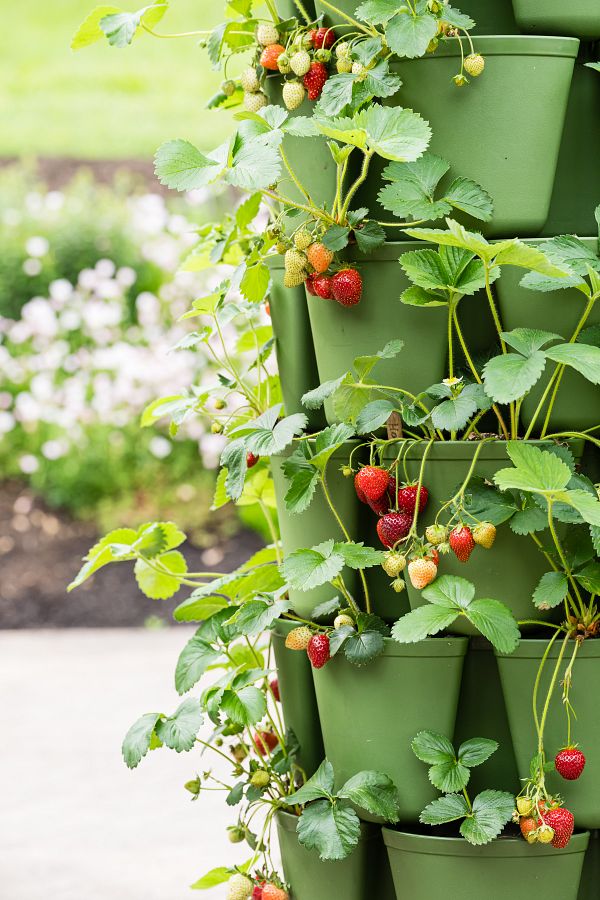
Select a pot with good drainage holes. Strawberries need well-drained soil. A pot around 12 inches deep works well. This size gives room for roots to spread. Hanging baskets or vertical planters are also great options.Soil Preparation
Use quality potting mix for containers. The mix should be rich in organic material. It must hold moisture but also drain well. Adding compost can enhance nutrients in the soil. Avoid garden soil; it compacts easily in pots.Planting Strawberries
Plant strawberries so roots are covered and crowns are above soil. Space them 12 inches apart for airflow. Water thoroughly after planting. Ensure soil is moist but not soggy.Sunlight And Water Needs
Place containers in sunny spots. Strawberries need at least six hours of sunlight daily. Water consistently to keep soil moist. Use a drip tray to catch excess water.Feeding And Maintenance
Feed plants every four weeks with balanced fertilizer. Trim runners to focus energy on fruit production. Remove dead leaves to prevent disease. Regular care ensures healthy growth and sweet berries.
Credit: www.youtube.com
Frequently Asked Questions
What Soil Is Best For Strawberries?
Strawberries thrive in well-drained, sandy loam soil. Ensure the soil is rich in organic matter for optimal growth. A slightly acidic pH between 5. 5 and 6. 8 is ideal. Avoid clay-heavy soils as they retain water, potentially leading to root rot.
Regularly amend soil with compost to maintain fertility.
How Much Sunlight Do Strawberries Need?
Strawberries need full sun exposure for at least six hours daily. Sunlight encourages healthy growth and maximizes fruit yield. Avoid shaded areas as they stunt growth and reduce fruit production. Planting in a sunny spot ensures the berries ripen sweet and juicy.
Can Strawberries Grow In Containers?
Yes, strawberries grow well in containers. Choose containers with good drainage to prevent waterlogging. Use high-quality potting mix rich in organic matter. Ensure they receive ample sunlight, similar to ground planting. Container gardening is ideal for limited space and easy maintenance.
When Is The Best Time To Plant Strawberries?
The best time to plant strawberries is early spring. Planting after the last frost ensures they establish before summer. Fall planting is also possible in mild climates. Timing is crucial for root development and optimal fruit production.
Conclusion
Strawberries thrive with the right spot in your garden. Choose a sunny area with good soil drainage. Avoid crowded spaces; strawberries need room. Consider raised beds for better growth and less pests. Regular watering helps them flourish. Mulch keeps moisture and reduces weeds.
Watch for pests; they can damage plants. With care, your strawberries will grow healthy. Enjoy sweet, juicy fruits in summer. Share with family and friends. Gardening adds joy to life. Try it; see the rewards. Your garden will be a source of pride and tasty treats.