Imagine transforming a patch of your yard into a vibrant, eco-friendly oasis that not only looks stunning but also helps the environment. That’s exactly what a rain garden can do for you.
By learning how to design a rain garden, you’re stepping into a world where beauty meets sustainability. This isn’t just about planting a few flowers; it’s about creating a dynamic ecosystem that manages rainwater and supports local wildlife. You might think it’s complicated, but it’s actually simpler than you imagine.
This guide will walk you through everything you need to know, empowering you to create a rain garden that’s both functional and aesthetically pleasing. Ready to explore how you can make your garden thrive with life and purpose? Let’s dive in!
What Is A Rain Garden?
Imagine transforming your yard into a sustainable oasis that not only looks stunning but also helps the environment. A rain garden does exactly that. It’s a smart, eco-friendly solution that effectively manages stormwater runoff. But what is a rain garden, and why should you consider designing one?
A rain garden is a planted depression or a hole designed to absorb rainwater runoff from impervious surfaces like roofs, driveways, and sidewalks. Unlike a traditional garden, it is specifically engineered to capture and filter rainwater, reducing the burden on stormwater systems and minimizing flooding risks.
Rain gardens are typically filled with native plants and shrubs, chosen for their ability to thrive in wet conditions. This creates a beautiful, low-maintenance landscape feature that supports local biodiversity. Curious about how this works?
- Water Management:Rain gardens help manage excess rainwater, preventing soil erosion and water pollution.
- Wildlife Habitat:They provide a habitat for birds, butterflies, and beneficial insects.
- Cost-effective:Rain gardens can reduce the need for irrigation, saving you money on water bills.
Planning Your Rain Garden
Start by selecting a location that naturally collects water. This could be a low spot in your yard or an area near a downspout. Consider the garden’s size; it should be large enough to manage the runoff from your roof and other surfaces.
Choose native plants that are suited to both wet and dry conditions. These plants will help filter pollutants from the water and provide aesthetic appeal. A rain garden is not just functional; it’s a beautiful addition to your landscape.
Personal Experience
When I designed my rain garden, I was amazed by the transformation. The area that was once a muddy mess became a vibrant garden filled with colorful blooms and buzzing bees. Watching the garden soak up rainwater while providing a haven for local wildlife made me appreciate the small but meaningful impact it had on my environment.
Are you ready to make a difference in your yard and the environment? A rain garden might be your next big project. It’s a small step with a significant positive impact.
Credit: www.familyhandyman.com
Benefits Of Rain Gardens
Designing a rain garden helps manage stormwater and reduce pollution. It supports native plants and attracts wildlife, creating a beautiful landscape. Rain gardens also prevent flooding and improve water quality by filtering runoff.
Designing a rain garden can transform your landscape into an eco-friendly oasis with numerous benefits. By harnessing the power of nature, you can create a space that not only looks beautiful but also serves a greater purpose. Imagine a garden that absorbs rainfall, reduces pollution, and enhances biodiversity—all while adding charm to your property.Environmental Impact
Rain gardens are a natural solution to urban runoff. They help filter pollutants from rainwater before it reaches waterways. This means cleaner rivers and lakes in your community. You also support local wildlife by creating a habitat with native plants. Isn’t it amazing how a simple garden can contribute to a healthier planet?Aesthetic Appeal
Who says functional can’t be beautiful? Rain gardens offer a stunning visual appeal with their diverse plant selections. Picture vibrant flowers and lush greenery that change with the seasons. It’s like having a personal nature reserve right in your backyard. You can design it to be a focal point or blend it seamlessly with your existing landscape. How will you express your style through a rain garden?Water Conservation
Water conservation is a critical issue, and rain gardens play a vital role. They are designed to capture and absorb rainwater, reducing the need for irrigation. This means lower water bills and less strain on municipal water systems. Consider how much water you can save by redirecting rainwater into a garden. Isn’t it satisfying knowing you’re contributing to sustainable practices right in your own yard? Rain gardens are more than just a trend; they’re a practical and beautiful way to make a positive impact. Whether you’re passionate about the environment or simply want to enhance your garden, the benefits are undeniable. Are you ready to explore the possibilities of designing your own rain garden?Site Selection
Designing a rain garden is a rewarding project that enhances both the beauty and functionality of your landscape. Selecting the right site is crucial to ensure your rain garden thrives. By understanding your landscape’s unique characteristics and drainage patterns, you can make informed decisions that will lead to a successful garden.
Assessing Your Landscape
Begin by observing your yard’s topography. Notice the slopes, dips, and flat areas. These features will guide you in choosing a location where water naturally pools after a storm. A gentle slope or flat spot is ideal as it allows water to collect without eroding the soil.
Consider the amount of sunlight the potential site receives. Most rain garden plants prefer full sun to partial shade. You might find a sunny spot near your driveway or patio that could be perfect for your rain garden.
Don’t forget to test the soil. A simple percolation test can tell you if the soil drains well enough for a rain garden. Fast drainage means your garden will handle excess water efficiently, while poor drainage might require soil amendments.
Identifying Drainage Patterns
Take note of where water flows during heavy rainfalls. Does it rush towards a specific area or spread evenly across your yard? Understanding these patterns helps you determine the best location for capturing runoff effectively.
Watch for existing drainage problems. Areas that frequently flood or remain soggy could benefit from a rain garden. Redirecting water to these spots can alleviate issues while adding beauty to your landscape.
Consider your property’s water sources like downspouts or driveway runoff. These are prime candidates for feeding your rain garden. By channeling water from these sources, you can maximize the garden’s efficiency in managing stormwater.
As you contemplate site selection, imagine the transformation a well-placed rain garden could bring. Could that troublesome puddle become a vibrant patch of native plants? Harnessing nature’s patterns in your own yard offers not just practical benefits, but a chance to create something beautiful and environmentally friendly.
Credit: www.cityofup.com
Design Principles
Creating a rain garden involves understanding water flow and plant selection. Choose native plants that thrive in wet conditions. Position the garden to capture runoff, enhancing biodiversity and reducing erosion.
Designing a rain garden is an exciting opportunity to create a sustainable and beautiful space in your landscape. By understanding the core design principles, you can ensure your garden effectively manages stormwater while enhancing your outdoor area. Let’s explore how to approach this task with an eye for detail and functionality.Size And Shape
Determining the right size and shape for your rain garden is crucial. The area should be large enough to capture runoff from your roof, driveway, or other impervious surfaces. A good rule of thumb is to make the garden about 20% of the area contributing water. Consider the aesthetics, too. Curved edges often blend better with the natural landscape than rigid, geometric shapes. Experiment with different designs to see what fits best in your space.Soil Composition
The soil in your rain garden plays a vital role in its effectiveness. It needs to absorb water efficiently while providing nutrients for plants. A mix of sand, compost, and topsoil often works well, ensuring good drainage and fertility. Test your soil by digging a small hole and filling it with water. If it drains within 24 hours, the soil composition is likely adequate. If not, you may need to amend it with sand or organic matter.Slope And Depth
The slope and depth of your rain garden determine how water will flow and settle. Ideally, the garden should be on a gentle slope that directs water into the basin. A depth of 6-12 inches typically provides ample space for water to collect and slowly infiltrate. Be cautious of steep slopes, as they can cause erosion and water overflow. Consider terracing or using berms to manage the flow. How can you creatively use the natural contours of your land to guide water? By thoughtfully considering these design principles, you can create a rain garden that is not only functional but also a beautiful addition to your landscape. Dive into the process with enthusiasm and watch your garden transform into an eco-friendly haven.Choosing Plants
Selecting native plants is crucial for rain garden design. They thrive in local climates and require minimal maintenance. Opt for species that tolerate both wet and dry conditions to ensure garden sustainability.
Choosing the right plants for your rain garden can be both an exciting and challenging task. The success of your garden largely depends on selecting plants that thrive in your specific environment. It requires a bit of research and creativity, but the results can be incredibly rewarding. Let’s explore some key considerations to guide your choices.Native Vs. Non-native Species
Opting for native plants can significantly enhance the sustainability of your rain garden. Native plants are adapted to your local climate and soil conditions, making them easier to maintain and less prone to diseases. They also support local wildlife, including pollinators like bees and butterflies. Non-native species, while sometimes tempting due to their exotic appearance, can become invasive and may require more resources to manage. It’s crucial to strike a balance, ensuring your garden remains a harmonious part of the ecosystem.Plants For Different Zones
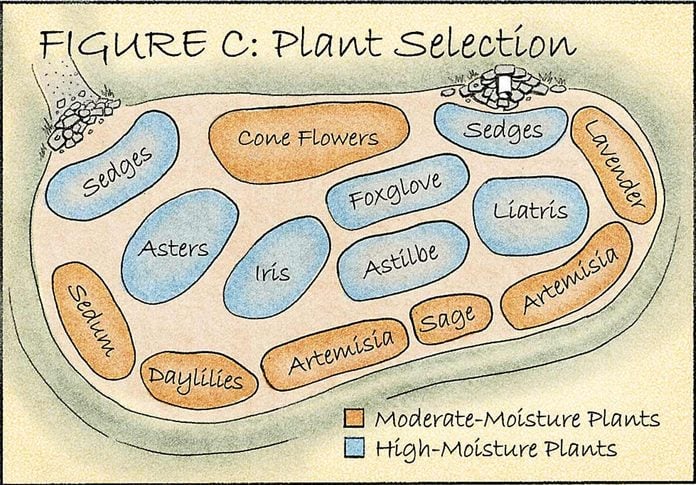
Understanding your garden’s zones is key to plant selection. Rain gardens typically have three zones: the bottom, which collects the most water; the middle, which has moderate moisture; and the upper edge, which remains drier. For the bottom zone, consider water-loving plants like sedges or cardinal flowers. In the middle zone, choose plants that can tolerate both wet and dry conditions, such as irises or ferns. For the upper edge, look for drought-tolerant species like coneflowers or black-eyed Susans.Seasonal Considerations
A well-designed rain garden should offer interest throughout the year. Think about how your plant choices will change with the seasons. Spring might feature vibrant blooms of marsh marigolds, while summer showcases tall grasses swaying in the breeze. In fall, the fiery hues of native asters can provide a stunning display. Even in winter, the structural beauty of seed heads and the subtle colors of evergreens can keep your garden visually appealing. How will your garden tell its seasonal story? By carefully selecting plants, you not only enhance the beauty of your rain garden but also ensure it thrives year after year. What will your garden’s story be?Construction Steps
Designing a rain garden involves choosing the right location and plants that thrive in wet soil. Create a gentle slope for water flow, ensuring proper drainage. Select native plants to absorb rainwater efficiently and attract local wildlife.
Designing a rain garden involves several critical construction steps. These steps ensure your garden effectively manages stormwater. By carefully constructing your rain garden, you can enhance its functionality. This guide outlines the key stages to create a beautiful and efficient rain garden.Excavation Process
Start by marking the garden area. Use a rope or spray paint for clarity. Dig a shallow depression, typically 6 to 12 inches deep. This depth helps capture and hold rainwater. Remove any rocks or debris during excavation. Ensure the bottom is level for even water distribution.Layering The Soil
Add a layer of gravel at the bottom. Gravel improves drainage and prevents waterlogging. Next, add a layer of sandy soil. Sandy soil allows water to percolate quickly. Top it with a layer of compost-rich soil. This enriches the soil and supports plant growth.Planting And Mulching
Choose native plants that thrive in wet conditions. Position taller plants in the center. Place shorter plants around the edges. Dig holes slightly larger than the root balls. Set the plants in the holes and fill with soil. Cover the soil with mulch to retain moisture. Mulch also suppresses weeds and enhances aesthetics. Regularly water the plants until they establish roots.Maintenance Tips
Designing a rain garden involves strategic plant selection to manage stormwater naturally. Ensure proper soil drainage by testing and amending as needed. Regular maintenance, like removing debris and checking for erosion, keeps the garden functional and thriving.
Maintaining your rain garden is crucial to ensuring it remains a vibrant, functional part of your landscape. While rain gardens are designed to be low-maintenance, they still require some attention to keep them thriving. By following a few simple tips, you can enjoy a lush and beautiful garden that effectively manages stormwater runoff.Weeding And Pruning
Regular weeding helps prevent invasive species from taking over your rain garden. Spend a few minutes each week pulling out unwanted plants before they establish deep roots. Pruning is essential for keeping your garden tidy and encouraging healthy growth. Trim back overgrown plants to allow sunlight to reach lower levels and air to circulate freely. Embrace the change of seasons by cutting back dead foliage in late fall, giving your rain garden a fresh start each spring.Water Management
While rain gardens are designed to absorb water, there might be times when water pooling becomes an issue. Ensure your garden has proper drainage by checking that the soil and plants are absorbing water efficiently. Adjust your plant selection if you notice certain areas are consistently soggy. Choose species that thrive in wet conditions to enhance water absorption. During dry spells, supplement with occasional watering to maintain plant health. Your garden will thank you with lush growth and vibrant blooms.Seasonal Care
Each season brings unique tasks for your rain garden. In spring, check for winter damage and replant any lost vegetation. Summer heat can stress plants, so monitor moisture levels and mulch around plants to retain water. Fall is the time for cutting back perennials and removing debris, preparing your garden for winter’s dormancy. Winter requires minimal effort, but keep an eye on snow buildup and ensure your garden is not compacted by heavy weight. With seasonal attention, your rain garden will flourish year-round. Are you ready to see your rain garden transform with a little care and attention? Embrace these maintenance tips and watch your garden thrive, season after season.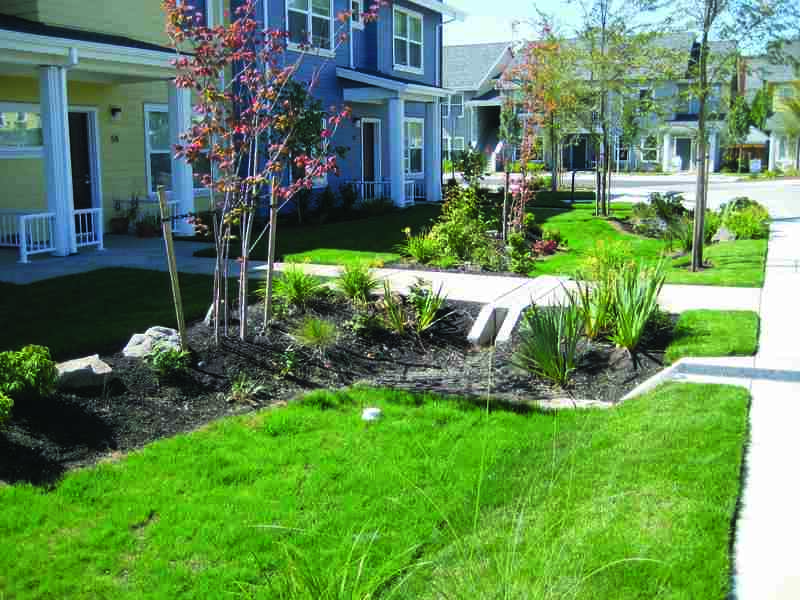
Credit: www.lawnstarter.com
Common Challenges
Designing a rain garden often involves challenges like choosing the right plants and ensuring proper drainage. Managing water flow to prevent flooding is crucial. Balancing aesthetics with functionality can be tricky, requiring careful planning.
Designing a rain garden can be a rewarding endeavor, but it’s not without its hurdles. Understanding the common challenges you might face can make a significant difference in the success of your project. Whether you’re grappling with pest control, erosion issues, or waterlogging, each challenge requires a tailored approach to ensure your rain garden thrives.Pest Control
Pests can quickly turn your rain garden into a battleground. You might notice aphids nibbling away at your plants or slugs leaving a trail of destruction. It’s crucial to identify these pests early and decide on a natural or chemical control method that suits your garden’s needs. Consider introducing beneficial insects like ladybugs or using organic pest repellents. Remember, a balanced ecosystem in your garden can naturally deter many unwanted visitors. How do you keep your plants pest-free without harming the environment?Erosion Issues
Erosion can undermine the stability of your rain garden, washing away soil and exposing plant roots. The key is to manage water flow effectively. You can achieve this by planting deep-rooted native plants that help hold the soil together. Adding mulch is another effective strategy; it not only retains moisture but also reduces soil erosion. Have you ever considered using decorative rocks to redirect water flow and add visual appeal to your garden?Waterlogging
Waterlogging is a common issue, especially in areas with heavy rainfall. It can drown plant roots and stunt growth. To combat this, ensure your garden has adequate drainage. You might need to amend the soil with sand or gravel to improve permeability. Selecting plants that thrive in wet conditions can also mitigate waterlogging problems. Have you thought about using a rain barrel to control excess water and use it for irrigation later? By addressing these common challenges, you can ensure that your rain garden not only survives but flourishes, becoming a vibrant part of your landscape.Inspiring Rain Garden Designs
Discover the art of designing rain gardens with creative layouts. Blend native plants and natural elements to manage rainwater. Enhance your landscape with eco-friendly beauty while supporting wildlife habitats.
Designing a rain garden can be a creative journey. It blends beauty with sustainability. These gardens manage stormwater while enhancing the landscape. In this section, we explore how different settings inspire unique rain garden designs.Urban Settings
Urban environments pose challenges for rain gardens. Space is limited. Yet, these gardens thrive in small areas. Rooftop gardens are a popular choice. They utilize unused space and manage water runoff. Street-side rain gardens also make a difference. They soften the harsh urban landscape. Plants in these gardens must be resilient. They endure pollution and limited sunlight. Urban rain gardens create green havens amidst concrete jungles.Residential Landscapes
Homeowners love rain gardens for many reasons. They reduce water bills and add curb appeal. Native plants thrive in these gardens. They require less maintenance. Rain gardens can vary in size. Small gardens suit tiny yards. Large designs fit expansive properties. Homeowners enjoy personalizing their gardens. They add pathways and seating for relaxation. Birdbaths and feeders attract wildlife. These gardens become vibrant, living spaces.Public Spaces
Public parks and community centers embrace rain gardens. They educate the public about water conservation. These gardens often feature educational signs. Visitors learn about plant types and water management. They foster community pride and involvement. Volunteers help maintain these public spaces. Rain gardens in public areas can be expansive. They create natural habitats for local wildlife. These gardens offer beauty and function for all to enjoy.Frequently Asked Questions
What Is A Rain Garden?
A rain garden is a landscaped depression designed to absorb rainwater runoff. It is planted with native plants. This eco-friendly solution reduces water pollution and prevents flooding. Rain gardens also enhance property aesthetics and support local wildlife. They are a sustainable way to manage stormwater naturally.
How Do Rain Gardens Work?
Rain gardens capture and filter rainwater runoff from roofs, driveways, and streets. The water is absorbed by deep-rooted native plants and soil. This process reduces water pollution and minimizes flooding. It also recharges groundwater. Rain gardens are effective in managing stormwater sustainably.
What Plants Are Best For Rain Gardens?
Native plants are ideal for rain gardens because they are adapted to local conditions. They have deep roots that help absorb water effectively. Examples include coneflowers, sedges, and switchgrass. These plants support local wildlife and require minimal maintenance. Choosing the right plants ensures a thriving rain garden.
Where Should I Place A Rain Garden?
Place your rain garden at least 10 feet away from your home. Choose a spot that receives runoff from roofs or driveways. Ensure the area is not too steep or flat. It should be able to drain water within 24 hours.
Proper placement maximizes the rain garden’s effectiveness.
Conclusion
A rain garden adds beauty and function to your outdoor space. It manages water runoff naturally. You save time on maintenance and help the environment. Plants and flowers create a vibrant look. Local wildlife benefits, too. Designing your garden takes planning.
Choose the right spot and plants. Enjoy watching your garden thrive. It’s a smart choice for eco-friendly landscaping. Start small, learn, and grow your skills. It’s rewarding to see your efforts pay off. Connect with nature in your own backyard.
Rain gardens offer a peaceful retreat. They make your garden a special place.