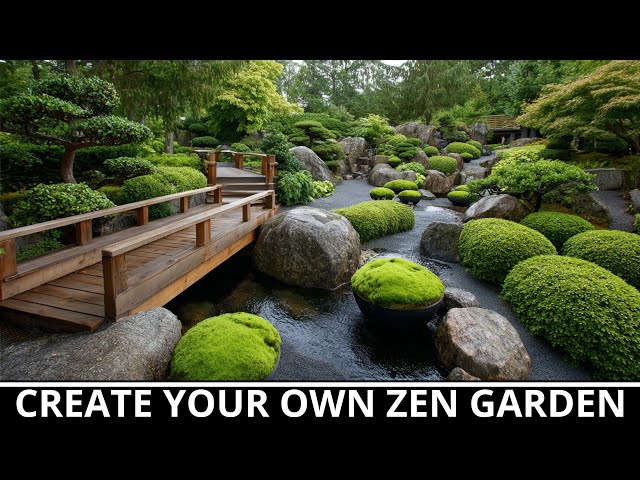
Imagine stepping into your backyard and feeling the tranquility of a peaceful oasis. Designing your own Japanese garden can turn that dream into reality.
With each careful detail, you can create a space that invites relaxation and harmony. Japanese gardens are known for their simplicity and balance, offering a perfect retreat from the hustle and bustle of everyday life. You might wonder where to begin or how to capture the essence of these serene landscapes.
Don’t worry, you’re not alone. Many people find the idea of designing a Japanese garden intriguing but feel uncertain about how to start. This article will guide you through each step, from understanding essential elements to choosing plants and materials that reflect traditional Japanese aesthetics. By the end of this guide, you’ll not only know how to create a beautiful garden but also feel inspired to personalize it, making it uniquely yours. Get ready to transform your outdoor space into a sanctuary where you can unwind and connect with nature.
Credit: www.japansociety.org.uk
Choosing Your Garden Style
Design a serene Japanese garden with simplicity and nature in mind. Focus on elements like stone paths, water features, and carefully placed plants. Create a peaceful space by embracing minimalism and natural beauty.
Choosing Your Garden Style Designing your own Japanese garden is like painting a personal piece of art in your backyard. But before you begin, it’s essential to choose a garden style that resonates with your vision and space. Whether you seek tranquility, a place for tea, or a path to wander, selecting the right style will guide your creation.Zen Gardens
Zen gardens, also known as karesansui, are perfect if you desire a peaceful retreat. These gardens use rocks, gravel, and sand to symbolize water and mountains. You can rake the gravel to create patterns that represent flowing water, offering a meditative practice. Think about incorporating minimal plants to maintain simplicity. Moss, small shrubs, or a lone tree can add subtle beauty. Remember, the focus here is serenity and simplicity, allowing you to clear your mind.Tea Gardens
A tea garden, or roji, offers a unique blend of nature and tradition. This garden style is designed to lead guests to a tea house, providing a serene journey. You can create a stepping stone path surrounded by lush greenery. Consider adding a stone lantern or water basin as focal points. These elements not only enhance the aesthetic but also invite moments of pause and reflection. Imagine hosting a tea ceremony here, where every step is part of the experience.Strolling Gardens
If you have more space, a strolling garden, or kaiyu-shiki, might be your ideal choice. This style is crafted for leisurely walks, with paths that reveal new views at every turn. You can incorporate ponds, bridges, and diverse plantings to create a dynamic landscape. Think about how the garden will change with the seasons. Cherry blossoms in spring, vibrant maples in autumn, each offering a new experience. What story do you want your garden to tell as you wander through it? Choosing the right Japanese garden style is about reflecting on what you want to feel and experience. Which style speaks to you?
Credit: www.hamptons.co.uk
Selecting The Right Location
Choosing a serene spot with ample sunlight and shade enhances the tranquility of your Japanese garden. Ensure the area supports water features and diverse plant life, creating harmony with nature. A well-selected location fosters a peaceful atmosphere and maximizes the garden’s beauty.
Designing your own Japanese garden is a fulfilling journey that starts with choosing the perfect location. This decision will set the stage for a tranquil space that harmonizes nature and design. The right location ensures your garden flourishes and provides a serene retreat. Let’s explore key factors to consider when selecting the ideal spot.Space Considerations
Consider the size of your garden area. A Japanese garden can fit into various spaces, from small urban yards to expansive rural landscapes. Reflect on how much space you have and what features you wish to include. Will you have room for a small pond or a quiet pathway? Think about how different elements interact within the available space. A compact area might focus on a rock garden or a miniature Zen garden. In larger spaces, you could integrate a koi pond or a tea house. How do you envision using this garden? Define your priorities and assess the space accordingly.Sunlight And Shade
Observe how sunlight moves across your chosen location throughout the day. Sunlight impacts the growth of plants and the ambiance of your garden. Select a balance between sunlight and shade to suit your garden’s needs. Some plants thrive in full sun, while others prefer shaded areas. Think about your comfort as well. Consider a spot that provides shelter from the midday sun for peaceful relaxation.Accessibility
Accessibility is crucial for both construction and enjoyment. Ensure easy access to your garden for planting, maintenance, and leisure. Consider pathways that lead to the garden. Are they clear and welcoming? Make sure the garden is accessible for all. Think about paths, seating, and viewpoints that accommodate different needs. By focusing on these aspects, you create a foundation for a garden that is not only beautiful but also functional and inviting. Where do you see your garden thriving?Essential Elements
Creating a Japanese garden involves focusing on key elements like balance, harmony, and simplicity. Incorporate natural materials, water features, and carefully chosen plants to evoke tranquility. Design pathways and seating areas that encourage reflection and relaxation.
Designing your own Japanese garden is like crafting a piece of art. It’s about balance, harmony, and the seamless integration of natural elements. To create a space that feels authentically Japanese, you need to focus on a few essential elements. These components work together to evoke tranquility and a deep connection with nature. Let’s explore these key elements and see how you can introduce them into your garden.Water Features
Water is a cornerstone of Japanese garden design. It symbolizes life and renewal. Whether you opt for a serene koi pond or a gently trickling stream, the sound of water adds a calming presence. Consider a small bamboo water fountain if space is limited. The gentle flow can create a peaceful atmosphere even in the smallest of gardens. Remember, the goal is to create a sense of tranquility and reflection.Rocks And Stones
Rocks and stones are not just decorative in a Japanese garden; they represent permanence and stability. They can be used to mimic mountains or islands, bringing the essence of distant landscapes into your backyard. Select stones with natural shapes and textures. Arrange them thoughtfully to create balance and harmony. Have you ever noticed how a well-placed stone can completely change the feel of a space? It’s all about placement and intention.Plants And Trees
Plants and trees bring life and color to your Japanese garden. Choose varieties that reflect the changing seasons, like cherry blossoms for spring or maples for autumn. Opt for evergreens to maintain year-round interest. Prune them carefully to enhance their natural beauty and form. Have you considered how the shadow of a tree can add depth and dimension to your garden? It’s these little details that make a big difference. Creating a Japanese garden is a journey of discovery and creativity. Each element you add is a step towards crafting your personal sanctuary. Which element will you start with?Creating A Layout
Creating a layout for a Japanese garden involves planning serene spaces. Use natural elements like rocks and water. Include pathways that guide gentle exploration.
Creating a layout for your Japanese garden is an exciting opportunity to bring tranquility and beauty into your outdoor space. The layout is the blueprint that guides the flow and harmony of the garden. It’s where creativity meets tradition, and every choice you make adds to the serene experience.Designing Pathways
Pathways are the veins of your garden, guiding visitors through its beauty. Choose materials that blend seamlessly with the natural setting—think gravel, stone, or stepping stones. Each path should encourage a sense of discovery, leading to different garden features. Consider the width and curvature of the paths. A narrow, winding path invites introspection and slows down the pace. Where will your paths lead? Perhaps to a serene pond or a secluded bench—create moments of surprise and reflection.Arranging Elements
In a Japanese garden, every element has a purpose. Rocks, water, and plants should work in harmony to create balance. Start with larger elements like boulders or trees, then add smaller details. Think about the placement of a water feature. A small pond or a trickling stream can serve as a focal point. Use plants to frame views or create natural barriers. Consider how each element interacts with light and shadow throughout the day.Balancing Aesthetics
Balance is the essence of a Japanese garden. Strive for a natural look, avoiding symmetry. The garden should feel organic and uncontrived. Use asymmetry to create visual interest. A well-placed rock or tree can offset other elements, maintaining harmony. How does your garden make you feel? Aim for a calm and serene atmosphere that invites peace and reflection.Choosing Plants And Trees
Designing your own Japanese garden involves selecting plants and trees that embody tranquility and simplicity. Opt for evergreens like pines or maples to provide structure and year-round interest. Incorporate bamboo and moss for texture, creating a serene and harmonious landscape.
Creating a Japanese garden is like crafting a living piece of art. One of the most crucial aspects is choosing the right plants and trees. The right selection not only enhances the aesthetic appeal but also ensures harmony within the garden. Each plant or tree you choose will play a vital role in bringing your garden to life. Let’s explore how you can make informed choices for your garden’s greenery.Traditional Japanese Plants
Choosing traditional Japanese plants can infuse authenticity into your garden. Consider incorporating bamboo, which symbolizes strength and flexibility. Cherry blossoms, or sakura, are iconic and offer breathtaking views in spring. Maple trees, known for their vibrant fall colors, can add seasonal variety. Moss is another quintessential element. It creates a lush, serene atmosphere and thrives in shaded areas. Azaleas and camellias can provide a splash of color throughout the year.Seasonal Considerations
Understanding the seasonal changes in your garden can enhance its beauty year-round. Think about what you want your garden to look like in each season. Spring is perfect for cherry blossoms, while summer can be adorned with the lush foliage of maples. In autumn, the changing leaves of the maple and ginkgo trees offer a stunning display of colors. Winter might seem barren, but evergreens like pines can maintain structure and beauty even in the cold months.Maintaining Plant Health
Keeping your plants healthy is essential for a thriving garden. Regular pruning is necessary to maintain shape and encourage growth. Watering needs will vary, so pay attention to each plant’s specific requirements. Consider the soil quality. Japanese gardens often use well-draining, slightly acidic soil. Fertilizing appropriately can boost plant health, but avoid overdoing it. Are you ready to create a peaceful sanctuary? Each plant choice adds a new layer to your garden’s story. What will your garden say about you?Incorporating Water Features
Water features add tranquility and beauty to a Japanese garden. Ponds, streams, or small waterfalls can create peaceful sounds. Pair these with smooth stones and koi fish for a harmonious effect.
Incorporating water features into your Japanese garden can transform your space into a tranquil haven. Water plays a crucial role in Japanese garden design, symbolizing serenity and life. Imagine the gentle sound of a trickling stream or the reflective surface of a pond complementing the harmonious arrangement of rocks and plants. It’s these elements that truly bring a garden to life.Types Of Water Features
Consider the variety of water features available. Ponds are a classic choice, offering the perfect habitat for koi fish and lotus flowers. Streams can create movement, adding a dynamic element to your garden. If space is limited, a bamboo water spout or a small fountain can still provide the soothing sounds of flowing water. Each option presents its own aesthetic and functional qualities. Choose what aligns best with your vision.Positioning And Scale
When deciding where to place your water feature, think about the overall garden layout. A pond can serve as a central focal point, while a stream might weave through the garden, connecting different areas. Scale is vital; ensure your feature complements the size of your garden. A large pond might overwhelm a small space, whereas a subtle water spout can elegantly accentuate it.Maintenance Tips
Water features require regular upkeep to maintain their beauty and function. Keep an eye on water levels and cleanliness. Algae can be a common problem, so consider installing filters or adding aquatic plants that naturally combat algae growth. Periodically check the condition of pumps and pipes to avoid any disruptions. With consistent care, your water feature can remain a source of joy for years. Have you ever considered how the soothing sound of water could transform your garden experience? Dive into the details and make your garden a place of peace and tranquility.Adding Decorative Elements
Adding decorative elements enhances the beauty of your Japanese garden. Choose stone lanterns, bamboo fences, and water features. These elements create a serene and authentic ambiance, enriching the garden’s tranquility.
Adding decorative elements to your Japanese garden can transform it from a simple outdoor space to a tranquil oasis. The right elements not only enhance the aesthetic appeal but also imbue your garden with cultural richness. Let’s explore how you can add charm and cultural depth with some carefully chosen decorative features.Lanterns And Ornaments
Lanterns are a quintessential feature in Japanese gardens, offering both functionality and beauty. They can light up pathways, highlighting the garden’s layout while creating a serene ambiance. Opt for stone lanterns for authenticity, or choose bamboo or metal ones for a modern twist. Ornaments such as statues of animals or mythical creatures can add character to your space. A small Buddha statue, for instance, can serve as a focal point and promote a sense of peace. Consider the scale and placement of these ornaments to maintain harmony with the surrounding elements.Bridges And Gates
Bridges in a Japanese garden symbolize the journey of life and provide a picturesque crossing over water features. They can be made of wood for a traditional look or stone for a more robust feel. A simple arched bridge can become a statement piece, drawing visitors into the heart of the garden. Gates, or “torii,” serve as a symbolic entrance, marking the transition from the everyday world to a sacred space. Even a small, understated gate can evoke curiosity and invite exploration. Think about how a gate could redefine the flow and experience of your garden.Cultural Significance
Every element in a Japanese garden holds cultural significance, adding layers of meaning to your design. Lanterns, for example, were originally used to guide spirits, adding a spiritual dimension to their practical use. Bridges often represent the crossing from one realm to another, enriching the narrative of your garden. Incorporating these elements thoughtfully can deepen your connection to the garden. It encourages mindfulness and reflection, offering a retreat from the chaos of daily life. How will you use these decorative features to tell your garden’s story? As you design, remember that each piece should contribute to the overall harmony and tranquility of the space. Your garden is more than a collection of plants—it’s a living artwork that reflects your personal journey and appreciation for nature.Maintaining Your Garden
Creating a Japanese garden involves harmony and balance. Choose elements like stones, water, and plants. Arrange them to reflect nature’s tranquility and simplicity.
Maintaining your Japanese garden is a rewarding practice that keeps your serene space thriving and beautiful. While designing your garden is a delightful journey, maintaining it ensures that your hard work continues to flourish. Your garden will need regular attention to stay at its best and reflect the tranquil beauty you envision.Regular Pruning And Weeding
Regular pruning and weeding are crucial tasks in keeping your Japanese garden healthy. Pruning helps shape your plants, ensuring they maintain their intended form and don’t overtake the serene design. Focus on cutting back overgrown branches and removing dead foliage. Weeding is equally important as it prevents unwanted plants from disrupting the garden’s harmony. Regularly inspect your garden and remove weeds by hand, ensuring you pull them out from the roots. This not only keeps your garden tidy but also promotes the health of your chosen plants.Seasonal Care
Every season brings unique needs for your garden. In spring, focus on nurturing new growth by fertilizing and watering regularly. Summer might require additional watering, especially during dry spells, to keep your plants hydrated. Autumn is the time to prepare your garden for the colder months. Rake up fallen leaves and apply mulch to protect plant roots from frost. During winter, monitor your plants for any signs of stress due to cold weather and take protective measures if necessary.Troubleshooting Common Issues
Even with the best care, issues can arise in your garden. Pests and diseases are common problems that require prompt attention. Identify any unusual patterns on leaves or stems, and research organic solutions to combat them. Drainage problems can also affect your garden’s health. Ensure that water isn’t pooling around your plants, as this can lead to root rot. Consider adjusting the soil or adding gravel to improve drainage if needed. Have you encountered unexpected challenges while maintaining your garden? Share your experiences and solutions with fellow gardening enthusiasts in the comments below.
Credit: www.hamptons.co.uk
Frequently Asked Questions
What Are Essential Elements Of A Japanese Garden?
A Japanese garden typically includes elements like water, rocks, and plants. These elements symbolize nature’s beauty and balance. Adding bridges, lanterns, and stepping stones can enhance the aesthetic. Each component should be carefully placed to create harmony and tranquility, embodying the philosophy of simplicity and naturalness.
How Do I Choose Plants For My Japanese Garden?
Select plants that thrive in your climate and suit the garden’s theme. Common choices include bamboo, Japanese maples, and azaleas. These plants offer varying textures and colors, enhancing the garden’s appeal. Consider seasonal changes to maintain interest year-round, and ensure proper spacing to allow growth.
Can I Incorporate Water Features Easily?
Yes, water features like ponds or small streams are integral to Japanese gardens. They symbolize serenity and life. Use natural materials to create a seamless integration. Even a simple stone basin with a bamboo spout can add a calming water element, enhancing the overall tranquility of the space.
What Role Do Rocks Play In Japanese Gardens?
Rocks are vital, representing mountains and natural landscapes. They add structure and balance to the garden. Use them to create paths, borders, or focal points. Carefully position rocks to mimic natural formations, ensuring they blend harmoniously with other elements, enhancing the garden’s aesthetic and symbolic depth.
Conclusion
Creating a Japanese garden is a rewarding journey. Each element adds peace and beauty. Embrace simplicity with rocks, water, and plants. Let nature guide your design choices. Use lanterns and bridges sparingly for charm. Consider the flow of space and balance.
Keep maintenance in mind for lasting beauty. Your garden becomes a tranquil retreat. A place to relax and reflect. Designing it yourself adds personal meaning. Enjoy the process and the result. A small slice of serenity in your life. Start today and transform your outdoor space.
Your Japanese garden awaits you.