
Imagine stepping into your home and being greeted by a burst of vibrant colors and delightful scents, all thanks to your very own indoor bulb garden. It’s easier than you might think to transform a corner of your room into a lush paradise that blooms right before your eyes.
You don’t need a sprawling backyard or a green thumb to create a stunning display of flowers that will brighten up any space. With just a few simple steps, you can turn ordinary bulbs into extraordinary blossoms that will captivate your senses and lift your spirits.
Curious to learn how you can cultivate this little slice of nature indoors? Stick around to discover the secrets of creating an indoor bulb garden that will bring joy to your home all year round.
Choosing The Right Bulbs
Creating an indoor bulb garden is a delightful way to bring a splash of color and life into your home, especially during the dreary winter months. But before you start, selecting the right bulbs is crucial for a flourishing indoor display. Consider the bloom time, size, and care requirements of each bulb to ensure they thrive indoors. Let’s dive into some popular varieties and seasonal considerations to help you make informed choices.
Popular Bulb Varieties
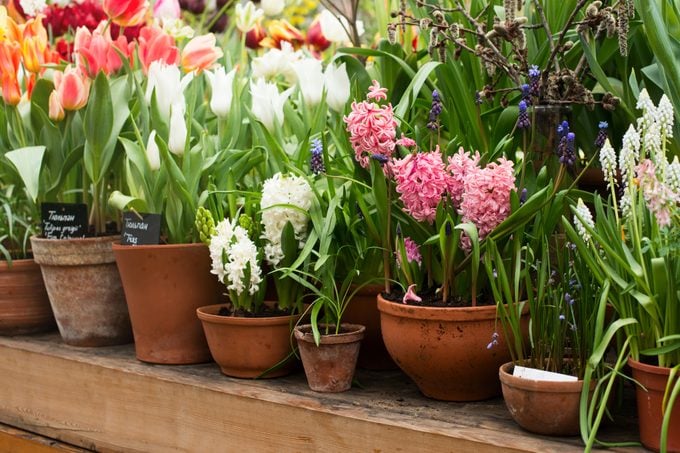
Many bulbs make excellent choices for indoor gardens. Tulipsoffer vibrant colors and are relatively easy to maintain. With their graceful petals, they can brighten any room.
Daffodilsare another favorite, known for their cheerful yellow blossoms. They’re hardy and can adapt well to indoor conditions.
Consider hyacinthsfor their intoxicating fragrance. Their dense flower clusters can add a dramatic touch to your garden.
Don’t forget amaryllis, which boast large, striking blooms that make a bold statement. These can be a centerpiece in your indoor garden setup.
Seasonal Considerations
Timing is everything when it comes to bulb gardening. Plan your garden based on when you want your flowers to bloom. For a winter display, start bulbs like tulips and daffodils in the fall.
If you’re looking for spring blooms, plant bulbs such as hyacinths and crocuses in late winter. They require a chilling period to break dormancy, simulating their natural outdoor conditions.
Are you aiming for a summer burst of color? Consider planting bulbs like lilies and gladiolus indoors in early spring. They thrive with the warmth and longer daylight hours.
Which season do you want to see flowers blooming in your home? Making this decision can guide you in choosing the right bulbs.
Credit: www.familyhandyman.com
Preparing Containers
Select a container with good drainage. Fill it with a mix of potting soil and sand. This ensures bulbs grow well.
Preparing containers for your indoor bulb garden is an essential step that sets the foundation for healthy growth and vibrant blooms. As you embark on this gardening journey, the right containers will not only enhance the aesthetic appeal of your space but also provide the necessary environment for your bulbs to thrive. Let’s dive into the specifics of choosing the perfect containers and ensuring they are ready for planting.Selecting Suitable Pots
Choosing the right pot is more than just aesthetics. Consider the size and material of the pot. Bulbs need enough room to grow, so opt for pots that are at least 6 inches deep. This allows the roots to spread and access nutrients efficiently. Material matters too. Terracotta pots are a favorite because they allow for airflow and water evaporation. This helps prevent overwatering, which can be detrimental to bulbs. However, if you’re looking for something lightweight, plastic pots are also a good option. Have you thought about how the pot complements your home decor? Selecting pots that harmonize with your interior adds a personal touch to your indoor garden.Ensuring Proper Drainage
Proper drainage is crucial to prevent waterlogging and root rot. Without it, your bulbs could suffer and fail to bloom. Ensure your pots have drainage holes at the bottom to allow excess water to escape. Consider adding a layer of gravel or small stones at the bottom of the pot. This simple step creates space for water to drain and keeps soil from clogging the holes. Using a saucer under the pot can catch any excess water and protect your surfaces. It’s a small yet effective measure to maintain a tidy and efficient indoor garden setup. Are you confident in your container choices? Ensuring the right pots and drainage can make all the difference in nurturing a flourishing indoor bulb garden.Soil And Planting Mix
Creating an indoor bulb garden starts with the right soil and planting mix. Use well-draining soil to ensure bulbs thrive. Mix in compost or perlite for added nutrients and moisture retention.
Creating an indoor bulb garden requires the right soil and planting mix. The soil provides nutrients and stability. It plays a key role in plant health. A good mix ensures bulbs thrive and bloom beautifully. Understanding what your bulbs need helps them grow strong.Ideal Soil Composition
The right soil composition is crucial for bulb growth. Bulbs need well-draining soil. This prevents waterlogging and root rot. A mix of potting soil, sand, and compost works well. Aim for a light and airy texture. This allows roots to breathe and expand. Sand improves drainage, while compost adds nutrients.Fertilization Tips
Fertilization supports bulb health and growth. Use a balanced, slow-release fertilizer. It provides nutrients over time. Apply fertilizer when planting bulbs. This gives them a nutrient boost as they grow. Avoid over-fertilizing. Excess nutrients can harm your plants. Follow package instructions for best results.
Credit: blog.thompson-morgan.com
Planting Techniques
Create a vibrant indoor bulb garden by selecting a variety of bulbs. Choose a pot with good drainage to prevent waterlogging. Position the bulbs in layers for a stunning display as they bloom.
Creating an indoor bulb garden is an exciting way to bring the beauty of nature into your home. The magic lies in the planting techniques. Mastering these techniques can transform your indoor space into a vibrant floral paradise. Whether you’re a seasoned gardener or a beginner, understanding the nuances of planting bulbs can make all the difference. Let’s dive into some essential techniques that will help you grow a flourishing indoor bulb garden.Depth And Spacing
Choosing the right depth for planting bulbs is crucial for their growth. Generally, bulbs should be planted at a depth that is two to three times their height. This ensures they have enough soil above them for stability and protection. Spacing is equally important. Bulbs need room to spread their roots and absorb nutrients. A good rule of thumb is to leave at least an inch or two between each bulb. This prevents overcrowding and promotes healthy growth. Think about the final look you want to achieve. Do you prefer a dense floral display or a more spaced-out arrangement? Your spacing decisions will influence the garden’s overall appearance.Layering For Continuous Bloom
Layering is a technique that can keep your indoor bulb garden blooming for months. By planting bulbs with different blooming times in layers, you can ensure a continuous display of flowers. Start with the largest bulbs at the deepest level. These are usually late bloomers. Add a layer of soil, then plant medium-sized bulbs that bloom a bit earlier. Finish with the smallest and earliest bloomers near the top. This method maximizes the use of space and creates a stunning tiered effect. Imagine a garden that changes every few weeks, offering new colors and scents. How delightful would it be to have a garden that surprises you with new blooms all season long? By incorporating these planting techniques, your indoor bulb garden will not only thrive but also become a dynamic feature in your home.Watering And Care
Ensure your indoor bulb garden thrives with regular watering. Keep soil moist, but avoid waterlogging. Bright, indirect sunlight is ideal for healthy growth.
Caring for your indoor bulb garden is a rewarding journey that requires a bit of attention and love. Watering and care are crucial to ensure that your bulbs thrive and bloom beautifully. Understanding the specific needs of your plants can transform your indoor space into a vibrant oasis. Let’s dive into the details of how to keep your indoor bulb garden flourishing.Watering Schedule
Watering your indoor bulb garden can be a balancing act. Overwatering can lead to bulb rot, while underwatering might stunt growth. A good rule of thumb is to water when the top inch of soil feels dry to the touch. Use a watering can with a narrow spout to control the flow and avoid soaking the bulbs. This method ensures that you water the soil evenly without flooding it. It’s also helpful to have a saucer under your pots to catch excess water, preventing any mess on your surfaces.Temperature And Humidity Needs
Bulbs love consistency, particularly in temperature and humidity. Most indoor bulbs prefer temperatures between 60-70°F (15-21°C). Keeping them away from drafty windows or heat sources can prevent stress on the plants. Humidity can be tricky, especially in dry climates or during the winter months when indoor heating is on. You might consider placing a small humidifier nearby or simply misting the leaves with water. This keeps the air moist, mimicking the natural environment bulbs thrive in. Do you notice your bulbs looking a bit droopy? It might be a sign they need more humidity or a slight adjustment in temperature. Observing these small changes can make a big difference in your indoor garden’s health. Taking care of your indoor bulb garden isn’t just about maintaining it—it’s an opportunity to connect with nature and bring a bit of the outdoors inside. With the right watering schedule and careful attention to temperature and humidity, your indoor space can be a blooming paradise year-round.Light Requirements
Ensure your indoor bulb garden receives enough light for healthy growth. Place bulbs near a sunny window or use grow lights for best results.
Creating an indoor bulb garden is a delightful way to bring nature inside your home. However, understanding the light requirements is crucial for the health and growth of your plants. Light influences how well your bulbs will sprout and bloom. Without the right amount of light, your garden may struggle to thrive.Natural Vs. Artificial Light
Natural light is often the first choice for many indoor gardeners. It mimics the plant’s natural environment, providing the right spectrum for growth. Place your bulb garden near a window that receives plenty of sunlight. South-facing windows are generally the best as they offer consistent light throughout the day. However, not every home has an ideal sunny spot. In such cases, artificial light can be a great alternative. You can use LED grow lights, which are energy-efficient and provide the spectrum that plants need. They allow you to control the light duration, ensuring your bulbs get consistent exposure.Positioning For Optimal Growth
Positioning your bulb garden correctly can make a significant difference in its growth. If you’re using natural light, make sure your plants are not too far from the window. A distance of about 1-2 feet is usually ideal to receive adequate light. Consider rotating your pots every few days. This ensures all sides of the plant receive equal light, preventing them from leaning towards the source. If you’re using artificial lights, hang them 6-12 inches above your plants. Adjust the height as your plants grow to maintain optimal light exposure. Have you ever noticed how some plants grow faster than others even in the same light conditions? This might be due to how effectively they receive and utilize light. So, experimenting with positioning can lead to unexpected yet delightful results in your indoor bulb garden.Dealing With Pests
Transform your indoor bulb garden into a pest-free sanctuary. Begin by selecting bulbs that are naturally resistant to common pests. Maintain cleanliness and inspect plants regularly to catch any early signs of infestation.
Creating a thriving indoor bulb garden brings a touch of nature into your living space, but it also invites some unwanted guests. Pests can quickly turn your beautiful garden into a frustrating challenge. Knowing how to manage these intruders is crucial for maintaining a healthy environment for your plants.Common Indoor Pests
Indoor gardens, like their outdoor counterparts, can attract a variety of pests. Spider mites, aphids, and fungus gnats are the most common troublemakers. They can cause yellowing leaves, stunted growth, and even plant death. You might notice tiny webs or sticky residue on leaves. These are telltale signs of an infestation. Early detection and action can save your garden from significant damage.Organic Pest Control Methods
Using harsh chemicals indoors can be risky for your health and the environment. Organic methods offer a safer alternative without sacrificing effectiveness. Neem oil is a powerful yet natural solution. It’s simple to apply by mixing with water and spraying directly on the affected plants. It disrupts the life cycle of pests, helping to control the population. Introducing beneficial insects like ladybugs can also help. They feast on aphids and spider mites, acting as natural pest control agents. You can buy these allies online or at local garden centers. For fungus gnats, try using a layer of sand on top of the soil. This discourages the gnats from laying eggs, breaking their breeding cycle. Have you ever tried creating your own pest-repelling spray? Mixing garlic and water can deter a variety of pests. The strong scent is unpleasant for pests but harmless to plants. Maintaining a clean growing environment is key. Regularly wipe down surfaces and remove any fallen leaves or debris. This reduces hiding spots and potential breeding grounds for pests. Do you have a favorite organic pest control method? Experiment with these strategies to find what works best for your indoor bulb garden.
Credit: sunnyside-gardens.com
Encouraging Re-bloom
Nurture your indoor bulb garden for continuous blossoms by providing adequate light and water. Allow bulbs to rest post-bloom, then reintroduce them to sunlight. This simple cycle encourages vibrant re-blooming.
Encouraging Re-Bloom in your indoor bulb garden brings joy to any gardener. After their first bloom, bulbs need some care to flower again. With the right steps, you can enjoy beautiful blooms each year.Post-bloom Care
After your bulbs bloom, remove dead flowers. This prevents seed formation. Let the leaves stay. They help store energy for the next bloom. Water the plant regularly. Do not overwater. The soil should be moist, not soggy. Fertilize the plant with a balanced fertilizer. This gives it the nutrients needed for the next cycle.Storing Bulbs For Next Season
Once the leaves turn yellow, it’s time to dig up the bulbs. Clean off any dirt. Let them dry in a cool place. Store them in a paper bag or box. Keep them in a dark, dry place. A basement or a garage works well. Check them occasionally for any signs of rot. This ensures they stay healthy for planting next season.Frequently Asked Questions
How Do I Start An Indoor Bulb Garden?
To start an indoor bulb garden, select suitable bulbs like tulips or daffodils. Choose containers with drainage holes. Fill them with well-draining soil. Plant bulbs with their pointed ends up. Water lightly and place in a cool, dark area until sprouts appear.
What Bulbs Are Best For Indoor Gardens?
The best bulbs for indoor gardens include tulips, daffodils, and hyacinths. These bulbs thrive indoors with proper care. They require minimal sunlight and grow well in pots. Choose varieties known for their fragrance and vibrant colors. Ensure bulbs are healthy before planting for optimal results.
How Often Should I Water Indoor Bulb Plants?
Water indoor bulb plants lightly when soil feels dry. Avoid overwatering to prevent root rot. During growth, check soil moisture weekly. Once buds appear, increase watering frequency slightly. Use room-temperature water for best results. Ensure pots have drainage holes to maintain healthy bulb growth.
Can Indoor Bulbs Bloom Without Sunlight?
Yes, indoor bulbs can bloom with indirect light. They require minimal sunlight to grow. Place pots near windows for natural light exposure. Use artificial grow lights if needed. Ensure bulbs receive consistent light during active growth. Proper light conditions encourage blooming and healthy development.
Conclusion
Creating an indoor bulb garden brings joy and color to your home. It’s simple and fun. Follow the steps mentioned for a thriving garden. Choose bulbs wisely; they are the heart of your garden. Watch them grow and bloom. Enjoy the beauty they bring indoors.
Caring for them is easy and rewarding. You’ll find peace in nurturing your plants. Share this joy with friends and family. Let your home be a place of color. Experience the calm and happiness of nature inside. Your indoor bulb garden awaits to brighten your days.







