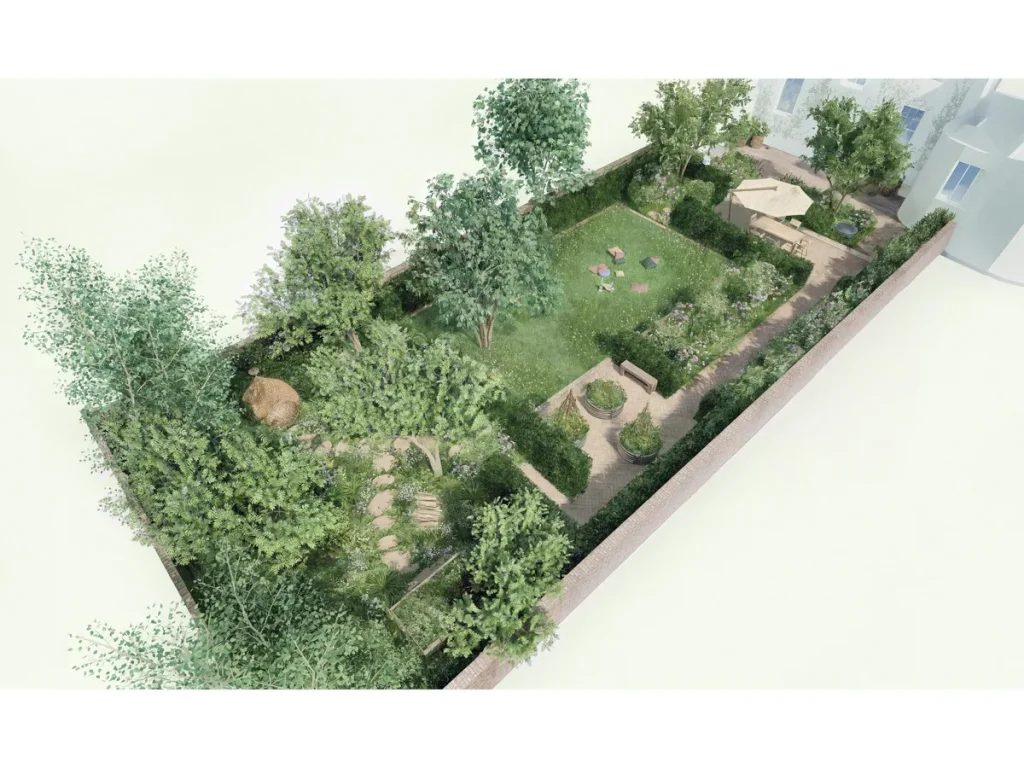
Imagine stepping outside into a space that feels like an extension of your home, a sanctuary where laughter echoes and memories blossom. Designing a family garden isn’t just about planting flowers; it’s about creating a haven tailored to you and your loved ones.
You might be wondering where to start or how to ensure everyone in your family finds joy in this space. You’re not alone. Many families have transformed their outdoor areas into vibrant, functional retreats that cater to every age and interest.
This guide will walk you through the steps to turn your garden dream into reality, ensuring that every inch of it is crafted with care and purpose. As you read on, you’ll discover practical tips and inspiring ideas that make the process not just easy, but exciting. Let’s dive into creating a space that nurtures your family’s happiness and grows with you over time.
Planning Your Family Garden
Designing a family garden involves selecting plants that everyone enjoys. Consider adding a play area for children. Create paths for easy access and relaxation spots for family gatherings.
Planning Your Family Garden Designing a family garden is an exciting adventure that requires thoughtful planning. It’s not just about planting flowers and vegetables; it’s about creating a space where your family can relax, play, and grow together. A well-planned garden can be a source of joy and beauty for everyone involved. So, how do you begin this rewarding journey?Assessing Space And Layout
Before you start digging, take a moment to assess the space you have available. Do you have a small urban backyard or a sprawling suburban plot? Measuring your space is crucial as it will guide your design decisions. Sketch out a basic layout of your garden area. Note existing features like trees, fences, and pathways. This will help you visualize how to maximize your space effectively. Consider the sun and shade patterns throughout the day. Knowing where the sun hits most will help you decide where to plant sun-loving flowers or set up a cozy seating area. Are there any areas prone to waterlogging? Identifying these early will save you a lot of rework later.Setting Goals And Priorities
What do you want from your family garden? Do you envision a vegetable patch to teach your kids about healthy eating, or perhaps a flower garden for family picnics? Setting clear goals will steer your design choices and keep you focused. Prioritize your family’s needs. If your children love playing outside, allocate space for a safe play area. If you’re an aspiring chef, you might prioritize space for herbs and vegetables. Keep in mind that your garden should cater to everyone’s interests. Think about maintenance. How much time can your family realistically devote to garden upkeep? This will influence your plant selections and garden features. A low-maintenance garden might be more suitable for busy families. Planning your family garden is a chance to create a special place for your loved ones. By carefully assessing your space and setting clear goals, you’re laying a strong foundation for a garden that everyone will cherish. What will your family garden look like?Choosing The Right Plants
Choosing the right plants can bring life to a family garden. Consider plants that are safe for children and pets. Select a variety that thrives in your local climate, ensuring year-round beauty and ease of maintenance.
Choosing the right plants is crucial for a thriving family garden. The right selection ensures beauty, ease of care, and environmental harmony. Begin by understanding your garden’s unique conditions and preferences. This will guide you to plants that not only survive but flourish.Considering Climate And Soil
Climate and soil type are key in plant selection. Research your local climate to find suitable plants. Consider temperature ranges and rainfall patterns. Check your garden’s soil type. Is it sandy, loamy, or clay-based? Each type supports different plants. Perform a simple soil test to know its pH level. This helps in selecting plants that thrive in your garden’s conditions. Choose native plants. They are adapted to local climate and soil.Selecting Low-maintenance Varieties
Busy families need low-maintenance plants. These plants require less care. Opt for perennials. They return year after year with minimal effort. Consider drought-resistant varieties. They need less watering and are eco-friendly. Look for pest-resistant plants. This reduces the need for chemical treatments. Choose plants with long blooming periods. They provide consistent beauty with little upkeep.Incorporating Play Areas
Designing a family garden offers a chance to create a joyful space. Incorporating play areas is key to engaging children and encouraging outdoor fun. Thoughtfully designed play zones can add value and enhance your garden’s appeal. This section guides you through creating safe, interactive, and delightful play areas.
Safe Zones For Children
Safety is a priority in any family garden. Designate areas where children can play freely without harm. Use soft surfaces like grass or rubber mulch to cushion falls. Install fencing to keep kids within the play area. Make sure equipment is age-appropriate and sturdy. Regularly check for hazards like sharp edges or loose parts.
Interactive Features And Equipment
Interactive features spark imagination and creativity. Consider adding elements like sandboxes or water tables. These encourage tactile play and exploration. Swings and slides provide active enjoyment. Climbing frames challenge and build strength. Incorporate sensory gardens with plants that smell and feel interesting. This enriches the play experience and fosters learning.

Credit: designheights.co.uk
Creating Relaxation Spaces
Creating a family garden involves thoughtful planning to ensure relaxation and enjoyment for everyone. Choose comfortable seating and incorporate natural elements like plants and water features. Design pathways for easy movement and include a play area for children.
Creating a family garden is more than just planting flowers and vegetables; it’s about crafting a space where everyone can unwind. Relaxation spaces are integral to enjoying your garden year-round. By focusing on comfort and shelter, you can create a haven that beckons you outside, no matter the season. Imagine reading a book under a canopy of leaves or enjoying a meal al fresco without the glare of the sun. Let’s delve into how you can create these inviting spots in your garden.Comfortable Seating Arrangements
The right seating can transform any garden space into a cozy retreat. Consider adding a mix of seating options to cater to various needs.- Adirondack Chairs:Perfect for lounging with a cold drink, these chairs offer excellent back support.
- Hammocks:If you have sturdy trees or posts, a hammock can be a dreamy addition for relaxation.
- Benches:Place a bench near your favorite flower bed for a quiet spot to enjoy nature.
Shade And Shelter Options
Creating shaded areas is crucial for comfort, especially during sunny days. Consider these ideas:- Umbrellas:Simple yet effective, umbrellas can be moved to wherever shade is needed most.
- Pergolas:These structures not only offer shade but also add architectural interest to your garden.
- Awning:Ideal for patios, awnings provide shade and protect against light rain.
Adding Functional Elements
Functional elements like seating areas or play zones enhance a family garden. Incorporating pathways ensures easy navigation, while water features add tranquility.
Adding functional elements to your family garden can enhance its usability. These elements make your garden not just a pretty space, but a practical one. They can transform your garden into a social hub or a tranquil retreat. Here’s how to incorporate some key functional features.Outdoor Cooking And Dining
An outdoor kitchen can be a great addition. Consider a simple grill or a full kitchen setup. A dining area nearby can complete the space. Choose weather-resistant furniture for durability. A pergola can provide shade and define the area. Add a fire pit for warmth during cooler nights. This setup encourages family gatherings and outdoor meals.Water Features And Lighting
Water features add a soothing sound to your garden. A small fountain or pond creates a peaceful ambiance. Ensure the water feature is safe for kids. Lighting enhances both beauty and safety. Solar lights are eco-friendly and easy to install. Use them to highlight paths or special features. String lights can add a festive touch. This creates a magical atmosphere at night.
Credit: www.gardensillustrated.com
Sustainability Practices
Designing a family garden with sustainability practices involves using eco-friendly materials and native plants. Composting kitchen scraps enriches soil naturally, reducing waste. Opt for rainwater collection systems to conserve water, promoting a healthy, thriving garden environment.
Designing a family garden with sustainability in mind not only nurtures the environment but also creates a lasting legacy for future generations. Embracing sustainable practices ensures that your garden thrives while minimizing its ecological footprint. Here, we’ll explore some effective sustainability practices that can transform your garden into an eco-friendly haven.Eco-friendly Materials
Choosing eco-friendly materials is a fundamental step in sustainable garden design. Opt for recycled or upcycled materials for pathways, borders, and furniture. Not only do these materials reduce waste, but they also add unique character to your garden. Consider using natural materials like bamboo, which is both renewable and durable. When selecting wood, look for FSC-certified options to ensure they come from sustainably managed forests. What materials in your garden could be switched to greener alternatives?Water Conservation Techniques
Water conservation is crucial for a sustainable garden, especially in areas prone to drought. Implementing smart watering techniques can make a significant difference in your garden’s water usage. Use drip irrigation systems to deliver water directly to the roots, minimizing waste. Collect rainwater in barrels to use during dry spells. This not only conserves water but also reduces your water bill. Planting native species can also help, as they are adapted to the local climate and require less water. Why not experiment with a rain garden that captures runoff while enhancing your garden’s beauty? By adopting these sustainable practices, your family garden will not only flourish but also contribute positively to the environment.Maintaining Your Garden
Design a family garden by combining play areas, relaxing spots, and vibrant plants. Use colorful flowers and safe paths. Create cozy nooks for reading or picnicking.
Maintaining your family garden ensures its beauty and health. Regular care keeps plants thriving. It also prevents common garden problems. Let’s explore key aspects of garden maintenance.Seasonal Care And Upkeep
Each season brings different tasks for your garden. In spring, focus on planting new seeds. Summer requires watering to keep plants hydrated. Fall is ideal for pruning and preparing for winter. Winter involves protecting plants from frost. Adjust your care routine with each season.Tools And Equipment Essentials
Proper tools make garden maintenance easier. Here are essentials to consider:- Gloves:Protect hands from thorns and dirt.
- Pruning Shears:Trim plants for healthy growth.
- Watering Can:Keep soil moist without overwatering.
- Rake:Gather leaves and debris efficiently.
- Garden Fork:Loosen soil for better aeration.
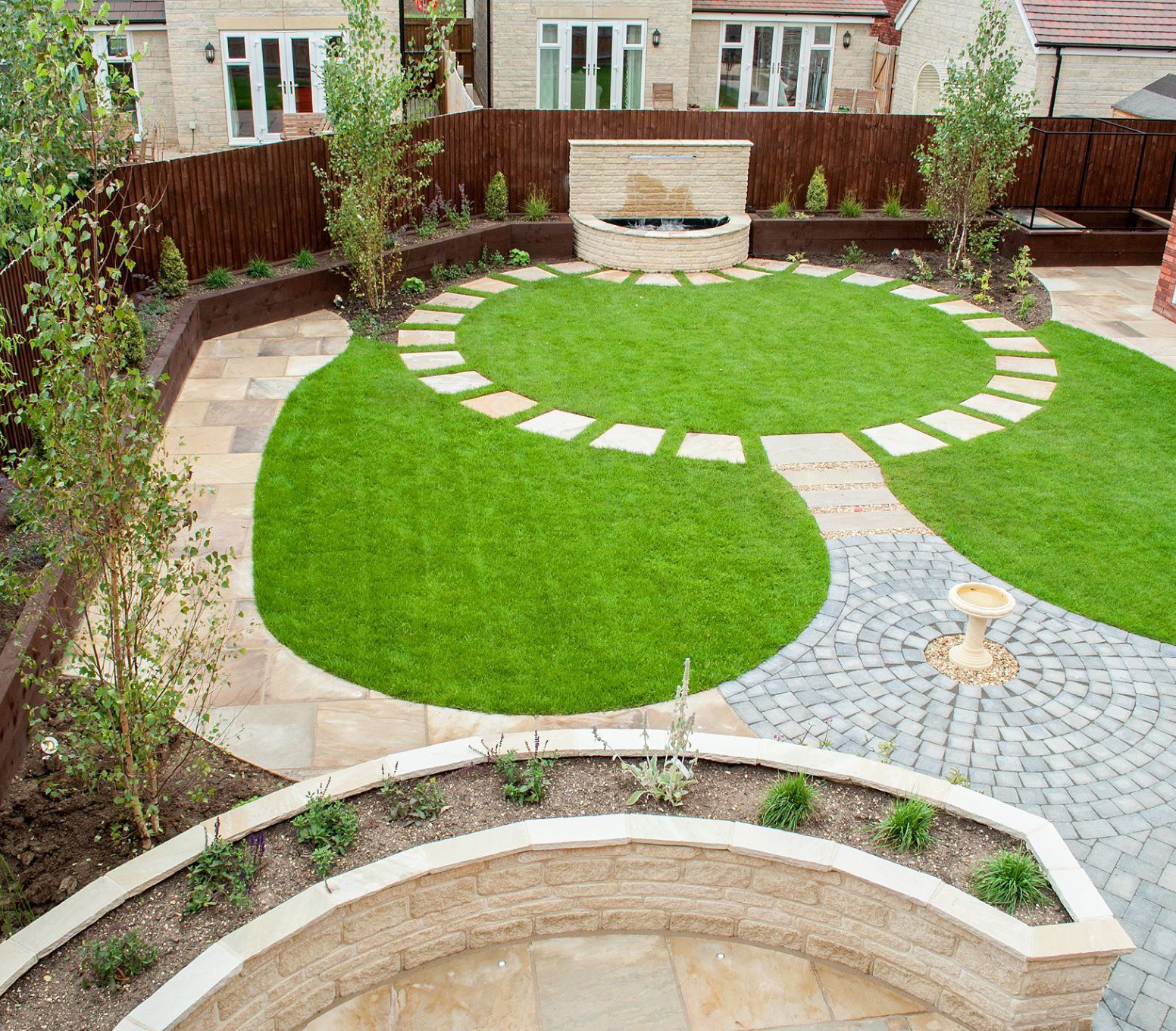
Credit: www.gsgardens.co.uk
Frequently Asked Questions
What Plants Are Best For A Family Garden?
Choose plants that are safe and non-toxic for children and pets. Opt for easy-to-maintain, resilient plants like sunflowers, tomatoes, and marigolds. These plants are not only visually appealing but also promote learning. Include a mix of flowers, vegetables, and herbs to create a vibrant and educational environment for the family.
How Do I Make A Garden Child-friendly?
Incorporate features like soft grass, raised beds, and sensory plants. Create dedicated play areas with safe equipment and pathways. Use non-toxic materials and avoid sharp-edged structures. Involve children in planting and maintenance to encourage a sense of responsibility. Ensure that the garden is safe, engaging, and educational for children.
What Garden Design Is Best For Families?
A garden with multiple zones caters to different activities. Include areas for relaxation, play, and gardening. Raised beds and containers are ideal for easy access. Incorporate seating for family gatherings and paths for exploration. Balance aesthetics and functionality to ensure the garden meets the needs of all family members.
How Can I Involve Kids In Gardening?
Assign simple tasks like watering, weeding, and planting seeds. Use colorful tools and gloves to make gardening fun. Teach them about plant life cycles and biodiversity. Encourage creativity by letting them design small garden sections. Involving kids fosters learning, responsibility, and a love for nature.
Conclusion
Creating a family garden offers endless joy and relaxation. It becomes a place for memories. A space to bond with nature. Remember to plan your design thoughtfully. Consider each family member’s needs and preferences. Choose plants wisely for beauty and function.
Safety is important, especially for kids and pets. Incorporate seating for comfort. Paths enhance accessibility. Regular maintenance keeps it thriving. Enjoy the process and watch your garden grow. It’s a rewarding venture for every family. Cherish the moments spent in your garden paradise.
Your family garden awaits.







