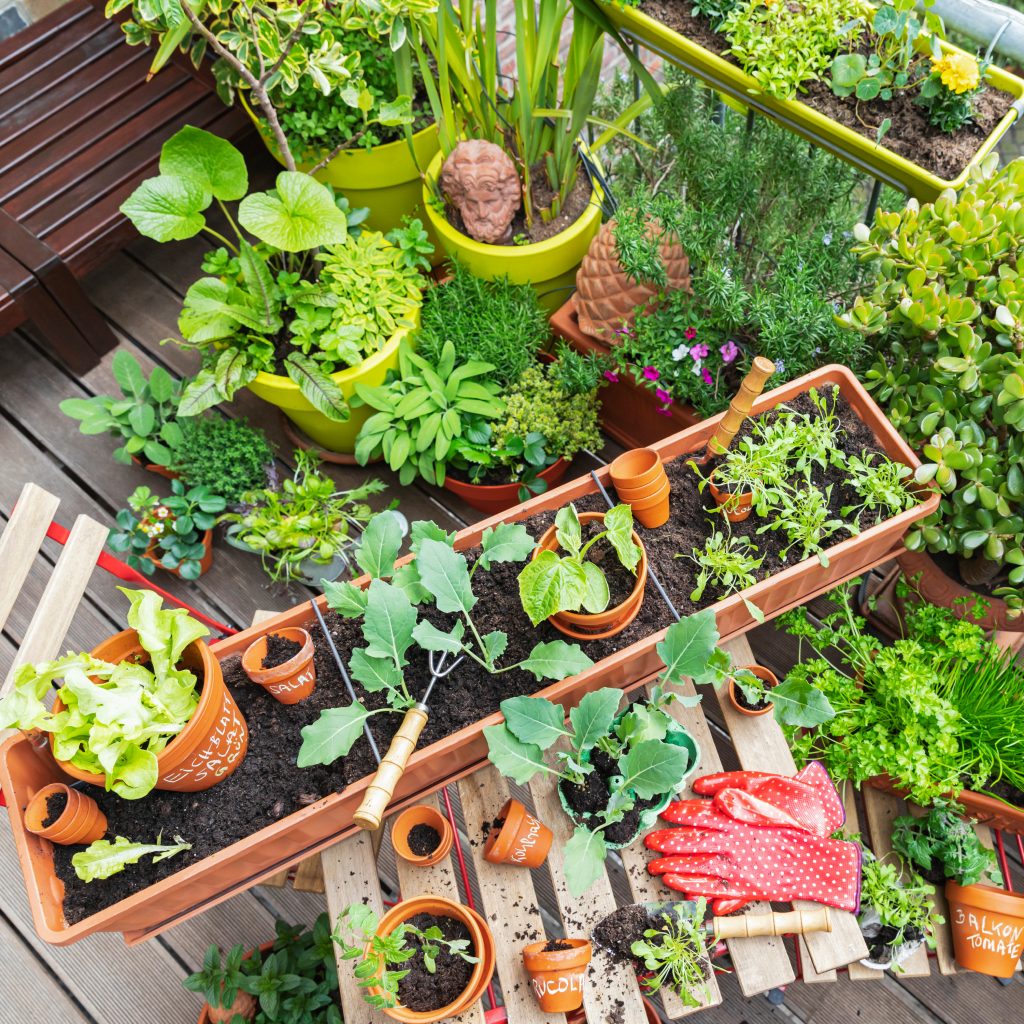
Imagine stepping into your garden and being greeted by vibrant, aromatic clusters of yarrow. This versatile plant isn’t just a feast for the eyes; it can transform your garden into a haven for pollinators and elevate your outdoor space’s beauty and utility.
But planting yarrow is more than just digging a hole and dropping it in. It’s about choosing the perfect spot to ensure it thrives and complements the rest of your garden. You might be wondering where exactly to plant yarrow for the best results.
This article is here to guide you through finding that ideal location, ensuring your yarrow flourishes and your garden becomes the picturesque escape you’ve always dreamed of. Keep reading to discover the secrets to planting yarrow that will make your garden the envy of the neighborhood.
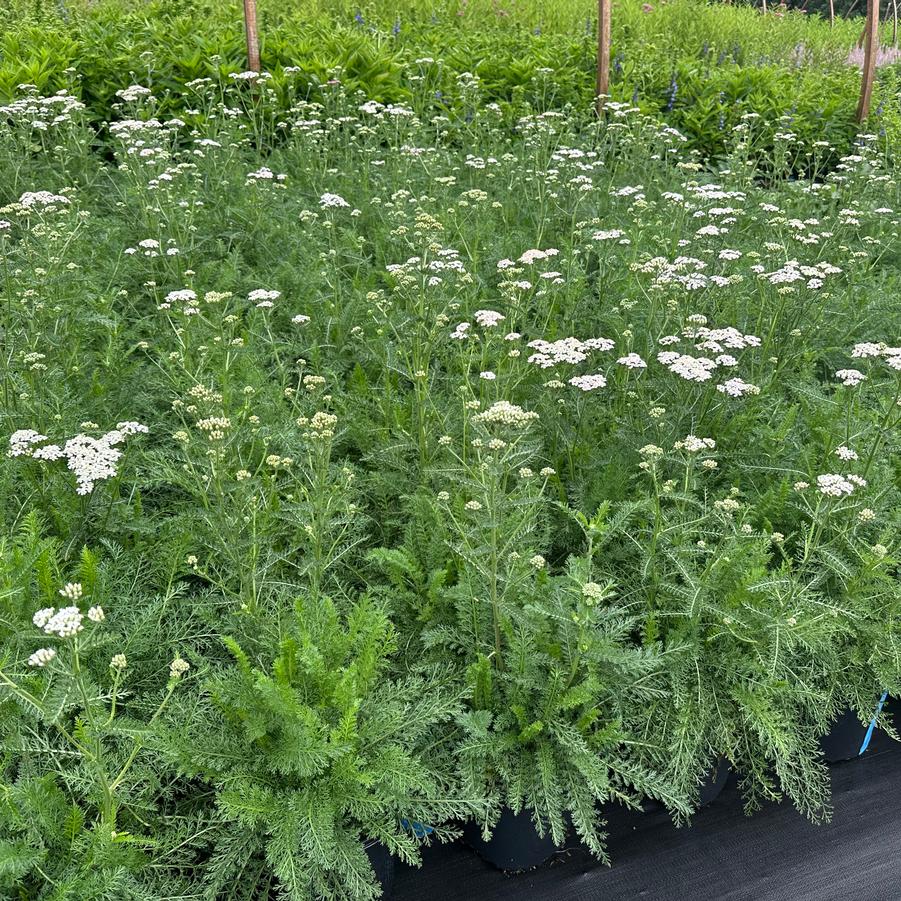
Credit: www.pleasantrunnursery.com
Ideal Climate For Yarrow
Yarrow thrives in sunny garden spots with well-drained soil. It prefers dry, warm climates and tolerates drought well.
Planting yarrow in your garden can be a rewarding experience, especially when you consider its adaptability to various climates. Understanding the ideal climate for yarrow not only ensures a thriving plant but also adds vibrant beauty to your garden. Let’s explore the perfect conditions for cultivating this resilient herb.Understanding Yarrow’s Climate Preferences
Yarrow thrives in climates that offer sunny days and well-drained soil. It is remarkably hardy and can adapt to different environmental conditions. Think of yarrow as a sun-loving plant that appreciates warmth yet can withstand cooler temperatures.Handling Different Temperature Ranges
Yarrow can tolerate a wide range of temperatures, making it versatile for various regions. It flourishes in temperate climates where winters are mild and summers are warm. If you live in a region with harsh winters, yarrow will still survive, though it may benefit from a bit of mulch protection.Adapting To Humidity Levels
This plant is quite forgiving when it comes to humidity. While it prefers moderate humidity, it can also endure dry conditions. You might notice that in overly humid areas, yarrow can be susceptible to diseases. Thus, ensuring good air circulation and spacing between plants can mitigate such risks.Personal Experience With Yarrow
In my own garden, yarrow has proven to be a robust addition. I planted it in an area that receives full sun, and despite the occasional cold snap, it has bounced back each spring. Its resilience has taught me that sometimes less fuss leads to greater beauty. Remember, the climate you’re in does not have to dictate your gardening success with yarrow. Have you considered how yarrow might transform a sunny corner of your garden?Soil Requirements
Plant yarrow in well-drained soil to ensure healthy growth. Sandy or loamy soil works best for this resilient plant. Avoid overly rich soil, as it may hinder its flowering potential.
The soil requirements for yarrow are crucial to ensure its vibrant growth and bountiful blooms. Yarrow is a resilient plant, but paying attention to its soil needs can significantly enhance its beauty and health. By understanding and optimizing the soil conditions, you can transform your garden into a stunning oasis where yarrow thrives effortlessly.Optimal Soil Type
Yarrow flourishes best in well-drained soil with a neutral to slightly acidic pH. Sandy or loamy soils are ideal, as they prevent waterlogging, which can be detrimental to the plant. If your garden soil is heavy clay, consider mixing in some sand or perlite to improve drainage. This helps yarrow roots breathe and prevents rot, ensuring a robust plant that blooms consistently.Improving Soil Conditions
Enhancing your garden soil doesn’t have to be a daunting task. Start by testing your soil’s pH with a simple kit available at gardening stores. This will guide you in adjusting the soil to the ideal range for yarrow. Add organic matter, such as compost or aged manure, to enrich the soil. This not only boosts drainage but also provides essential nutrients that yarrow needs to thrive. Aim for a loose soil texture that allows roots to spread easily. Consider mulching around your yarrow plants. Mulch helps retain moisture and keeps weeds at bay, providing a healthy environment for your plants. Do you think your garden soil measures up to yarrow’s needs?Sunlight Needs
Understanding the sunlight needs of yarrow is crucial for a thriving garden. Yarrow, a hardy perennial, is beloved for its feathery foliage and vibrant blooms. But where should you plant it to ensure it flourishes?
Full Sun Benefits
Planting yarrow in full sun is often the best choice. It thrives when it basks in at least six hours of direct sunlight daily. This exposure encourages abundant flowering and a sturdy, upright growth habit.
Consider a sunny spot where other plants might struggle. Yarrow’s drought resistance makes it perfect for those tricky areas that receive plenty of sun. Ever notice how some plants seem to wilt under the heat? Yarrow will stand tall and proud, offering continuous blooms through the summer.
Partial Shade Considerations
While full sun is ideal, yarrow can tolerate partial shade. In these spots, it might not flower as profusely, but it will still grow well. If your garden has limited sunny spots, don’t worry—yarrow can adapt.
Place it where it receives morning sun and afternoon shade. This setup helps prevent scorching while still providing enough light for growth. However, be mindful of over-shading, which can lead to leggy plants and fewer blooms.
Have you tried growing yarrow in different light conditions? What worked best for you? Share your experiences and enrich the garden community with your insights.

Credit: www.commonweeder.com
Watering Guidelines
When you’re planning to plant yarrow in your garden, understanding the watering guidelines is crucial to ensuring healthy growth. Yarrow is known for its resilience, but getting the watering right can make all the difference between a thriving plant and a struggling one. Let’s dive into some key aspects of watering yarrow to help you cultivate a vibrant garden.
Drought Tolerance
Yarrow is a hardy perennial that boasts impressive drought tolerance. This means it can thrive with minimal water once established. If you’re living in an area prone to dry spells, yarrow is a perfect choice. Its roots dig deep, allowing it to access moisture even when the surface is dry.
Despite its tolerance, it’s important to support young yarrow plants with adequate water to help them establish. Remember, a little extra care at the start can lead to a robust plant that requires less attention later.
Watering Frequency
Once your yarrow is established, you’ll find it requires less frequent watering compared to other garden plants. A general rule is to water when the soil feels dry a couple of inches below the surface. This might mean watering every 7-10 days, depending on weather conditions.
Overwatering can lead to root rot, so be cautious not to drench your yarrow. Consider using a drip irrigation system for precise control. Why not test the soil moisture before watering? It could save you time and prevent unnecessary water usage.
Companion Planting
Yarrow thrives in sunny garden spots, attracting beneficial insects and enhancing plant health. Plant it near vegetables like tomatoes and lettuce to boost growth and deter pests naturally. Its drought-resistant nature makes it an ideal companion for various plants, enriching soil and promoting biodiversity.
Companion planting is a smart strategy for garden enthusiasts. Pairing yarrow with compatible plants enhances growth and health. It also helps repel pests naturally. Knowing which plants benefit from yarrow is key to a thriving garden.Plants That Thrive With Yarrow
Yarrow acts as a protector in the garden. Its presence attracts beneficial insects like ladybugs and lacewings. This reduces the pest population. Here are some plants that grow well with yarrow: – Lavender: Both plants love sunlight and well-drained soil. Together, they create a fragrant garden corner. – Echinacea: These plants share similar growing conditions. Their combined colors attract pollinators. – Tomatoes: Yarrow improves tomato health by deterring harmful insects. – Chives: Yarrow’s pest-repelling properties keep chive plants safe.Avoiding Planting Near Certain Species
While yarrow benefits many plants, some don’t mix well. Avoid planting yarrow near these species: – Mint: Yarrow and mint can compete for nutrients. Mint’s aggressive growth can overshadow yarrow. – Cilantro: These plants have different water needs. Cilantro prefers more moisture than yarrow. – Rue: Both plants produce chemicals that may hinder each other’s growth. – Sage: Sage can inhibit yarrow’s growth if planted too close.Garden Layout Strategies
Yarrow thrives in sunny spots with well-drained soil. Group it with other drought-tolerant plants for a harmonious look. Its feathery foliage and vibrant blooms make it perfect for borders or wildflower gardens.
Planting yarrow in your garden is like adding a touch of effortless elegance. This hardy plant, known for its feathery foliage and vibrant blooms, can transform your outdoor space into a stunning display. But where should you plant yarrow for maximum impact? Let’s dive into some clever garden layout strategies.Borders And Edges
Yarrow makes a fantastic choice for borders and edges. Its upright growth and colorful flowers create a natural boundary that can define garden spaces beautifully. You might find that it pairs well with lavender or coreopsis, creating a charming, rustic look. Positioning yarrow along pathways can guide guests through your garden with a splash of color. Consider alternating it with other perennials for a dynamic edge that changes with the seasons.Rock Gardens And Slopes
Yarrow thrives in rock gardens and on slopes, where other plants might struggle. Its deep roots help stabilize soil, making it an excellent choice for erosion control. Imagine a hillside covered in yarrow’s vibrant blooms — it’s not only practical but breathtaking. In a rock garden, yarrow can fill gaps between stones with beauty and ease. Its drought tolerance means it can survive tough conditions, adding resilience to your garden design. Have you tried planting yarrow in challenging spots? The outcome might surprise you. Its adaptability could be the key to solving tricky garden dilemmas.Wildlife And Pest Considerations
Plant yarrow in sunny spots to attract beneficial insects while deterring pests. Its aromatic leaves repel deer and rabbits, safeguarding your garden.
Considering wildlife and pest interactions in your garden is crucial when deciding where to plant yarrow. This resilient plant offers multiple benefits, from attracting helpful insects to deterring bothersome pests. Understanding how yarrow interacts with the ecosystem can enhance your gardening success and biodiversity.Attracting Beneficial Insects
Planting yarrow can turn your garden into a haven for beneficial insects. Its tiny flowers are a rich source of nectar and pollen, attracting pollinators like bees and butterflies. Imagine your garden buzzing with life as these insects help your plants thrive. Ladybugs and lacewings, both natural predators of aphids and other harmful pests, are also drawn to yarrow. By planting yarrow, you create a self-sustaining pest control system. This not only reduces the need for chemical pesticides but also supports a healthy garden ecosystem.Deterring Unwanted Pests
Yarrow’s benefits extend to pest deterrence as well. Its strong scent can confuse and repel some garden pests, acting as a natural barrier. This means fewer uninvited guests munching on your plants. Consider planting yarrow near vegetables like tomatoes or cucumbers. This strategic placement can help protect these plants from common pests, enhancing their growth. Have you noticed fewer pests in your garden since adding yarrow? By understanding how yarrow interacts with wildlife and pests, you can make informed decisions about its placement in your garden. This not only boosts plant health but also contributes to a more vibrant and balanced ecosystem.
Credit: www.youtube.com
Frequently Asked Questions
What Is The Best Location For Yarrow?
Yarrow thrives in sunny spots with well-drained soil. Choose a location that receives at least six hours of sunlight daily. Avoid overly damp areas to prevent root rot. Yarrow is versatile and can be planted in borders, rock gardens, or as ground cover.
It’s also drought-tolerant once established.
Can Yarrow Grow In Shade?
While yarrow prefers full sun, it can tolerate partial shade. In shaded areas, it may not bloom as profusely. Ensure the soil is well-drained to avoid moisture issues. If planting in shade, monitor for any signs of stress. Yarrow in shade might focus more on foliage than flowers.
Does Yarrow Need Special Soil Conditions?
Yarrow is adaptable and thrives in various soil types. However, it prefers well-drained soil with a neutral to slightly alkaline pH. It’s not picky about fertility but avoid overly rich soil. Too much nitrogen can lead to excessive foliage growth and fewer flowers.
Amend heavy clay soils with organic matter.
How Often Should I Water Yarrow?
Yarrow is drought-tolerant and requires minimal watering once established. Water it deeply but infrequently, allowing the soil to dry between watering. In the first growing season, water regularly to help establish roots. Avoid overwatering, which can lead to root rot and other issues.
Conclusion
Yarrow thrives in sunny spots with well-drained soil. Choose areas that receive full sun. These conditions boost growth and flowering. Yarrow adapts to different soil types, making it versatile. Avoid overly wet areas; yarrow prefers dry conditions. Planting near paths or borders works well.
This location adds beauty and accessibility. Yarrow’s low maintenance nature appeals to gardeners. It attracts beneficial insects, enhancing biodiversity. Its hardy nature suits various climates. Consider companion planting for a vibrant garden. Yarrow complements other plants, creating harmony. Enjoy the beauty and benefits of yarrow in your garden space.