Have you ever wondered why your indoor herb garden doesn’t seem to flourish as you imagined? You’re not alone.
Many indoor gardeners face the same challenge. The secret could lie in how much sunlight your herbs are getting. Sunlight is crucial for your herbs to thrive, but striking the right balance can be tricky. Too little, and your plants might struggle; too much, and they could wilt.
But don’t worry, this guide will shed light on exactly how much sunlight your indoor herbs need. Stick around, because by the end of this article, you’ll know how to create the perfect environment for your indoor herb garden to bloom. Let’s turn your home into a green haven that bursts with flavor and freshness!
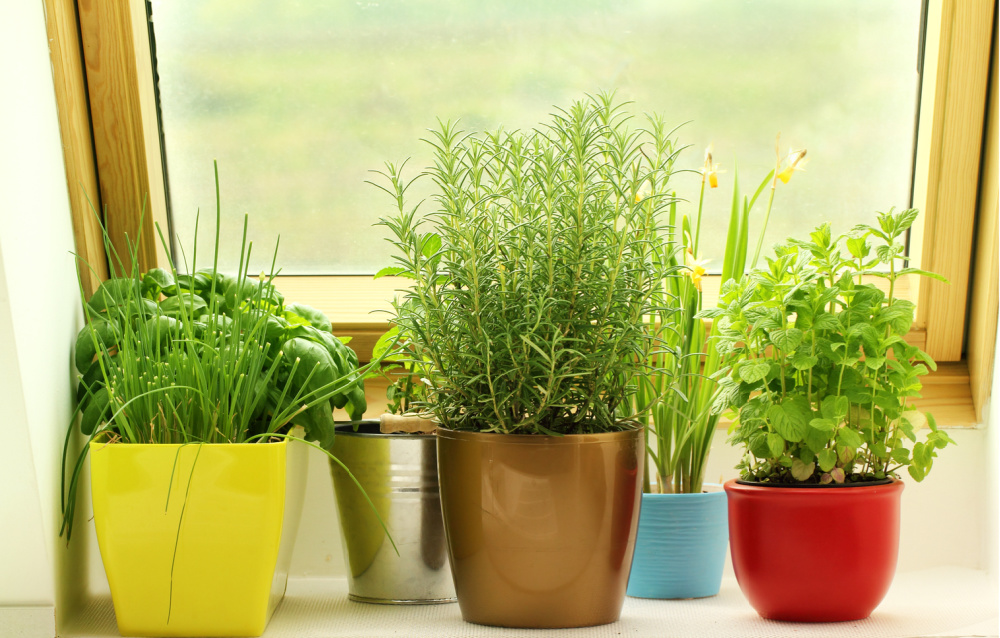
Credit: simplelivingcountrygal.com
Importance Of Sunlight For Herbs
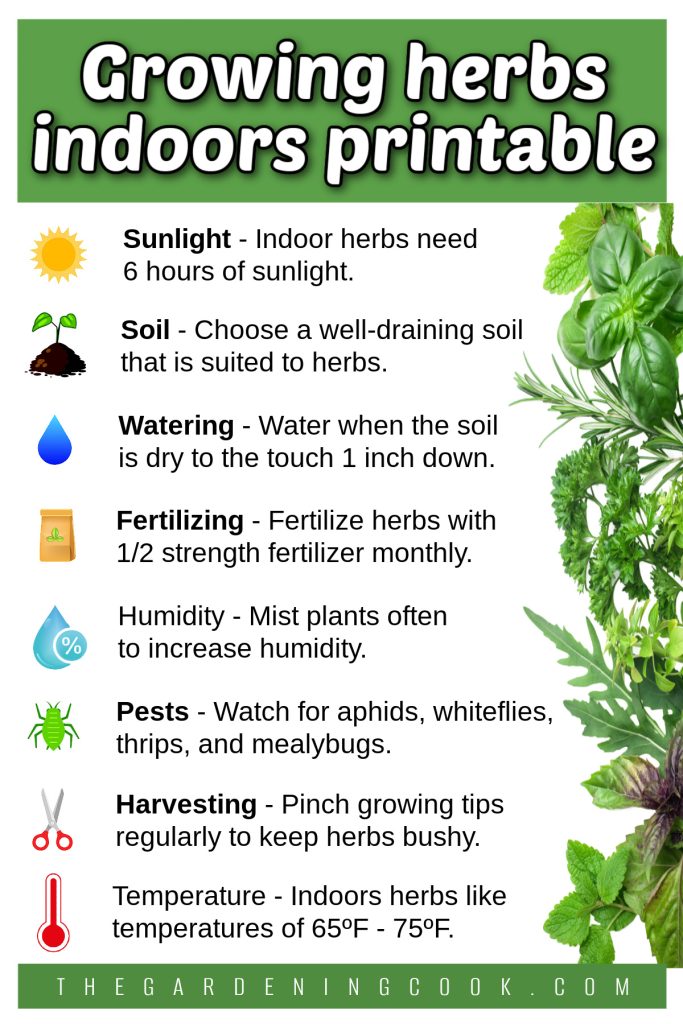
Understanding the sunlight needs is vital for an indoor herb garden. Most herbs thrive with six hours of daily sunlight. Proper sunlight ensures healthy growth and vibrant flavors.
Sunlight plays a vital role in growing healthy herbs indoors. Herbs need light to produce food through photosynthesis. Without enough sunlight, herbs can become weak and less flavorful. Each herb has its own sunlight needs, influencing its growth and taste.Why Herbs Need Sunlight
Herbs use sunlight to create energy. This energy helps them grow strong and produce flavorful leaves. Good sunlight exposure ensures vibrant color and scent.Effects Of Insufficient Sunlight
Lack of sunlight can lead to leggy herbs. They stretch to find light, becoming thin and weak. The flavor diminishes, affecting culinary use. Select a window with ample sunlight. South-facing windows usually provide the best light. Ensure herbs receive 6-8 hours of sunlight daily.Supplementing Light With Grow Lights
Grow lights can help when natural light is limited. They mimic sunlight, allowing herbs to thrive indoors. Choose LED grow lights for energy efficiency.Signs Of Too Much Sunlight
Excessive sunlight can scorch herb leaves. Watch for brown spots or wilting. Adjust placement to prevent damage.Balancing Light And Shade
Some herbs prefer partial shade. Basil and mint can benefit from filtered light. Use curtains or blinds to control light intensity.Observing Herb Growth
Monitor your herbs regularly. Healthy herbs have vibrant colors and sturdy stems. Make adjustments if they show signs of distress.
Credit: www.amazon.com
Optimal Sunlight Duration
Indoor herb gardens thrive with 6-8 hours of sunlight daily. Ensure herbs receive direct light for healthy growth. Adjust placement near windows for optimal exposure.
Finding the right amount of sunlight for your indoor herb garden is crucial. Herbs need sunlight to grow strong and healthy. Knowing the optimal sunlight duration helps you maintain a thriving herb garden indoors. This section explores how much sunlight different herbs need.Understanding Sunlight Needs
Most herbs need around six to eight hours of sunlight daily. Some herbs like basil, oregano, and thyme thrive with full sun exposure. Others, like parsley and mint, can do well with partial sunlight. Placing your herb garden near a south or west-facing window is ideal. If natural light is scarce, consider using grow lights. They provide the necessary light spectrum for herbs.Using Grow Lights Effectively
Grow lights are a great alternative to natural sunlight. They are helpful during cloudy days or in darker rooms. Place the grow light 6-12 inches above the herbs. Leave it on for 12-16 hours daily. This mimics natural sunlight and supports healthy growth. Choose LED or fluorescent lights for energy efficiency.Signs Of Light Deficiency
Herbs show signs when they lack sunlight. Watch for slow growth or pale leaves. Stems might become long and thin. This is called “leggy” growth. Adjust their light exposure if you notice these signs. Move the herbs closer to the light source. Check their placement to ensure adequate light.Adjusting For Seasonal Changes
Sunlight availability changes with seasons. In winter, daylight hours are shorter. Consider supplementing with grow lights during these months. In summer, watch for too much direct sunlight. It can scorch delicate leaves. Use sheer curtains to filter intense sunlight. This balance ensures your herbs receive optimal light throughout the year.Choosing The Right Window
Selecting the ideal window is crucial for an indoor herb garden. Aim for a spot with 6-8 hours of sunlight daily. East or south-facing windows often provide the best light.
Choosing the right window is key to a thriving indoor herb garden. Sunlight affects the growth, flavor, and health of your herbs. Different windows offer varying amounts of sunlight, influencing how well your garden flourishes. Understanding the direction and light intensity of your windows can help you make the best choice.South-facing Windows
South-facing windows provide the most sunlight throughout the day. Herbs like basil, rosemary, and thyme love bright, direct sunlight. Place your herbs close to the glass for maximum exposure. This helps them grow strong and flavorful. Be aware of potential overheating during summer months. Consider using sheer curtains to diffuse intense sunlight.East And West-facing Options
East-facing windows offer gentle morning sun. Perfect for herbs needing moderate light. Mint and parsley thrive here. West-facing windows provide afternoon sun. This suits herbs that enjoy warmer conditions. Both east and west windows balance light and shade. Rotate your pots regularly for even growth. Adjust the placement as seasons change to maintain optimal light levels.North-facing Challenges
North-facing windows receive the least sunlight. Herbs may struggle to grow without sufficient light. Choose shade-tolerant varieties like chives or oregano. Supplement with grow lights for better results. Position lights close to herbs for maximum benefit. Monitor growth closely to ensure plants remain healthy. Regularly check for signs of wilting or color change.
Credit: www.etsy.com
Artificial Light Alternatives
Growing herbs indoors can be rewarding, especially when sunlight is scarce. Artificial light provides a viable alternative to natural sunlight. It ensures your plants receive the right amount of light for healthy growth. This section explores various artificial lighting options, their placement, and optimal usage.
Types Of Grow Lights
Grow lights come in several varieties. Each type caters to different plant needs and budgets. LED lights are energy-efficient and versatile, offering a full spectrum of light. They are suitable for most herbs. Fluorescent lights are affordable and available in different sizes. They are ideal for small herb gardens. Incandescent lights are less popular due to high heat output. They are used mainly for specific warmth-loving plants.
Placement And Setup
Proper placement of grow lights is essential. Position lights close to the plants but not too close. This prevents overheating and ensures light reaches all leaves. A typical setup involves hanging the lights above the plants. Adjustable stands or shelves allow flexibility and control over light placement. Make sure the plants receive light evenly to promote uniform growth.
Timing And Intensity
Herbs need consistent light exposure to thrive. Set timers to regulate light duration, typically 12 to 16 hours daily. This mimics natural sunlight patterns. Adjust the intensity based on the plant’s needs. Young plants may require less intensity than mature ones. Monitor your plants for signs of stress or inadequate light. This helps adjust settings for optimal growth.
Signs Of Too Much Or Too Little Sunlight
Indoor herb gardens thrive with the right amount of sunlight. Yellow leaves signal too much sun, while pale, weak growth indicates too little. Adjust sunlight exposure to keep herbs vibrant and healthy.
Understanding the right amount of sunlight for your indoor herb garden is crucial. Herbs need just the right balance to thrive. Too much or too little sunlight can cause issues. Observing your plants closely will help you identify signs. Let’s explore the common indicators of sunlight imbalance.Leaf Discoloration
Leaves can turn yellow if they lack sunlight. This is a common sign of light deficiency. On the other hand, brown spots may appear with too much sun. Each plant might react differently, so check specific herb needs.Growth Patterns
Tall, leggy growth often means not enough sunlight. Herbs stretch towards light sources, becoming spindly. Stunted growth can indicate excessive sunlight. Plants may stop growing altogether if sun exposure is too high.Flavor Changes
Herbs losing flavor might be getting too little light. Insufficient sunlight can weaken their taste. Overexposure to sun can also alter flavor. Herbs may taste bitter or harsh when sun-stressed.Tips For Adjusting Light Exposure
Selecting the ideal amount of sunlight is crucial for thriving indoor herbs. Find a spot with bright, indirect light. Rotate plants occasionally to ensure even light exposure.
Adjusting light exposure for your indoor herb garden can make all the difference between thriving plants and lackluster growth. Herbs need just the right amount of sunlight to flourish, but achieving this balance can be tricky indoors. With a few smart strategies, you can ensure your herbs receive optimal light, even if your home isn’t flooded with natural sunshine. Here’s how you can maximize light exposure for your indoor herb garden.Rotating Plants
Rotating your plants is a simple yet effective method to ensure even light distribution. Every few days, turn your pots a quarter turn. This prevents one side from getting too much or too little light, promoting balanced growth. If you’ve ever noticed one side of your basil plant growing lopsided, this trick can help. It’s like giving your herbs a new perspective on life every time you rotate them.Using Reflective Surfaces
Reflective surfaces can amplify the light your herbs receive. Placing a mirror or a piece of aluminum foil behind your plants can bounce light back onto them. This is especially useful in darker rooms or during overcast days. Think of it as a DIY sunlight booster. You’ll be surprised at how much brighter your herb corner becomes with just a little reflection.Seasonal Adjustments
As the seasons change, so does the sun’s path. In winter, when sunlight is scarce, you might need to move your herbs closer to windows or even use grow lights. In summer, be cautious of too much direct sunlight, which can scorch delicate leaves. Ask yourself: Are your herbs getting more shade than sun as days grow shorter? Adjusting their location can compensate for seasonal shifts and keep them thriving year-round.Common Herbs And Their Light Needs
Growing herbs indoors can be rewarding. But light is crucial for their growth. Different herbs need different amounts of sunlight. Understanding these needs helps your indoor garden thrive.
Basil
Basil loves sunlight. It needs about 6 hours of sun each day. Place it near a south-facing window for best results. If natural light is limited, consider using a grow light. This ensures basil gets the energy it needs for lush growth.
Mint
Mint prefers indirect sunlight. It grows well with 3 to 4 hours of light daily. East or west-facing windows work best. Too much direct sun can scorch mint leaves. Keep it in a bright spot but out of harsh rays.
Parsley
Parsley thrives with moderate light. Around 4 to 6 hours of sun is ideal. A sunny windowsill suits parsley well. Ensure it gets consistent light for healthy leaves. If needed, supplement with a grow light to maintain its vibrant green color.
Frequently Asked Questions
How Much Sunlight Do Herbs Need Indoors?
Most indoor herbs require 6-8 hours of sunlight daily. Place them near a south-facing window for optimal exposure. If natural light is limited, consider using grow lights to supplement. Ensure your herbs receive consistent light to thrive and produce flavorful leaves.
Can Herbs Grow In Low Light Indoors?
Yes, certain herbs like mint and parsley can tolerate lower light conditions. While they grow slower, they can still thrive with indirect sunlight or fluorescent lights. Regular monitoring and adjusting light levels help maintain healthy growth and flavor.
What Happens If Herbs Get Too Much Sunlight?
Excessive sunlight can scorch herb leaves and cause wilting. Monitor your herbs for signs of sunburn and adjust their location if necessary. Ensure adequate watering and consider shading solutions during peak sunlight hours to prevent damage.
Which Herbs Need The Most Sunlight?
Basil, rosemary, and thyme require more sunlight compared to other herbs. Aim for 8 hours of direct sunlight for healthy growth. Position these herbs near the brightest window or use grow lights to meet their light requirements.
Conclusion
Growing an indoor herb garden is rewarding and simple. Sunlight plays a key role. Herbs like basil and thyme need bright light. Six hours daily is ideal. Too much sun can harm them. So, balance is crucial. Use windowsills or grow lights.
Adjust based on seasons. Observe your herbs’ growth and color. They tell you their needs. Experiment and learn. Each home has unique light. Finding the right spot takes patience. Soon, your herbs will thrive. Fresh flavors at your fingertips. Enjoy the journey of growing your herbs indoors.
Happy gardening!