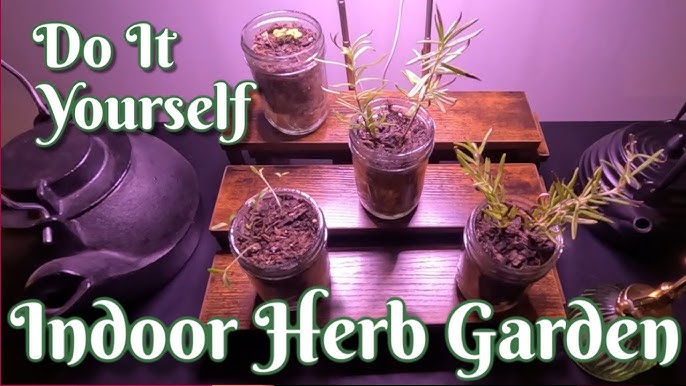
Imagine stepping into your kitchen and picking fresh basil for your pasta or snipping rosemary for a fragrant roast chicken. Sounds delightful, right?
An indoor herb garden can transform this dream into reality, allowing you to enjoy fresh flavors year-round, regardless of the weather outside. But what if you don’t have a sunny windowsill or the perfect outdoor space? That’s where indoor herb gardens with lights come in.
You have the power to create a thriving green oasis right in the heart of your home. With just a few simple steps, you’ll be on your way to growing lush, aromatic herbs that not only enhance your meals but also bring life and beauty into your living space. Let’s dive into how you can build your own indoor herb garden with lights, and discover how easy it is to cultivate a garden that provides endless satisfaction and a touch of nature indoors.
Choosing The Right Herbs
Selecting suitable herbs is crucial for your indoor garden with lights. Choose easy-to-grow herbs like basil, mint, and parsley. Consider their growth needs and ensure your space and lighting support their development.
Choosing the right herbs is key for a thriving indoor garden. Some herbs grow well indoors, while others need more attention. Understanding each herb’s needs will help you succeed in creating your herb garden. You’ll enjoy fresh herbs year-round with the right choices.Popular Herbs For Indoor Gardens
Some herbs are popular for indoor gardens due to their adaptability. Consider these options for your indoor herb garden:- Basil: Perfect for adding flavor to dishes.
- Mint: Great for teas and desserts.
- Chives: Ideal for garnishing meals.
- Parsley: Adds a fresh touch to recipes.
- Cilantro: Essential for many cuisines.
Growth Requirements Of Each Herb
Each herb has unique growth requirements. Knowing these will improve your gardening experience. – Basil: Needs bright light, warm temperatures, and regular watering. – Mint: Thrives in indirect light and moist soil. – Chives: Prefers bright light and well-drained soil. – Parsley: Requires moderate light and occasional watering. – Cilantro: Grows best in cool temperatures and indirect light. By meeting each herb’s needs, your indoor garden will flourish. Enjoy the satisfaction of growing your own herbs.
Credit: www.botanicalblueprint.com
Selecting The Ideal Location
Finding a spot with ample natural light is crucial for an indoor herb garden. Choose a location near windows or under grow lights to ensure your herbs thrive. Ensure easy access for daily care and maintenance.
Selecting the ideal location is crucial for your indoor herb garden. Proper placement ensures herbs receive the right light and space. This leads to healthy growth and a bountiful harvest.Evaluating Space And Light
Begin by assessing the available space in your home. Choose a spot with ample room for containers and growth. A windowsill or kitchen counter often works well. Consider how much light the area gets daily. Most herbs need 6-8 hours of light. If natural light is scarce, plan to use grow lights. LED grow lights are energy-efficient and effective.Factors Affecting Growth
Several factors impact herb growth. Temperature is critical; most herbs thrive in 65-75°F. Avoid placing your garden near heat sources or cold drafts. Humidity levels also matter. Herbs like a moderate level of humidity. Using a small humidifier can help if the air is too dry. Lastly, consider the accessibility of water for regular watering. Easy access ensures you maintain consistent moisture levels for your herbs.Essential Tools And Supplies
Essential tools and supplies include pots, quality soil, and LED grow lights. These ensure your herbs thrive indoors. A spray bottle and pruning shears aid in maintenance, promoting healthy growth.
Building an indoor herb garden with lights is an exciting and rewarding venture. Whether you’re a seasoned gardener or a beginner, having the right tools and supplies can make all the difference. Let’s dive into the essentials you’ll need to get your indoor herb garden thriving.Types Of Planters And Containers
Choosing the right planters and containers is crucial for your indoor herb garden. Consider using containers with good drainage to prevent waterlogging. Options like ceramic pots, plastic containers, or even repurposed jars can work wonders. If space is a concern, vertical planters or hanging pots can maximize your growing area. Remember, your plants need room to breathe and grow, so ensure your containers are appropriately sized.Recommended Soil Mixes
The soil mix is the foundation of your herb garden. A well-draining, nutrient-rich soil mix is essential for healthy growth. You can use a blend of potting soil, perlite, and compost to create an ideal environment for your herbs. If you’re unsure about the mix, ready-made potting soil labeled for herbs can be a convenient option. Keep in mind, the right soil will retain moisture but not become soggy, which is vital for your plants’ health.Lighting Options For Growth
Light is life for your indoor herb garden, especially when natural sunlight is limited. LED grow lights are a popular choice as they are energy-efficient and provide the right spectrum for plant growth. You may also consider fluorescent grow lights, which are affordable and effective. Position your lights about 6-12 inches above the plants, adjusting as they grow, to ensure they receive sufficient light. Ask yourself: How much light do your herbs need? Tailor your lighting choices to the specific needs of each herb to ensure robust growth and a bountiful harvest.
Credit: food52.com
Setting Up Your Herb Garden
Create a thriving indoor herb garden with the right lighting. Position LED grow lights above your plants to mimic sunlight. Choose herbs like basil and mint, which flourish indoors with adequate light.
Setting up your indoor herb garden involves thoughtful planning. A well-organized space ensures healthy growth and easy maintenance. Begin by choosing the right spot, considering light and space requirements. Follow these steps to create your thriving herb garden.Arranging Planters And Containers
Select containers with good drainage. Herbs need well-drained soil to prevent root rot. Use various sizes to accommodate different herb types. Smaller pots work well for basil and cilantro, while larger ones suit rosemary and mint. Arrange them to maximize space and light exposure. Group herbs with similar needs together. This simplifies watering and care. Vertical gardening can save space. Use shelves or hanging pots to optimize room.Installing Lighting Systems
Indoor herbs need adequate light for photosynthesis. Use LED grow lights for energy efficiency. They provide the right spectrum for herb growth. Position lights above the plants, 6-12 inches away. Adjust height as plants grow taller. Ensure the lights are on for 12-16 hours daily. This mimics natural sunlight conditions. Use timers for convenience. They automate the lighting schedule, ensuring consistent light exposure.Caring For Your Indoor Herbs
Building an indoor herb garden with lights ensures fresh herbs year-round. Select suitable pots and arrange LED grow lights for optimal growth. Regular watering and pruning keep herbs healthy and vibrant indoors.
Caring for your indoor herbs ensures they thrive and produce flavorful leaves. Proper care helps maintain healthy growth and extends the life of your herb garden. Let’s explore some essential care tips.Watering Techniques
Watering herbs indoors requires attention to detail. Use a watering can with a narrow spout. This prevents overwatering and targets the soil directly. Check soil moisture regularly with your finger. If the top inch is dry, it’s time to water. Ensure pots have drainage holes. Excess water can cause root rot.Pruning And Harvesting Tips
Regular pruning keeps herbs bushy and productive. Use sharp scissors to snip leaves just above a leaf node. This encourages new growth. Harvest herbs in the morning for the best flavor. Picking regularly prevents the plant from flowering. Once herbs flower, leaves may taste bitter.Dealing With Common Pests
Indoor herbs can attract pests like aphids or spider mites. Wipe leaves with a damp cloth to remove them. Use a mild soap solution as a natural insecticide. Ensure good airflow around plants to deter pests. Monitor plants weekly for any signs of infestation. Quick action keeps your herbs healthy.Maximizing Herb Growth
Create a thriving indoor herb garden with lights by selecting suitable herbs and providing proper lighting. Ensure herbs receive at least 12 hours of light daily for optimal growth. Use adjustable LED grow lights to mimic natural sunlight and enhance herb vitality indoors.
Maximizing Herb Growth Growing herbs indoors can be a rewarding endeavor, but ensuring they thrive requires attention to detail. Maximizing their growth involves understanding their needs and providing the right environment. Let’s dive into how you can create the perfect conditions for your indoor herb garden.Fertilizing Indoor Plants
Fertilizing is crucial for healthy herb growth. Since indoor plants don’t have access to natural nutrients from the soil, a balanced fertilizer can make a big difference. Use a liquid fertilizer every four to six weeks to give your herbs the nutrients they need. Consider the specific needs of each herb. For instance, basil thrives with a nitrogen-rich fertilizer, while rosemary prefers more potassium. Keep an eye on leaf color as well; yellowing leaves might indicate a nutrient deficiency.Optimizing Light Conditions
Light is an essential component for photosynthesis, which fuels plant growth. Ensure your herbs receive at least 12-16 hours of light daily. LED grow lights are a fantastic option as they provide the full spectrum of light that plants need without the heat. Position lights about 6-12 inches above your plants for optimal exposure. If you notice your herbs leaning toward the light source, rotate them regularly to promote even growth. How does your current setup compare? Could adjusting your lighting transform your herb garden into a flourishing green oasis?Creative Ways To Use Your Herbs
Once you’ve successfully set up your indoor herb garden with lights, the next exciting step is discovering creative ways to use your fresh herbs. From adding a burst of flavor to your dishes to concocting soothing herbal remedies, the possibilities are endless. Whether you’re a cooking enthusiast or looking for natural health solutions, your herb garden can be a source of endless inspiration.
Culinary Uses
Fresh herbs can transform ordinary meals into extraordinary culinary experiences. Imagine the aroma of basil enhancing your homemade pasta sauce or the refreshing taste of mint in a summer salad. You can elevate your dishes by using herbs like rosemary in roasted meats or thyme in soups and stews.
Consider trying new recipes that highlight your herbs. Make a simple pesto with basil, garlic, and pine nuts for a delightful spread. Or, experiment with herb-infused oils and vinegars to add depth to your cooking. Don’t forget to sprinkle fresh cilantro over tacos for an authentic touch.
Herbal Remedies
Your herb garden can also be a source of natural wellness. Many herbs have medicinal properties that can support health and well-being. Chamomile, for example, is known for its calming effects and can be used to make soothing teas. Lavender can be added to bathwater for relaxation.
Create your own herbal tinctures or balms using plants like calendula or echinacea, known for their healing properties. You might find that a simple cup of peppermint tea helps with digestion. As you explore these remedies, you might wonder: what other benefits can your garden offer?

Credit: www.youtube.com
Frequently Asked Questions
What Herbs Grow Best Indoors With Lights?
Herbs like basil, thyme, mint, and parsley thrive indoors with lights. LED or fluorescent grow lights provide the right spectrum. Ensure the lights are positioned 6-12 inches above the herbs. Regularly check for adequate light exposure to promote healthy growth and flavorful herbs.
How Often Should I Water Indoor Herbs?
Watering frequency depends on the herb type and pot size. Generally, water when the top inch of soil feels dry. Overwatering can lead to root rot, so ensure proper drainage. Monitor the soil moisture regularly to prevent dehydration or over-saturation.
What Type Of Lights Are Best For Herbs?
LED grow lights are ideal for herbs due to their efficiency and full spectrum. They mimic sunlight, promoting healthy herb growth. Position them 6-12 inches above your plants. Fluorescent lights are also a good option for indoor herb gardens.
Can Herbs Grow Without Natural Sunlight?
Yes, herbs can grow without natural sunlight using artificial lights. LED and fluorescent grow lights replicate sunlight’s spectrum. Position the lights 6-12 inches above the herbs. Proper light exposure is crucial for healthy growth and flavor development.
Conclusion
Growing herbs indoors is rewarding and fun. With lights, herbs thrive. You enjoy fresh flavors all year. Start small and expand as you learn. Choose easy herbs like basil and mint. Adjust lights for healthy growth. Water regularly but avoid overwatering.
Experiment with different setups. Discover what works best for your space. Herbs add beauty and aroma to your home. Plus, they boost your cooking. An indoor garden offers relaxation and joy. Share the experience with friends and family. Begin today and watch your garden grow.
Simple steps lead to delicious results. Enjoy the journey of indoor gardening.







