Have you ever dreamt of having a lush, green oasis right in your living room? Imagine plucking fresh herbs for your dinner or watching vibrant flowers bloom, all within the comfort of your home.
Planting an indoor organic garden might just be your next rewarding project. Not only does it allow you to grow your own food and plants without harmful chemicals, but it also adds life and color to your space. You might think it’s a complex task, but with the right guidance, you’ll find it’s simpler than you imagined.
Ready to transform your home into a green paradise? Let’s dive into the essentials of starting your very own indoor organic garden. With just a few steps, you can create a healthier, more vibrant living space that’s uniquely yours. Keep reading, and discover how easy it can be to cultivate nature indoors.
Benefits Of Indoor Organic Gardening
Create a thriving indoor organic garden to enjoy fresh produce year-round. Organic gardening indoors reduces exposure to harmful chemicals and supports a healthy lifestyle. This practice enhances air quality while offering a rewarding experience for nature lovers.
Planting an indoor organic garden offers many benefits. It brings nature into your home and improves your lifestyle. From enhancing air quality to providing fresh produce, the advantages are numerous.Improved Air Quality
Indoor plants can clean the air around you. They absorb carbon dioxide and release oxygen. This process helps in reducing indoor air pollutants. Plants like spider plants and peace lilies are great for this purpose. They act as natural air purifiers. This can lead to a healthier living environment.Access To Fresh Produce
Growing your own vegetables indoors ensures fresh ingredients. You can pick herbs like basil and mint whenever needed. This reduces the need for grocery store visits. Fresh produce is often tastier and more nutritious. It also gives you control over what you eat. You can ensure that your food is free from harmful chemicals.
Credit: www.youtube.com
Choosing The Right Plants
Select plants that thrive indoors like herbs, leafy greens, and small vegetables. Ensure they fit your space and light conditions. Opt for organic seeds or seedlings to maintain a chemical-free environment.
Choosing the right plants for your indoor organic garden can make or break your gardening experience. The limited space and varied lighting conditions inside a home mean not every plant will thrive. Selecting the right species ensures a bountiful harvest and a vibrant display of greenery.Herbs For Indoor Gardens
Herbs are a great starting point for an indoor garden. They require minimal space and can often thrive with just a sunny windowsill. Consider easy-to-grow varieties like basil, mint, and chives. Do you love cooking with fresh ingredients? Having a small pot of basil by your kitchen window can turn your pasta dishes into gourmet meals.Vegetables Suitable For Indoors
Vegetables can be more challenging but rewarding to grow indoors. Leafy greens like spinach and lettuce adapt well to indoor environments. They grow quickly, allowing for multiple harvests throughout the year. Peppers and cherry tomatoes also do well with adequate light. Imagine plucking fresh tomatoes right from your living room—it’s a conversation starter and a taste enhancer!Fruit Trees And Vines
While it might seem ambitious, certain fruit trees and vines can flourish indoors. Dwarf varieties of lemon or fig trees are perfect for a sunny corner. Grapevines are another surprising option. With proper support, they can add both beauty and function, offering sweet clusters of grapes. It’s an exciting challenge that can transform your space into a mini orchard. Choosing the right plants not only maximizes your yield but also keeps the gardening process enjoyable and stress-free. What will you choose to grow in your indoor oasis?Selecting Containers And Pots
Choose containers with proper drainage to prevent root rot. Opt for pots that fit your plants’ size and growth needs.
Selecting the right containers and pots is crucial for your indoor organic garden. The type of containers you use can affect plant health and growth. Good containers help plants develop strong roots and stay healthy.Size And Material Considerations
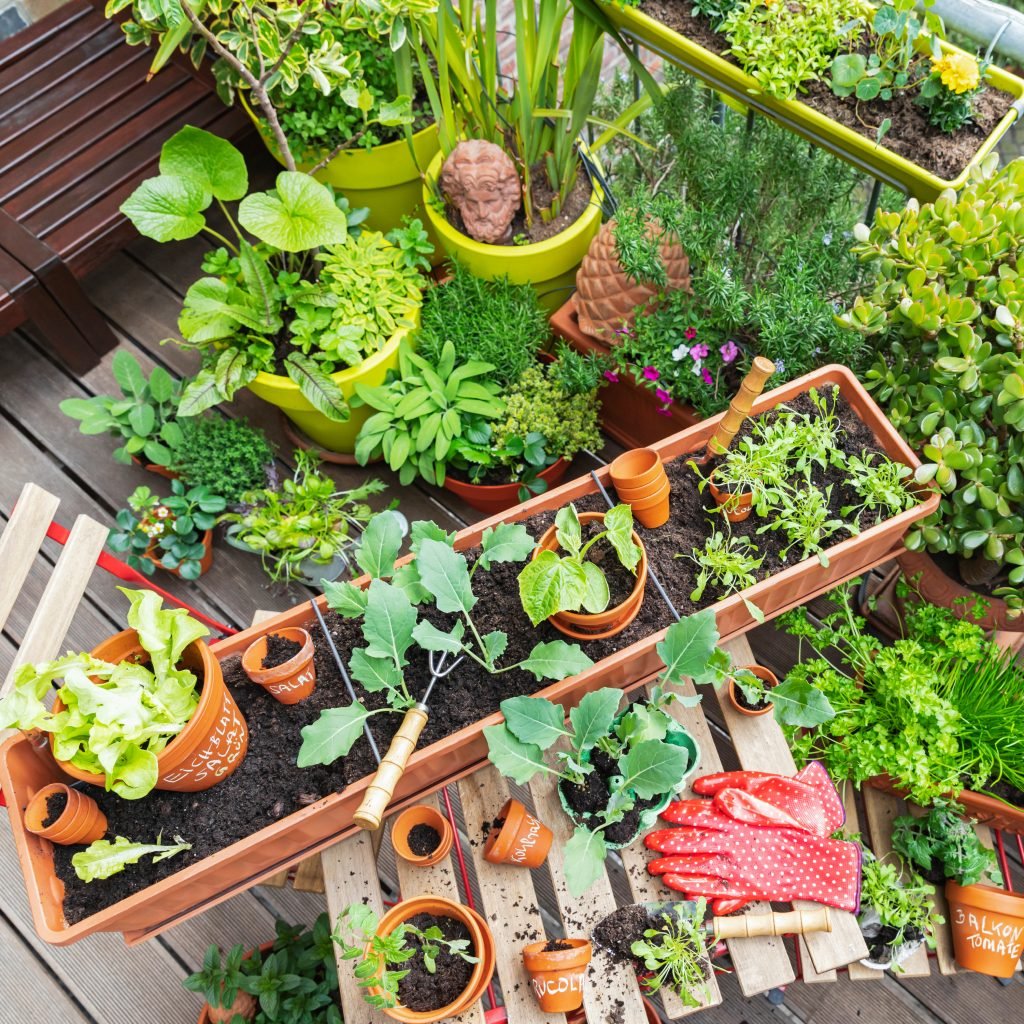
Choosing the right size is important. Small pots suit herbs and small plants. Bigger pots are best for vegetables and fruits. Ensure the pots are deep enough for roots to grow. Materials also matter. Clay pots breathe well and keep plants cool. Plastic pots are lightweight and hold moisture longer. Choose materials that suit your plant’s needs.Drainage Solutions
Good drainage keeps plant roots healthy. Stagnant water can cause root rot. Make sure your pots have drainage holes. If a pot lacks holes, drill some in the bottom. Consider using a layer of gravel. Place it at the bottom of the pot. This helps improve drainage. It also prevents soil from blocking the holes. Use a saucer under the pot. It catches excess water and keeps surfaces dry.
Credit: food52.com
Organic Soil And Fertilizers
Choosing organic soil and fertilizers ensures a healthy indoor garden. Rich in nutrients, they boost plant growth naturally. Ideal for those seeking eco-friendly gardening solutions.
Planting an indoor organic garden is a rewarding experience, and using organic soil and fertilizers is crucial for the health of your plants. Organic soil provides the foundation for plant growth, offering essential nutrients without harmful chemicals. Fertilizers enhance this process, boosting plant health naturally. But how do you choose the right soil and fertilizers for your indoor garden?Choosing Organic Soil Mix
Selecting the right soil mix is the first step to a thriving indoor garden. Look for soil labeled as “organic,” ensuring it’s free from synthetic additives. A good organic soil mix should include components like peat moss, compost, and perlite or vermiculite for drainage. Consider the type of plants you’re growing. Herbs might need different soil conditions than succulents. Remember, quality matters more than brand name. A local garden shop might offer the best options tailored to your area’s climate.Natural Fertilizing Techniques
Once you have the right soil, natural fertilizers can enhance plant growth. Compost is an excellent choice, providing a balanced mix of nutrients. You can make your own compost at home using kitchen scraps like vegetable peels and coffee grounds. Another option is using worm castings, which are rich in nutrients and improve soil structure. Liquid fertilizers like fish emulsion or seaweed extract are great for a quick nutrient boost. Apply these sparingly, as too much can harm your plants. Have you ever tried banana peels as a fertilizer? They’re rich in potassium, which is essential for plant health. Simply bury them in the soil, and let nature do its work. What other household items could double as a plant booster? By using organic soil and natural fertilizers, you’re not just growing healthier plants. You’re creating a sustainable environment right in your home. What steps will you take today to start your indoor organic garden journey?Lighting And Temperature Needs
Proper lighting and temperature are crucial for an indoor organic garden. Position plants near windows for natural sunlight. Maintain temperatures between 65-75°F for optimal growth.
Creating an indoor organic garden opens up a world of fresh produce and vibrant greenery all year round. However, mastering the art of maintaining the right lighting and temperature is crucial for your garden’s success. These two elements mimic the outdoor conditions plants naturally thrive in, providing them the best chance to flourish indoors.Artificial Light Options
When natural sunlight is insufficient, artificial lighting becomes essential. LED grow lights are a popular choice. They are energy-efficient and can be adjusted to provide the specific light spectrum that plants need. Fluorescent lights, especially T5 bulbs, are another excellent option. They emit less heat, reducing the risk of overheating your plants. For those on a budget, CFL bulbs can be a good starting point. Although not as effective as LEDs, they still provide adequate lighting for small-scale gardens.Temperature Regulation Tips
Maintaining a consistent temperature is vital. Most indoor plants thrive between 65°F and 75°F. Use a simple thermometer to monitor your garden’s environment. Avoid placing plants near heating vents or drafty windows. Sudden temperature changes can stress your plants. Consider using a space heater or cooling fan if needed. These tools can help maintain a stable climate, ensuring your plants are comfortable and productive. Have you ever walked into a room and instantly felt its mood based on its temperature? Your plants feel the same way! Keeping their environment stable can make a world of difference.Watering And Humidity Control
Creating a thriving indoor organic garden requires careful attention to watering and humidity. These factors play a vital role in plant health. Balancing them ensures your plants grow strong and vibrant.
Proper Watering Techniques
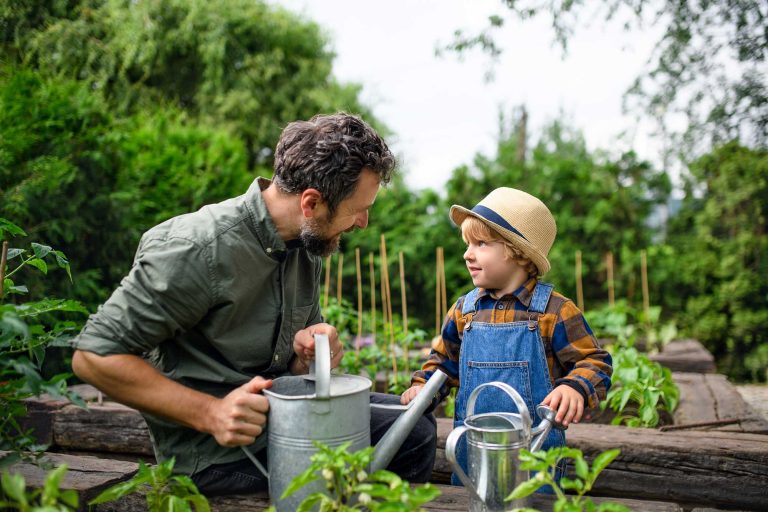
Watering is crucial for your indoor garden’s success. Use a watering can with a narrow spout. This helps direct water to the base of plants. Wet the soil, not the leaves, to avoid mold. Check soil moisture regularly. Insert a finger into the soil about an inch deep. If it feels dry, it’s time to water. Avoid overwatering, which can lead to root rot.
Choose pots with drainage holes. This ensures excess water escapes, preventing soggy soil. Consider the needs of each plant. Some plants need more water, others less. Group plants with similar watering needs together. This simplifies care and promotes healthy growth.
Managing Indoor Humidity
Indoor humidity affects plant health. Most plants prefer moderate humidity levels. Use a hygrometer to monitor humidity in your garden space. If the air is too dry, use a humidifier. It adds moisture, helping plants thrive. Place the humidifier near your plants.
Alternatively, create humidity trays. Fill trays with pebbles and water. Place pots on top, ensuring the base doesn’t touch water. As water evaporates, it increases humidity around the plants. Misting plants occasionally can also help. Spray water on leaves gently, but not too often. This prevents mildew and keeps leaves fresh.
Proper watering and humidity control can transform your indoor garden. With these tips, you can enjoy lush, healthy plants year-round.
Pest And Disease Management
Effective pest and disease management is key to a thriving indoor organic garden. Use natural repellents and maintain cleanliness to keep plants healthy. Regular inspection helps spot issues early and ensures sustainable growth.
Growing an indoor organic garden is a rewarding venture, but managing pests and diseases can be a challenge. You might wonder, “How do I keep my plants healthy without using harsh chemicals?” Fortunately, there are effective natural methods to safeguard your garden. Let’s dive into some practical strategies for pest and disease management.Natural Pest Control Methods
Keeping pests at bay naturally involves using safe and effective techniques. Companion planting is a great start. Pairing plants like basil with tomatoes can repel unwanted insects. Consider introducing beneficial insects like ladybugs and lacewings. They naturally prey on aphids and other harmful pests, reducing their numbers. Neem oil is another excellent choice. This natural extract disrupts the life cycle of many garden pests, making it an organic gardener’s ally.Disease Prevention Strategies
Preventing diseases in your indoor garden is crucial for plant health. Start with the basics: ensure good air circulation. Placing a fan nearby can help reduce the chances of mold and mildew. Water management plays a key role. Overwatering can lead to root rot, so always check the soil’s moisture before adding more water. Regularly inspect your plants for any signs of disease. Early detection can save your plants from serious damage. Are there yellowing leaves or strange spots? Address these immediately to keep your garden thriving. These strategies not only help maintain a healthy indoor organic garden but also ensure you enjoy fresh produce year-round. What steps will you take to protect your green space today?
Credit: food52.com
Maintaining Your Indoor Garden
Create a thriving indoor organic garden by choosing suitable plants and quality soil. Ensure proper lighting and watering for healthy growth. Regularly check for pests and diseases to maintain a lush, green space.
Maintaining your indoor garden is essential for healthy plant growth. A little effort can keep your plants thriving all year round. It’s important to create a routine that ensures each plant gets the care it needs. With the right attention, your indoor garden will flourish beautifully.Regular Care And Pruning
Caring for your indoor plants involves regular watering and feeding. Ensure the soil remains moist, but not soggy. Overwatering can harm your plants. Use organic fertilizers to nourish the plants. Follow a schedule for feeding them. Pruning is equally important. Trim dead leaves and branches to encourage new growth. This helps the plant focus energy on healthy parts.Monitoring Plant Health
Keep an eye on your plants for signs of distress. Yellowing leaves might indicate overwatering or lack of nutrients. Check the leaves for pests like aphids or spider mites. If you spot them, take action quickly. Use organic methods to remove these pests. Ensure your plants get enough light. Adjust their placement if they appear leggy or pale. Regular inspection can prevent problems from escalating.Frequently Asked Questions
What Plants Are Best For Indoor Organic Gardens?
Choose plants like herbs, lettuce, and tomatoes for your indoor garden. They adapt well to limited space and light. These plants are easy to manage and grow quickly. Ensure they receive adequate sunlight or artificial light for optimal growth. Regular watering and organic fertilizers will enhance their development.
How Do I Start An Indoor Organic Garden?
Begin by selecting suitable containers with good drainage. Use organic soil and plant seeds or seedlings. Ensure proper lighting conditions and maintain consistent watering. Regularly check for pests and use organic solutions if needed. With patience and care, your indoor garden will thrive.
What Lighting Is Needed For Indoor Plants?
Indoor plants need natural sunlight or artificial grow lights. Position them near windows for natural light. If using grow lights, ensure they’re on for 12-16 hours daily. Adjust light intensity according to plant needs. Proper lighting ensures healthy growth and prevents plant stress.
How Often Should I Water Indoor Plants?
Water indoor plants when the topsoil feels dry. The frequency depends on the plant type and environment. Check soil moisture regularly. Overwatering can lead to root rot, while under-watering causes wilting. Adjust watering based on seasonal changes and plant needs for optimal health.
Conclusion
Growing an indoor organic garden is a rewarding hobby. It brings nature inside your home. You enjoy fresh herbs and veggies all year. The key is simple care and patience. Choose the right plants for your space. Use organic soil and fertilizers.
Water them regularly. Watch for pests and keep them away. Feel the joy of growing your food. Share your harvest with family and friends. Begin this green journey today. You will love the results. Happy gardening!