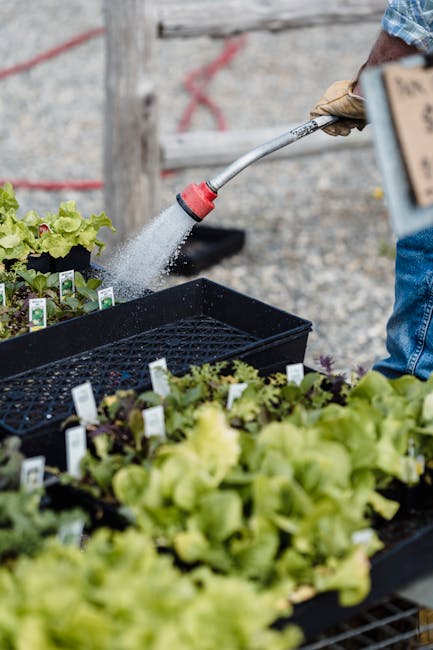
You’ve planted your seeds, full of hope and anticipation for the lush garden that will soon thrive in your backyard. But now comes the crucial question: how often should you water your garden after planting seeds?
Watering is the lifeline for your plants, ensuring they grow strong and healthy. Get it right, and you could enjoy a bountiful harvest. Get it wrong, and your plants might struggle or even fail to grow. We’ll guide you through the essential watering techniques tailored for your garden’s needs.
We’ll unravel the mystery of watering frequency, giving you the confidence to nurture your seedlings to maturity. You’ll learn the simple secrets to prevent overwatering, the common pitfalls to avoid, and the signs your plants are sending about their hydration needs. Dive in, and discover how to transform your garden into a thriving paradise, one drop at a time.
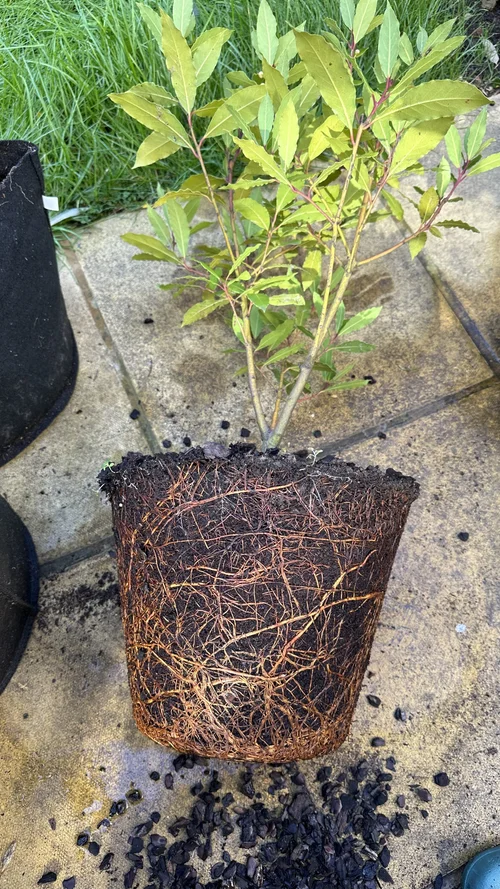
Credit: meadowlarkjournal.com
Watering Basics For New Seeds
Water newly planted seeds daily to keep the soil moist. Avoid overwatering to prevent seed rot. As seedlings grow, reduce watering to every few days.
Planting seeds can be an exciting beginning of your gardening journey, but knowing how much water to give them right after planting is crucial. New seeds require just the right amount of moisture to germinate and grow. Overwatering can drown them, while underwatering can prevent them from taking root. Understanding the basics of watering your new seeds can make all the difference in ensuring a healthy garden.Understanding Seed Water Needs
Seeds are delicate and need consistent moisture to start sprouting. You should aim to keep the soil damp, but not soaked. Think of the soil as a sponge—it should be moist to the touch but not dripping wet. When you water, try to do so gently with a watering can or hose attachment that mimics a gentle rain. This helps avoid displacing seeds.Frequency Of Watering
Initially, you might need to water daily, especially if the weather is dry and hot. As seeds start germinating, the need for daily watering might reduce. Keep an eye on the soil surface; if it appears dry, it’s a cue to water. Remember, morning is usually the best time for watering to prevent evaporation and allow plants to absorb moisture throughout the day.Adjusting For Weather Conditions
Weather plays a huge role in watering schedules. During a rainy period, your seeds might not need extra watering, whereas in a drought, they might need more frequent attention. If you’re in a windy area, soil can dry out faster, demanding more frequent watering. Always adjust your watering routine based on weather forecasts.Signs Of Overwatering Or Underwatering
Knowing the signs of overwatering or underwatering can save your seeds. If you notice mold on the soil surface, it might be a sign of overwatering. On the other hand, if the soil is cracking or seeds aren’t germinating, they may be thirsty. Adjust your watering habits accordingly to keep the soil perfectly moist. Your gardening success starts with understanding these watering basics for new seeds. Keep the balance right, and you’ll soon see them sprout into vibrant plants.Factors Influencing Watering Frequency
Watering newly planted seeds can be tricky. Several factors influence how often to water your garden. Understanding these factors ensures healthy growth and prevents overwatering.
Soil Type And Composition
Different soil types absorb water differently. Sandy soil drains fast, needing frequent watering. Clay soil retains moisture longer, requiring less frequent watering. Loamy soil balances drainage and retention, ideal for most plants.
Climate And Weather Conditions
Weather greatly impacts watering needs. Hot, dry climates demand frequent watering. Humid regions may need less. Rainy seasons reduce the need for manual watering.
Type Of Seeds Planted
Seed types have varied water needs. Some seeds prefer consistently moist soil. Others thrive in drier conditions. Know your seeds’ requirements for optimal growth.
Signs Of Overwatering And Underwatering
Understanding the signs of overwatering and underwatering is crucial for healthy gardens. Newly planted seeds need the right amount of water. Too much or too little can harm them. Learn to recognize these signs for optimal plant growth.
Common Overwatering Symptoms
Overwatering can suffocate plants. Watch for these symptoms:
- Yellowing leaves that feel soft.
- Soil is always wet and muddy.
- Roots may rot, causing bad smells.
- Fungi or mold growing on the soil surface.
- Leaves may start dropping off.
Indicators Of Underwatering
Underwatering can stress plants. Look for these indicators:
- Leaves look wilted and dry.
- Soil is dry and crumbly to touch.
- Plants grow slower than expected.
- Leaf edges turn brown and crispy.
- Plants may appear stunted or weak.
Recognizing these signs helps maintain a balanced watering schedule. This ensures healthy and thriving plants in your garden.
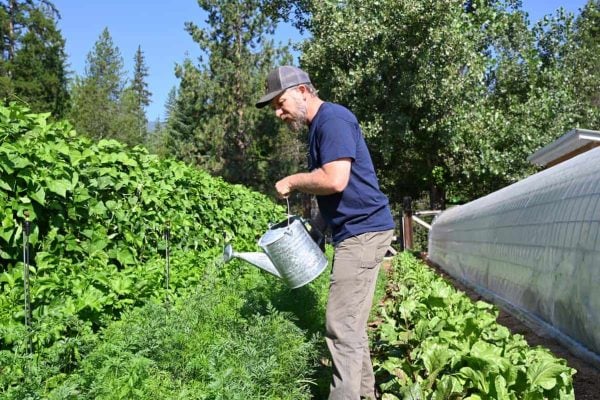
Credit: homesteadingfamily.com
Best Watering Techniques
Watering your garden after planting seeds is crucial for successful growth. The right watering techniques can make a significant difference in your garden’s health. Have you ever wondered why some gardens thrive while others struggle? It’s often down to how they’re watered. Let’s dive into some of the most effective watering methods that can transform your garden into a flourishing oasis.
Top Watering Methods
- Gentle Sprinkling:Use a watering can with a fine rose to lightly sprinkle water over the soil. This prevents soil erosion and ensures seeds aren’t washed away.
- Soaker Hose:Lay a soaker hose along your garden bed. It delivers water directly to the soil, minimizing evaporation and conserving water.
- Watering Wand:Ideal for reaching plants in the back rows, a watering wand provides a gentle stream and is perfect for delicate seedlings.
Have you tried using a watering wand? It’s surprisingly effective for reaching those hard-to-access areas without disturbing the soil.
Benefits Of Drip Irrigation
- Water Efficiency:Drip irrigation systems slowly drip water directly to the plant’s roots, reducing waste and improving absorption.
- Consistent Moisture:This method ensures a steady supply of moisture, which is crucial during the early growth stages.
- Reduced Disease Risk:By keeping foliage dry, drip irrigation minimizes the risk of diseases, making it a healthier choice for your garden.
Have you considered drip irrigation for your garden? It’s a game-changer, especially during dry spells when every drop counts.
Adjusting Watering As Plants Grow
Understanding how to adjust watering as plants grow is essential for a thriving garden. As seeds transform into seedlings and then mature plants, their water needs change. This careful adjustment ensures healthy growth and prevents issues like root rot or drought stress. Learn how to adapt your watering routine as your garden evolves.
Transitioning From Seeds To Seedlings
In the early stages, seeds require consistent moisture. Keep the soil damp but not soggy. Use a gentle spray to avoid washing seeds away. As seedlings emerge, reduce watering frequency slightly. Allow the topsoil to dry between waterings. This helps roots grow deeper and stronger.
Watering Established Plants
As plants mature, their water needs change again. Most established plants prefer deeper, less frequent watering. This encourages deep root growth. Water early in the morning to reduce evaporation. Pay attention to weather conditions. On hot, dry days, increase watering slightly. During rainy periods, reduce it to prevent waterlogging.
Expert Tips For Successful Germination
Embarking on the journey of gardening brings its own set of challenges and joys, especially when it comes to nurturing seeds to germinate successfully. One key aspect of this process is understanding the right watering techniques. Proper watering is crucial for seeds to sprout into healthy plants, and knowing when and how to water them can make all the difference. Let’s dive into some expert tips that can help you ensure successful germination in your garden.
Timing Your Watering
Timing is everything when it comes to watering seeds. Experts recommend watering seeds right after planting to give them a good start. But what about after that initial soak? It’s essential to keep the soil consistently moist but not waterlogged. Consider watering in the early morning or late afternoon to prevent evaporation and allow moisture to penetrate deeply.
One practical tip is to observe the soil’s surface. If the top inch feels dry, it’s time to water. You might want to try a daily routine initially, adjusting as the seeds begin to sprout. Remember, seeds need a delicate balance of moisture for optimal growth.
Monitoring Soil Moisture Levels
Keeping a keen eye on soil moisture can save your seeds from drowning or drying out. A simple finger test can work wonders. Insert your finger about an inch into the soil. If it feels dry, it’s time for a drink; if it’s damp, hold off on watering.
For a more technical approach, consider using a soil moisture meter. These handy gadgets can give you precise readings, helping you make informed decisions about when to water. By ensuring the soil stays moist, you’re creating a welcoming environment for your seeds to thrive.
Have you ever wondered why some seeds germinate faster than others? Often, it’s the attention to soil moisture that makes the difference. So, keep a close watch, and your garden will thank you for it!
Common Mistakes To Avoid
Watering your garden after planting seeds is crucial for healthy growth, but it’s easy to make mistakes that can hinder your plants’ development. These common errors can be avoided with some simple adjustments to your gardening routine. Let’s dive into some common mistakes you might be making and how to avoid them.
Ignoring Seasonal Changes
One of the most common mistakes gardeners make is ignoring the impact of seasonal changes on watering needs. As temperatures fluctuate, so do your plants’ requirements for moisture. In the hotter months, plants might need more frequent watering, while cooler months may demand less. Keep a keen eye on the weather forecasts and adjust your watering schedule accordingly. Have you ever noticed your plants wilting despite regular watering? It might be time to reassess based on the season!
Using Incorrect Watering Tools
The tools you use for watering can make a significant difference. Using a high-pressure hose can disturb the soil and damage delicate seedlings. Opt for a watering can or a hose with a gentle spray nozzle for better control. This ensures even distribution and prevents soil erosion. Have you considered how your watering technique might be affecting your garden’s health? A simple change in tools could lead to better results.

Credit: www.instagram.com
Frequently Asked Questions
How Often Should I Water Newly Planted Seeds?
Newly planted seeds typically need watering once daily. Ensure the soil remains consistently moist but not waterlogged. Early mornings or late afternoons are ideal times. This helps in preventing evaporation and maintaining optimal moisture levels. Adjust frequency based on weather conditions and soil type.
Is Morning The Best Time To Water Seeds?
Yes, morning is ideal for watering seeds. Watering in the morning reduces evaporation and allows plants to absorb moisture effectively. This timing also helps prevent fungal diseases by giving foliage time to dry during the day. Adjust based on your local climate and weather conditions.
Can I Overwater Garden Seeds After Planting?
Yes, overwatering can harm seeds. Excessive moisture may lead to seed rot and poor germination. Ensure soil is moist but not soggy. Check soil condition regularly to adjust watering frequency. Proper drainage is crucial to prevent waterlogging and ensure healthy seed growth.
How Does Weather Affect Seed Watering Frequency?
Weather significantly impacts watering needs. Hot, dry conditions may require more frequent watering. Conversely, cooler or rainy weather may reduce the need. Regularly check soil moisture and adjust accordingly. Understanding weather patterns helps maintain optimal conditions for seed germination and growth.
Conclusion
Watering seeds correctly is key to garden success. Too much or too little can harm growth. Check soil often for dryness. Adjust watering based on weather conditions. Rain or sun changes moisture needs. Early morning or late afternoon is best for watering.
It reduces evaporation and keeps plants hydrated. Use a gentle spray to avoid seed disturbance. Patience and observation lead to healthy plants. Trust your instincts and learn from experience. With time, your garden will thrive. Enjoy watching seeds grow into beautiful plants.
Your efforts will be rewarded. Happy gardening!







