Imagine stepping into your backyard and being greeted by a lush, elevated oasis that stands out with vibrant blooms and intriguing textures. A berm garden can transform your outdoor space into a captivating visual delight while adding dimension and interest.
If you’ve ever wondered how to design a berm garden that not only elevates your landscaping game but also offers practical benefits like improved drainage and privacy, you’re in the right place. You will uncover the secrets to creating a berm garden that reflects your personal style and meets your gardening needs.
Discover simple steps, expert tips, and creative ideas that make the process both enjoyable and rewarding. Whether you’re a seasoned gardener or a beginner looking to add a unique feature to your yard, this guide will equip you with everything you need to know. So, get ready to unleash your creativity and bring your berm garden vision to life. Your perfect garden awaits!
Benefits Of Berm Gardens
Berm gardens enhance landscape aesthetics and provide natural drainage solutions. Their raised design adds depth and texture to outdoor spaces. Creating a berm garden involves choosing the right plants and materials for optimal water management.
Designing a berm garden can transform your landscape, adding both beauty and functionality. Berm gardens, with their raised mounds of soil, offer numerous benefits that traditional flat gardens simply can’t match. By elevating plants, they create visual interest, improve drainage, and can even help with privacy. But what makes berm gardens particularly appealing? Let’s explore some of their unique advantages.Improved Drainage
One of the standout benefits of a berm garden is its ability to improve drainage. If your yard tends to collect water after a heavy rain, a berm can act as a natural solution. The raised design allows excess water to drain away more efficiently, protecting your plants from root rot.Enhanced Visual Appeal
Berm gardens bring a dynamic aesthetic to any landscape. The varying heights add texture and depth, breaking the monotony of a flat lawn. You can play with different plant heights and colors, creating a stunning layered effect that draws the eye.Increased Privacy
Are you looking for a little more seclusion in your outdoor space? Berms can help with that too. By strategically planting taller shrubs or trees on top, you create a natural barrier that offers privacy from neighbors or street views.Versatile Planting Options
Berm gardens offer flexibility in plant selection. They can accommodate plants with different sunlight and moisture needs due to the varying heights and slopes. This allows you to experiment with a diverse range of flora, from sun-loving perennials to moisture-loving ferns.Wildlife Habitat
Berms can also be a haven for wildlife. The layered vegetation provides shelter and food for birds, insects, and small mammals. If you enjoy watching wildlife from your window, a berm garden might be the perfect addition.Practical Erosion Control
If erosion is a concern, berm gardens can be part of the solution. Their raised structure helps stabilize soil, especially on slopes or uneven terrain. With the right plants, berms can significantly reduce soil erosion, maintaining the integrity of your landscape. Designing a berm garden might just be the answer to some of your landscaping challenges. Have you considered how it might transform your outdoor space?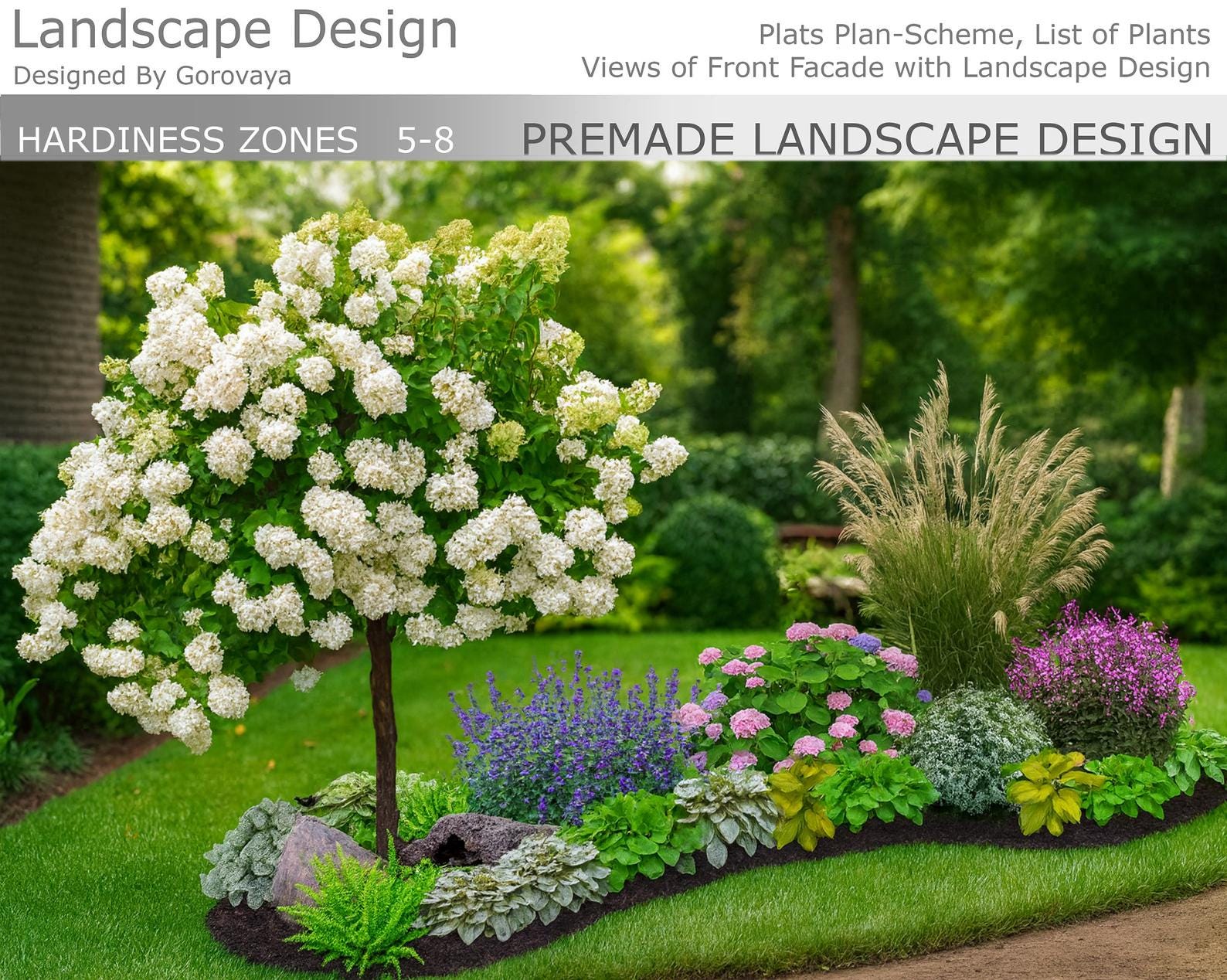
Credit: www.etsy.com
Choosing The Right Location
Selecting an optimal site for your berm garden is essential for its success. Choose a location with good sunlight and drainage. Consider proximity to water sources and accessibility for maintenance.
Choosing the right location for your berm garden is crucial for its success. Not only does the placement impact the aesthetic appeal, but it also influences plant growth and overall maintenance. Selecting an ideal spot requires a bit of observation and planning, but the results are rewarding. Imagine walking out into your garden, greeted by a thriving, beautiful berm that you’ve thoughtfully placed for maximum impact.Assess Sunlight Exposure
Observe how much sunlight different areas of your garden receive throughout the day. Some plants thrive in full sun, while others prefer partial shade. Position your berm in an area that aligns with the sunlight needs of your chosen plants.Evaluate Soil Drainage
Test the soil drainage by digging a small hole and filling it with water. If it drains quickly, the spot is likely suitable for your berm. Poor drainage can lead to waterlogged roots, affecting plant health.Consider The View
Think about how your berm will look from various angles. Will it enhance the view from your patio or windows? A well-placed berm can serve as a stunning focal point in your garden design.Look At The Terrain
Identify any natural slopes or elevations in your garden. These can be perfect for adding a berm, utilizing the existing landscape to create depth and interest without extensive modifications.Proximity To Water Source
Ensure the location is accessible to a water source for easy watering. A nearby hose or irrigation system can make maintenance more convenient, especially during dry spells.Wind Patterns
Consider the wind patterns in your area. Placing your berm as a windbreak can protect delicate plants and create a more sheltered microclimate for your garden.Space For Growth
Ensure there is ample space for your plants to grow and spread. Crowding can lead to competition for nutrients and moisture, hindering plant development.Accessibility
Think about how easy it will be to access your berm for maintenance tasks. You don’t want to be struggling to reach it for weeding or pruning. Accessibility can save you time and effort in the long run. Choosing the right location doesn’t just affect plant health; it transforms your garden into a dynamic, engaging space. As you plan, ask yourself, where do you want your garden oasis to be?Selecting The Best Shape And Size
Choosing the right shape and size for a berm garden enhances its visual appeal and functionality. Consider the garden’s location, available space, and desired plants. Adjust the design for effective water drainage and soil retention.
Selecting the right shape and size for your berm garden is crucial. It impacts both the aesthetics and functionality of your landscape. A well-designed berm can enhance drainage, add privacy, and create visual interest. Choosing the best shape and size involves understanding your garden’s layout, soil type, and plant needs.Understanding Garden Space
Evaluate your available garden space. Consider any existing plants or structures. The berm should complement these elements. A large garden may accommodate a bigger, more prominent berm. A smaller garden might benefit from a subtle, compact shape. Ensure your design fits harmoniously into the existing environment.Considering Functionality
Decide what you need the berm for. Is it for drainage improvement or creating privacy? Different purposes might require different shapes and sizes. For instance, a long, low berm might help direct water flow. Meanwhile, a tall berm could serve as a visual barrier.Exploring Shape Options
Explore various shapes like oval, kidney, or crescent. Each shape brings a different aesthetic to your garden. An oval berm offers a smooth, gentle look. A crescent shape might create a dynamic, flowing appearance. Choose a shape that enhances your garden’s overall theme.Determining Optimal Height
Height plays a key role in berm design. Tall berms can block views or wind, while shorter ones can subtly enhance terrain. Consider how the height will affect plant growth and garden aesthetics. Ensure the height is proportionate to the garden space.Balancing Proportions
Balance is crucial in berm design. Avoid making the berm too large or too small compared to other elements. Ensure it integrates seamlessly with the landscape. A well-proportioned berm looks natural and appealing.Considering Maintenance Needs
Think about maintenance when selecting shape and size. Larger berms might require more upkeep. Smaller berms can be easier to manage. Choose a design that fits your ability to maintain it. By focusing on these aspects, you can design a berm garden that enhances your landscape beautifully.Soil And Drainage Considerations
Soil quality and drainage are key in designing a berm garden. Ensure soil is loose for healthy plant growth. Proper drainage prevents waterlogging and protects plant roots.
Designing a berm garden involves more than just piling up soil and planting flowers. The foundation of a successful berm garden lies in the careful consideration of soil and drainage. Without the right soil composition and proper water drainage, your berm could end up being a soggy disaster or a barren mound. Let’s dig deeper into the essential aspects of soil and drainage to ensure your berm garden thrives.Understanding Soil Composition
Choosing the right type of soil is crucial for your berm garden. You need a mix that will support plant growth, retain moisture, and allow excess water to drain. A good rule of thumb is to use a blend of topsoil, organic matter like compost, and coarse sand. This mixture will help maintain the balance between moisture retention and drainage.Importance Of Drainage
Proper drainage is vital to prevent waterlogging, which can suffocate plant roots. To enhance drainage, consider creating gentle slopes in your berm design. These slopes will help guide the water away from the plants and prevent pooling. Additionally, incorporating layers of gravel or small stones at the base can improve water flow.Testing Soil Drainage
Before you start planting, test the drainage capacity of your soil mixture. Dig a small hole in the berm, fill it with water, and observe how quickly it drains. Ideally, the water should disappear within a few hours. If it takes longer, you may need to adjust your soil composition by adding more sand or gravel.Using Native Plants
Selecting native plants for your berm garden can simplify drainage considerations. Native plants are adapted to the local climate and soil conditions, making them more resilient to variations in water availability. Plus, they often require less maintenance, giving you more time to enjoy your garden.Personal Insights
When I built my first berm garden, I underestimated the importance of soil and drainage. I ended up with a mudslide after a heavy rain. Learning from that experience, I adjusted my soil mix and added gravel layers. It transformed my garden into a thriving ecosystem. Have you ever had a gardening mishap that taught you something valuable? Share your story in the comments below! By focusing on these practical aspects, you’ll create a berm garden that not only looks beautiful but also thrives in the long run.Plant Selection For Berm Gardens
Choosing the right plants for berm gardens enhances visual appeal and erosion control. Consider native species that thrive in local soil and climate. Mix textures and colors for year-round interest and biodiversity.
When planning your berm garden, plant selection plays a crucial role in determining its success and visual appeal. Choosing the right plants ensures that your berm garden not only thrives but also complements your landscape design. With a variety of options available, focusing on plants that are well-suited to your climate and soil conditions will ensure a lush and vibrant garden.Native Plants
Integrating native plants into your berm garden can significantly enhance its sustainability. Native plants are adapted to the local climate and soil, requiring less maintenance and fewer resources. Consider options like coneflowers or black-eyed Susans for a pop of color and resilience. Native plants also support local ecosystems by providing habitats for pollinators and other wildlife. When you choose plants that are naturally found in your area, you contribute to biodiversity. Isn’t it rewarding to know your garden can be part of a larger ecological balance?Drought-tolerant Choices
Choosing drought-tolerant plants for your berm garden is a smart way to conserve water and ensure your garden remains vibrant during dry spells. Succulents, lavender, and sage are excellent options that thrive with minimal water. These plants not only survive but often flourish in dry conditions, making them ideal for berm gardens. Drought-tolerant plants often have unique textures and colors that can add an interesting dimension to your garden. Have you ever noticed how the silvery leaves of sage can beautifully contrast with the deep greens of other plants? Such combinations can make your berm garden a visual delight.Seasonal Varieties
Including a mix of seasonal varieties ensures your berm garden remains lively throughout the year. Spring bulbs like tulips and daffodils can offer an early burst of color. As the seasons change, summer perennials and autumn foliage can take the stage, providing continuous interest. Think about planting evergreens to maintain a lush appearance even in winter. This approach not only keeps your garden looking full but also provides structure and form. Have you ever walked past a garden that looks different every season? With thoughtful plant selection, your berm garden can be that captivating space.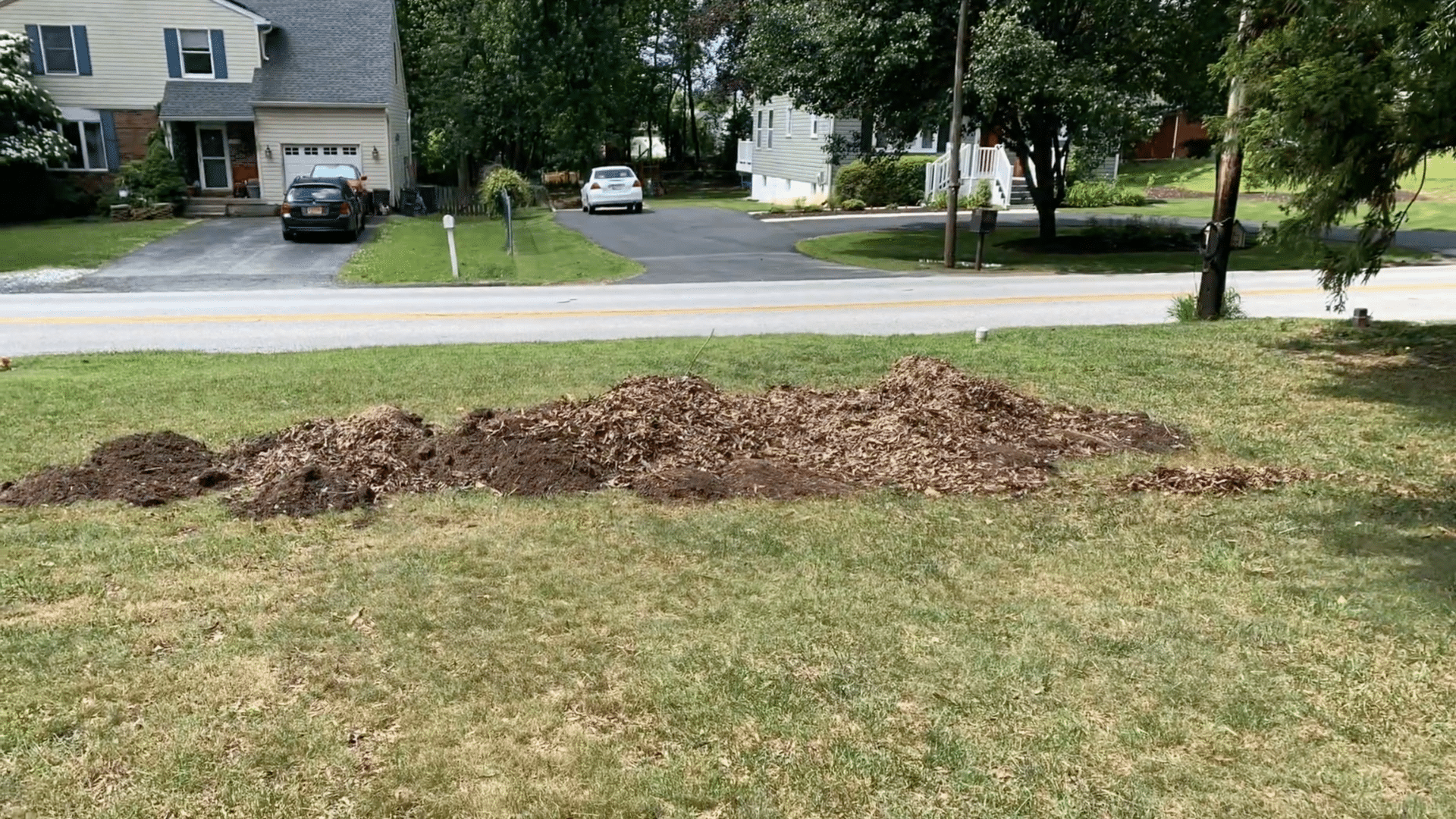
Credit: randylemmon.com
Creating Visual Interest
Designing a berm garden adds depth and dimension to any landscape. Consider varied plant heights and textures for dynamic layers. Use curves and elevation changes to create movement and interest.
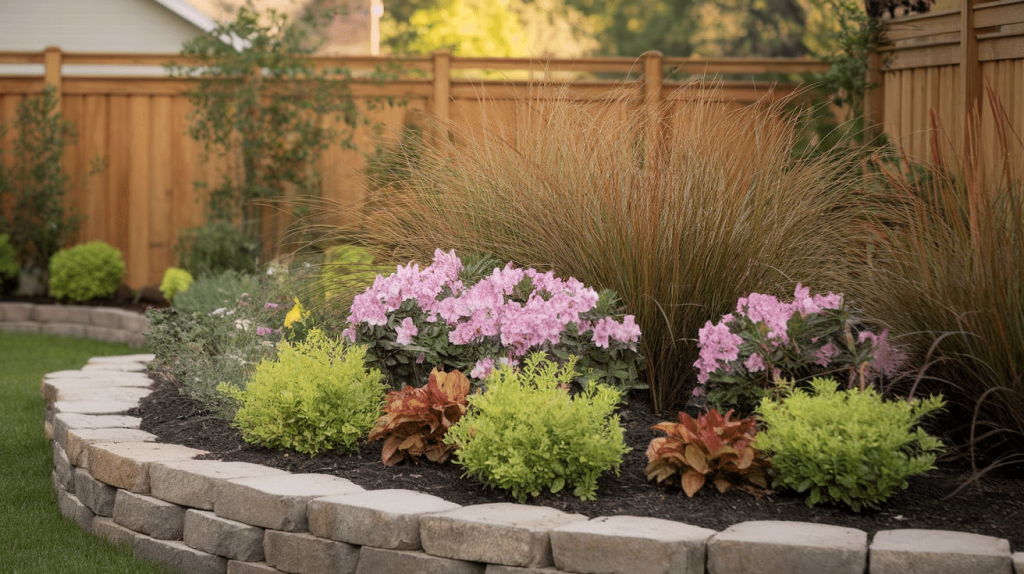
Creating a berm garden offers a unique way to add visual interest to your landscape. By elevating the garden with a mound of soil, you can create a focal point. This design choice transforms flat garden spaces into dynamic displays. To make your berm garden visually appealing, focus on layering, rocks, and mulch.Layering Techniques
Layering adds depth and dimension to your garden. Use plants of varying heights for this effect. Place taller plants at the center or back. Shorter plants go near the edges. This arrangement draws the eye upward and adds balance. Choose plants with different textures and colors. This variety keeps the garden visually interesting. Mix perennials, grasses, and shrubs. Each brings a unique touch to the overall look.Incorporating Rocks And Mulch
Rocks and mulch enhance the berm’s structure. They add contrast and help retain moisture. Use large rocks as accents or borders. Scatter smaller stones for a natural look. Mulch reduces weeds and keeps soil cool. Choose mulch that complements your plant choices. Organic mulch breaks down and nourishes the soil. Inorganic options, like pebbles, offer a clean look. Both rocks and mulch create a polished finish. They highlight plant groupings and paths. This combination ensures your berm garden stands out beautifully.Maintaining Your Berm Garden
Designing a berm garden involves choosing the right location and shape for effective drainage. Select drought-tolerant plants that thrive in elevated soil. Use layers of mulch to retain moisture and prevent erosion.
Maintaining your berm garden keeps it healthy and vibrant. Regular care ensures lush growth and beautiful blooms. Let’s explore key aspects of berm garden maintenance.Watering Tips
Watering is crucial for a berm garden. The elevated design drains water quickly. Regular watering helps keep plants hydrated. Use a soaker hose for even distribution. Water early in the morning to reduce evaporation. Mulch helps retain soil moisture. It also keeps roots cool.Weed Control Strategies
Weeds compete with plants for nutrients. Regular weeding prevents this. Hand-pull weeds when soil is moist. It makes removal easier. Cover the berm with a layer of mulch. Mulch suppresses weed growth effectively. Consider landscape fabric under mulch for additional control. Check regularly for new weed growth. Quick action stops them from spreading.Common Mistakes To Avoid
Overwatering can lead to plant root rot. Ensure proper drainage by using a well-balanced soil mix. Avoid overcrowding plants, which hinders growth and reduces visual appeal. Select plants suited to your climate for a thriving berm garden.
When designing a berm garden, steering clear of common mistakes is crucial. These errors can hinder the beauty and functionality of your garden. A well-planned berm enhances your landscape and offers diverse planting opportunities. Missteps can lead to poor drainage, unstable soil, and unsightly plantings. Awareness of these pitfalls can help you create a thriving berm garden.Improper Soil Selection
Choosing the right soil is vital for your berm’s success. Avoid using heavy clay or sandy soils. These can cause drainage issues or poor plant growth. Opt for a mix of topsoil, compost, and sand. This ensures good drainage and nutrient availability.Incorrect Berm Height
A berm that’s too tall can cause soil erosion. It may also create an unnatural look. Aim for a height that complements your landscape. Gradual slopes are more stable and visually appealing.Overlooking Drainage Needs
Ignoring drainage can lead to waterlogged soil. This harms plant roots and causes erosion. Incorporate a slight slope for water runoff. Use gravel layers to improve drainage beneath the soil.Poor Plant Selection
Choose plants suited to berm conditions. Avoid those needing excessive water or shade. Consider drought-tolerant or sun-loving species. This ensures your plants thrive in their new environment.Neglecting Maintenance
Regular care is essential for berm health. Overlooking weeding, pruning, or watering can lead to issues. Establish a maintenance schedule to keep your berm garden vibrant and healthy.Ignoring Sunlight Patterns
Sunlight affects plant growth significantly. Failing to consider this can stunt plant development. Observe sunlight patterns before planting. Position sun-loving plants accordingly for optimal growth.
Credit: www.hammerandaheadband.com
Frequently Asked Questions
What Is A Berm Garden?
A berm garden is a landscape feature with raised, mounded soil. It adds depth and interest to flat yards. Berms help improve drainage, create visual barriers, and showcase plants. They’re versatile, allowing for unique designs and plant combinations.
How Do I Start Designing A Berm?
Start by planning the shape and location of the berm. Consider factors like sunlight, drainage, and wind. Draw a rough design and outline the berm on the ground. Prepare the soil, ensuring it’s well-draining and fertile for plants.
What Plants Suit A Berm Garden?
Choose plants based on your climate and soil conditions. Opt for drought-resistant varieties if drainage is a concern. Native plants are often a good choice. Mix tall, medium, and ground-covering plants for visual interest and diversity.
Why Is Soil Preparation Important?
Proper soil preparation ensures healthy plant growth. It improves drainage and provides nutrients. Amend the soil with organic matter like compost. This enhances its fertility and structure, supporting plant roots. Well-prepared soil leads to a thriving berm garden.
Conclusion
Creating a berm garden can transform your outdoor space beautifully. It adds texture, height, and visual interest. Start by planning the layout carefully. Choose plants that thrive in your climate. Ensure good drainage to keep your plants healthy. Use rocks and mulch to enhance the design.
Regular maintenance helps the garden flourish. Remember, patience is key. Over time, your berm garden will grow into a lush, vibrant landscape. Enjoy watching your garden evolve and flourish. With time and care, it becomes a serene escape right in your backyard.
Happy gardening!