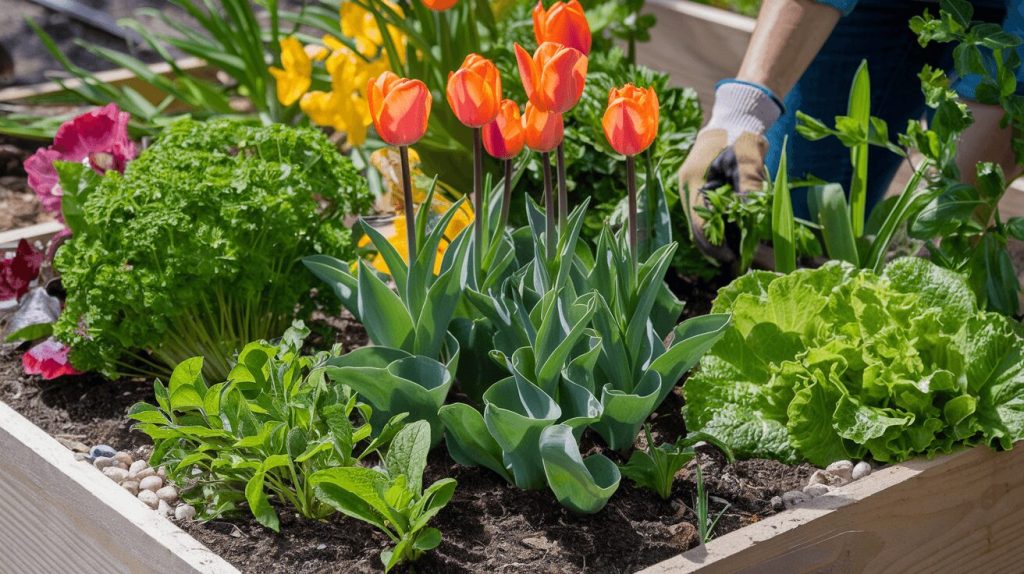
Have you ever thought about adding a splash of color to your vegetable garden? Imagine the vibrant hues of tulips mingling with your rows of carrots and lettuce.
You might wonder if it’s possible to combine these beauties with your vegetable patch, and the answer may surprise you. Planting tulips alongside your vegetables can be more than just an aesthetic choice; it can transform your gardening experience. Picture yourself strolling through your garden, your senses delighted by the sight of vivid tulips and the smell of fresh produce.
Not only can tulips enhance the visual appeal, but they might also bring unexpected benefits to your garden ecosystem. Are you curious to discover how this floral addition could impact your garden’s health and productivity? Keep reading to uncover the secrets of integrating tulips into your vegetable garden. You might just find the perfect blend of beauty and bounty waiting for you.

Credit: urbangreenguide.com
Benefits Of Planting Tulips In A Vegetable Garden
Tulips add vibrant colors to a vegetable garden, enhancing its visual appeal. They can also attract beneficial pollinators, aiding vegetable growth. Their seasonal bloom provides a natural pest deterrent, promoting a healthier garden environment.
Planting tulips in a vegetable garden might not be the first idea that comes to mind for many gardeners. However, integrating these vibrant blooms among your veggies can yield surprising benefits. From enhancing the visual appeal of your garden to providing natural solutions for pest control, tulips offer more than just their beauty.Enhancing Garden Aesthetics
Imagine strolling through your vegetable garden and being greeted by a pop of color from tulips. Their bright blooms add a visual contrast to the greens of your vegetables, creating a more inviting and joyful space. A garden that’s pleasing to the eye can uplift your mood and make gardening a more rewarding experience. Tulips come in a variety of colors and sizes, allowing you to mix and match them with your vegetable plants. This diversity can make your garden a unique canvas of creativity and nature’s artistry. A well-arranged garden can also be a conversation starter, encouraging guests to explore and appreciate your gardening skills.Natural Pest Control
Did you know that tulips can help keep certain pests at bay? Their scent and presence can deter animals like rabbits and deer, which are notorious for munching on vegetable leaves. This can be a natural and eco-friendly way to protect your crops without relying on harmful chemicals. Additionally, tulips can attract beneficial insects such as bees and butterflies, which help with pollination. A thriving pollinator population can lead to better yields from your vegetable plants. By creating a balanced ecosystem, you’re not just growing vegetables; you’re nurturing a sustainable garden. Consider the benefits of tulips as more than ornamental plants. How might they transform your gardening experience?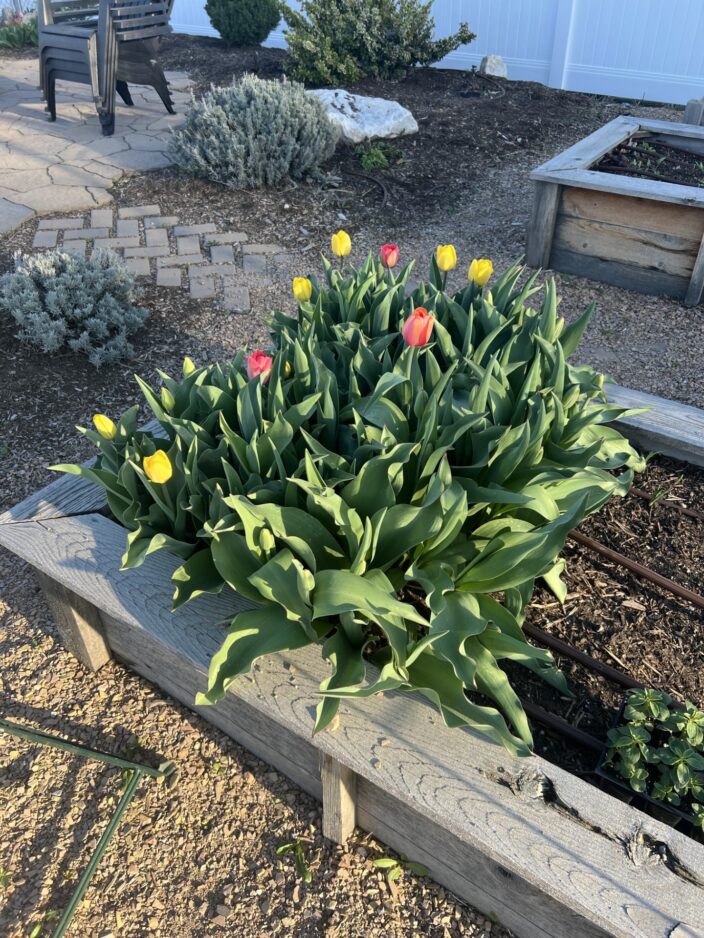
Credit: www.heraldextra.com
Choosing The Right Tulip Varieties
Planting tulips in a vegetable garden brings vibrant color and diversity. Choose varieties that complement your veggies’ growth cycle. Early-blooming tulips fit well, ensuring they don’t compete for nutrients and sunlight.
Choosing the right tulip varieties can enhance your vegetable garden’s beauty. With the right selections, tulips can coexist with your vegetables. They add color and elegance to the garden. Consider climate and color when selecting tulip varieties. These factors ensure healthy growth and harmonious integration.Climate Compatibility
Tulips thrive in different climates. Some varieties prefer colder regions. Others adapt well to warmer climates. Choose tulips that match your local weather conditions. This ensures robust growth and vibrant blooms. Check the hardiness zone of each variety. Planting compatible tulips reduces maintenance and increases bloom success.Color And Size Considerations
Tulips come in various colors. Choose colors that complement your vegetable garden. Bright yellows, reds, and pinks can create a lively garden atmosphere. Consider the size of the tulips too. Taller varieties may overshadow smaller vegetables. Opt for sizes that maintain balance in your garden. Mixing different colors and sizes can create a stunning visual effect.Preparing The Soil For Tulips
Planting tulips in a vegetable garden is possible with proper soil preparation. Ensure the soil is well-drained and rich in nutrients. Mixing compost can improve fertility and help tulips thrive alongside vegetables.
Preparing the Soil for Tulips Planting tulips in your vegetable garden can add a burst of color and attract beneficial pollinators. However, preparing the soil correctly is crucial to ensure these vibrant flowers thrive alongside your veggies. Let’s dive into some key aspects of soil preparation to help your tulips bloom beautifully.Soil Ph And Nutrient Requirements
Tulips prefer a slightly acidic to neutral pH level, typically between 6.0 and 7.0. You can test your soil pH using a simple soil test kit from a gardening store. If adjustments are needed, consider adding lime to raise the pH or sulfur to lower it. Nutrients are equally important. Tulips need a balanced soil rich in phosphorus for strong root development. Incorporating a slow-release fertilizer or bone meal before planting can provide the necessary nutrients.Drainage And Aeration Techniques
Good drainage is critical for tulips, as they dislike sitting in waterlogged soil. You might wonder how to improve drainage in your vegetable garden. One effective way is to mix in organic matter like compost or peat moss, which can enhance both drainage and soil structure. Aeration is another key factor for healthy tulips. Compacted soil can hinder growth, so consider lightly tilling the area where you plan to plant. This will help create pockets for air and water, ensuring your tulips have the best start. Are you ready to transform your vegetable garden into a vibrant, tulip-filled oasis? With the right soil preparation, you can enjoy a beautiful symbiosis of flowers and vegetables.
Credit: meadowlarkjournal.com
Planting Techniques For Tulips
Tulips can enhance a vegetable garden with vibrant colors. Choose well-drained soil and ensure sunlight access. Maintain space between tulip bulbs and vegetables for healthy growth.
Planting tulips in a vegetable garden can create a vibrant display. The colorful blooms add a stunning contrast to your veggies. Mastering the planting techniques ensures healthy growth and beautiful flowers. Proper spacing, depth, and timing are key.Spacing And Depth Guidelines
Tulips need room to breathe and grow. Plant each bulb about 4 to 6 inches apart. This space allows the bulbs to develop without crowding. Depth matters too. Bury bulbs about 6 to 8 inches deep. This depth protects them from cold and pests. Use a garden trowel for precise planting. Ensure the pointed end faces upward.Seasonal Planting Tips
Plant tulips in the fall for spring blooms. This timing gives bulbs time to establish roots. Choose a sunny spot in your garden. Tulips thrive in well-drained soil. Avoid planting in soggy areas. Consider the local climate and frost dates. Early autumn is ideal in most regions. Plant before the ground freezes for best results.Maintaining Tulips In A Vegetable Garden
Tulips can thrive in a vegetable garden, adding color and beauty. They require well-drained soil and full sun. Plant tulip bulbs in the fall for vibrant spring blooms.
Maintaining tulips in a vegetable garden can be a rewarding experience, adding vibrant colors and delicate beauty amidst your veggies. While tulips are relatively easy to grow, they require a bit of care to thrive alongside your cabbages and carrots. With a few thoughtful practices, you can ensure your tulips bloom splendidly each spring without hindering your vegetable production.Watering And Fertilization
Proper watering is crucial for tulips, especially in a vegetable garden where moisture levels might fluctuate. Ensure tulips receive enough water, particularly during dry spells. However, avoid overwatering, as this can lead to bulb rot. Consider using a drip irrigation system that caters to both tulips and vegetables, allowing precise control over water distribution. Fertilization is another key factor. Tulips benefit from a balanced fertilizer that supports bulb development. Adding a slow-release bulb fertilizer in early spring can set your tulips up for a successful bloom season.Protecting Against Pests And Diseases
Tulips are not immune to pests and diseases. In a vegetable garden, they might face threats from common bugs like aphids or slugs. Regularly inspect your tulips and consider using natural pest deterrents like neem oil or diatomaceous earth. Diseases such as fungal infections can also affect tulips. Maintain good air circulation by spacing them adequately, reducing humidity and fostering a healthier environment. If you notice any diseased plants, remove them promptly to prevent spread. How do you keep pests at bay in your garden? Sharing tips with fellow gardeners can lead to discovering unexpected solutions that work wonders.Companion Planting With Tulips
Companion planting is an age-old technique that can enhance the health and productivity of your garden. Mixing tulips with vegetables might seem unusual, but it can lead to surprising benefits. Tulips aren’t just beautiful—they’re also practical. Their presence can deter pests and boost the growth of certain vegetables, adding a splash of color to your garden while serving a functional purpose.
Vegetables That Thrive With Tulips
Imagine a vegetable garden where tulips and veggies coexist harmoniously. Some vegetables thrive alongside tulips, benefiting from their pest-repellent properties. For example, tulips can help keep aphids and beetles away from leafy greens like spinach and lettuce.
Root vegetables such as carrots and potatoes also enjoy tulip companionship. Their growth isn’t hindered by tulips, and the bulbs don’t compete aggressively for nutrients. Are you considering planting onions or garlic? They too can benefit from tulips, which discourage pests that typically attack bulb vegetables.
Creating A Balanced Ecosystem
Planting tulips in your vegetable garden isn’t just about aesthetics—it’s about creating a balanced ecosystem. Tulips can attract beneficial insects like bees, which are crucial for pollinating your vegetables. This can lead to a more productive garden.
Consider the soil health. Tulips can improve soil structure, making it more conducive for vegetable growth. Their roots help aerate the soil, which can be beneficial for your veggies. Plus, tulips’ early bloom period can signal the start of spring, encouraging other plants to flourish.
Have you thought about how tulips can bring joy and color to your gardening experience? Mixing them with vegetables can make daily gardening tasks more enjoyable, motivating you to spend more time nurturing your plants.
Harvesting And Post-bloom Care
Planting tulips in a vegetable garden adds vibrant color. After blooming, trim spent flowers to maintain plant health. Tulip bulbs can be harvested post-bloom and stored for future planting.
Harvesting and caring for tulips after they bloom is crucial for their health. Tulips are not just beautiful; they can complement your vegetable garden. Understanding the post-bloom process helps ensure they thrive year after year.Cutting And Arranging Tulips
Cut tulips when the buds are still closed. This keeps them fresh longer. Use sharp scissors to avoid damaging the stems. Cut at an angle for better water absorption. Arrange them in a vase with clean water. Remove any leaves that will be below the water line. This prevents bacterial growth. Change the water every few days. This keeps tulips looking their best.Bulb Storage And Replanting
After blooming, let the foliage die naturally. This nourishes the bulb for next year. Once the leaves are yellow, dig up the bulbs carefully. Brush off the soil and let them dry. Store bulbs in a cool, dark place. Use a paper bag to avoid moisture buildup. Replant the bulbs in autumn for fresh blooms. Choose a spot with good drainage. This prevents rot and ensures healthy growth.Frequently Asked Questions
Can Tulips Thrive In Vegetable Gardens?
Yes, tulips can thrive in vegetable gardens if conditions are right. Ensure they receive enough sunlight and are planted in well-draining soil. Tulips won’t compete for nutrients with most vegetables, making them a compatible addition. Their vibrant blooms can enhance the garden’s aesthetic appeal and attract beneficial pollinators.
Do Tulips Affect Vegetable Growth?
Tulips generally do not affect vegetable growth negatively. They have different nutrient needs and don’t compete with vegetables for resources. However, ensure they don’t overshadow smaller plants, as tulips grow taller. Their presence can help attract pollinators, potentially benefiting vegetable blooms and fruiting.
When Is The Best Time To Plant Tulips?
Plant tulips in autumn, ideally six to eight weeks before the first frost. This timing allows them to establish roots before winter. Ensure the soil is well-draining to prevent rot. Tulips will then bloom beautifully in spring, adding color and vibrancy to your vegetable garden.
How Deep Should Tulips Be Planted?
Plant tulips six to eight inches deep for optimal growth. This depth helps protect the bulbs from temperature fluctuations. Ensure they are planted in well-draining soil to prevent waterlogging. This setup encourages healthy root development and vibrant spring blooms, complementing your vegetable garden.
Conclusion
Tulips can bring color to your vegetable garden. They don’t compete much for nutrients. They enjoy the same sunlight and soil conditions. Planting tulips among vegetables can be rewarding. Their beauty adds charm to your gardening experience. They attract pollinators which benefits your veggies.
Tulips are easy to manage. They need only basic care. You can enjoy blooms every spring. Consider their placement for best results. Experiment with different tulip varieties. Your garden can become a lively, colorful space. Mixing flowers with vegetables is fun and creative.
Keep your garden diverse and enjoy nature’s beauty.







