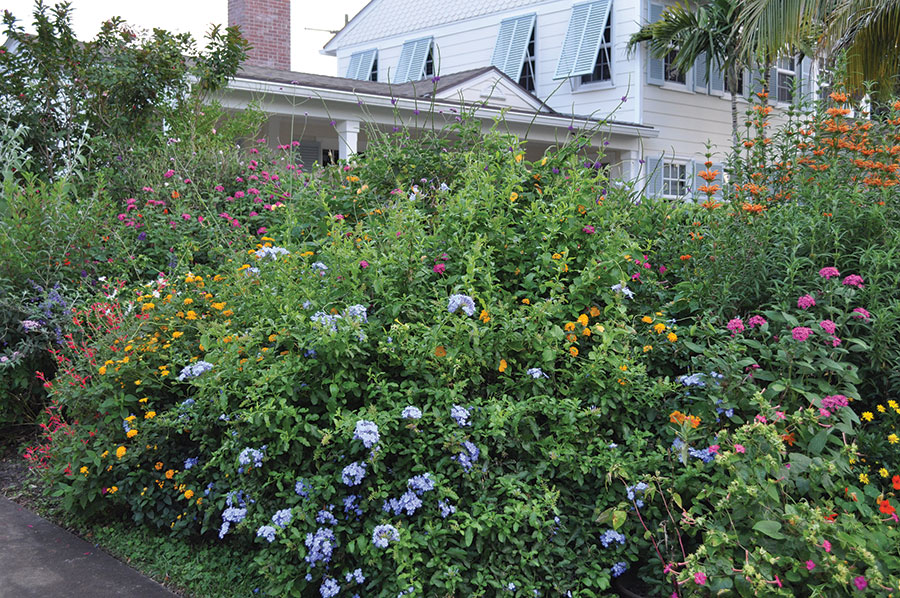
Imagine stepping into your backyard and being greeted by a vibrant sea of colors, with flowers that seem to whisper secrets in the breeze. Designing a backyard cutting garden isn’t just about creating beauty; it’s about crafting a personal sanctuary where nature’s bounty is at your fingertips.
You can harvest fresh blooms to brighten your home, or share them with loved ones. Picture the thrill of picking a bouquet from your own garden. Your backyard cutting garden can be the perfect blend of art and nature, and it’s easier to create than you might think.
In this guide, we’ll reveal the secrets to transforming your outdoor space into a flourishing oasis that will captivate your senses and bring endless joy. Ready to turn your backyard into a blooming paradise? Let’s dive in!

Credit: www.tiktok.com
Choosing The Right Location
Selecting the ideal spot for your backyard cutting garden is crucial. Ensure it gets ample sunlight and has good soil drainage. Proper location enhances plant growth and flower production.
Choosing the right location for your backyard cutting garden is crucial. It impacts plant growth, accessibility, and overall success. A well-chosen spot helps your flowers flourish. Let’s explore key factors to consider.Sunlight Requirements
Plants need sunlight to grow. Most flowers require six hours of direct sun. Observe your yard to find sunlit areas. Avoid shaded spots under trees or buildings. Consider the path of the sun throughout the day. South-facing areas usually receive the most light.Soil Considerations
Soil quality affects plant health. Test your soil for nutrients and pH levels. Healthy soil should be rich and well-drained. Avoid clay-heavy areas that retain water. Amend the soil with compost for better growth. Ensure your garden area has good drainage.Accessibility
Easy access to your garden is important. Choose a spot near pathways for convenience. Avoid remote corners that are hard to reach. Consider the proximity to water sources for irrigation. Ensure the area is safe and free from hazards. A convenient location makes gardening enjoyable.Planning Your Garden Layout
Design a backyard cutting garden by arranging plants for easy access and optimal sunlight. Group flowers by height and color to create a visually pleasing layout. Consider pathways for easy maintenance and harvesting.
Designing a backyard cutting garden is an exciting venture that lets you bring nature’s beauty right to your doorstep. Planning your garden layout is the first step in creating a vibrant, functional space that produces an abundance of flowers for your home. With thoughtful consideration, you can transform any backyard space into a delightful oasis for growing your favorite blooms.Design Principles
When planning your garden layout, start by considering the design principles that will guide your space. Balance, harmony, and proportion are key factors to keep in mind. Think about how different plants complement each other in color and height. Consider the view from your home; your garden should be a feast for the eyes whether you’re inside or outside. Experiment with asymmetrical designs to create interest, or stick with symmetry for a more formal look.Spacing And Arrangement
Proper spacing is crucial for a thriving cutting garden. Overcrowding can lead to poor plant health and fewer blooms. Research the mature size of each plant and give them ample room to grow. Plan your arrangement with the tallest plants at the back and shorter ones in front. This ensures sunlight reaches all plants and creates a layered look. Group similar colors or mix them up for a more eclectic feel.Paths And Borders
Paths and borders are not just practical; they add structure and charm to your garden. Use natural materials like gravel or mulch for paths that are easy on the eyes and feet. Borders can be made of wood, stone, or even low-growing plants. They define areas and keep your garden tidy. Think about how you’ll move through the space—paths should be wide enough for a wheelbarrow or garden cart. Planning your garden layout involves creativity and strategy. How will you incorporate these elements into your garden design? Each decision shapes the character and productivity of your cutting garden, bringing you closer to a floral paradise.Selecting Plants For Cutting
Designing a backyard cutting garden involves choosing plants that thrive when cut. You want blooms that last long in vases and offer vibrant colors. Consider the different seasons, color combinations, and foliage textures. This will ensure your garden provides a steady supply of beautiful flowers.
Seasonal Blooms
To enjoy flowers year-round, select plants that bloom in different seasons. Spring offers tulips and daffodils. Summer brings roses and sunflowers. Fall showcases chrysanthemums and asters. Winter may have evergreens and hellebores. Choose varieties that overlap bloom times for continuous supply.
Color Combinations
Mixing colors enhances visual appeal. Pair complementary colors like purple and yellow. Use analogous colors such as red and orange for harmony. Include whites for contrast and elegance. Consider the mood you wish to create with color. Bright colors energize, while pastels soothe.
Foliage And Texture
Foliage adds depth and texture to arrangements. Choose plants with varied leaf shapes. Ferns and grasses add softness. Eucalyptus and hosta provide boldness. Mix smooth, shiny leaves with fuzzy ones. Texture plays a crucial role in a visually interesting garden.
Caring For Your Plants
Design a backyard cutting garden by choosing vibrant, easy-to-grow flowers. Arrange plants by height for visual appeal. Ensure proper sunlight and regular watering to keep blooms fresh and thriving.
Designing a backyard cutting garden is a rewarding experience, but the real magic happens when you learn to care for your plants. Ensuring that your garden thrives means understanding and meeting the needs of your plants. From watering to dealing with pests, every detail counts. So, how do you ensure your garden remains lush and vibrant? Let’s dive into the essentials of plant care that will help your garden flourish.Watering Techniques
Effective watering is crucial for a healthy garden. Instead of a one-size-fits-all approach, tailor your watering to the specific needs of each plant species. Water early in the morning to minimize evaporation. This ensures that the water reaches the roots where it’s needed most. Consider using drip irrigation systems. They deliver water directly to the plant roots, reducing waste and preventing diseases caused by wet foliage.Fertilization Methods
Plants need nutrients to grow and produce beautiful flowers. Regular fertilization provides these essential nutrients. Use organic fertilizers to enrich the soil naturally. They improve soil structure and encourage beneficial microorganisms. Apply fertilizers during the growing season. Be mindful of the specific nutrient requirements of your plants to avoid over-fertilizing, which can harm them.Pest And Disease Management
Pests and diseases are common challenges in any garden. However, proactive management can keep them at bay. Regularly inspect your plants for signs of pests or disease. Early detection is key to effective management. Use natural pest control methods like introducing beneficial insects. Ladybugs and lacewings can help control aphid populations. Consider using homemade remedies like neem oil. It’s a natural and effective way to manage a variety of garden pests without harming beneficial organisms. Caring for your plants is an ongoing journey. What new techniques can you explore to enhance your garden’s beauty and health? Remember, the more you learn about your plants’ needs, the more your garden will thrive.Harvesting And Maintenance
Harvest flowers regularly to keep plants blooming and vibrant. Consistent watering and weeding ensure a healthy garden.
Designing a backyard cutting garden is a rewarding venture. However, to keep it flourishing, you must pay attention to both harvesting and maintenance. These tasks ensure your garden remains productive and beautiful throughout the seasons. Let’s dive into how you can effectively manage your garden with a few focused strategies.Optimal Cutting Times
Timing is crucial when harvesting flowers. Cut your blooms early in the morning when the plants are still hydrated from the night dew. This ensures the flowers are fresh and last longer in your vases. Have you noticed how flowers seem more vibrant at dawn? This is because they’re at their peak hydration, making it the perfect moment to snip them. Avoid cutting during the heat of the day, as flowers are more likely to wilt quickly.Tools And Equipment
Using the right tools makes a world of difference in maintaining your garden. Invest in a sharp pair of pruning shears for clean cuts. A bucket of water nearby when cutting helps preserve the life of your blooms immediately after harvest. You might find a small, portable stool useful for reaching low plants without straining your back. Additionally, wearing gardening gloves can protect your hands from thorns and sap.Pruning Strategies
Regular pruning is essential to keep your garden healthy. Remove spent blooms to encourage new growth and prevent diseases. This process, known as deadheading, can enhance the overall look and productivity of your garden. Consider pruning stems at an angle to prevent water from settling on the cut surface. This simple technique can reduce the risk of rot and promote quicker healing. How do you decide which branches to prune? Focus on damaged or crossing branches that could hinder growth. By implementing these harvesting and maintenance strategies, you’re not just caring for plants; you’re nurturing a space that brings joy and beauty to your home. What personal touch will you add to your cutting garden?
Credit: www.tiktok.com
Enhancing Garden Aesthetics
Design a backyard cutting garden to boost your garden’s beauty and provide fresh flowers. Select a mix of annuals and perennials for continuous blooms. Arrange plants by height and color for visual appeal.
Enhancing Garden Aesthetics Transforming your backyard cutting garden into a visual masterpiece requires attention to detail and a touch of creativity. Aesthetics play a crucial role in making your garden not only a source of beautiful blooms but also a delight for the eyes. By thoughtfully incorporating decorative elements, using containers, and creatively lighting your space, you can elevate the beauty of your garden.Decorative Elements
Adding decorative elements can turn your garden into a personal paradise. Consider using garden sculptures, trellises, or colorful stepping stones to add visual interest. Wind chimes or bird feeders can enhance the sensory experience, inviting you to linger longer in your outdoor haven.Use Of Containers
Containers offer flexibility and style in any garden design. They allow you to add layers and dimensions to your garden without permanent changes. Choose pots of varying sizes and materials; ceramic, terracotta, and metal can all provide different aesthetics and vibes.Lighting Ideas
Lighting can dramatically transform your garden ambiance. Solar-powered lights along pathways create a magical evening glow. String lights draped over a pergola or along fences add a cozy, inviting atmosphere perfect for nighttime gatherings. By focusing on these elements, you can enhance your backyard cutting garden’s aesthetics and create a space that’s both functional and visually appealing. How will you personalize your garden to reflect your style?Sustainability Practices
Designing a backyard cutting garden emphasizes sustainability practices by using native plants and organic methods. These choices support local wildlife and reduce chemical use, creating a beautiful and eco-friendly space.
Sustainability Practices in a backyard cutting garden can make a significant impact. They not only benefit the environment but also enhance the health of your plants. Integrating eco-friendly techniques helps preserve resources and supports local biodiversity. Let’s explore key sustainability practices you can adopt in your garden.Composting And Mulching
Composting transforms kitchen scraps and garden waste into nutrient-rich soil. Use vegetable peels, coffee grounds, and eggshells for compost. A compost bin or pile in a corner of your garden is ideal. Turn the compost occasionally to speed up decomposition. Mulching helps retain moisture and suppresses weeds. Use organic materials like straw, wood chips, or leaves for mulch. Spread a layer around the plants to protect the soil.Water Conservation
Water is precious; conserving it is crucial in gardening. Install a rain barrel to collect rainwater for your plants. Water early morning or late evening to minimize evaporation. Drip irrigation systems deliver water directly to roots, reducing waste. Choose drought-resistant plants that require less water. Group plants with similar watering needs together.Organic Gardening
Organic gardening avoids synthetic fertilizers and pesticides. Use natural fertilizers like compost or manure. Introduce beneficial insects like ladybugs to control pests. Rotate plants to prevent soil depletion and disease buildup. Choose disease-resistant plant varieties for healthier growth. Maintain healthy soil with regular addition of organic matter.
Credit: www.instagram.com
Frequently Asked Questions
What Plants Are Ideal For A Cutting Garden?
Choose plants like roses, daisies, and sunflowers for vibrant colors. Select perennials and annuals that bloom frequently. Consider plants with various textures and heights to enhance visual appeal. Opt for species that thrive in your climate for easy maintenance.
How Do I Plan Garden Layout Effectively?
Begin by assessing sunlight and soil conditions. Design with paths for easy access to each plant. Group plants by height and color for aesthetic balance. Incorporate space for future plant growth to ensure longevity. Use raised beds for better drainage.
What Maintenance Is Required For Cutting Gardens?
Regular watering and fertilizing are essential for healthy growth. Deadhead flowers to encourage continuous blooming. Prune plants to maintain shape and prevent overcrowding. Monitor for pests and diseases to protect plant health. Mulch to retain moisture and control weeds.
How Can I Extend Blooming Seasons?
Plant species with staggered blooming periods to enjoy flowers longer. Use succession planting techniques to replace faded blooms. Incorporate bulbs and seed varieties for continuous growth. Adjust watering and feeding schedules to support extended flowering.
Conclusion
Creating a backyard cutting garden transforms your outdoor space. It offers colorful blooms. Enjoy fresh flowers at home. Start with small plans. Choose plants that thrive in your area. Mix different shapes and sizes. Consider seasonal flowers for year-round beauty.
Use simple tools for planting. Keep soil healthy. Water regularly. Add mulch to keep weeds away. Invite friends to share the beauty. Your garden becomes a personal retreat. A place to relax. A place to enjoy nature. A place to celebrate growth.
Your garden will bring joy. And inspire creativity every day.







