
Imagine stepping into your backyard and being greeted by a vibrant, miniature garden filled with colorful fruits and vegetables. It’s not just a feast for the eyes but also a source of fresh produce right at your fingertips.
Designing a fruit and vegetable miniature garden is easier than you think, and you don’t need a sprawling space to make it happen. Think about the joy of picking your own juicy tomatoes or crisp lettuce, all grown in a small, manageable area.
This miniature garden can transform your outdoor space into a lush oasis, offering both beauty and bounty. Plus, it’s a fun project that can involve the whole family, turning gardening into an exciting hobby rather than a chore. Curious about how you can create your own? You’re in the right place. This article is packed with simple steps and creative ideas to help you design a miniature garden that suits your taste and space. Stay with us, and discover the secrets to cultivating a garden that’s not only productive but also a delightful addition to your home.
Choosing The Right Location
Selecting the best spot for a fruit and vegetable miniature garden is crucial. Ensure the area receives ample sunlight and has good drainage. This enhances plant growth and yields healthy produce.
Choosing the right location for your fruit and vegetable miniature garden is crucial to its success. A well-chosen spot can lead to a bountiful harvest, while a poor choice may result in disappointing yields. It’s all about finding the sweet spot where your plants can thrive, and considering factors like sunlight, shade, and soil quality can help you make the best decision.Assessing Sunlight And Shade
Sunlight is a vital ingredient for the growth of fruits and vegetables. Most edible plants require at least six to eight hours of direct sunlight each day to produce healthy and delicious crops. As you scout for a location, observe how the sun moves across your space. Is there a spot that receives consistent sunlight throughout the day? Beware of areas that may be overshadowed by buildings or trees, as they might limit the sun’s access and hinder growth. Remember, too much shade can be as detrimental as too much sun, so aim for a balance that suits the needs of your chosen plants.Considering Soil Quality
The foundation of your miniature garden lies in the quality of its soil. You might be surprised to learn that not all soil is created equal. Before you plant, take a moment to dig into the earth and assess its texture and richness. Is it crumbly and dark, indicating a fertile ground? If the soil feels compact or sandy, you may need to enrich it with compost or organic matter to boost its nutrient profile. You can even conduct a simple soil test to gauge its pH levels. Optimal soil quality can make a world of difference, turning your garden into a thriving oasis of fruits and vegetables.Selecting Suitable Plants
Choosing the right plants ensures a thriving miniature garden. Opt for compact varieties like cherry tomatoes and dwarf beans. Consider sunlight needs and plant companions for a balanced ecosystem.
Selecting the right plants is crucial for a successful miniature garden. Choose plants that thrive in small spaces. Consider sunlight, growth habits, and maintenance needs. Select plants that complement each other in size and growth rate.Best Fruits For Miniature Gardens
Strawberries are perfect for small spaces. They grow well in containers and hanging baskets. Blueberries are another great choice. They need acidic soil but offer sweet rewards. Dwarf citrus trees add a lovely scent and vibrant color. They are ideal for patios and balconies.Ideal Vegetables For Small Spaces
Cherry tomatoes thrive in pots and grow quickly. They provide a bountiful harvest. Lettuce is another excellent choice. It grows fast and can be harvested multiple times. Radishes are perfect for beginners. They mature quickly and take up little space. Choose plants that fit your garden’s conditions. This ensures a healthy and productive miniature garden.Designing The Layout
Designing the layout for a fruit and vegetable miniature garden requires thoughtful planning. Begin by selecting a sunny spot with good soil drainage. Arrange plants considering their growth habits and space requirements for optimal yield.
Designing the layout of your fruit and vegetable miniature garden is like crafting a living artwork. It requires creativity and a keen eye for detail. The layout not only impacts the garden’s beauty but also its functionality. With thoughtful planning, you can create a space that is both charming and productive.Creating Pathways And Boundaries
Pathways are essential in a miniature garden, allowing you to navigate without disturbing your plants. Consider using small stones or bricks to create defined paths. This will help maintain the garden’s structure and prevent soil compaction around your plants. Boundaries can be established using low fences or hedges. They not only demarcate different sections but also add an aesthetic appeal. Imagine walking through your garden, guided by charming pathways, with clear boundaries enhancing the overall look.Balancing Aesthetics And Functionality
While designing your garden, it’s crucial to strike a balance between aesthetics and functionality. Think about how each plant will look and its role in the garden. Arrange taller plants at the back or center, with smaller plants in the front to create depth and visual interest. Consider the colors and textures of your plants. Mixing vibrant fruits with leafy greens can create a stunning visual display. But remember, beauty should not overshadow the primary goal of growing healthy produce. How will you balance beauty with purpose in your garden?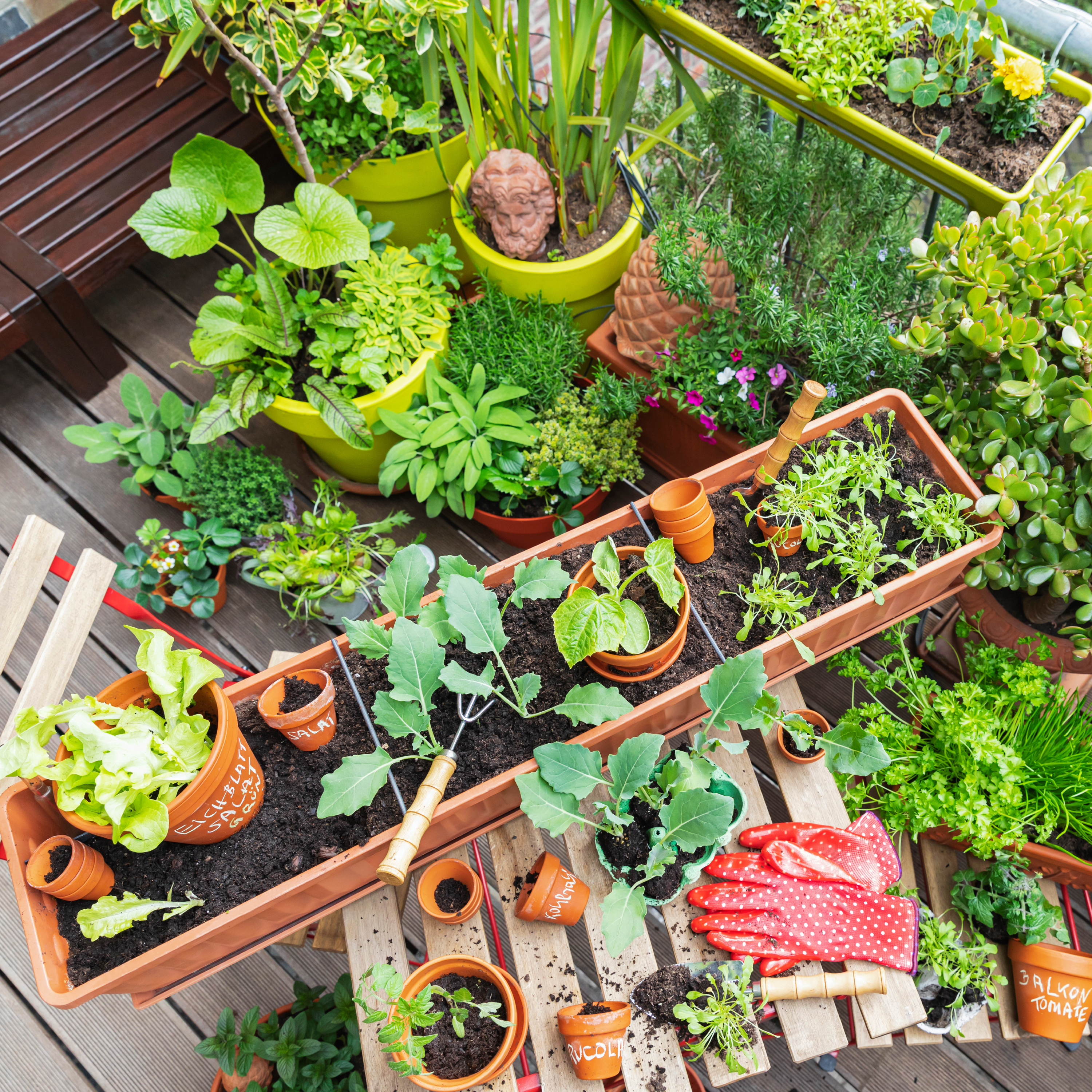
Credit: www.gardeningknowhow.com
Preparing The Soil
Preparing the soil is crucial for a thriving miniature fruit and vegetable garden. Choose nutrient-rich soil and ensure proper drainage. Add compost to enrich the soil and promote healthy plant growth.
Creating a fruit and vegetable miniature garden is a delightful venture that begins with preparing the soil. The foundation of any thriving garden lies in the quality of the soil, and understanding how to enhance it is key. Whether you’re growing juicy tomatoes or crisp lettuce, the right soil preparation will set the stage for success. You might have a small space, but with enriched soil, your garden will bloom with abundance.Enhancing Nutrient Content
Boosting your soil’s nutrient content is crucial for healthy plant growth. Start by adding organic matter such as compost or well-rotted manure. These materials improve the soil structure and provide essential nutrients. Regularly test your soil’s pH level; a balanced pH ensures plants can absorb nutrients effectively. Consider incorporating natural fertilizers like bone meal or blood meal to further enrich the soil. These are rich in nitrogen and phosphorus, which are vital for strong roots and vigorous growth. Your plants will thank you with bountiful harvests.Ensuring Proper Drainage
Proper drainage prevents waterlogging, which can drown plant roots. If your soil is heavy clay or compacted, mix in sand or gravel to improve its texture and drainage. This adjustment helps water flow easily, preventing root rot and other issues. Raised garden beds can be a fantastic solution for drainage problems. They allow excess water to escape, keeping roots dry and healthy. Observe how water behaves in your garden and adjust accordingly for optimal growth. Is your garden able to handle heavy rains without pooling? If not, it’s time to tweak your drainage strategies.Planting Techniques
Designing a fruit and vegetable miniature garden involves strategic plant placement and choosing compact varieties. Utilize vertical space with trellises and hanging pots. Plan for sunlight and water access, ensuring healthy growth and maximum yield.
Planting Techniques Creating a miniature garden of fruits and vegetables is an exciting venture that brings fresh produce right to your doorstep. A key aspect of ensuring your garden thrives is mastering the art of planting techniques. These techniques are crucial in giving your plants the best start and helping them grow healthily.Spacing And Depth Guidelines
Understanding the right spacing and depth for each plant can make a huge difference. Crowded plants compete for sunlight, nutrients, and water, often leading to poor growth. Consult seed packets or plant tags for specific spacing recommendations. Generally, smaller plants like lettuce or radishes need less space, around 4-6 inches apart. Larger plants, such as tomatoes or peppers, require more room, often about 18-24 inches. As for depth, plant seeds about twice as deep as their diameter. Consider using a ruler or a stick to measure the depth accurately. This simple step can improve germination rates significantly.Companion Planting Strategies
Companion planting is a thoughtful way to enhance your garden’s yield. Some plants naturally support each other’s growth by repelling pests or enhancing nutrient uptake. For instance, planting basil near tomatoes can enhance their flavor and deter pests. Another great pair is carrots and onions. They work well together because they don’t compete for the same space—carrots grow deep while onions spread out near the surface. Think about which plants could form a mutually beneficial relationship in your garden. It’s like setting up a harmonious neighborhood in miniature form. What unexpected plant combinations can you experiment with? By optimizing your planting techniques, you set the stage for a fruitful and vibrant garden.Maintaining The Garden
Creating a fruit and vegetable miniature garden involves selecting suitable plants for limited space. Plan the layout to maximize sunlight exposure and ensure easy access for care. Utilize vertical gardening techniques to enhance space efficiency and aesthetic appeal.
Maintaining your fruit and vegetable miniature garden is a rewarding task that ensures your little green haven thrives. It requires consistent attention and care, but the results are well worth it. Imagine stepping out to your garden and picking fresh produce for your meals—truly satisfying!Watering And Fertilizing Tips
Watering is the lifeline of your miniature garden. Keep an eye on the soil moisture daily. Stick your finger about an inch into the soil; if it’s dry, it’s time to water. Early morning is the best time to water. This ensures the soil absorbs the moisture before the sun evaporates it. Use a watering can with a fine nozzle to avoid washing away the soil or damaging tender plants. Fertilizing is equally crucial. Opt for organic fertilizers to keep your garden healthy and chemical-free. A liquid seaweed or fish emulsion, applied every two weeks, can boost growth and productivity.Pruning And Harvesting Practices
Pruning helps your plants focus energy on producing fruit. Snip off dead leaves and overcrowded branches regularly. Keep your shears clean to prevent disease spread. Harvesting is where the fun begins! Pick fruits and vegetables when they’re ripe for the best taste. Tomatoes should be firm yet slightly soft, and cucumbers should be bright green and crisp. Harvesting regularly encourages more growth. It also prevents pests and diseases from taking over. Always use sharp scissors or a knife for clean cuts. Maintaining your garden can be a tranquil routine. What new growth will you discover today?Pest And Disease Management
Designing a miniature fruit and vegetable garden requires effective pest and disease management. Start by selecting disease-resistant plant varieties. Use natural pest control methods like companion planting to minimize chemical use. Regularly inspect plants for signs of trouble to keep your garden healthy.
Creating a fruit and vegetable miniature garden is a rewarding endeavor, but it comes with its own set of challenges. One of the most significant is managing pests and diseases. Keeping your tiny garden healthy and thriving requires proactive strategies to deal with these issues. By implementing effective pest and disease management techniques, you can ensure a bountiful harvest in your miniature garden.Natural Pest Control Methods
Embrace the power of nature to protect your garden. Encourage beneficial insects like ladybugs and lacewings, which naturally prey on common pests. Planting herbs such as basil or marigold can help repel unwanted insects. Consider using organic sprays made from neem oil or garlic to deter pests. These solutions are safe for your plants and the environment. Make sure to apply them in the early morning or late afternoon to avoid harming beneficial insects. Physical barriers can also be effective. Use netting or row covers to prevent pests from reaching your plants. This method is especially useful for keeping larger pests, like birds and rabbits, at bay.Recognizing Common Plant Diseases
Stay vigilant and regularly inspect your plants for signs of disease. Look for discolored leaves, unusual spots, or stunted growth. Early detection is key to managing plant diseases effectively. Each disease has its own set of symptoms. For example, powdery mildew appears as white powdery spots on leaves, while blight can cause dark, sunken lesions. Knowing the specific signs will help you act quickly. Maintain good garden hygiene to prevent diseases. Remove any infected plants immediately and dispose of them properly. Ensure proper spacing between plants to promote air circulation, reducing the risk of fungal infections. Taking a proactive approach to pest and disease management not only saves your crops but also enhances your gardening skills. What measures will you implement in your miniature garden to keep it disease-free?
Credit: www.veranda.com
Enhancing Garden Aesthetics
Designing a fruit and vegetable miniature garden brings charm to any outdoor space. Use raised beds to organize plants efficiently. Incorporate colorful vegetables and fruits to create visual interest and enhance garden aesthetics.
Enhancing the aesthetics of a miniature garden elevates its charm. A well-designed garden doesn’t just focus on the plants. It incorporates art, structure, and creativity. This makes your garden a captivating space.Incorporating Decorative Elements
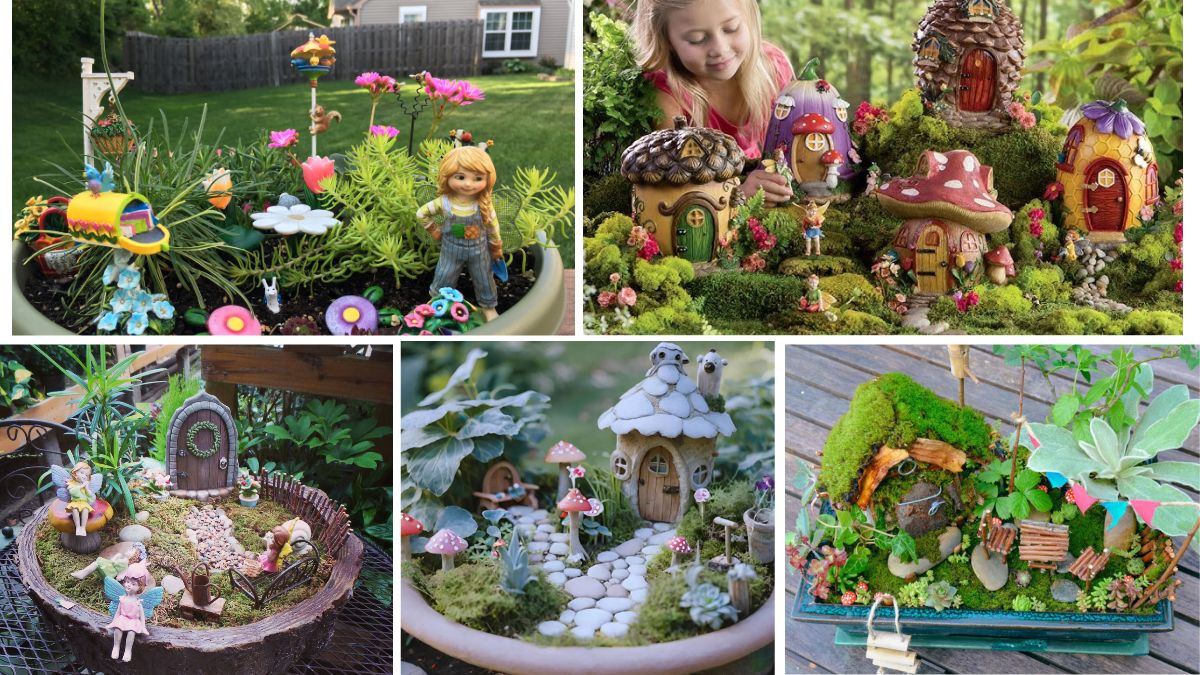
Integrate small sculptures or garden gnomes. These add character and whimsy. Use colorful stones or pebbles to create paths. A tiny fountain can introduce a soothing sound. Consider placing small lanterns for a magical evening glow. These elements invite interest and delight.Using Containers And Vertical Structures
Containers offer flexibility in design. Choose pots of different shapes and sizes. They add layers and depth. Vertical structures maximize space. Use trellises for climbing plants. Hang pots on walls or fences. This technique draws the eye upward. It gives the garden a dynamic look.Seasonal Care
Seasonal care is vital for a thriving fruit and vegetable miniature garden. Each season brings unique challenges that require specific adjustments. Understanding these seasonal changes ensures your garden remains healthy year-round.
Adapting To Weather Changes
Weather affects plant growth and health. In warmer months, increase watering to prevent dehydration. Use mulch to retain soil moisture during dry spells. In rainy seasons, ensure proper drainage to avoid root rot.
Consider wind protection for delicate plants. Use garden fabric or plant windbreaks like shrubs. Regularly check weather forecasts to anticipate sudden changes. Adjust care routines accordingly.
Preparing For Winter
Winter requires extra care for your miniature garden. Protect plants from frost with covers or cloches. Move potted plants indoors or to a sheltered spot. Trim dead or weak branches to improve resilience.
Reduce watering as plants enter dormancy. Check soil moisture weekly to prevent drying out. Apply a layer of mulch to insulate roots and maintain soil warmth. This step can safeguard plants from harsh cold.
Credit: lodhigarden.com
Frequently Asked Questions
What Is A Miniature Garden?
A miniature garden is a small-scale garden designed to mimic a larger landscape. It usually includes tiny plants, structures, and accessories. This type of garden is perfect for small spaces and can be customized to fit indoor or outdoor settings.
How Do I Start A Fruit And Vegetable Garden?
Start by choosing a location with good sunlight and drainage. Select miniature fruit and vegetable varieties suitable for small spaces. Prepare the soil with compost and organic matter, then plant seeds or seedlings. Regularly water and monitor for pests to ensure healthy growth.
Which Fruits Are Best For Miniature Gardens?
Strawberries, blueberries, and dwarf fruit trees are ideal for miniature gardens. These varieties thrive in small spaces and containers, making them perfect for compact gardens. Choose varieties that are bred for small size and productivity to maximize your garden’s yield.
How To Maintain A Miniature Garden?
Regularly check for pests and diseases, and water appropriately based on plant needs. Prune plants to encourage growth and remove dead foliage. Fertilize as needed to maintain soil health. Adjust sunlight exposure and protect plants from extreme weather conditions to ensure garden longevity.
Conclusion
Creating a fruit and vegetable miniature garden is simple and rewarding. Enjoy fresh produce right at home. Start small, with easy-to-grow plants. Use containers or small garden beds. Pay attention to sunlight and water needs. Experiment with different plant varieties.
This project can be fun for the whole family. Plus, it’s a great way to learn about gardening. Share your garden’s progress with friends. Inspire others to start their own mini gardens. Remember, patience is key. Happy gardening!







