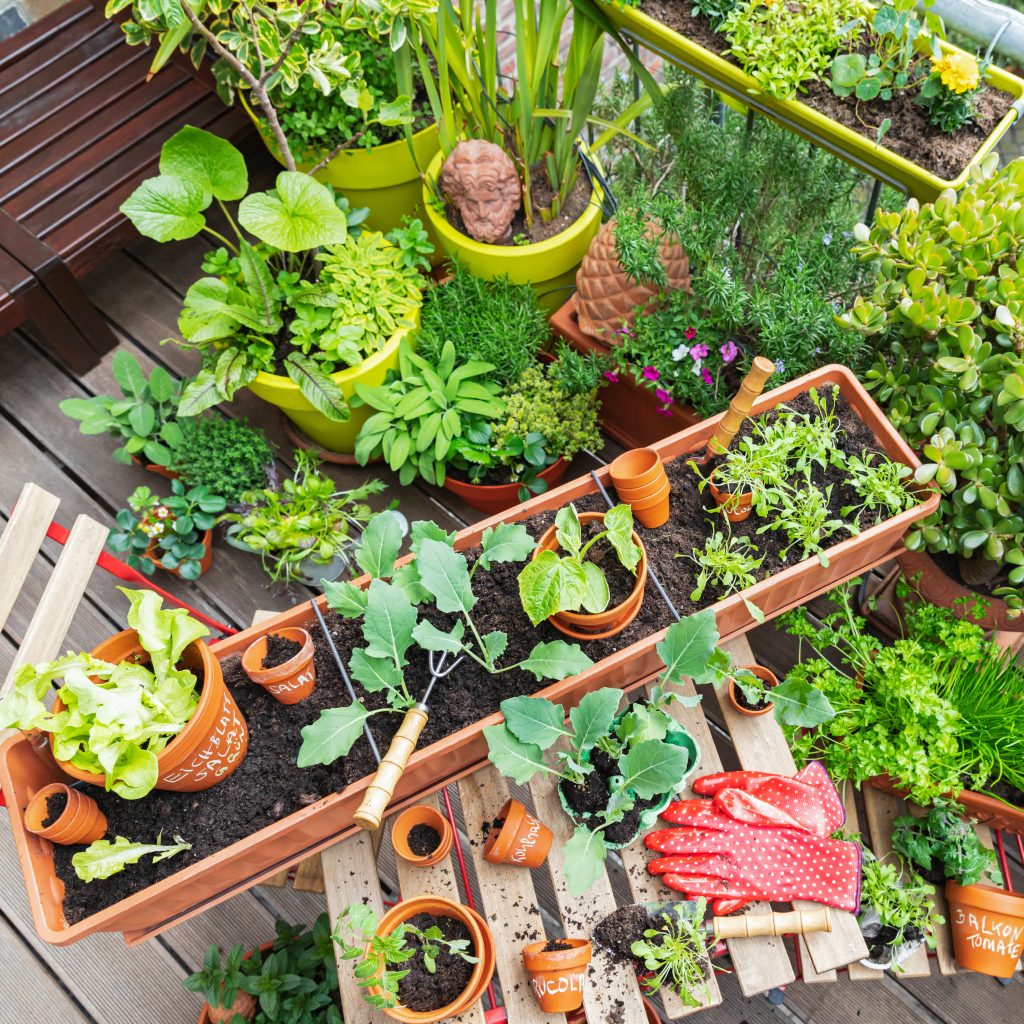
Imagine stepping into your backyard and being greeted by a vibrant tapestry of colors and scents, where every plant is a testament to nature’s artistry. Designing a beautiful vegetable garden is not just about planting seeds; it’s about creating an oasis that nurtures both your body and soul.
But how do you transform a simple plot of land into a stunning, productive garden that you can’t wait to spend time in? This guide will walk you through the steps to turn your vision into reality, making it easy for you to plan, design, and cultivate a garden that reflects your unique style and needs.
Whether you’re a seasoned gardener or just starting out, you’ll find valuable tips to inspire and guide you. Get ready to discover how to make your vegetable garden not only a source of fresh produce but also a beautiful retreat that enhances your outdoor space. Dive in and unlock the secrets to creating a garden you’ll love and others will admire!
Choosing The Right Location
Select a sunny spot with rich soil and good drainage. Proximity to water access simplifies maintenance tasks. Ensure enough space for plant growth and easy movement.
Choosing the right location for your vegetable garden is crucial. It impacts the growth and yield of your plants. A well-chosen spot can make gardening easier and more rewarding. Consider sunlight, water access, and soil quality. These factors ensure healthy growth and bountiful harvests.Sunlight Requirements
Vegetables need sunlight to thrive. Most require at least six hours of sun daily. Observe your yard to identify sunny spots. Avoid areas shaded by buildings or trees. Maximizing sun exposure boosts plant growth.Proximity To Water Sources
Easy access to water simplifies garden maintenance. Plants need regular watering, especially in hot weather. Choose a location near a water source. Consider installing a hose or drip irrigation system. This saves time and effort.Soil Quality Considerations
Good soil is vital for a productive garden. Check the soil’s texture and fertility. Rich, loamy soil supports plant growth. Avoid areas with rocky or sandy soil. Conduct a soil test to determine nutrient levels. Amend the soil if needed for optimal results.
Credit: www.yahoo.com
Planning The Layout
Designing a vegetable garden layout involves arranging plants for optimal growth and aesthetics. Consider plant height, sunlight needs, and spacing. Include paths for easy access and maintenance.
Planning a beautiful vegetable garden layout is essential. A well-thought-out design can boost plant growth. It also enhances the garden’s visual appeal. Consider various elements before planting. These include bed types, pathways, and companion plants. Let’s explore these factors in more detail.Raised Beds Vs. Ground Planting
Raised beds offer several benefits. They improve drainage and soil quality. They also help in controlling weeds. Raised beds warm up faster in spring. This allows for earlier planting. Ground planting, on the other hand, is cost-effective. It utilizes natural soil without added structures. Choose based on your budget and space.Pathways And Accessibility
Pathways are crucial for easy access. They prevent soil compaction around plants. Use materials like gravel, wood chips, or stepping stones. Ensure paths are wide enough for tools and wheelbarrows. This makes maintenance easier. Accessibility encourages frequent visits, promoting better plant care.Incorporating Companion Planting
Companion planting boosts plant health. Certain plants thrive when grown together. For example, tomatoes and basil are great companions. They improve each other’s growth and repel pests. Research beneficial plant pairings for your garden. Companion planting can enhance yield and reduce pest problems.Selecting Vegetables
Choosing the right vegetables adds beauty to your garden. Consider color, texture, and growth patterns for visual appeal. Mix leafy greens with vibrant tomatoes and peppers for a stunning display.
Selecting the right vegetables is the cornerstone of designing a beautiful and productive vegetable garden. The choices you make will directly impact the garden’s aesthetic appeal and its bounty. Start by considering your climate, the seasons, and the visual charm of the vegetables you wish to grow. Not all vegetables are created equal when it comes to beauty, so let’s dig into the details that can turn your garden into a masterpiece.Seasonal Choices
Understanding the seasons is crucial for selecting vegetables. Choose those that thrive in your specific climate during the spring, summer, fall, or winter. Imagine the vibrant greens of lettuce and spinach in early spring or the striking reds and oranges of tomatoes and peppers in summer. Planting vegetables according to their season ensures a continuous harvest and keeps your garden lively throughout the year. Do you prefer a garden that evolves with the seasons? Then, embracing seasonal vegetables is your path to a dynamic garden.Variety For Aesthetic Appeal
A diverse selection of vegetables can transform your garden into a visual feast. Mix colors, shapes, and sizes to create a picturesque scene. Think about pairing the deep purple hues of eggplants with the bright yellow of squash. Adding variety not only enhances aesthetic appeal but also promotes healthier soil and reduces pest issues. Do you want your garden to tell a story with color and form? Mixing different vegetables is your ticket to a captivating visual narrative.Herbs And Edible Flowers
Herbs and edible flowers are the unsung heroes of a beautiful vegetable garden. Their subtle beauty and delightful fragrances add layers of interest. Basil, with its lush green leaves, and nasturtiums, with their fiery blooms, can complement any vegetable selection. These plants offer more than just beauty; they can also enhance the flavors of your harvest. Ready to sprinkle some magic into your garden? Herbs and edible flowers are your secret ingredients for a garden full of surprises.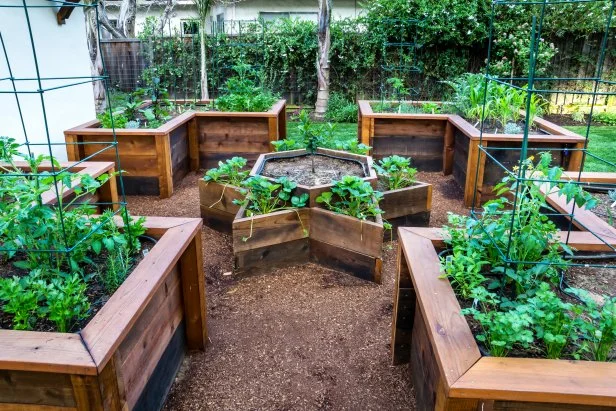
Credit: www.hgtv.com
Designing With Color And Texture
Designing a beautiful vegetable garden involves skillfully blending colors and textures. Bright green leaves and deep red tomatoes create visual appeal. Different plant heights add depth and interest, making your garden a stunning focal point.
Designing a vegetable garden isn’t just about functionality; it’s an opportunity to express creativity and add visual charm to your outdoor space. By focusing on color and texture, you can transform a simple garden into a stunning landscape that delights the senses. Imagine strolling through your garden, surrounded by vibrant hues and intriguing textures. This section will guide you through creating a beautiful tapestry of colors and textures in your vegetable garden.Using Foliage For Contrast
Choosing plants with contrasting foliage can create a striking visual effect. Consider pairing the deep purple leaves of kale with the bright green of lettuce. This contrast not only highlights individual plants but also adds depth to your garden’s appearance. Think about using silver-leafed plants like sage to catch the sunlight and enhance the darker tones around them. How can you use foliage to create a dynamic garden palette?Blending Different Heights
Incorporating plants of varying heights can add layers to your garden design. Tall plants like corn or sunflowers can serve as a dramatic backdrop, while shorter plants like basil or strawberries fill in the foreground. Consider staggering the heights to create a tiered effect, drawing the eye upward and giving the garden a sense of fullness. What height combinations can turn your garden into a living sculpture?Creating Visual Interest With Patterns
Patterns can bring a sense of order and intrigue to your garden layout. Use rows, circles, or clusters to arrange your plants. Planting carrots in neat rows next to radishes planted in circular patches can create a fun and inviting design. Experiment with geometric patterns or spirals to make the garden not only productive but visually stimulating. How will you pattern your plants to captivate visitors and enhance your garden’s beauty?Enhancing Garden Structures
Designing a beautiful vegetable garden involves thoughtful placement of plants and creative structures. Use raised beds and trellises to maximize space and add visual interest. Choose colorful vegetables and companion plants for a vibrant, lush look.
Enhancing Garden Structures Designing a beautiful vegetable garden isn’t just about the plants you choose. The structures you add can elevate the overall aesthetic and functionality of your space. Adding thoughtful elements can transform a simple garden into a stunning sanctuary.Trellises And Supports
Trellises and supports are not only practical but can also be visually striking. They guide climbing plants like beans and cucumbers, allowing you to maximize vertical space. Consider using materials such as wood or metal to complement your garden’s style. Imagine a trellis covered with vibrant green vines and colorful blooms. It not only supports your plants but also creates a natural screen or privacy wall. Such structures can become focal points, drawing the eye and adding depth to your garden.Decorative Fencing
Decorative fencing serves a dual purpose: it protects your plants and enhances your garden’s visual appeal. Choose materials and designs that reflect your personal taste while blending with the natural environment. Think about using rustic wooden panels or elegant wrought iron designs. A well-chosen fence can frame your garden, creating a defined and inviting space. It can also act as a backdrop for your plants, making their colors pop.Garden Art And Ornaments
Garden art and ornaments add personality and charm to your vegetable garden. These pieces can be as simple as painted rocks or as elaborate as sculptures and water features. They introduce an element of surprise and delight. Consider placing a whimsical wind chime or a classic birdbath among your plants. These additions can create focal points and encourage visitors to linger and explore. Every piece of art tells a story, so choose items that resonate with you and the vibe you want your garden to exude. Enhancing your garden with structures is about creating a space that is uniquely yours. What will you add to make your garden not only productive but also a reflection of your style?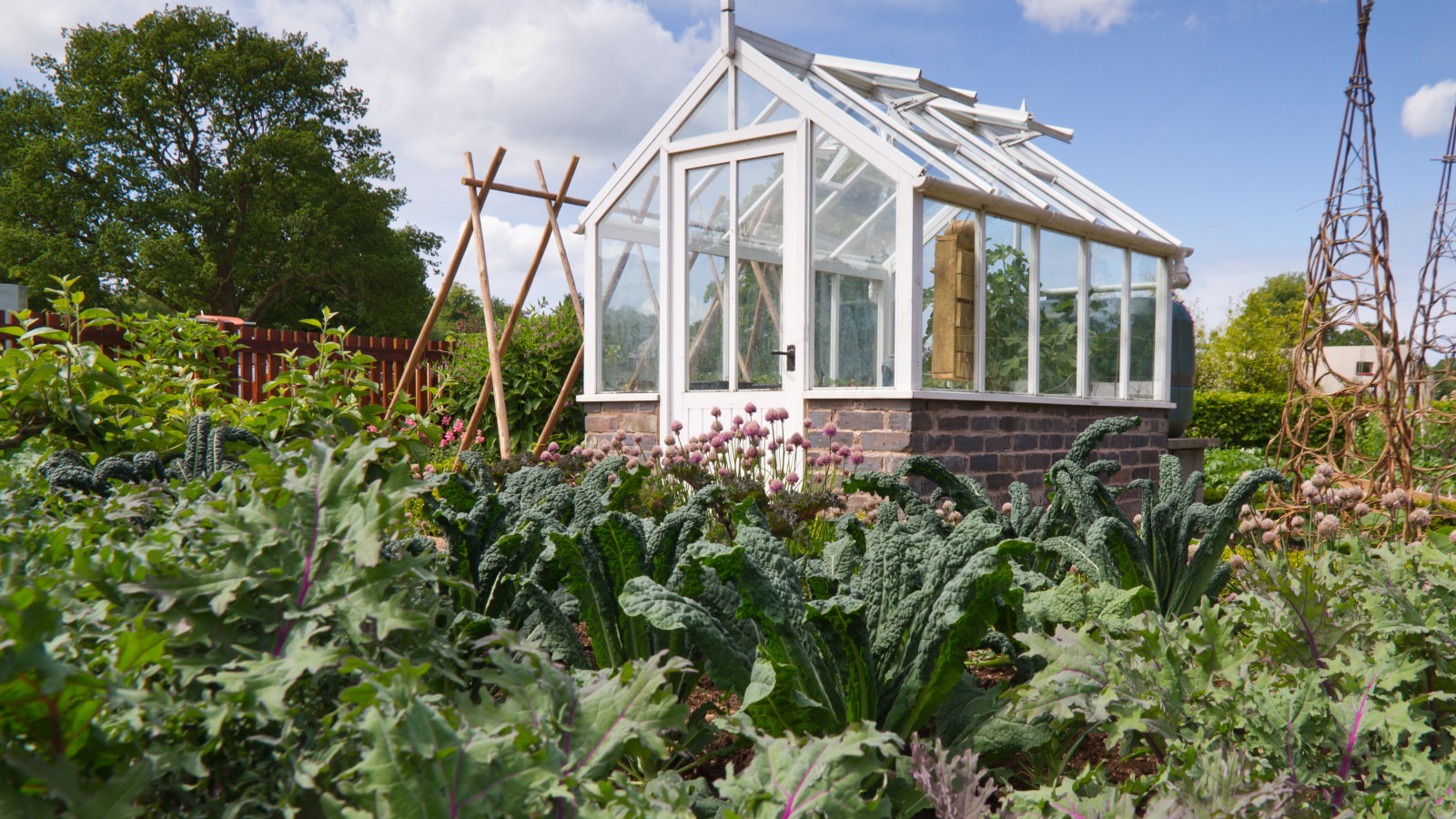
Credit: www.homesandgardens.com
Maintaining Beauty And Health
Designing a beautiful vegetable garden blends aesthetics and health benefits. Choose colorful plants to create visual appeal. Arrange in neat rows for easy access and maintenance.
Maintaining the beauty and health of your vegetable garden is an ongoing journey, but it’s incredibly rewarding. A lush, vibrant garden not only boosts your curb appeal but also enhances the flavor and nutrition of your produce. To achieve this, focus on regular upkeep and smart strategies that support both aesthetics and plant health.Regular Pruning And Trimming
Pruning and trimming are essential to keep your vegetable garden looking tidy and thriving. By removing dead or diseased leaves and stems, you allow your plants to direct energy toward new growth. Consider setting a weekly schedule for this task, maybe while enjoying a morning coffee. This practice also helps improve air circulation, reducing the risk of fungal infections.Pest Control Strategies
Pests can quickly turn a beautiful garden into a battlefield. Employing effective pest control strategies is vital to maintaining your garden’s health and beauty. Introduce beneficial insects like ladybugs and lacewings that prey on common pests. You can also use companion planting; for instance, marigolds can deter nematodes, while basil can repel flies and mosquitoes.Organic Fertilization Methods
Organic fertilization is a great way to nourish your plants while keeping your garden eco-friendly. Composting kitchen scraps and garden waste creates nutrient-rich soil that supports plant growth. You might also consider using manure or fish emulsion as natural fertilizers. Regularly check the nutrient needs of your plants to ensure they thrive throughout the season. By addressing these aspects, you ensure your vegetable garden remains a stunning and productive space. What are some challenges you’ve faced in maintaining your garden, and how did you overcome them? Share your thoughts and insights in the comments!Sustainable Practices
Designing a beautiful vegetable garden goes beyond aesthetics. Sustainable practices not only enhance the beauty of your garden but also ensure it thrives for years to come. These practices focus on using resources wisely, improving soil health, and creating a balanced ecosystem. Adopting sustainable methods is a rewarding experience that connects you with nature and fosters a sense of accomplishment.
Water Conservation Techniques
Water is a precious resource, and conserving it in your garden can make a big difference. Consider using drip irrigation systems, which deliver water directly to the plant roots, minimizing waste. You might also try collecting rainwater in barrels to reduce reliance on municipal water sources. Mulching is another effective strategy; it retains soil moisture and reduces evaporation. Imagine the satisfaction of seeing your plants flourish without excessive water usage.
Composting For Soil Health
Healthy soil is the foundation of a thriving garden. Composting transforms kitchen scraps and garden waste into nutrient-rich soil amendments. A simple compost bin can turn banana peels and coffee grounds into black gold for your garden beds. Not only does this process reduce waste, but it also enhances soil structure and boosts plant growth. Have you ever noticed how lush your plants become with homemade compost?
Attracting Beneficial Wildlife
Wildlife plays a crucial role in maintaining garden health. Encouraging beneficial insects like bees and ladybugs can help with pollination and pest control. Planting native flowers alongside your vegetables can attract these helpful creatures. Installing birdhouses or water features might also bring in birds that feed on garden pests. Isn’t it fascinating how nature balances itself when given the chance?
Frequently Asked Questions
What Are The Benefits Of A Vegetable Garden?
A vegetable garden provides fresh produce, reduces grocery costs, and promotes healthy eating. It enhances physical activity, reduces stress, and improves mental well-being. Growing your own food is environmentally friendly and reduces your carbon footprint. It also fosters a deeper connection with nature.
How To Start A Vegetable Garden?
Begin by selecting a sunny location with good soil drainage. Plan your garden layout and choose vegetables suited to your climate. Prepare the soil by adding compost or organic matter. Start with easy-to-grow vegetables like tomatoes, lettuce, and carrots. Water regularly and monitor for pests.
What Vegetables Grow Well Together?
Companion planting enhances growth and deters pests. Tomatoes pair well with basil, which repels insects. Carrots grow well with onions, which deter carrot flies. Beans enrich soil nitrogen and benefit corn growth. Research companion plants for optimal vegetable garden health and productivity.
How Often Should I Water My Garden?
Watering needs vary based on climate and soil type. Generally, vegetable gardens require one inch of water per week. Check soil moisture regularly and water deeply to encourage root growth. Avoid overhead watering, which can promote disease. Early morning or late afternoon watering is ideal.
Conclusion
Designing a vegetable garden can be a rewarding experience. Start small. Choose plants that suit your climate. Use colorful layouts to add beauty. Plan for easy access to each plant. Consider sunlight and water needs. Add pathways for convenience. Use compost to enrich the soil.
Keep the garden neat and tidy. Enjoy the fruits of your labor. Share your harvest with family and friends. Gardening can bring joy and health. Get outside, plant, and nurture. Watch your garden grow and thrive. Your effort will surely pay off.
Happy gardening!







