Imagine stepping into your backyard and feeling an immediate sense of peace and happiness. The vibrant colors of blooming flowers, the soothing sound of a gentle breeze rustling through leaves, and the inviting scent of fresh herbs create a personal sanctuary right outside your door.
Designing your backyard garden can transform your outdoor space into this beautiful retreat. But where do you start? In this guide, you’ll discover simple yet effective steps to design your dream garden. Whether you have a spacious yard or a cozy patio, the possibilities are endless.
By the end of this article, you’ll have the confidence to create a garden that reflects your style and meets your needs. Ready to get inspired and bring your vision to life? Let’s dig into the secrets of crafting a backyard garden that will make you never want to leave home.
Planning Your Garden Space
Designing a backyard garden begins with understanding your space and sunlight. Choose plants that suit your climate and soil. Arrange them creatively for a pleasing look.
Planning your garden space is an essential first step. It helps ensure a functional and beautiful backyard. This process involves understanding your space, setting goals, and aligning them with personal preferences.Assessing Available Space
Start by evaluating your backyard’s dimensions. Measure length and width accurately. Consider existing features like trees or pathways. Note areas with full sun, partial shade, or full shade. Identify any slope or uneven ground. These elements impact garden design choices. Create a simple sketch of your backyard. Include all the noted features and dimensions.Setting Goals And Preferences
Decide what you want from your garden. Is it a place for relaxation, growing vegetables, or entertaining guests? Prioritize these goals. Think about the types of plants you like. Consider maintenance level you can handle. Some prefer low-maintenance plants, others enjoy regular gardening tasks. Align your garden design with your lifestyle and aesthetic preferences.Choosing Plant Varieties
Selecting the right plant varieties shapes your backyard garden’s charm and functionality. Consider sunlight, soil type, and climate when choosing plants. Mix colors, heights, and bloom times for year-round beauty.
Choosing the right plant varieties can transform your backyard garden. It impacts the garden’s beauty and health. Consider the climate and soil type. Also, think about how much time you can spend on maintenance. Selecting the right plants ensures a thriving garden.Native Plants Vs. Exotic Choices
Native plants adapt well to local conditions. They require less water and care. Native plants support local wildlife, like bees and butterflies. Examples include Black-Eyed Susans and Coneflowers. Exotic plants often offer unique colors and shapes. They can create a striking garden appearance. But exotic plants may need more attention. They might struggle with local pests and diseases. Choose based on your garden goals and effort level.Seasonal Plant Selection
Plan for year-round color by choosing seasonal plants. Spring blooms like tulips offer early color. Summer brings vibrant sunflowers and zinnias. Autumn showcases mums and asters. Winter gardens might feature evergreens and holly. Seasonal selection keeps your garden lively all year. Consider plant lifespan, too. Annuals need replanting each year. Perennials return every season, requiring less work. Mix both for variety and ease.Designing Garden Layout
Creating a backyard garden layout involves organizing plants and features for beauty and function. Consider sun exposure, soil type, and space to design a balanced garden. Pathways and focal points enhance accessibility and visual interest, making the garden inviting and enjoyable.
Designing the layout of your backyard garden is an exciting adventure. It involves creativity and planning to make your outdoor space inviting. A well-thought-out garden layout brings harmony and function to your backyard. It helps maximize space and enhances the beauty of your garden.Creating Focal Points
Focal points draw attention and create interest in your garden. They can be a statue, a water feature, or a unique plant. Choose something eye-catching yet harmonious with the surroundings. Place focal points where they can be easily seen. This could be at the end of a path or in the center of a garden bed. Balance is key. Too many focal points can overwhelm the space.Incorporating Pathways And Zones
Pathways guide the flow and connect different garden areas. Use materials like stone, gravel, or wood chips. Each offers a unique texture and feel. Pathways should be wide enough for easy walking. Create zones for different purposes. Have a seating area, a play zone, or a vegetable patch. Zones add structure and make the garden more functional. Use plants or low fences to separate zones. This helps in defining spaces without feeling enclosed.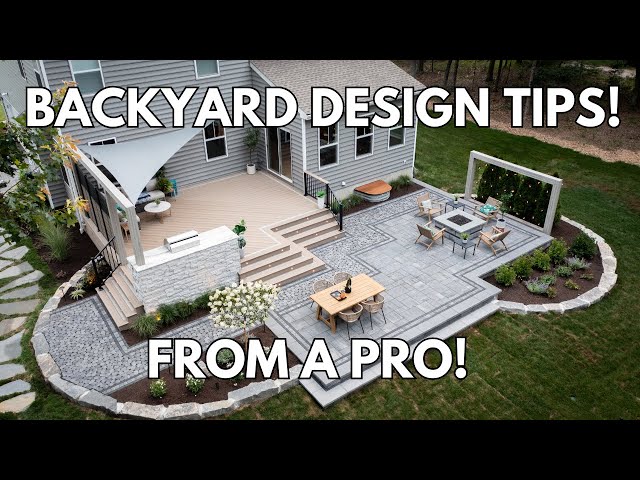
Credit: www.youtube.com
Optimizing Soil And Drainage
Enhance your backyard garden by ensuring proper soil and drainage. Test soil quality for nutrients and pH balance. Implement effective drainage solutions to prevent waterlogging and promote healthy plant growth.
Designing your backyard garden is a rewarding adventure, but it’s essential to lay a solid foundation by optimizing soil and drainage. These elements are the backbone of a thriving garden, ensuring your plants grow robust and healthy. Without proper soil quality and drainage, even the most beautiful garden designs can falter. Let’s dive into how you can make your garden not just a visual delight but also a flourishing ecosystem.Improving Soil Quality
To create a vibrant garden, improving soil quality is crucial. Start by assessing what type of soil you have. Is it sandy, clay, or loamy? Each type has its own characteristics and needs specific amendments. Consider adding organic matter like compost. It enhances soil structure and nutrient content, making it more fertile. You might be surprised at how kitchen scraps and garden clippings can transform your soil over time. Test your soil’s pH level. Knowing whether it’s acidic or alkaline will guide you on which plants will thrive. Simple pH kits are available at garden centers and can be a game-changer for your planting strategy.Effective Drainage Solutions
Proper drainage is vital to prevent waterlogging, which can stunt plant growth or cause root rot. Observe how water moves in your garden after a heavy rain. Is there a spot that resembles a small pond? Elevated garden beds can be an excellent solution. They allow excess water to escape more easily and can be made from wood or stone, adding a decorative touch to your garden design. Consider installing a French drain. It’s a practical solution to channel water away efficiently. A trench filled with gravel and a perforated pipe can divert water, keeping your plants safe and dry. How about using rainwater barrels? Not only do they aid in drainage, but they also provide a sustainable way to water your garden. It’s a win-win, helping you conserve water while ensuring your garden remains well-drained. Making these adjustments to your backyard can lead to a flourishing garden that not only looks beautiful but also thrives in health and sustainability. What changes will you make to optimize your garden’s soil and drainage today?Integrating Water Features
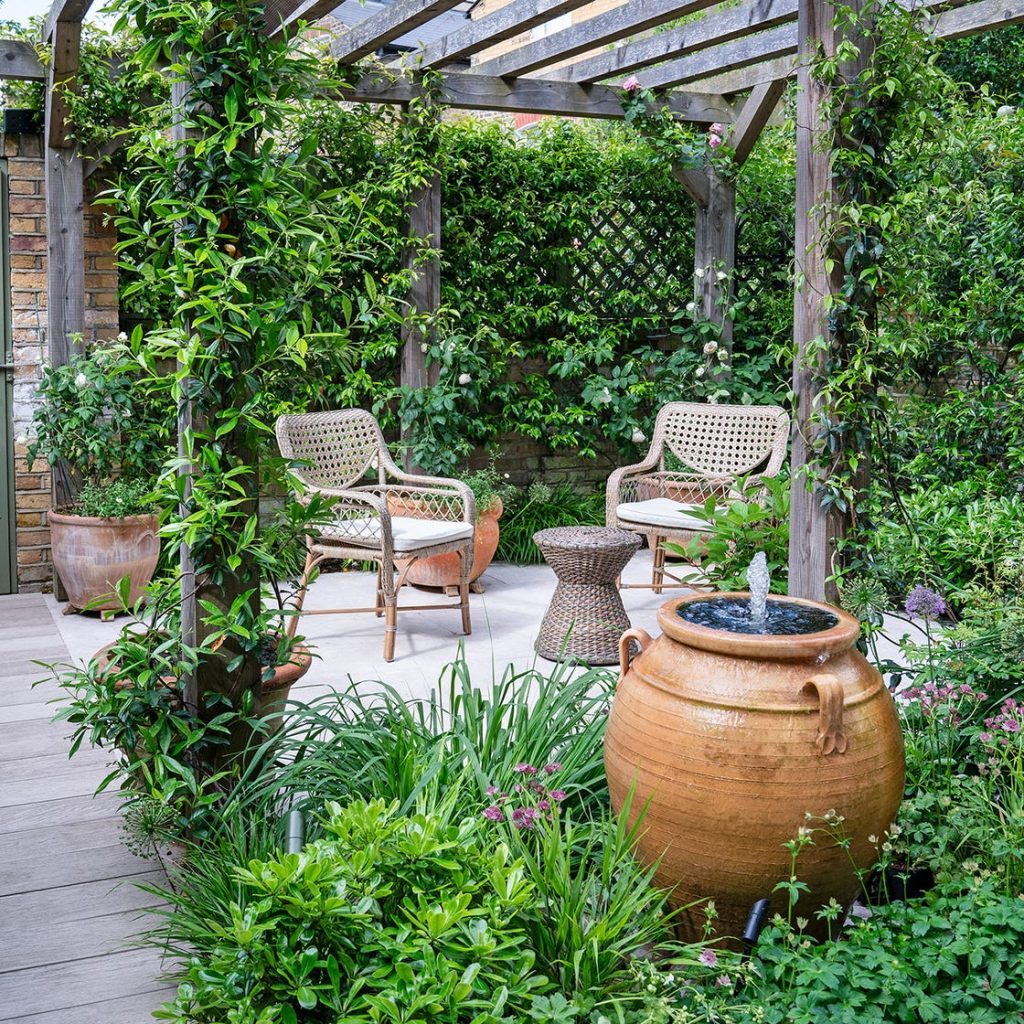
Integrating water features creates a soothing ambiance in backyard gardens. Consider a small pond or fountain for tranquility. These elements attract wildlife, enhancing the natural feel of your garden space.
Integrating water features into your backyard garden can transform it from a simple outdoor space into a tranquil oasis. The soothing sound of running water can create a peaceful ambiance, making your garden a perfect place to relax and unwind. Whether you have a sprawling yard or a cozy nook, there’s a water feature that can fit seamlessly into your design.Types Of Water Features
Choosing the right type of water feature is crucial for your garden’s vibe. Consider a small fountain for a soft, gentle sound that doesn’t overpower your space. Birdbaths not only add a decorative touch but also attract wildlife, bringing a lively element to your garden. Ponds are perfect if you have more space and want to introduce a diverse ecosystem. They can house fish and aquatic plants, adding color and movement to your garden. Waterfalls can be integrated into ponds or standalone, providing a dramatic focal point.Maintaining Water Features
Maintaining your water feature ensures it remains a beautiful and functional part of your garden. Regularly clean filters and pumps to keep the water flowing smoothly. This prevents algae build-up and keeps the water clear and fresh. Check the water level frequently, especially during hot weather, to prevent pump damage. Consider adding aquatic plants to naturally balance the ecosystem, reducing maintenance efforts. Are you ready to embrace the calming influence of water in your garden?
Credit: awaytogarden.com
Enhancing With Outdoor Structures
Enhancing your backyard garden with outdoor structures creates a cozy and inviting space. Choose pergolas or gazebos for shade and style. Add pathways and seating areas for a peaceful retreat.
Enhancing with outdoor structures can transform your backyard garden from a simple green space into a stunning oasis. These structures not only add visual interest but also serve functional purposes, like providing shade or a cozy spot to relax. By thoughtfully incorporating elements such as garden furniture, pergolas, and gazebos, you can create a harmonious and inviting outdoor environment that you’ll love spending time in.Selecting Garden Furniture
Choosing the right garden furniture is crucial for comfort and style. Think about how you plan to use your outdoor space. Do you envision intimate dinners or large gatherings? Consider materials that suit your climate and maintenance preferences. Wood offers a classic look but requires upkeep. Metal is durable and often weather-resistant. Add cushions and textiles to introduce color and texture. Make sure they are weatherproof to withstand outdoor conditions.Building Pergolas And Gazebos
Pergolas and gazebos provide structure and elegance to any garden. Decide on the placement that enhances your garden’s layout, offering shade without blocking key views. A pergola can frame a pathway or define a dining area. It can also be draped with climbing plants for natural beauty. Gazebos offer a more enclosed space, perfect for privacy or shelter. Consider adding string lights to create a warm, inviting ambiance in the evenings. What type of structure fits your garden vision? Take into account the size and style of your garden. This ensures that your choice complements rather than overwhelms your outdoor space.Lighting And Ambiance
Transform your backyard garden with the perfect lighting. Enhance the beauty and functionality of your outdoor space. Lighting can create an inviting atmosphere. It allows you to enjoy your garden even at night. The right lighting fixtures add charm and character.
Choosing Lighting Fixtures
Select lighting fixtures that complement your garden style. Use solar lights for an eco-friendly option. Opt for LED lights to save energy. Consider path lights for safe navigation. String lights add a whimsical touch. Lanterns and torches bring a rustic feel.
- Solar lights for eco-friendliness
- LED lights for energy efficiency
- Path lights for safety
- String lights for charm
- Lanterns and torches for a rustic look
Creating Nighttime Atmosphere
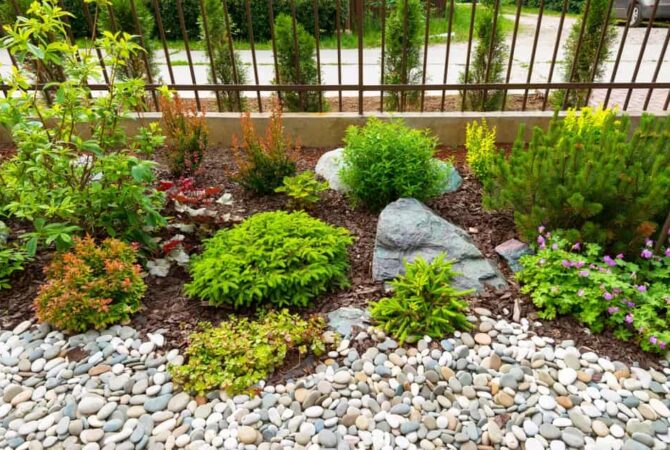
Arrange lights to highlight garden features. Use uplighting for trees and large plants. Downlighting creates soft, natural shadows. Mix warm and cool tones for balance. Install dimmers to adjust brightness. Ensure lights are weatherproof for durability.
- Uplighting for trees
- Downlighting for soft shadows
- Mix warm and cool tones
- Install dimmers for control
- Weatherproof lights for durability
Credit: www.extraspace.com
Sustainable Gardening Practices
Design your backyard garden using sustainable practices to create a green oasis. Choose native plants that thrive in your climate and need less water. Implement a compost system to recycle kitchen scraps, enriching the soil naturally.
Designing a backyard garden with sustainability in mind is a rewarding endeavor. Embracing eco-friendly practices not only benefits the environment but also enhances the beauty and productivity of your garden. Here are some practical tips to make your garden more sustainable.Composting Techniques
Composting is a simple way to reduce waste and enrich your soil. Start by setting up a compost bin in a corner of your garden. Add kitchen scraps, such as fruit peels and coffee grounds, along with yard waste like leaves and grass clippings. Turn the pile regularly to speed up decomposition. You’ll be surprised how much your plants thrive with this homemade nutrient boost. Remember, composting is a natural process that requires patience but offers great rewards.Water Conservation Methods
Water is a precious resource, and conserving it in your garden is crucial. Consider installing a rain barrel to collect rainwater for irrigation. This simple addition can save gallons of water and reduce your utility bill. Implement drip irrigation systems to deliver water directly to plant roots, minimizing evaporation. Mulching around plants also helps retain moisture in the soil. By adopting these methods, you’ll create a garden that’s both beautiful and environmentally responsible. Have you ever thought about how much water you could save with just a few adjustments? Sustainable practices like these not only protect our planet but also make gardening more enjoyable and fulfilling.Maintenance And Care
Regularly water plants to keep them healthy. Prune bushes to promote growth and remove dead leaves. Maintain soil quality by adding compost and mulch.
Designing a backyard garden is a rewarding endeavor, but it requires ongoing maintenance and care to ensure your plants flourish. Regular attention helps your garden stay healthy, vibrant, and free of pests. Taking the time to understand the needs of your garden can transform it into a thriving oasis.Regular Pruning And Weeding
Pruning is crucial for plant health and aesthetics. It encourages growth and helps shape your plants. You don’t need to be a professional to do this effectively. Trim away dead or overgrown branches to promote new growth. Weeding is the never-ending task that keeps your garden clean. Regularly pull out weeds by their roots to prevent them from stealing nutrients and sunlight from your plants. A few minutes every week can make a significant difference.Seasonal Care Tips
Each season brings its own challenges and opportunities. In spring, focus on planting and fertilizing. This is when your garden wakes up and starts growing again. Summer is about watering and protecting your plants from the heat. Ensure that your plants are hydrated but avoid overwatering, which can lead to root rot. In autumn, prepare your garden for the colder months. Clean up fallen leaves and mulch to protect the soil. Winter is the time to plan for the next year. Reflect on what worked well and what didn’t, and adjust your plans accordingly. What new plants could you try next year? Think of your garden as a living entity that evolves with each season, requiring different care strategies to thrive. Are you ready to embrace the cycle and see your garden bloom?Incorporating Personal Touches
Adding personal touches to your backyard garden can transform it from a generic space to a reflection of your personality and style. Whether you’re a fan of rustic charm or modern elegance, infusing your garden with elements that speak to you can create a space you’ll love. Let’s dive into how you can add personal flair to your outdoor oasis.
Diy Decor Ideas
DIY projects are a fantastic way to personalize your garden without breaking the bank. Consider creating your own garden markers using stones or recycled materials. Paint them with vibrant colors and write the names of your plants for a charming touch.
How about crafting a unique bird feeder? Use old kitchenware or mason jars to attract feathered friends. Not only will it add character to your garden, but it will also provide a delightful view of nature.
- Transform old tires into colorful planters.
- Create wind chimes from repurposed metal or glass.
- Design stepping stones with personalized messages.
What DIY project have you always wanted to try in your garden?
Personalizing With Art
Art is a powerful way to express individuality, and it can make your garden truly unique. Consider adding sculptures that resonate with you or reflect your interests. A whimsical statue or a sleek modern piece can instantly alter the vibe of your space.
Think about wall art or murals on any fences or walls. You can paint them yourself or invite local artists to contribute their work. This can serve as a conversation starter and add a splash of color to your garden.
| Art Type | Personalization Tip |
|---|---|
| Garden Sculpture | Choose pieces that reflect your hobbies or favorite animals. |
| Wall Art | Incorporate local or cultural themes. |
What piece of art would perfectly complete your garden’s look?
Frequently Asked Questions
How Do I Start Designing My Backyard Garden?
Begin by assessing the space and sunlight exposure. Choose plants suitable for your climate and soil. Sketch a layout considering pathways, seating, and focal points. Incorporate elements like water features or garden beds. Prioritize functionality and aesthetics to create a balanced, inviting outdoor space.
What Plants Are Best For Backyard Gardens?
Select native plants for easier maintenance and adaptability. Consider perennials for longevity and seasonal interest. Herbs and vegetables can add functionality. Choose plants with varying heights and textures for visual appeal. Ensure they are suitable for your climate and soil type for optimal growth.
How Can I Make My Garden Eco-friendly?
Opt for native plants to reduce water usage and attract local wildlife. Use organic fertilizers and pest control methods. Incorporate composting to enrich soil naturally. Implement rainwater harvesting systems. Choose permeable materials for paths to prevent water runoff and support groundwater replenishment.
How Do I Choose The Right Garden Style?
Consider the architecture of your home and personal preferences. Popular styles include cottage, contemporary, and Mediterranean. Research each style’s elements, such as plant types and decorative features. Balance aesthetics with maintenance requirements. Ensure the chosen style complements your lifestyle and enhances your outdoor experience.
Conclusion
Creating a backyard garden can be fulfilling and fun. Start small. Experiment with plant types and designs. Consider light and soil conditions. Add seating for relaxation. Paths and borders guide the eye. Colorful flowers lift spirits. Edible plants offer fresh treats.
Water features add tranquility. Regular care keeps your garden thriving. Don’t rush. Enjoy each step. Let your garden grow with you. Personalize it to reflect your taste. Make it a space you love. Invite nature in. Watch your backyard transform into a peaceful retreat.