Imagine strolling through a garden filled with fragrant roses, each bloom whispering tales of history and elegance. You might wonder who planted this iconic garden at the heart of America—the White House Rose Garden.
This cherished space is not just a patch of vibrant flowers; it’s a symbol of tradition and transformation, bearing witness to countless presidential moments. Have you ever felt the curiosity tugging at your thoughts, urging you to uncover the stories rooted deep in its soil?
You’re not alone. This garden’s origins hold secrets that are as captivating as its blossoms. Dive into this article to discover the visionaries who crafted this living masterpiece and explore the garden’s evolving legacy that continues to enchant visitors like you. Your curiosity is the key to unlocking the fascinating journey of the White House Rose Garden.

Credit: www.townandcountrymag.com
Origins Of The Rose Garden
The White House Rose Garden is more than just a beautiful array of flowers; it is a symbol of growth, resilience, and history. Nestled on the west side of the White House, this garden has witnessed countless historical moments. But have you ever wondered about its origins? Let’s take a stroll back in time to discover who planted the seeds of this iconic garden and how it came to bloom.
Origins Of The White House Rose Garden
The idea of the White House Rose Garden was cultivated by First Lady Ellen Axson Wilson, wife of President Woodrow Wilson. In 1913, she envisioned a space that would offer a peaceful retreat and be an elegant setting for social events. With her passion for art and nature, she collaborated with renowned landscape architect Beatrix Farrand to design a garden that combined beauty with functionality.
Initial Design And Influences
Ellen Wilson’s vision was deeply influenced by her appreciation for the formal gardens of Europe. She wanted a garden that reflected the grandeur and elegance seen in European landscapes, while still maintaining an American touch. Beatrix Farrand, known for her refined taste and meticulous planning, introduced a layout that seamlessly blended these elements, creating a harmonious environment.
The Role Of Beatrix Farrand
Beatrix Farrand, the only woman among the founding members of the American Society of Landscape Architects, played a pivotal role in shaping the Rose Garden. Her expertise was crucial in selecting the plant varieties and ensuring the garden’s design complemented the architecture of the White House. Farrand’s work laid the foundation for future modifications, leaving a lasting impact on the garden’s aesthetic.
Changes Through The Decades
Over the years, the Rose Garden has undergone several transformations, each reflecting the tastes and priorities of different administrations. From adding new plant species to redesigning pathways, every change tells a story. Have you ever wondered how these changes mirrored the political and cultural shifts of their times?
Preservation And Modernization
Today, maintaining the Rose Garden’s historical integrity while incorporating modern needs is a delicate balancing act. Efforts are continuously made to preserve its original charm while ensuring it serves contemporary functions. What changes would you make to preserve its historical essence while catering to modern-day requirements?
Early Landscaping Efforts
The White House Rose Garden is a symbol of beauty and history. It reflects the early landscaping efforts that shaped its charm. Initially, the grounds were wild and unkempt, needing transformation. Early decisions laid the foundation for what the garden is today.
Historical Beginnings
In the early 1800s, the White House grounds were mostly barren. President Thomas Jefferson started the first landscaping efforts. He envisioned a garden that complemented the grandeur of the house. Jefferson was passionate about plants and nature.
Jefferson’s Vision
Jefferson wanted the garden to be both useful and beautiful. He planted trees and shrubs that were native to America. His choices reflected his love for American agriculture. This was the start of a garden that would evolve over decades.
Developments Under Madison
President James Madison continued Jefferson’s work. Madison focused on expanding the garden’s layout. He added more trees and decorative plants. His wife, Dolley Madison, was also involved. Her influence brought a touch of elegance to the garden.
Influence Of European Styles
European landscaping styles inspired early American gardens. Designers integrated symmetry and order. This influence was evident in the White House garden’s early designs. The goal was to create a space that was both functional and beautiful.
Evolution Over Time
The garden continued to evolve with each president. New plants and layouts were added. The White House Rose Garden became a blend of tradition and innovation. Each change added layers to its rich history.
First Lady’s Influence
The White House Rose Garden holds stories of transformation. First Ladies have played vital roles in its evolution. Their influence echoes through the fragrant blooms and serene pathways. These remarkable women shaped the garden’s landscape, reflecting their vision and style.
Role Of Edith Roosevelt
Edith Roosevelt was the first to change the White House grounds. Her influence was significant in shaping the garden’s early look. She wanted a space that was both beautiful and useful. In 1902, she worked with the landscape architect Frederick Law Olmsted Jr. Together, they created a formal garden design. It was known for its symmetry and order. Edith’s choices laid the foundation for future changes.
Impact Of Jacqueline Kennedy
Jacqueline Kennedy’s impact on the Rose Garden was profound. She reimagined it as a place of beauty and diplomacy. In 1961, she collaborated with designer Rachel Lambert Mellon. They transformed the garden into a space for ceremonies and events. Jacqueline’s vision brought elegance and charm. She included a variety of flowers, shrubs, and trees. The garden became a vibrant symbol of American culture.
The Role Of Professional Gardeners
The White House Rose Garden is a testament to the skill and vision of professional gardeners who have shaped its beauty over the years. Their expertise has ensured that the garden flourishes not only as a space of tranquility but also as a symbol of elegance and history. The contributions of these gardeners, including Beatrix Farrand and Rachel Lambert Mellon, have left an indelible mark on this iconic landscape.
Contributions Of Beatrix Farrand
Beatrix Farrand, one of the first female landscape architects in America, played a pivotal role in the early design phases of the White House gardens. Her approach was both innovative and practical, blending aesthetic appeal with environmental considerations. She emphasized the use of native plants and sustainable practices long before they became mainstream.
Farrand’s designs were characterized by intricate layouts and attention to detail. Her passion for gardening was evident in every corner of the gardens she touched. Can you imagine walking through the garden paths she meticulously planned, each turn revealing a new visual delight?
Involvement Of Rachel Lambert Mellon
Rachel Lambert Mellon, affectionately known as Bunny Mellon, was instrumental in the redesign of the Rose Garden in the 1960s. Her vision was to create a space that seamlessly integrated with the architecture of the White House. Mellon’s contribution was not just about aesthetics; she focused on functionality and accessibility.
Her redesign included a mix of roses, magnolias, and boxwoods, creating a harmonious blend of colors and textures. Mellon’s ability to transform a simple garden into a masterpiece is a testament to her dedication and expertise. Have you ever considered how the layout of a garden can impact your experience within it?
Design Evolution Over Time
Jacqueline Kennedy, the First Lady, initiated the creation of the White House Rose Garden in 1962. Her vision transformed the space into a symbol of elegance, blending nature with history.
The White House Rose Garden is a living testament to the ever-changing tastes and influences of different eras. Its design evolution over time reflects both the personal preferences of the First Families and the broader cultural and horticultural trends of each period. As you stroll through this iconic garden, you’re not just walking through a landscape; you’re experiencing a piece of American history that has been shaped and reshaped over the decades.Changes During Different Administrations
Each administration has left its unique mark on the Rose Garden, adapting it to suit their needs and style. Under President John F. Kennedy’s administration, the garden saw a transformation led by Jacqueline Kennedy and horticulturist Rachel Lambert Mellon. They aimed to create a space for both beauty and function, introducing a more formal design with a focus on symmetry and open spaces for gatherings. During President Nixon’s era, the garden was further modified to enhance its use as a backdrop for state functions and media events. The addition of trees and shrubs provided a lush, natural setting, while still maintaining the structured elegance envisioned by Mellon. Imagine how each president’s vision influenced the way the garden was used and perceived.Modern Design Elements
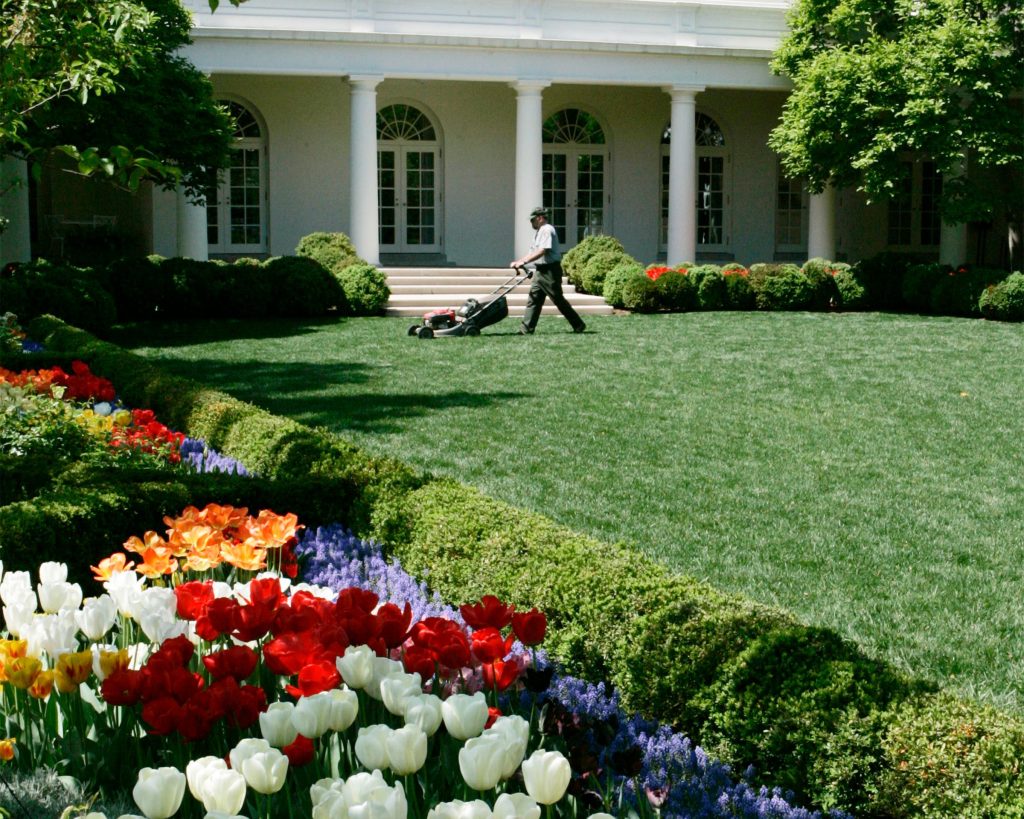
The modern-day Rose Garden integrates contemporary elements while respecting its historic past. Recent updates have focused on sustainability, incorporating native plant species that thrive in the local climate, requiring less water and maintenance. This not only preserves the garden’s beauty but also aligns with a growing awareness of environmental responsibility. In addition to native plants, modern design elements include improved accessibility features, such as wider pathways, allowing more people to enjoy its splendor. Consider how these changes ensure the garden remains not just a symbol of elegance but also a model of inclusivity and ecological mindfulness. How do these evolving designs mirror the changing values and priorities of each era? As you reflect on the Rose Garden’s history, you’re invited to think about the broader implications of how spaces evolve to meet the demands of their time while preserving their essence for future generations.
Credit: www.cnn.com
Significant Events Hosted
First Lady Jacqueline Kennedy transformed the White House Rose Garden. Her dedication brought elegance and charm to its design. With a focus on beauty, she created a space for hosting significant events.
The White House Rose Garden is not just a beautiful landscape but also a stage for numerous significant events that have shaped history. From historic ceremonies to pivotal presidential announcements, the Rose Garden has witnessed moments that resonate far beyond its elegant confines. It is here that tradition meets modernity, as the garden continues to be a backdrop for events that capture the nation’s attention.Historic Ceremonies
The Rose Garden has been the site of various historic ceremonies that have left an indelible mark on the nation’s consciousness. One memorable event was the welcoming of returning astronauts from the Apollo missions. Picture the excitement and pride as these space pioneers were greeted in the lush surroundings of the Rose Garden, symbolizing a nation’s achievement in space exploration. The garden also hosted the signing of landmark legislation, such as the Civil Rights Act of 1964. Imagine the gravity of the moment as leaders gathered to take a stand for equality, with the roses in full bloom serving as silent witnesses to a new chapter in American history.Presidential Announcements
Presidents have often chosen the Rose Garden to make announcements that require the nation’s attention. The serene and stately setting provides a perfect backdrop for addressing serious issues. Whether it’s announcing new policies, appointing Supreme Court justices, or communicating crucial foreign policy decisions, the Rose Garden is where many presidents have chosen to face the American public. Reflect on this: How does the choice of location impact the message being delivered? The Rose Garden, with its blend of beauty and history, lends a sense of gravitas and intimacy to presidential announcements. It’s a place where the weight of words is matched by the weight of tradition.Cultural And Political Impact
The White House Rose Garden is more than just a collection of beautiful blooms; it is a powerful symbol of cultural and political significance. Established by First Lady Jacqueline Kennedy in 1962, the garden has become a backdrop for many historic events and presidential announcements. Its design and evolution reflect the changing tides of American politics and the nation’s values. But what deeper meanings does it hold, and how has it influenced the public’s perception over the years?
Symbolism In American Politics
The Rose Garden stands as a testament to the elegance and grace of American leadership. Presidents have used it to convey messages of hope, peace, and progress. For instance, the garden has hosted numerous treaty signings and important speeches, underscoring its role as a stage for pivotal moments in history.
Consider this: the garden’s very existence is a reminder of the nation’s commitment to beauty and nature amidst political tumult. Its roses, carefully selected and nurtured, symbolize resilience and renewal. Each bloom can be seen as a metaphor for the American spirit—strong, diverse, and ever-growing.
Public Perception And Media
How do you view the Rose Garden? For many, it is synonymous with presidential power and prestige. Media coverage over the years has highlighted its role in shaping public opinion. Events held in this iconic space often garner significant attention, influencing how citizens perceive political leaders and their agendas.
Think back to the images of presidents and dignitaries standing amidst the roses. These visuals have a lasting impact, creating powerful narratives around leadership and diplomacy. Do these stories change how you feel about the decisions made within its bounds?
Moreover, the garden’s design and maintenance are frequently scrutinized, reflecting broader societal values. As public interest in sustainability and environmental responsibility grows, so too does the expectation for the Rose Garden to embody these principles.

Credit: www.townandcountrymag.com
Frequently Asked Questions
Who Created The White House Rose Garden?
The White House Rose Garden was created in 1962 by First Lady Jacqueline Kennedy. She collaborated with horticulturist Rachel Lambert Mellon for its design. The garden serves as a space for official ceremonies and gatherings. It reflects a blend of American and French gardening styles.
Why Was The Rose Garden Renovated?
The Rose Garden was renovated in 2020 to improve accessibility and infrastructure. This included updated drainage systems and pathways. The renovation aimed to preserve its historical integrity while enhancing its functionality. It was overseen by First Lady Melania Trump and involved horticultural experts.
What Plants Are In The Rose Garden?
The Rose Garden features roses, magnolias, and boxwoods. It includes seasonal flowers like tulips and daffodils. The garden’s design incorporates a mix of perennials and annuals. It reflects a palette of vibrant colors and textures. This variety ensures year-round beauty and interest.
How Is The Rose Garden Used Today?
Today, the Rose Garden hosts ceremonies and press conferences. It serves as a backdrop for presidential addresses. The space is also used for official receptions and events. It provides a serene setting for important occasions. Its historical significance enhances the White House’s prestige.
Conclusion
The White House Rose Garden holds history and beauty. Many hands shaped it. Each plant tells a story, a memory of those who cared. Presidents and First Ladies added their touch, making it unique. Their choices reflected their times and visions.
Today, the garden remains a symbol. It shows change, growth, and continuity. Visitors see more than flowers; they see a legacy. This space connects past to present, and nature to politics. Walking through, you feel its charm and significance. It’s not just a garden; it’s a piece of living history.