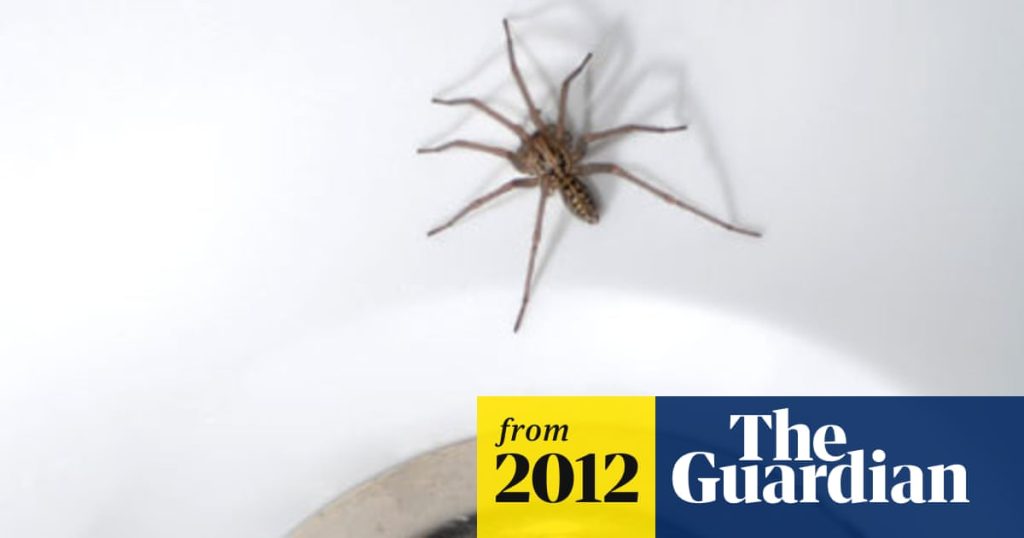
Have you ever spotted a garden spider indoors and wondered how long it might stick around? You’re not alone.
Many people share the curiosity about these intriguing little creatures that somehow find their way inside our homes. Garden spiders, known for their intricate webs and unique charm, are typically outdoor dwellers. But what happens when they come inside? Will they thrive or struggle to survive?
This article will unravel the mystery of their indoor lifespan, offering insights that might surprise you. Whether you’re a spider enthusiast or simply seeking to cohabitate peacefully, understanding their indoor life can transform your perspective. Stick around as we explore the fascinating world of garden spiders living indoors, and discover what it means for you and your home.

Credit: ngpest.com
Indoor Habitat For Garden Spiders
Garden spiders, typically known for their intricate webs and outdoor presence, can sometimes find their way indoors. While they might not be the usual house guests, understanding their indoor habitat can be quite fascinating. You may wonder how these spiders adapt to the indoor environment and what challenges they face living inside your home.
Adaptation To Indoor Environment
Garden spiders are surprisingly resilient creatures. Once inside, they often seek out quiet corners or undisturbed areas to set up their webs. You might find them in basements, attics, or behind furniture, where they can spin their silk without disruption.
The indoor climate, often more stable than the outdoors, can be advantageous for them. With consistent temperatures and protection from predators, they might even thrive for longer periods.
However, adapting to indoor life involves finding adequate food sources. These spiders will feed on common indoor pests, like flies and mosquitoes, which can be beneficial to your home.
Challenges Of Indoor Living
Despite their adaptability, garden spiders face several challenges indoors. One significant hurdle is the limited access to food compared to the abundance found outdoors. Without enough prey, their survival can be compromised.
Additionally, indoor environments can sometimes be too dry, affecting their hydration needs. They rely on moisture for survival, which can be scarce indoors, especially during winter months.
Human activity poses another threat. Regular cleaning or movement around the house can disturb their webs, making it difficult for them to settle and catch prey.
Have you ever considered how your daily routine impacts these tiny creatures? Observing their behavior can provide insights into how they navigate the complexities of indoor living.
Lifecycle Of Garden Spiders
The lifecycle of garden spiders is a fascinating journey that unfolds in various stages. Understanding these stages can help you appreciate the delicate balance of nature, even if it’s within the confines of your home. Observing a garden spider indoors offers a unique opportunity to witness this cycle up close.
Egg To Adult Transition
The journey of a garden spider begins in a tiny egg sac, often laid in a secluded corner. These sacs can contain hundreds of eggs, depending on the species. The warmth and protection of an indoor environment can sometimes lead to quicker hatching.
Once hatched, the spiderlings undergo several molts as they grow. Each molt brings them closer to adulthood, where they will eventually spin their webs. Have you ever wondered how many times they shed their skin before reaching maturity?
Factors Affecting Lifespan
Several factors can influence how long a garden spider lives indoors. One primary factor is the availability of food. A steady supply of insects can ensure a healthy lifespan.
Temperature and humidity also play critical roles. Spiders thrive in environments that mimic their natural habitat. If you’re housing a garden spider, consider how the indoor climate might impact its longevity.
Stress and disturbances can shorten a spider’s life. It’s essential to provide a peaceful environment for your eight-legged guest. Have you noticed any behaviors that suggest your spider might be stressed?
Understanding these elements can help you create an ideal indoor environment for garden spiders. By doing so, you may extend their lifespan and enjoy their presence longer.
Diet And Feeding Habits Indoors
Garden spiders, when found indoors, adapt their diet and feeding habits based on the available resources. Unlike their outdoor counterparts, these spiders might face challenges due to the limited prey variety inside homes. Understanding their feeding habits can help you gauge their lifespan and behavior indoors.
Prey Availability Inside
Inside your home, the variety of prey for garden spiders is significantly reduced compared to the outdoors. They typically rely on small insects like flies, mosquitoes, and ants that wander indoors. If you notice a decrease in common household pests, it might be due to the quiet work of a garden spider.
However, the limited prey can become a challenge for the spider’s survival. Without enough food, their energy levels can drop, affecting their growth and overall health. Have you ever wondered if the presence of spiders in your home is actually keeping other pests at bay?
Impact On Growth And Survival
The diet of a garden spider directly affects its growth and longevity. With abundant prey, these spiders can thrive, growing to their full size and potentially living longer. On the other hand, limited food sources can stunt their growth and shorten their lifespan.
During times when prey is scarce, garden spiders may conserve energy by reducing their activity levels. This adaptation helps them survive lean periods but is not a sustainable long-term strategy. Are you inadvertently affecting the spider’s diet by minimizing insects in your home?
Understanding the diet and feeding habits of garden spiders indoors can offer insights into their mysterious lives. By observing their role in your indoor ecosystem, you might find a newfound appreciation for these often-overlooked creatures.
Influence Of Indoor Conditions
Indoor conditions greatly affect how long a garden spider lives inside. These conditions include temperature, humidity, and human activity. Each factor plays a crucial role in the spider’s survival and behavior. Understanding these can help predict the spider’s lifespan indoors.
Temperature And Humidity
Temperature impacts a spider’s metabolism. Spiders prefer stable temperatures. Extreme cold or heat can stress them. This leads to shorter lifespans. Humidity also matters. Garden spiders need moderate humidity. Too dry or too damp environments harm their health. Proper humidity helps their webs stay strong.
Impact Of Human Activity
Human activity can disrupt a spider’s life. Frequent cleaning removes webs. This forces spiders to rebuild them constantly. This uses up energy. Spiders might struggle to find food indoors. Human presence can scare spiders. They may hide more often. This affects their natural behavior and lifespan.
Comparing Indoor And Outdoor Lifespan
Comparing Indoor and Outdoor Lifespan Garden spiders indoors may live up to a year, but their lifespan can vary. Factors like food availability and environment play crucial roles. Outdoor conditions often offer better survival prospects due to natural habitat benefits.
Comparing the lifespan of garden spiders indoors and outdoors can reveal fascinating insights. These creatures are adaptable but face different challenges in each environment. While some factors extend their life, others cut it short. Let’s delve into these differences.Environmental Differences
Garden spiders experience varied conditions indoors and outdoors. Outside, they deal with weather changes. Rain, wind, and cold can affect their survival. Indoors, they escape harsh weather. However, they face limited space and resources. The abundance of insects outside provides plenty of food. Inside, they rely on fewer prey.Pros And Cons Of Each Habitat
Indoor habitats have their benefits. Spiders find stable temperatures and protection from predators. They avoid harsh elements like storms. Yet, there’s a downside. Limited food and space can shorten their lifespan. Outdoors, spiders enjoy vast hunting grounds. They have a natural environment with more food. But the risks are significant. Weather and predators can threaten their lives. Understanding these differences helps us appreciate garden spiders. Their adaptability is remarkable, whether inside or out.
Credit: www.orkin.com
Tips For Supporting Indoor Spider Life
Garden spiders can adapt to indoor life with the right support. Creating a cozy home for them is essential. Here, we share tips to ensure their well-being indoors.
Creating A Suitable Environment
Choose a quiet, safe spot for the spider. A corner with low traffic is ideal. Place a small branch or plant inside its enclosure. This gives the spider a place to weave its web. Ensure the area is free from harmful chemicals. Spiders need a clean, stable environment to thrive.
Feeding And Care Guidelines
Spiders eat small insects like flies. Provide these by releasing them into the enclosure. Ensure the enclosure has small holes for air but not for escape. Mist water into the enclosure every few days. This offers hydration, as spiders drink from droplets. Observe your spider regularly for signs of stress or illness.

Credit: extension.colostate.edu
Frequently Asked Questions
Can Garden Spiders Live Long Indoors?
Garden spiders can live indoors but their lifespan may be shorter. They usually survive for about a year. Indoor conditions may affect their life expectancy due to lack of food and natural environment. Regular feeding and a suitable habitat can help extend their life.
Do Indoor Conditions Affect Spider Lifespan?
Yes, indoor conditions significantly affect a spider’s lifespan. Indoor environments often lack the natural habitat and food sources spiders need. This can lead to a shortened lifespan. Providing an adequate diet and suitable environment can help maintain their health and longevity.
How To Care For A Garden Spider Indoors?
Caring for a garden spider indoors involves providing food and a suitable habitat. Feed them insects like flies and moths. Ensure they have a safe space to build webs. Regular feeding and monitoring their environment can help maintain their health and prolong their life.
What Do Garden Spiders Eat Indoors?
Garden spiders primarily feed on insects like flies, moths, and mosquitoes. They can survive indoors by catching these insects, but it’s important to provide them regularly. A well-fed spider is more likely to survive longer indoors, maintaining their natural hunting behavior.
Conclusion
Garden spiders can live indoors for several months. Their lifespan depends on the environment. Warm and safe conditions help them thrive. Regular food sources also extend their life. If the space is ideal, they might survive longer. Indoor living can protect them from predators.
Yet, they still need proper care. Maintain a clean space, but allow insects. This ensures spiders find enough to eat. Curious about other spider habits? Observe them closely. They offer fascinating insights into nature. Understanding spiders helps appreciate their role indoors.
Keep learning about your indoor guests!







