Imagine stepping into your garden and being greeted by a burst of colors and fragrances that lift your mood instantly. Designing a bulb garden can transform your outdoor space into a vibrant paradise, offering beauty that changes with the seasons.
As you plan your bulb garden, you might feel overwhelmed by choices and design possibilities. But don’t worry—this guide is crafted just for you, making the process simple and enjoyable. You’ll discover how to select the right bulbs, arrange them for maximum impact, and ensure they thrive year after year.
This isn’t just about planting flowers; it’s about creating an experience that delights your senses and brings joy to your life. The secrets to a stunning bulb garden are within your reach, and you’re about to unlock them. Keep reading to find out how you can turn your garden into a masterpiece that you’ll be proud to show off.
Choosing The Right Bulbs
Selecting the right bulbs enhances a garden’s beauty and diversity. Consider bloom time, color, and height for a harmonious design. Choose bulbs that thrive in your climate for the best results.
Designing a bulb garden can be a delightful endeavor, but the key to its success lies in choosing the right bulbs. Your selection will impact not just the appearance of your garden, but also its fragrance and seasonal appeal. With so many options available, how do you decide which bulbs are best suited for your garden? Consider the following factors to make informed choices that will ensure your garden flourishes beautifully.Seasonal Considerations
Understanding the blooming times of different bulbs is crucial. Do you want a garden that bursts with color in spring, or do you prefer a more subtle summer display? – Spring bulbs like tulips and daffodils are classic choices for early bloomers. – Summer bulbs such as lilies can add vibrant hues to your garden later in the year. Planting a variety of bulbs that bloom at different times can create a continuous wave of color. Wouldn’t it be wonderful to have your garden evolve with the seasons, always offering something new?Size And Color Variations
Bulbs come in all shapes and sizes, and their colors can range from the softest pastels to bold, striking shades. Think about the overall look you want to achieve. – Size matters: Large bulbs, like alliums, can create a dramatic focal point, while smaller bulbs, such as crocuses, might be perfect for edging. – Color coordination: Consider the palette of your garden. Do you want a monochromatic theme or a riot of colors? Choosing the right size and color can help you create a harmonious garden that feels cohesive and well-planned. Visualize your garden as a canvas—what picture are you painting?Fragrance Options
A bulb garden isn’t just a feast for the eyes; it can be a feast for the senses. Some bulbs offer delightful fragrances that can enhance your outdoor space. – Scented bulbs: Hyacinths and freesias are known for their pleasing aromas. – Mixing scents: Be mindful of how different fragrances interact. Combining too many can overwhelm, rather than charm. A well-chosen fragrance can transform your garden into a relaxing retreat. Imagine sipping tea surrounded by the gentle scent of your blooming bulbs—isn’t that the ideal garden experience? In making your bulb choices, reflect on what matters most to you—seasonal beauty, visual impact, or aromatic enjoyment. Your garden should be a reflection of your personal tastes and desires.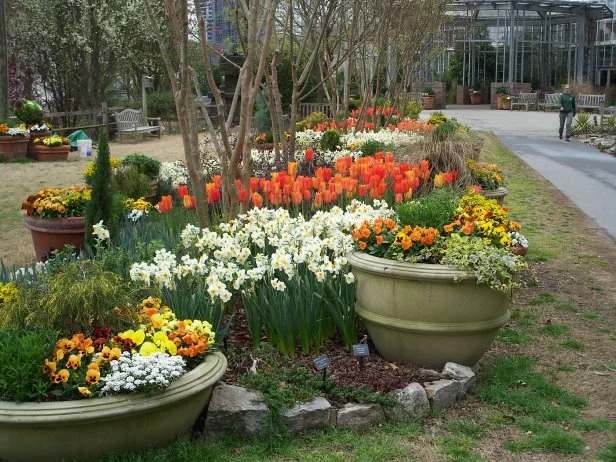
Credit: www.hgtv.com
Planning Your Garden Layout
Designing a bulb garden involves considering color, bloom time, and height for visual harmony. Arrange taller bulbs at the back, ensuring shorter ones receive sunlight. Group bulbs with similar care needs together for easier maintenance.
Planning Your Garden Layout Creating a bulb garden involves more than choosing flowers. It requires thoughtful planning. A well-designed layout enhances beauty and harmony. Consider the shape and size of your space. Think about color combinations and blooming seasons. A strategic approach ensures a vibrant garden year-round.Design Principles
Begin with a vision. Picture how you want your garden to look. Symmetry often appeals to the eye. Balance colors and shapes for visual interest. Choose a focal point like a large flower. Use paths to guide the viewer’s eye. Consider how sunlight affects plant growth. These principles form the backbone of a stunning design.Space Optimization
Utilize every inch wisely. Select plants suited for your garden’s size. Small spaces benefit from vertical planting. Raised beds can maximize planting area. Avoid overcrowding to ensure healthy growth. Plan pathways for easy access to plants. Use containers for flexibility. This helps in adapting the garden layout as needed.Layering Techniques
Layering creates depth and texture. Arrange bulbs by height for a tiered look. Tall plants should be at the back. Medium-sized bulbs in the middle. Short ones in the front. This arrangement provides a visual feast. Mix different bloom times for continuous interest. Experiment with colors for a lively display. Layering transforms a flat garden into a dynamic scene.Preparing The Soil
Preparing the Soil Ensure a thriving bulb garden by loosening the soil. Mix in compost for nutrients and drainage. Remove rocks and debris to provide a clean planting bed. This creates an ideal environment for bulbs to grow strong and healthy.
Preparing the Soil for your bulb garden sets the foundation for vibrant blooms. The right soil conditions ensure healthy growth and beautiful displays. Start with assessing and improving the soil to provide a nurturing environment for your bulbs.Soil Quality
Healthy soil is crucial for strong bulb growth. Test the soil’s pH level to determine its acidity or alkalinity. A neutral pH around 6 to 7 is ideal. Check the soil texture. It should be crumbly and not compacted. If the soil is too sandy, add organic matter to improve retention. Clay soil needs sand or gravel to enhance drainage.Drainage Solutions
Bulbs need well-drained soil to prevent rot. Ensure the area doesn’t retain water. Consider raised beds if drainage is poor. Digging trenches or installing a simple drainage system can help. Adding coarse sand or gravel can improve drainage naturally. Avoid planting bulbs where water pools after rain.Nutrient Enrichment
Bulbs thrive in nutrient-rich soil. Use compost or well-rotted manure to enrich the soil. These organic materials improve soil structure and fertility. Apply a balanced fertilizer with phosphorus and potassium. Avoid nitrogen-rich fertilizers, which encourage foliage growth over blooms. Follow package instructions for best results.Planting Techniques
Designing a bulb garden involves choosing a variety of bulbs for continuous blooms. Plan the layout with taller plants at the back and shorter ones in front. Ensure well-drained soil and adequate sunlight for optimal growth.
Designing a bulb garden is an exciting endeavor that promises vibrant blooms and a splash of color. To ensure your garden flourishes, mastering the right planting techniques is crucial. These techniques not only maximize the health and beauty of your bulbs but also ensure they thrive for seasons to come. Here, we’ll dive into essential planting tactics that will transform your garden into a blooming paradise.Depth And Spacing
Planting bulbs at the correct depth is pivotal to their success. Generally, bulbs should be planted at a depth that is two to three times their height. This ensures they are well-insulated from the cold and have ample room to grow. Spacing is equally important. Crowding bulbs can lead to poor growth and disappointing blooms. Space them at least twice their width apart to allow each bulb ample room to flourish. Think of it like giving each bulb its own little space to shine.Companion Planting
Companion planting involves growing different plants together to enhance growth and deter pests. Pairing bulbs with early-blooming perennials can create a continuous display of color. Consider adding ground covers or low-growing annuals between bulbs. This not only fills the space aesthetically but can also help retain moisture and suppress weeds. What combinations will you try?Watering Strategies
Watering bulbs requires a delicate balance. Too much water can lead to rot, while too little can stunt growth. After planting, water the bulbs thoroughly to settle the soil. Once established, bulbs typically require less water. Monitor rainfall and only water during dry spells. The key is consistency without over-saturation. Have you noticed how a little attention to watering can make a big difference in your garden’s bloom?Maintaining Your Bulb Garden
Designing a bulb garden involves choosing vibrant colors and varied heights for visual interest. Arrange bulbs in clusters for a natural look and ensure proper spacing for healthy growth. Select a mix of early and late bloomers to enjoy blossoms throughout the season.
Designing a bulb garden is only the beginning; maintaining it is where the real magic happens. A well-maintained bulb garden ensures vibrant blooms year after year, while also enhancing the aesthetic appeal of your outdoor space. Let’s dive into the essential aspects of keeping your bulb garden in top shape.Pest And Disease Control
Dealing with pests and diseases can be a challenge, but it’s manageable with a proactive approach. Regularly inspect your plants for signs of trouble, like discolored leaves or holes. Consider using natural remedies, like neem oil, to ward off unwanted visitors without harming beneficial insects. Creating a diverse garden can also help. Companion planting with herbs like garlic or chives can deter pests naturally. If you notice persistent issues, don’t hesitate to consult a local gardening expert for advice tailored to your specific conditions.Seasonal Care Tips
Each season brings unique requirements for your bulb garden. In spring, remove dead foliage to make way for new growth. Summer is the time to water deeply but infrequently, encouraging roots to grow strong. As autumn approaches, think about dividing crowded bulbs to promote healthy growth. Winter is a time to protect bulbs from frost with a layer of mulch. Keep an eye on weather forecasts and be ready to adjust your care routine accordingly.Fertilization Practices
Fertilizing your bulb garden doesn’t have to be complicated. A balanced, slow-release fertilizer can provide the nutrients your bulbs need without overwhelming them. Apply it in early spring, just as shoots begin to appear. Consider testing your soil to understand its specific needs. This can help you choose the right type and amount of fertilizer, ensuring your bulbs get exactly what they need to thrive. Remember, more isn’t always better—over-fertilizing can lead to weak, floppy growth. Maintaining your bulb garden is an ongoing journey that rewards you with stunning blooms and a sense of accomplishment. What strategies will you try next to keep your garden flourishing?Enhancing Aesthetic Appeal
Enhancing the aesthetic appeal of your bulb garden is about creating a visual masterpiece that delights the senses. It’s not just about planting bulbs; it’s about crafting an experience that captures attention and heart. Let’s explore how you can elevate your garden’s beauty with thoughtful design elements.
Color Combinations
Choosing the right color combinations can transform your bulb garden into a vibrant tapestry. Consider using complementary colors that harmonize well, such as pairing deep purples with bright yellows. These combinations create striking contrasts that draw the eye.
Think about the seasonal transitions too. Plant bulbs that bloom at different times, ensuring a continuous flow of color throughout the year. Wouldn’t you love to see your garden evolve with each passing month?
Textural Elements
Texture adds depth and intrigue to your garden. Incorporate plants with varying foliage, like the feathery leaves of ferns alongside the smooth surfaces of tulips. This contrast can make your garden feel more dynamic.
Mix tall and short plants to create layers. This approach not only adds texture but also gives a sense of movement and flow. Imagine walking through a garden that feels alive with diversity.
Adding Accents
Accents can bring your garden design to life. Use garden ornaments like rustic stones or elegant sculptures to add interest and personality. These elements can act as focal points, drawing attention to specific areas.
Consider adding pathways or small seating areas. These not only enhance the garden’s functionality but also invite visitors to pause and enjoy the beauty around them. How can you make your garden a place of rest and relaxation?
Showcasing Your Displays
Designing a bulb garden involves selecting vibrant colors and varying heights to create visual interest. Arrange bulbs in clusters for a natural look, and choose species that bloom at different times for continuous beauty. Focus on soil quality and sunlight to ensure healthy growth and stunning displays.
Designing a bulb garden is just the beginning. The real joy comes in showcasing your displays to the world. Sharing your garden’s beauty not only inspires others but also enriches your experience as a gardener. Whether you’re opening your garden for tours or sharing photos online, there are many ways to make your floral masterpieces shine.Garden Tours
Opening your garden for tours can be a rewarding experience. It allows you to share your passion with others and get feedback on your designs. Ensure paths are clear and signage is visible so visitors can navigate easily. Create a schedule for tours that includes peak blooming times for maximum impact.Photography Tips
Capturing the essence of your bulb garden through photography can be both fun and challenging. Use natural lighting to highlight the vibrant colors of the blooms. Experiment with different angles and distances to create dynamic compositions. Remember, sometimes the best photos are those that focus on a single bloom.Community Engagement
Engage with your community to broaden the impact of your bulb garden. Host workshops or talks to educate others on bulb planting and maintenance. Consider collaborating with local schools or gardening clubs for joint projects. Encouraging community participation not only enhances your garden’s reach but also fosters a sense of togetherness.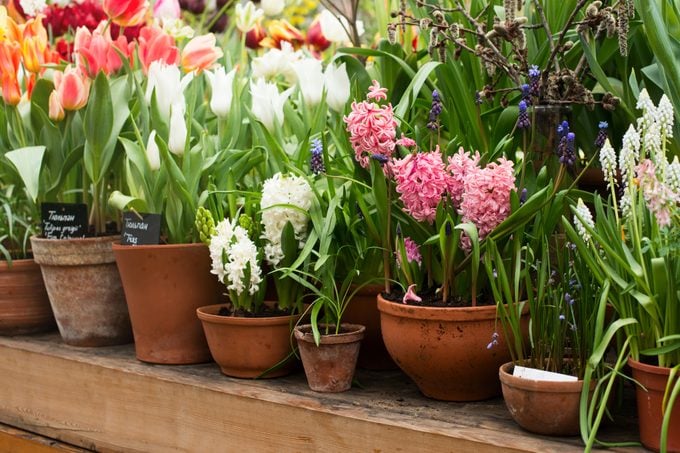
Credit: www.familyhandyman.com

Credit: www.youtube.com
Frequently Asked Questions
What Is A Bulb Garden Design?
A bulb garden design involves arranging flowering bulbs in a landscape. It focuses on seasonal blooms and vibrant colors. This design enhances visual appeal and ensures continuous flowering throughout the year. Bulbs are often planted in layers for a lush display.
How Do I Choose Bulbs For My Garden?
Select bulbs based on bloom times and climate suitability. Ensure they complement each other in color and height. Choose bulbs that thrive in your garden’s soil and sunlight conditions. Consider planting a mix of early and late bloomers for extended flowering.
When Is The Best Time To Plant Bulbs?
The best time to plant bulbs is in autumn. This allows them to establish roots before winter. Spring-flowering bulbs should be planted before the first frost. Ensure soil is well-drained and prepared before planting. This timing ensures a vibrant spring display.
How Can I Care For Bulb Gardens?
Maintain bulb gardens by watering them adequately and removing dead foliage. Fertilize bulbs in early spring for healthy growth. Protect them from pests and diseases. Regularly check soil moisture levels, especially during dry spells. Proper care ensures bulbs bloom beautifully each season.
Conclusion
Designing a bulb garden can be a rewarding experience. Choose vibrant colors to brighten your space. Arrange bulbs thoughtfully for a stunning display in spring. Consider bloom times to ensure continuous beauty. Remember, proper soil and sunlight are key for healthy growth.
Enjoy watching your garden transform with the seasons. A well-planned bulb garden adds charm to any landscape. Happy gardening!