Imagine standing in your backyard, rain gently tapping against the earth, and wondering if today is the day you should plant your garden. You might think rain is a gardener’s worst enemy, but what if it’s actually your secret weapon?
If you’ve ever pondered this, you’re not alone. Many green-thumb enthusiasts have asked, “Can you plant a garden in the rain? ” This question is more common than you might think and, surprisingly, the answer might change how you view rainy days forever.
As you read on, you’ll discover how rain can be both a challenge and an advantage when it comes to planting your garden. You’ll learn the do’s and don’ts of gardening in wet conditions, and uncover tips that could turn a drizzle into the perfect gardening day. Whether you’re a seasoned gardener or just starting out, understanding the nuances of planting in the rain can transform your gardening experience and help you nurture a thriving garden even when the skies are gray. Ready to redefine your rainy day rituals? Keep reading to unlock the secrets of gardening in the rain.
Credit: www.newsobserver.com
Benefits Of Planting In The Rain
Planting a garden in the rain offers several advantages. The soil is naturally moist, which helps seeds germinate faster. Rain also reduces the need for artificial watering, saving time and resources.
Planting a garden in the rain might seem counterintuitive, but it offers several surprising benefits. Embracing the rain can lead to a healthier, more vibrant garden. Let’s explore how rain can be your garden’s best friend.Natural Irrigation
Rain provides your garden with a natural irrigation system. You save time and water resources. A personal experience: I once planted my herbs during a drizzle, and they flourished without needing additional watering for days. Raindrops penetrate the soil more evenly than a hose. This ensures that every part of your garden gets its fair share of hydration. Plus, rainwater is free from the chemicals found in tap water, offering a purer source of nourishment for plants.Soil Enrichment
Rainwater carries essential nutrients from the atmosphere. These nutrients enrich the soil, boosting plant growth. Have you noticed how lush gardens look after a rainstorm? That’s nature’s way of fertilizing your garden. The rain also helps in breaking down organic matter. This process releases nutrients that are easily absorbed by plant roots. You might find your garden thriving more than usual after regular showers.Cooler Temperatures
Rain brings cooler temperatures, reducing the risk of heat stress on plants. This is especially beneficial in hot climates. You can spend more time planting and tending without the blazing sun overhead. Gardening in the rain also means fewer pests. Many insects are less active during cooler, rainy periods. This can lead to fewer pest-related issues in your garden, making your gardening experience more enjoyable. Can you see the potential of planting in the rain now? With natural irrigation, enriched soil, and cooler temperatures, rain can be a gardener’s ally. So, next time it rains, grab your tools and embrace the opportunity.Challenges Of Gardening In Wet Weather
Planting a garden in the rain poses unique challenges. Wet soil can lead to waterlogged roots, hindering plant growth. Careful selection of drainage-friendly plants is essential for a thriving garden in rainy conditions.
Planting a garden in the rain might sound romantic, but it comes with its own set of challenges. Wet weather can present unique obstacles that can test the patience and skills of any gardener. Understanding these challenges can help you better prepare and adapt your gardening practices.Soil Compaction
One of the main issues with gardening in the rain is soil compaction. When soil is wet, it becomes heavy and dense, making it difficult for roots to grow and spread. You might notice that after a heavy downpour, your garden soil feels more like concrete than the rich, loamy earth you desire. To combat this, consider using raised beds or adding organic matter like compost to improve drainage. You can also lay down boards to walk on, minimizing direct pressure on the soil. Ask yourself, is it worth risking plant health for a quick fix, or should you take preventative measures?Plant Vulnerability
Plants are more vulnerable during wet weather. The weight of excess water can damage tender shoots and leaves. In my garden, I once saw a promising tomato plant reduced to a soggy mess after a week of relentless rain. Consider staking or providing support for taller plants. If you notice pooling water, gently redistribute it to prevent drowning your plants. Are you ready to keep a vigilant eye on your garden, even when the weather isn’t ideal?Pest And Disease Risks
Wet conditions are a haven for pests and diseases. You might find slugs and snails making a feast of your leafy greens. Fungal diseases also thrive, turning once-healthy plants into wilting remnants. Regularly inspect your plants for signs of trouble, removing any affected leaves or pests promptly. Use natural remedies like neem oil or introduce beneficial insects to keep pests in check. Can you keep a step ahead of these threats to ensure your garden flourishes despite the rain? By understanding and addressing these challenges, you can turn rainy days into productive gardening opportunities. Embrace the rain, but stay prepared!Choosing The Right Plants
Planting a garden in the rain can be beneficial. Moist soil makes digging easier, and plants establish roots faster. Ensure proper drainage to prevent waterlogging and choose rain-loving plants for best results.
Choosing the right plants for your rainy garden is crucial. Not every plant enjoys a constant shower. Selecting species that thrive in wet conditions can make all the difference.Rain-tolerant Species
Some plants love a good soak. Consider adding ferns, astilbes, and certain types of irises. These rain-tolerant species not only survive but thrive when the skies open up. Have you ever noticed how lush and vibrant your ferns look after a rainstorm? That’s because they absorb water efficiently, making them perfect for wet environments.Seasonal Considerations
Rain patterns often change with the seasons. Spring might bring heavy showers, while summer could dry things up. Choose plants that suit your climate’s rainy seasons. For example, plant rain-loving species in spring to take advantage of the wet weather. In contrast, drought-resistant plants might be better suited for drier months.Native Plant Benefits
Native plants are naturally adapted to local weather conditions, including rain. They are often more resilient and require less maintenance. Adding them to your garden can ensure better survival rates during unexpected downpours. Consider the local flora around you. They have evolved to handle the region’s specific rainfall patterns, making them a smart choice for your garden. Plus, they often support local wildlife, creating a more vibrant ecosystem.
Credit: www.youtube.com
Preparing Your Garden
Preparing your garden for planting during the rainy season can be tricky. Rain brings challenges like soil erosion and waterlogging. Yet, with proper preparation, your garden can thrive. Let’s explore some key aspects of garden preparation.
Soil Preparation
Ensure your soil is loose and well-aerated. Compact soil can lead to poor root growth. Use a garden fork to break up clumps. This helps roots get the oxygen they need. Add organic matter like compost. It improves soil texture and provides nutrients. Mix it thoroughly into the topsoil layer.
Drainage Solutions
Good drainage prevents water from pooling. Consider raised beds for better water flow. They lift plants above the soggy ground. Use gravel or sand in your soil mix. These materials improve drainage. Install drainage pipes if your garden is prone to flooding. They carry excess water away from the roots.
Protective Measures
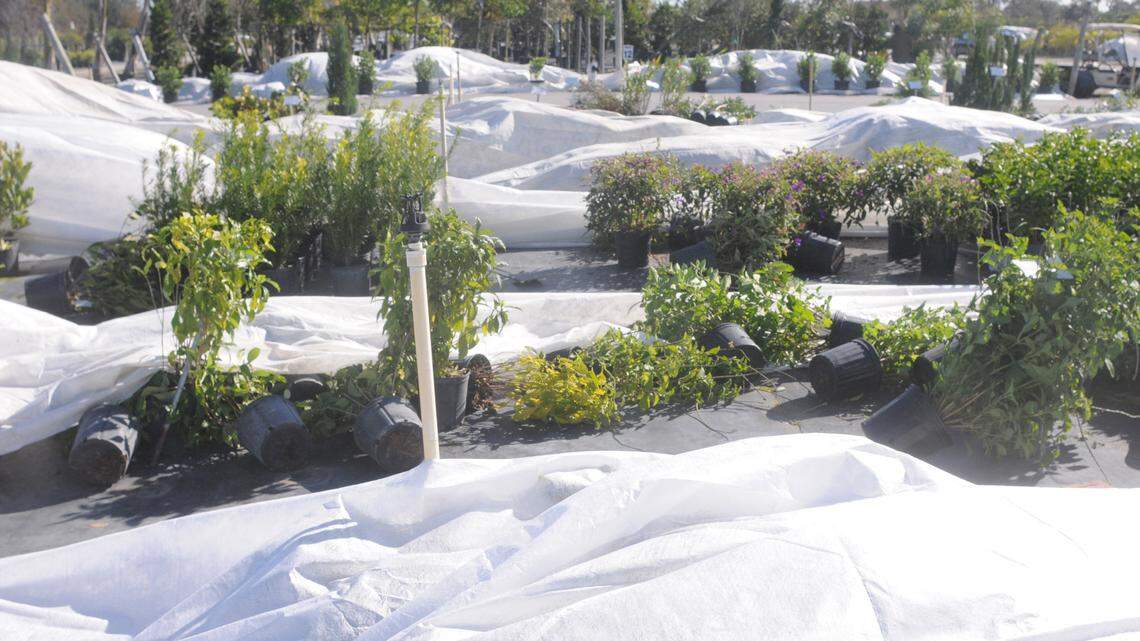
Protect young plants from heavy rain. Use row covers or cloches. They shield plants from rain damage. Mulch can also be a helpful barrier. It reduces soil erosion and keeps moisture levels stable. Mulch insulates the roots and prevents soil compaction. Secure plants with stakes to prevent them from falling.
Planting Techniques For Rainy Days
Planting during rainy days can be beneficial for gardens. The rain naturally waters the soil, reducing the need for manual watering. Ensure the ground is not too soggy to avoid root rot.
Planting a garden in the rain can seem daunting. Yet, with the right techniques, it becomes rewarding. Rainy days offer natural watering and soft soil. This can make planting easier. But, special care ensures your plants thrive. Here are some planting techniques to consider.Timing Your Planting
Choose the right moment during the rain. Light rain is ideal for planting. Avoid heavy downpours. They can compact the soil. This makes it hard for roots to grow. Wait for a break in the rain. The soil will be moist but not waterlogged.Proper Spacing
Give each plant enough room. Rain can cause plants to spread more. Crowded plants may not get enough nutrients. Space them properly to allow growth. This helps prevent fungal diseases. Wet conditions can promote these diseases.Mulching Strategies
Mulching is crucial on rainy days. It helps retain soil moisture. Mulch also prevents soil erosion. Use organic materials like straw or bark. They protect the soil from heavy rain impact. Mulch keeps the roots warm and stable.Maintaining Your Garden In Rainy Conditions
Planting a garden in the rain can be tricky, but it’s possible. Ensure soil is not overly saturated to prevent root rot. Choose hardy plants that thrive in wet conditions for better growth.
Maintaining Your Garden in Rainy Conditions Gardening in the rain can present unique challenges, but it also offers opportunities for your plants to thrive. The key is learning how to adapt and manage your garden effectively during these wet periods. Let’s dive into some practical tips for keeping your garden healthy and vibrant even when the skies are overcast.Monitoring Plant Health
Regularly check your plants for signs of stress or disease. Excessive rain can lead to root rot or fungal infections. Look for discolored leaves or wilting, which may indicate an issue. Consider planting rain-tolerant varieties that thrive in wet conditions. This can make a significant difference in maintaining a healthy garden. Are you familiar with the specific needs of each plant? This knowledge is crucial in identifying what might be affecting their health.Water Management
Even in rainy conditions, water management remains essential. Ensure your garden has proper drainage to prevent waterlogging. Raised beds can be a great solution to avoid standing water around plant roots. You might find using mulch helps absorb excess moisture and keeps the soil structure intact. Do you have gutters or rain barrels? They can be useful tools to control the water flow and redirect it away from delicate plants.Pest Control Methods
Rainy weather often invites unwanted pests. Slugs and snails, for instance, love damp environments. Use natural barriers like crushed eggshells or coffee grounds to deter these pests. Regularly inspect your plants for any signs of infestation. Encourage beneficial insects, like ladybugs, that prey on harmful pests. Is your garden welcoming to these natural allies? Creating a balanced ecosystem can reduce the need for chemical interventions.Tools And Equipment For Rainy Day Gardening
Gardening in the rain offers unique challenges and rewards. With the right tools and equipment, you can enjoy a productive gardening experience, even under wet conditions. This section will explore essential tools, weather-resistant gear, and safety tips for rainy day gardening.
Essential Tools
Choose durable tools that withstand wet conditions. Here are some key items:
- Waterproof gloves:Keep your hands dry and comfortable.
- Sturdy shovels and spades:Opt for rust-resistant materials.
- Pruning shears:Ensure they are sharp and rustproof.
- Garden trowel:Ideal for digging in soft, wet soil.
Weather-resistant Gear
Wear gear that protects you from the elements. Consider these items:
- Rain jacket:Choose breathable, waterproof fabric.
- Waterproof boots:Keep feet dry and provide good grip.
- Wide-brimmed hat:Protects against rain and sun.
- Poncho:Lightweight and easy to wear over clothes.
Safety Tips
Gardening in the rain requires extra caution. Follow these safety tips:
- Watch your step:Wet ground can be slippery.
- Stay visible:Wear bright colors for visibility.
- Avoid electrical tools:They can be dangerous in wet conditions.
- Take breaks:Avoid fatigue by resting regularly.
Credit: www.familyhandyman.com
Planning For Future Rain Events
Planning a garden during rainy days can be a smart move. Rain provides natural watering, reducing the need for frequent irrigation. With proper planning, you can ensure your plants thrive and make the most of the rainy season.
Planning for future rain events in your garden is essential for maintaining a healthy and thriving space. Anticipating rainfall not only helps protect your plants from damage but also allows you to harness the benefits of rainwater. With careful planning, you can ensure that your garden remains resilient, no matter the weather.Weather Forecasting
Keeping an eye on weather forecasts can be a game-changer for gardeners. Regularly checking reliable weather apps or websites helps you anticipate when heavy rain is coming. By knowing this, you can take necessary actions like covering delicate plants or adjusting your watering schedule to save resources. Understanding local weather patterns also plays a crucial role. If you notice a trend in seasonal rains, you can plan your planting schedule around it. This means you can choose to plant certain crops that thrive in wet conditions during rainy seasons.Garden Layout Adjustments
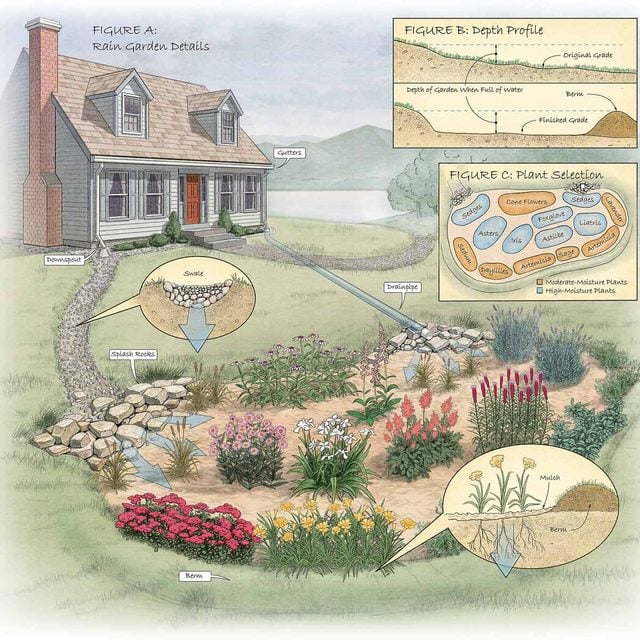
Consider how your garden is laid out to better handle rain. Raised beds can help prevent waterlogging by ensuring good drainage. They are especially useful if you live in an area prone to heavy rains. Think about the slope of your garden. Ensure that water naturally flows away from the plant roots to prevent root rot. You might need to create pathways or small channels that guide excess water away. Adding mulch around plants can also be beneficial. Mulch not only helps retain moisture during dry spells but also protects the soil from erosion during heavy rains. It acts as a buffer, reducing the impact of raindrops on the soil surface.Long-term Strategies
Incorporating long-term strategies can make your garden more resilient to rain. Consider installing a rainwater harvesting system. This allows you to collect and store rainwater for future use, reducing your reliance on municipal water. Planting rain gardens is another effective strategy. These gardens are designed to absorb rainwater runoff and help prevent flooding. They typically include native plants that thrive in wet conditions, adding both functionality and beauty to your space. Ask yourself if your plant choices are rain-ready. Selecting plants that can handle wet conditions can save you time and effort. Some plants, like certain ferns and hostas, are naturally more tolerant of waterlogged conditions, making them ideal for rainy climates.Frequently Asked Questions
Is It Okay To Plant In The Rain?
Yes, planting during light rain can be beneficial. Rain helps soften the soil, making it easier to work with. It also ensures plants receive adequate moisture. However, avoid heavy rain as it can lead to soil compaction and waterlogged roots.
How Does Rain Affect Garden Planting?
Rain can positively affect garden planting by providing essential moisture. It helps seeds germinate and reduces the need for manual watering. However, excessive rain can cause erosion and waterlogging, damaging plants. Monitoring weather patterns is crucial for successful gardening.
Can Rain Help Seeds Germinate Faster?
Yes, rain can help seeds germinate faster by providing consistent moisture. Moist soil promotes seed swelling and encourages sprouting. However, too much rain can wash away seeds or drown them. Proper drainage is essential to prevent these issues and ensure healthy growth.
Should I Avoid Gardening In Heavy Rain?
Avoid gardening in heavy rain to prevent soil erosion and compaction. Excessive rain can damage plant roots and wash away nutrients. It’s better to wait for lighter rain or dry conditions. Proper planning and timing can protect your garden from adverse weather effects.
Conclusion
Planting a garden in the rain can be rewarding. Rain helps seedlings grow. It also saves you from watering. Choose suitable plants for wet conditions. Some plants thrive with extra moisture. Remember to protect fragile plants. Use mulch to prevent soil erosion.
Rainy weather can boost your garden’s health. Enjoy the benefits of natural watering. Gardening in the rain is possible and fun. Embrace the challenge and watch your garden flourish. With a little care, your garden can thrive in any weather.
Stay patient and let nature do its work. Happy gardening!