
Imagine stepping into your garden, expecting to see flourishing plants, only to find your beloved dog has turned it into a snack bar. You love your furry friend, but their curious nature and appetite can wreak havoc on your carefully nurtured greens.
This struggle is not just yours; many dog owners face the same challenge. But don’t worry—you’re not alone in this, and there are practical solutions to protect your garden without compromising your dog’s happiness. In this guide, you’ll discover effective strategies to keep your dog away from your plants, ensuring your garden remains lush and your pup stays safe and content.
Dive in to unlock the secrets to a harmonious coexistence between your dog and your garden!
Understanding The Problem
Understanding the Problem Dogs often munch on garden plants out of curiosity or boredom. This can harm your plants and your furry friend. Identifying why your dog eats plants helps in finding effective solutions to prevent it.
Understanding the Problem Dogs and gardens can be a delightful combination, but not when your furry friend decides to munch on your beloved plants. Understanding why dogs eat plants is the first step in addressing the issue. Let’s delve into some common reasons and potential risks associated with this behavior.Common Reasons Dogs Eat Plants
– Curiosity: Dogs are naturally curious creatures. Just like you might explore a new place, dogs explore with their mouths. – Boredom: A lack of mental or physical stimulation can lead dogs to find entertainment in your garden. – Nutritional Deficiencies: Sometimes dogs eat plants because they are missing certain nutrients. It’s their way of self-medicating. – Behavioral Issues: Stress or anxiety can cause dogs to act out by chewing on plants. Have you ever noticed your dog chewing a leaf after a stressful event? This might be their way of coping.Potential Risks For Dogs
Eating plants isn’t just a quirky habit; it can be dangerous for your dog. Some garden plants are toxic and can lead to severe health issues. – Toxicity: Plants like lilies, azaleas, and sago palms can cause vomiting, diarrhea, or even more severe reactions. Always check the safety of your plants. – Choking Hazards: Stems and leaves can easily become lodged in a dog’s throat, leading to choking or digestive blockages. – Pesticides and Fertilizers: Chemicals used in gardening can be harmful if ingested. Ensure any products used are pet-safe. Have you considered the products you use in your garden? Switching to pet-friendly options can prevent unnecessary trips to the vet. Understanding these factors can empower you to create a safe and harmonious space for both your garden and your four-legged friend. What steps will you take today to protect your dog and your plants?Training And Behavioral Solutions
Preventing dogs from eating garden plants can be achieved through training and behavioral solutions. Teach commands like “leave it” to deter plant chewing. Provide alternative chew toys and supervise outdoor play to keep your garden safe.
Training and behavioral solutions are vital when it comes to keeping your canine companions from munching on your cherished garden plants. Dogs, by nature, are curious creatures and often find the allure of new textures and scents irresistible. With the right approach, you can steer them away from your garden and towards more acceptable behaviors.Effective Commands And Techniques
Consistent commands are crucial in teaching your dog what is off-limits. Start by using firm but calm commands such as “leave it” or “no” every time your dog approaches the plants. This consistency helps your dog associate these words with the action you want them to avoid. Implementing leash training can also work wonders. By keeping your dog on a leash during initial garden visits, you maintain control and can guide them away from the plants. Over time, they’ll learn which areas are restricted, even when off the leash.Positive Reinforcement Strategies
Reward-based training is incredibly effective. Offer treats or praise when your dog obeys commands to stay away from the plants. This positive reinforcement encourages them to repeat the desired behavior. Consider using clicker training as a way to reinforce good behavior. A clicker provides a distinct sound that your dog can easily recognize, reinforcing the positive action immediately. You might also find success with distraction techniques. Provide your dog with toys or bones to keep them engaged and distracted from the garden. Engage with them in playtime outside the garden to channel their energy positively. Have you tried adjusting your garden layout? By creating a designated dog-friendly area, you can help redirect their attention, making it easier to train them to avoid your plants. These solutions require patience and persistence, but the results are worth it. How will you start implementing these strategies with your dog today?Physical Barriers And Deterrents
Secure your garden with fences or netting to keep dogs away from plants. Use sturdy barriers to prevent access.
Ensuring your furry friend doesn’t turn your garden into their personal salad bar can be a challenging task. Physical barriers and deterrents provide practical solutions to keep your plants safe. These methods not only protect your garden but also ensure your dog stays healthy by avoiding harmful plants.Fencing And Netting Options
Fencing is a straightforward way to keep dogs out of garden areas. A low picket fence might look charming, but it’s not always effective for larger or more determined dogs. Consider using a taller, sturdy fence made from materials like wood or metal. Netting offers a more flexible solution. It can be easily draped over specific plants or sections of your garden. This is particularly useful for raised beds or small vegetable patches. Choose a fine netting to prevent your dog from poking their nose through.Safe Deterrent Sprays
Deterrent sprays are a simple yet effective tool to discourage dogs from munching on your plants. You can find them at pet stores or make your own with natural ingredients. A common recipe involves mixing water with vinegar or citrus oil. These sprays create an unpleasant taste or smell, deterring your dog without harming them. Always test a small area first to ensure it doesn’t damage your plants. Have you ever thought of using these solutions in your garden? They can transform how your dog interacts with your outdoor space, keeping both your plants and pet safe.
Credit: www.yahoo.com
Garden Design Modifications
Install barriers to protect plants from curious dogs. Use dog-safe repellents to discourage them. Designate a play area to redirect their attention away from the garden.
Modifying your garden design can be a clever way to keep your dogs from turning your plants into a snack. By implementing specific strategies, you can enjoy a beautiful garden while ensuring your furry friend remains safe and entertained. Let’s explore some practical ideas to transform your garden into a dog-friendly haven.Choosing Dog-friendly Plants
Selecting the right plants is crucial. Opt for dog-safe varieties such as marigolds, sunflowers, and snapdragons. These are non-toxic and pose no threat if your dog decides to take a nibble. Think about the texture and scent. Dogs often dislike strong, pungent smells. Consider planting rosemary or lavender to deter them naturally. Colorful and resilient plants can distract dogs from more fragile species. Robust plants like ornamental grasses can withstand a bit of roughhousing.Creating Designated Play Areas
Designate areas in your garden specifically for play. This gives your dog a sense of ownership and directs their energy away from your plants. Install features like sandboxes or obstacle courses. This can keep your dog’s attention focused and provide them with hours of entertainment. Consider using borders or barriers to clearly define these play zones. This helps your dog understand where they are allowed to roam freely. How will you adapt your garden to keep your dog safe? With some thoughtful modifications, both your garden and your dog can thrive together.Utilizing Technology
Smart use of gadgets can protect plants from curious dogs. Motion-activated sprinklers deter pets with unexpected water sprays. Electronic barriers emit harmless signals to create plant-friendly zones.
Keeping your beloved canine away from your cherished garden plants can be a real challenge. Fortunately, technology offers a range of solutions to deter your dog from turning your garden into a personal salad bar. By incorporating gadgets and smart devices, you can protect your plants while ensuring your pet stays safe and happy.Electronic Deterrents
Electronic deterrents are an effective way to train your dog to stay away from your garden. These devices emit a harmless sound that only dogs can hear, discouraging them from entering restricted areas. They are easy to set up and can be strategically placed around your garden. Consider using a motion-activated repellent system. This device detects movement and releases a burst of air or a sound, startling your dog and keeping them away. It’s a safe and humane option that doesn’t harm your pet or your plants.Smart Monitoring Solutions
Smart monitoring solutions allow you to keep an eye on your garden even when you’re not home. With the advent of smart cameras, you can receive real-time alerts on your phone whenever your dog ventures too close to your plants. These devices often come with two-way audio, enabling you to talk to your dog and deter them from a distance. Imagine being able to correct your dog’s behavior while you’re at work or running errands! Some systems even integrate with your home’s smart hub, allowing you to automate responses like turning on a sprinkler or activating a deterrent sound. This smart approach ensures your garden stays untouched, and your dog learns boundaries effectively. Have you ever used technology to keep your garden safe? What worked best for you?Understanding Dog Behavior
Understanding dog behavior helps protect garden plants. Train dogs with commands and positive reinforcement to discourage plant eating. Provide alternative chew toys to divert their attention from the garden.
Understanding why dogs eat garden plants can be challenging. It’s key to first grasp their behavior. Dogs interact with their environment in many ways. They may chew on plants out of curiosity or other reasons. Knowing these can help you guide their actions better.Signs Of Stress Or Boredom
Dogs often eat plants due to stress or boredom. Look for signs like restlessness or excessive chewing. These behaviors may indicate they need more attention or activity. Engaging your dog in regular playtime helps. Keep them mentally and physically stimulated. Provide toys that challenge their minds. This can reduce their interest in your garden.Addressing Nutritional Deficiencies
Sometimes, dogs eat plants to make up for missing nutrients. Ensure they get a balanced diet. Speak with a vet about their food plan. Consider supplements if needed. Fresh, high-quality dog food can fulfill their nutritional needs. Regular check-ups with the vet will help monitor their health. This can curb their plant-eating habit.Expert Advice And Support
Seek expert advice to prevent dogs from munching on garden plants. Use barriers or dog-safe repellents to keep them away. Train pets with positive reinforcement techniques for better behavior.
When it comes to keeping your dog from munching on your precious garden plants, sometimes you need a bit of extra help. Expert advice and support can make a world of difference in ensuring both your plants and your furry friend thrive. By consulting with professionals, you can find tailored solutions that fit your unique situation.Consulting Veterinarians
Veterinarians are a fantastic resource for understanding your dog’s behavior. They can help identify any nutritional deficiencies that might be causing your dog to eat plants. A simple blood test might reveal if your dog is lacking in certain nutrients, leading them to seek out greenery. Additionally, vets can suggest diet modifications or supplements that might deter your dog from snacking on your garden. They can also advise on any health concerns that might arise from your dog eating specific plants. Have you ever thought your dog was just being naughty, only to find out they were actually seeking nutrients?Seeking Professional Trainers
Professional trainers specialize in addressing behavioral issues, including plant-eating habits. They can provide strategies and training techniques to redirect your dog’s interest away from your garden. Through positive reinforcement, your dog can learn to leave those plants alone. Trainers can also help you set up a more engaging environment for your dog, reducing boredom that might lead them to the garden. They might suggest interactive toys or games that keep your pet occupied. Ever wondered if your dog is just bored and looking for something to do? Engaging with these experts not only provides practical solutions but also peace of mind, knowing you’re taking steps to protect both your garden and your dog.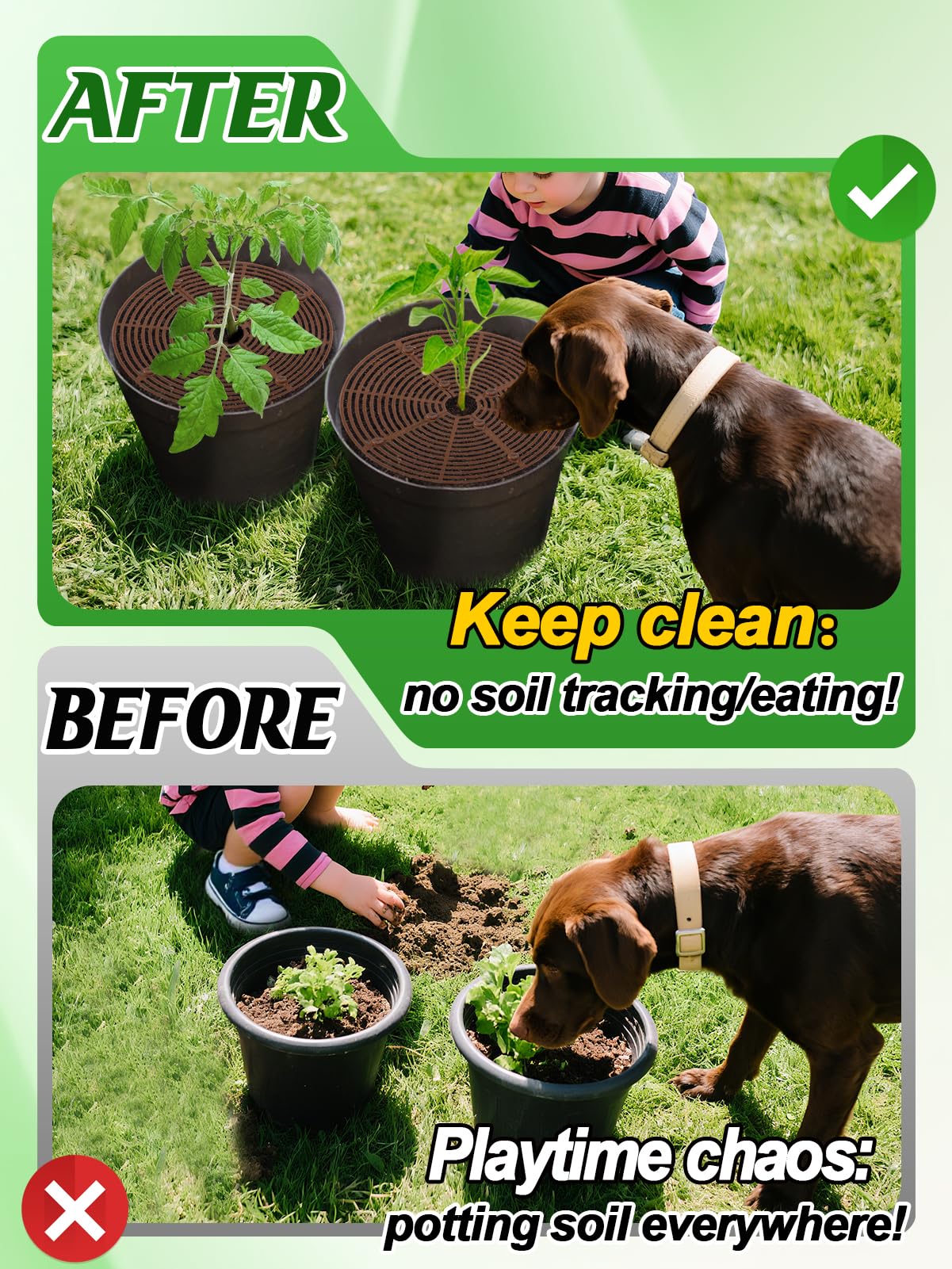
Credit: www.amazon.com

Credit: www.facebook.com
Frequently Asked Questions
How Can I Stop Dogs From Eating Plants?
To prevent dogs from eating plants, use barriers like fences or chicken wire. Train your dog using positive reinforcement methods. Apply pet-safe deterrents such as bitter sprays on plants. Regularly supervise your dog in the garden to redirect unwanted behavior promptly.
Are Certain Plants Toxic To Dogs?
Yes, some plants can be toxic to dogs. Common toxic plants include azaleas, lilies, and tulips. Ensure your garden is free from harmful plants. Research and identify safe alternatives to maintain a pet-friendly garden environment for your dog.
What Natural Methods Deter Dogs From Plants?
Use natural deterrents like citrus peels or vinegar to discourage dogs. You can also plant dog-safe herbs like rosemary. These methods are effective and environmentally friendly. They help maintain a harmonious garden without harming your dog or plants.
Can Dog Training Help With Garden Safety?
Yes, dog training is essential for garden safety. Teach commands like “leave it” or “stay” to manage behavior. Consistent training reduces unwanted plant chewing. Positive reinforcement strengthens good habits, ensuring your dog respects garden boundaries effectively.
Conclusion
Keeping dogs away from garden plants takes patience and consistency. Use barriers like fences to protect your plants. Train your dog with positive reinforcement. Give them their own play area in the yard. Always supervise them when near your garden.
Try using natural deterrents like citrus peels or vinegar. Make sure your dog is well-fed and has plenty of toys. A tired dog is less likely to dig. Remember, it’s about balance. Your garden can thrive with a happy dog nearby.
Stay consistent and observe what works best. Enjoy your garden and your furry friend!







