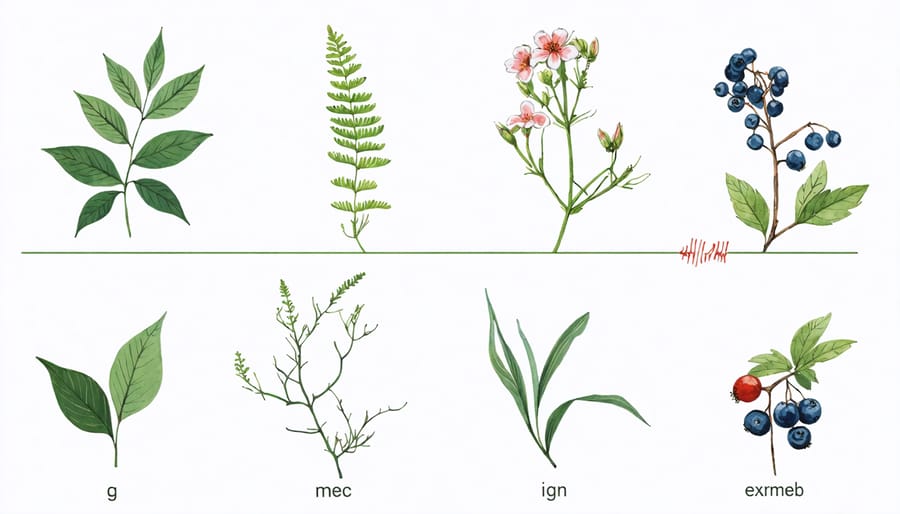
Imagine stepping into your lush garden or admiring your vibrant houseplants, only to realize that some of them might be harmful to you, your pets, or your children. It’s a startling thought, isn’t it?
If you love plants, you want to enjoy their beauty without worrying about hidden dangers. This guide is here to help you identify which common house and garden plants might be poisonous. You’ll learn how to keep your home safe while still enjoying all the greenery you love.
Discover the secrets behind these plants and make informed choices that protect your loved ones. Keep reading to ensure your sanctuary remains a safe and beautiful haven.

Credit: uk.style.yahoo.com
Common Poisonous Houseplants
Houseplants can transform your living space into a vibrant, lush oasis. However, some of these green beauties can harbor hidden dangers. Many common houseplants are toxic to pets and humans, and knowing which ones pose a risk is crucial for maintaining a safe environment. Let’s explore some of the most common poisonous houseplants and how to identify them.
Identifying Toxic Houseplants
Recognizing toxic houseplants in your home can prevent potential health hazards. Popular plants like the peace lily, philodendron, and pothos are among the usual suspects. Their beauty often masks their toxicity, making them deceptively appealing.
- Peace Lily:Known for its elegant white blooms, the peace lily contains calcium oxalate crystals that can cause irritation.
- Philodendron:This versatile plant is easy to care for but can cause mouth and throat irritation if ingested.
- Pothos:A favorite for its hardiness, pothos can lead to vomiting and difficulty swallowing when consumed.
Are any of these plants adorning your shelves? It’s essential to place them out of reach of curious pets and children to avoid any mishaps.
Symptoms Of Poisoning From Houseplants
Knowing the symptoms of poisoning can be lifesaving. Common signs include nausea, vomiting, and skin irritation. Pets might show different symptoms, such as drooling, difficulty breathing, or changes in appetite.
Quick action is vital if you suspect plant poisoning. Contact a healthcare professional or vet immediately, and provide them with as much information as possible. Can you recall the last time you checked if your plants are safe for everyone in your home?
Preventative measures like labeling your plants or creating a plant diary can be invaluable. This proactive approach can help you enjoy your indoor garden without unnecessary worry.
Credit: bluestem.ca
Dangerous Garden Plants
Beware of hidden dangers in your garden and home. Many common plants can be surprisingly toxic. Learn about these poisonous beauties to keep your loved ones safe.
Growing a vibrant garden is a joy for many, but it’s crucial to be aware of the hidden dangers lurking among the blooms. Some garden plants, while beautiful, can be harmful to humans and pets. Knowing which plants to avoid or handle with care can prevent potential health hazards.Recognizing Harmful Garden Species
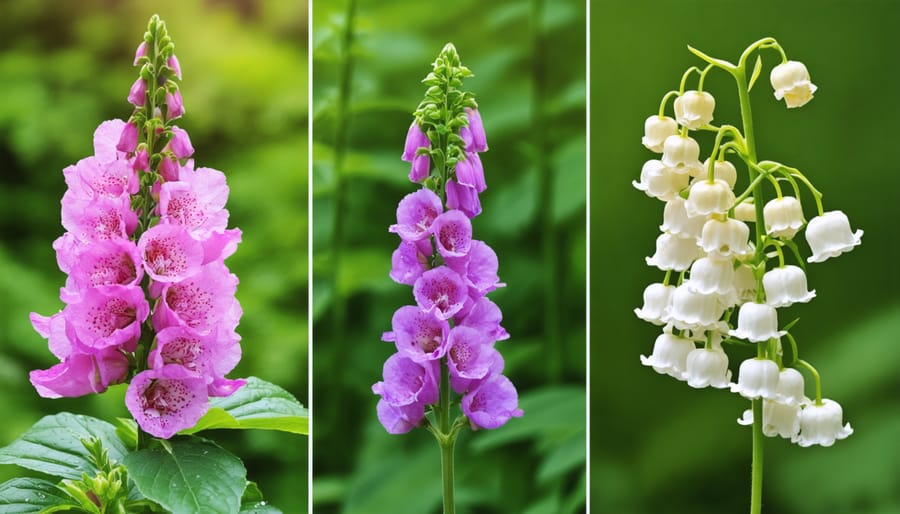
Recognizing dangerous plants in your garden involves a bit of detective work. Start by familiarizing yourself with common toxic plants like foxglove, oleander, and rhubarb leaves. These plants often have telltale features such as vibrant berries or thick, glossy leaves. A personal experience taught me this lesson when my curious dog had a close encounter with lily of the valley, a plant with charming white flowers but toxic components. This prompted me to research and remove potentially harmful plants from my garden. Regularly inspect your garden and consult reliable guides or gardening experts if you’re unsure about a plant’s safety. Consider keeping a list of harmful species handy for quick reference.Effects Of Garden Plant Toxicity
The effects of poisonous garden plants can range from mild irritation to severe health issues. Skin contact with some plants can cause rashes or allergic reactions. Ingesting toxic plants can lead to nausea, vomiting, or more severe symptoms like heart irregularities. Imagine the panic of rushing a family member or pet to the emergency room because of an accidental ingestion. It’s a scenario best avoided with awareness and prevention. By understanding the effects of plant toxicity, you can take proactive steps to safeguard your loved ones. Educate your family about the plants in your garden and encourage them to handle unknown plants with caution. What measures will you take to ensure your garden is a safe haven?Plants Harmful To Pets
Many house and garden plants can be harmful to pets. Curious cats and dogs might nibble on leaves or flowers. Unfortunately, this can lead to serious health problems. It’s important to know which plants pose a danger to furry friends.
Houseplants Unsafe For Pets
Some common houseplants are toxic to pets. Liliesare beautiful, but they can be deadly to cats. Even small amounts can cause kidney failure. Sago palmshave seeds that are toxic to both dogs and cats. Ingesting them can cause liver damage. Pothos, also known as devil’s ivy, can irritate pets’ mouths and stomachs. Philodendronsare popular for indoor decoration. Yet, they can cause swelling and burning sensations in pets.
Garden Plants Threatening Animal Safety
The garden can also hide dangerous plants. Azaleasand rhododendronscontain toxins harmful to pets. Eating them can lead to vomiting and drooling. Foxgloveis another dangerous plant. Its leaves and seeds can affect a pet’s heart. Tulipsare lovely in spring, but their bulbs are poisonous to animals. Daffodilsare another springtime threat. Eating them can cause severe stomach upset.
Safety Measures For Plant Exposure
Plants add beauty to our homes and gardens. Some can pose dangers if touched or ingested. Knowing how to handle these plants safely is crucial. This section offers guidance on minimizing risks associated with poisonous plants.
Preventive Tips For Households
Keep toxic plants out of reach. Use shelves or hanging pots for safety. Educate family members about plant dangers. Label plants with their names and toxicity levels. Ensure pets do not have access to harmful plants.
- Store plant care products safely.
- Wear gloves when handling plants.
- Wash hands after touching plants.
- Monitor children and pets around plants.
Safe Gardening Practices
Choose non-toxic plants for garden areas. Research each plant before purchase. Wear protective gear while gardening. Gloves and long sleeves are essential. Maintain clear pathways to avoid accidental contact.
- Regularly inspect plants for signs of toxicity.
- Keep gardening tools clean and secure.
- Dispose of plant waste properly.
- Educate neighbors about plant safety.
Creating a safe environment involves awareness and proactive measures. These practices help ensure that everyone can enjoy the beauty of plants without risk.
Emergency Response To Plant Poisoning
Emergency response to plant poisoning requires quick action. Identify the plant and seek medical help immediately. Learn about common poisonous house and garden plants to protect your family and pets.
Emergency situations involving plant poisoning can be alarming. Immediate action is crucial to mitigate harm. Recognizing symptoms and responding effectively can save lives. Knowing basic first aid and when to seek professional help is essential.First Aid For Plant Poisoning
Time is of the essence when dealing with plant poisoning. Start by removing any plant material from the mouth. Rinse the mouth with water to remove any residue. Avoid inducing vomiting unless instructed by a medical professional. Keep the affected person calm and monitor their symptoms closely. If skin contact has occurred, wash the area with soap and water. Remove any contaminated clothing to prevent further exposure.When To Seek Medical Help
Certain symptoms require immediate medical attention. Call emergency services if the person has difficulty breathing. Seek help if there is swelling in the mouth or throat. Loss of consciousness or seizures also warrant urgent care. If the person is disoriented or has blurred vision, contact a healthcare provider. Always bring a sample of the plant, if possible, to help with identification.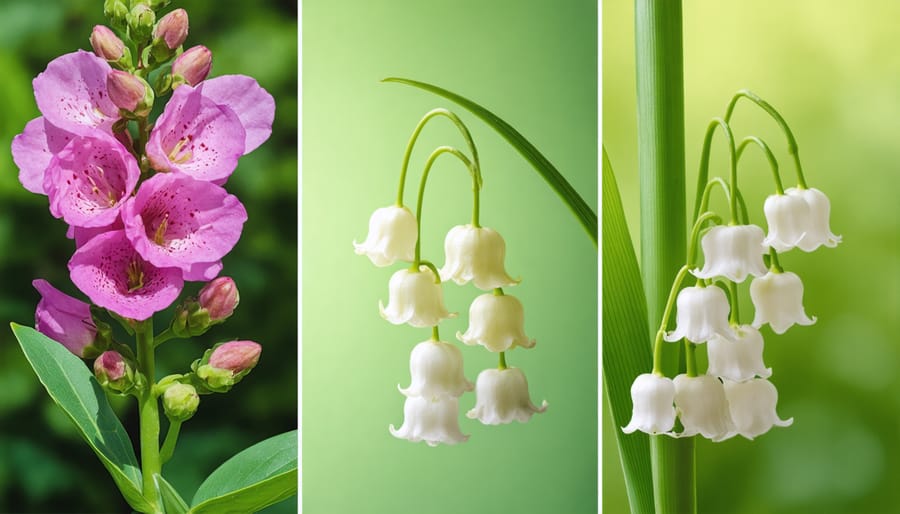
Credit: bluestem.ca
Choosing Non-toxic Alternatives
Discover safe plant options that beautify your home and garden. This guide helps identify toxic plants and suggests non-toxic alternatives for a healthier environment.
Choosing non-toxic alternatives for your home and garden is not just a choice—it’s a commitment to a safer, healthier environment for everyone. Whether you’re a pet owner or a parent, the presence of poisonous plants can be a hidden danger. But worry not, there are plenty of beautiful, safe options to brighten up your space without the risk. Let’s delve into some choices that ensure peace of mind while bringing nature closer to you.Safe Houseplant Options
When choosing houseplants, safety is key, especially if you have curious pets or young children. Consider plants like spider plants and Boston ferns, known for their non-toxic nature. These plants are not only safe but also easy to care for, making them perfect for busy lifestyles. Peace lilies are another option, offering elegance without the risk. Although they may cause mild irritation if ingested, they are generally safe for households. If you love succulents, the haworthia is a great choice—it’s non-toxic and thrives with minimal attention.Pet-friendly Garden Choices
Your garden should be a sanctuary for all, including your four-legged friends. Opt for plants like sunflowers and snapdragons, which are safe for pets and add vibrant colors to your garden. These blooms are not only attractive but also resilient, providing a long-lasting display of beauty. Consider herbs such as rosemary and basil. They are not only safe for pets but also useful in the kitchen. You could even start a small herb garden, adding both aesthetic appeal and practicality to your space. Creating a safe environment doesn’t mean sacrificing beauty or variety. What steps will you take to ensure your home and garden are both safe and stunning? Making informed choices today can lead to a worry-free tomorrow, where your family and pets can roam freely and safely.Frequently Asked Questions
What Are Common Poisonous House Plants?
Common poisonous house plants include philodendron, dieffenbachia, and pothos. These plants can cause irritation or digestive issues if ingested. It’s important to keep them out of reach of pets and children. Being aware of their toxic nature helps in ensuring a safe home environment.
How Can I Identify Toxic Garden Plants?
To identify toxic garden plants, look for warning signs like unusual leaf shapes or bright colors. Research common toxic species in your area, such as oleander or foxglove. Always consult reliable sources or experts to confirm toxicity. Awareness and knowledge are key in preventing accidental ingestion.
Are Succulents Poisonous To Pets?
Some succulents can be toxic to pets, like aloe vera and jade plants. They may cause digestive upset or skin irritation. It’s crucial to research each succulent species and ensure they’re safe. Always keep potentially harmful plants out of reach from curious pets to prevent health issues.
Can Touching Poisonous Plants Harm Humans?
Touching poisonous plants can lead to skin irritation or allergic reactions. Plants like poison ivy or giant hogweed can cause rashes or burns. Always wear gloves when handling unfamiliar plants and wash hands thoroughly afterward. Awareness and precaution can prevent uncomfortable and harmful reactions.
Conclusion
Poisonous plants are not just in the wild. They can be in your home or garden too. Knowing the risks helps keep your family safe. Watch for signs of poison in pets and kids. Learn which plants are harmful before you buy.
Choose safe alternatives to decorate your space. Keep this guide handy for quick reference. Share this knowledge with friends and family. Awareness makes your home safer. Your garden should be a place of peace, not danger. Keep exploring. Stay informed.
Protect your loved ones and pets from harmful plants.







