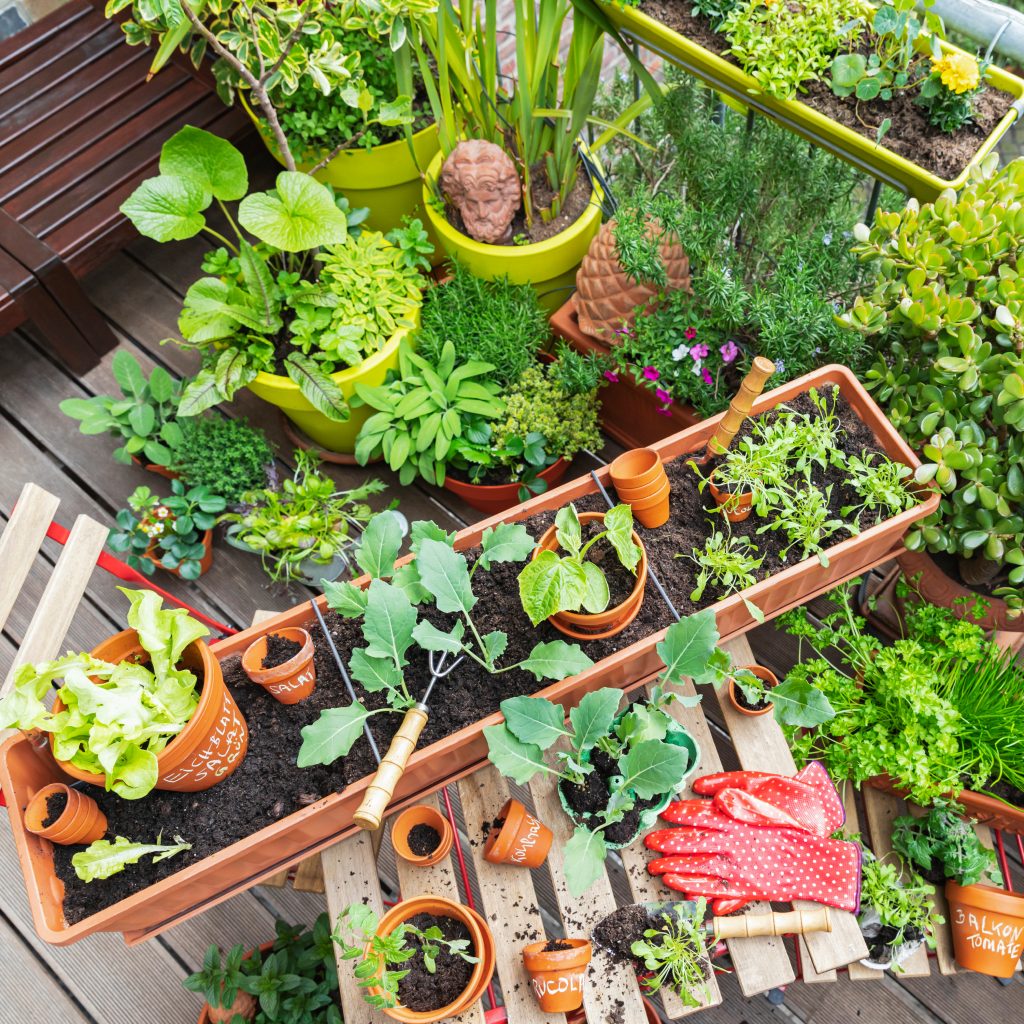
Imagine walking into your kitchen and picking fresh herbs or vegetables straight from your own indoor garden. It might sound like a dream, but it’s entirely possible and easier than you think.
You don’t need a big backyard or a green thumb to get started. With the right guidance, you can turn a small space in your home into a thriving vegetable oasis. Picture the joy and satisfaction of cooking with ingredients you’ve grown yourself, knowing they’re free from chemicals and full of nutrients.
This guide will show you step-by-step how to make your indoor vegetable garden flourish. Whether you’re looking to add freshness to your meals or simply want a rewarding hobby, this article will give you all the tools you need to succeed. Let’s dive into the process and bring your garden dreams to life.
Choosing The Right Vegetables
Choosing the right vegetables for your indoor garden can be the difference between a flourishing oasis and a frustrating endeavor. Whether you’re a seasoned gardener or just starting, selecting the best veggies suited for indoor growth is crucial. Considerations like space, light, and your personal taste will guide your choices. Let’s dig into which vegetables are ideal for indoor gardening and how to make the most of your available resources.
Best Vegetables For Indoors
- Leafy Greens:Spinach, lettuce, and kale thrive indoors. They don’t require much space and are quick to harvest.
- Herbs:Basil, mint, and parsley are excellent choices. They’re not only useful in cooking but also aromatic.
- Root Vegetables:Carrots and radishes can adapt well to container gardening. They need deeper pots but are rewarding.
- Peppers:Both sweet and hot peppers can flourish indoors. They’re colorful and add a vibrant touch to your garden.
Why settle for store-bought when you can grow your own fresh produce right at home?
Considerations For Space And Light
Space and light are your best friends when it comes to indoor gardening. How much room do you have to spare? You don’t need a huge area, but you do need enough for containers and pots.
Light is another crucial factor. Most vegetables need at least 6 hours of sunlight a day. If natural light is scarce, consider investing in grow lights.
Think about your windows and their orientation. South-facing windows can be a goldmine for sunlight. Are you maximizing your available resources?
Remember, vertical gardening can be a space-saving solution. Use shelves or hanging pots to utilize every inch of your living area.
Have you ever noticed how some plants lean towards the light? That’s a cue for rearranging your setup to ensure even light distribution.
Preparing The Space
Choose a sunny spot with good airflow for your indoor vegetable garden. Use clean containers with drainage holes. Organize tools and supplies nearby for easy access.
Preparing the space for your indoor vegetable garden is an exciting step that sets the foundation for successful growth. It requires some planning and a dash of creativity to ensure your plants thrive. By carefully selecting the right location and setting up appropriate shelving and containers, you can transform any part of your home into a lush green haven.Ideal Locations In Your Home
Choosing the right spot is crucial for your indoor vegetable garden. Look for areas that receive ample natural light, like windowsills or a sunlit corner. If natural light is scarce, consider using grow lights to supplement your plants’ needs. Kitchens can be a great spot for herbs and small veggies. You’ll have easy access while cooking, and the plants can benefit from steam and warmth. Alternatively, a sunny living room can add a refreshing green touch to your decor.Setting Up Shelving And Containers
Invest in sturdy shelving to maximize space. Vertical gardening is a smart way to grow more plants in limited areas. Adjustable shelves allow flexibility as plants grow or as you add more varieties. Choose containers that match the size and type of vegetables you’re growing. Small pots work for herbs, while deeper containers are needed for root vegetables. Ensure all containers have drainage holes to prevent waterlogging. Using a mix of recycled materials for containers can be both eco-friendly and cost-effective. Old wooden crates or unused kitchen pots can offer a rustic charm while serving a functional purpose. Have you considered how creative you can get with repurposing? By preparing your space thoughtfully, you lay the groundwork for a thriving indoor garden. What unique ideas will you try to incorporate into your space?Gathering Essential Supplies
Gathering essential supplies ensures your indoor vegetable garden thrives. Choose quality soil, containers, and seeds for healthy growth. Adequate lighting and water are also crucial.
Gathering essential supplies is the first step in creating a thriving indoor vegetable garden. Having the right materials ensures your plants grow healthy and strong. Let’s explore how to choose the perfect potting mix and what tools you’ll need to get started.Potting Mix Selection
Selecting the right potting mix is crucial for plant growth. Choose a mix that retains moisture but drains well. Look for organic mixes, as they offer nutrients essential for your vegetables. Avoid heavy garden soil, which can suffocate roots. Consider adding perlite or vermiculite for improved aeration.Necessary Tools And Equipment
Gathering the right tools simplifies gardening tasks. You’ll need a few key items:- Small hand trowel for planting and transplanting.
- Watering can or spray bottle for gentle watering.
- Pruning shears to trim leaves and stems.
- Containers or pots suited to your plant sizes.
- Grow lights for rooms with limited sunlight.
Planting Your Vegetables
Starting an indoor vegetable garden is a rewarding experience. The key step is planting your vegetables correctly. This ensures a strong start for your garden. Begin with selecting the right seeds and containers. Maintain a suitable environment for growth. Focus on essential gardening techniques to ensure success.
Starting Seeds Indoors
Choose high-quality seeds for better results. Use seed trays or small pots with drainage holes. Fill them with seed-starting mix. Moisten the mix before planting. Plant seeds at the recommended depth. Cover with a thin layer of soil. Place the containers in a warm spot. A sunny windowsill works great. Keep the soil moist, but not soaked.
Consider using a spray bottle for gentle watering. A heating mat can help seeds germinate faster. Label each container with the seed type and planting date. This helps track progress. Once seedlings emerge, provide adequate light. Rotate containers for even growth.
Transplanting Seedlings
Transplant seedlings when they have two sets of true leaves. Gently remove them from their original containers. Handle the seedlings by their leaves, not stems. Prepare larger pots with fresh potting soil. Make a hole in the center for the seedling.
Place the seedling into the hole. Cover the roots with soil. Press gently to secure it. Water the transplanted seedlings thoroughly. Ensure pots have drainage to prevent waterlogging. Gradually introduce seedlings to more sunlight. This helps them adapt to new conditions.
Providing Adequate Light
Providing Adequate Light Ensure your indoor vegetable garden thrives by supplying enough light. Position plants near windows or use grow lights to mimic sunlight. This helps vegetables grow strong and healthy, even indoors.
Providing adequate light is crucial for an indoor vegetable garden. Plants need light for photosynthesis, which helps them grow strong. Without enough light, vegetables become weak and produce less. Choose the right type of light to ensure your plants thrive indoors.Natural Light Vs. Grow Lights
Natural light is free and comes from the sun. Place your plants near south-facing windows for maximum sunlight. Not all homes have enough natural light. In such cases, grow lights are a great alternative. Grow lights mimic sunlight and provide the necessary spectrum for plant growth. They are available in various types, including LED and fluorescent. Choose grow lights based on your specific plant needs.Light Duration And Intensity
Plants need a specific duration of light daily. Most vegetables require 12 to 16 hours of light each day. Use timers to maintain a consistent light schedule. This helps plants develop a routine. Light intensity matters, too. Too much light can scorch leaves, while too little can stunt growth. Adjust the distance of grow lights from plants to manage intensity. Keep an eye on your plants to ensure they are healthy and growing well.Watering And Maintenance
Proper watering keeps your indoor vegetable garden thriving. Ensure consistent moisture without overwatering. Regular maintenance, like pruning and pest checks, is essential for healthy growth.
Creating an indoor vegetable garden is a rewarding experience, offering you fresh produce right from the comfort of your home. However, keeping your plants healthy requires consistent watering and maintenance. Understanding the nuances of indoor plant care ensures that your garden thrives and continues to provide you with delicious vegetables.Proper Watering Techniques
Watering indoor plants isn’t just about pouring water into the pot. Each vegetable has its own water requirements. For example, tomatoes love moisture, while herbs like rosemary prefer drier soil. It’s important to water your plants deeply but less frequently to encourage strong root growth. Ensure that your pots have drainage holes to prevent water logging, which can lead to root rot. Using a moisture meter can help you determine when your plants need water, eliminating the guesswork. This tool measures the soil’s moisture level, ensuring you water only when necessary.Regular Care And Monitoring
Regularly checking your plants is crucial for maintaining a healthy indoor garden. Look out for signs of disease or pests. Early detection can save your plants from serious damage. Prune your plants to encourage new growth and remove any dead or yellowing leaves. This not only keeps your garden tidy but also helps prevent the spread of disease. Consider the environmental factors too. Ensure your plants receive adequate light and are not placed in drafts or near heat sources. Adjust your care routine as the seasons change, since indoor conditions might fluctuate. Are you ready to give your indoor vegetable garden the care it deserves? A little attention goes a long way in keeping your plants vibrant and productive.Pest Control And Disease Prevention
Creating an indoor vegetable garden brings freshness to your meals. Yet, pests and diseases can threaten your plants. Understanding pest control and disease prevention is vital. This ensures your garden thrives and remains healthy. Let’s dive into common indoor garden pests and natural solutions.
Common Indoor Garden Pests
Indoor gardens often face various pests. These tiny invaders can damage plants and stunt growth. Common pests include aphids, spider mites, and whiteflies. Aphids are small and often green, feeding on plant sap. Spider mites create webbing on leaves and can be hard to spot. Whiteflies are tiny, white insects that fly when disturbed. Recognizing these pests early helps in managing them effectively.
Natural Remedies And Solutions
Using natural remedies is a safe way to combat pests. Neem oil is an effective natural pesticide. Spray it on leaves to deter pests. Soap water is another simple solution. Mix water with mild soap and spray on affected areas. Ladybugs and praying mantises eat many garden pests. Consider introducing them to your indoor garden. Regularly check plants for signs of pests. Remove any affected leaves to prevent spread.
Credit: greencloudnine.medium.com
Harvesting Your Vegetables
Creating an indoor vegetable garden offers fresh produce year-round. Select suitable containers and ensure proper lighting. Regularly water and monitor plant health for optimal growth.
Harvesting your vegetables is the rewarding finale to your indoor gardening journey. It’s the moment when your hard work, patience, and nurturing culminate in fresh produce ready for your table. But how do you know when your veggies are at their peak, and how can you prolong the bounty? Let’s dive into the key aspects of harvesting your indoor garden.Signs Of Readiness
Recognizing when your vegetables are ripe is crucial for flavor and nutrition. Look for vibrant colors that match the expected mature shade of your specific veggie. For example, tomatoes should be a rich red or yellow, depending on the variety, while leafy greens like spinach should appear lush and full. Texture can also tell you a lot. Gently squeeze fruits like tomatoes or peppers. They should feel firm but not too hard. Root vegetables like carrots can be tested by pulling a small sample to check for the right size. Pay attention to smell. Many ripe vegetables emit a stronger aroma when ready to pick. Trust your nose; it’s a surprisingly reliable tool.Tips For Prolonging Harvest
You can extend your harvest period with a few simple strategies. Trim plants regularly to encourage new growth. This is especially effective for herbs and leafy greens like basil or lettuce. Just ensure you don’t cut more than a third of the plant at a time. Stagger your planting schedule. By planting seeds in intervals, you ensure a continual supply of fresh veggies. This method works well with fast-growing plants like radishes or lettuce. Use quality soil and fertilizers to maintain healthy plants. Nutrient-rich soil supports ongoing growth and resilience against diseases. Consider organic options to keep your produce chemical-free. Have you ever tried succession planting in your indoor garden? This technique can keep your vegetable supply steady throughout the year. What are your favorite methods for prolonging your harvest?Troubleshooting Common Issues
Creating an indoor vegetable garden can be rewarding, yet troubleshooting common issues is essential for success. Ensure proper lighting and water to maintain healthy growth. Address pests and nutrient deficiencies promptly for a thriving garden.
Troubleshooting common issues in indoor vegetable gardening can make a huge difference. Many indoor gardeners face challenges that hinder plant growth. Addressing these problems early ensures a thriving garden. Let’s explore solutions for slow growth and nutrient deficiencies.Dealing With Slow Growth
Slow growth often frustrates indoor gardeners. It’s crucial to identify the root cause. Here are some factors to consider:- Insufficient light: Ensure your plants receive enough light. Consider using grow lights.
- Inadequate watering: Check if your plants have the right moisture. Overwatering can lead to root rot.
- Temperature fluctuations: Maintain a consistent temperature. Extremes can stress plants.
Addressing Nutrient Deficiencies
Nutrient deficiencies often lead to unhealthy plants. Knowing the signs is vital for correction. Common symptoms include yellow leaves and stunted growth. Here’s how to tackle these issues:- Test the soil: Regularly test soil to identify nutrient levels.
- Use fertilizers: Apply balanced fertilizers to replenish essential nutrients.
- Check pH levels: Ensure soil pH is optimal for nutrient absorption.

Credit: food52.com

Credit: plantora.app
Frequently Asked Questions
What Vegetables Grow Well Indoors?
Leafy greens, herbs, and small root vegetables thrive indoors. Spinach, lettuce, and kale are great options. Herbs like basil, parsley, and mint also flourish. Radishes and carrots can be grown in pots. Ensure proper lighting and watering for best results.
How To Start An Indoor Vegetable Garden?
Start by choosing suitable containers and soil. Select seeds or seedlings that thrive indoors. Place them in a sunny spot or use grow lights. Water regularly but avoid overwatering. Monitor temperature and humidity to create an ideal environment for growth.
Can I Grow Vegetables Without Sunlight?
Yes, you can use grow lights to mimic sunlight. LED grow lights are effective and energy-efficient. Position them 6-12 inches above plants. Ensure lights are on for 12-16 hours daily. This artificial light supports photosynthesis, enabling healthy vegetable growth indoors.
What Are The Benefits Of Indoor Gardening?
Indoor gardening offers fresh produce year-round. It saves space and provides control over growing conditions. It enhances air quality and adds greenery to your home. It is also a therapeutic hobby, promoting relaxation and well-being.
Conclusion
Creating an indoor vegetable garden offers fresh veggies year-round. It’s a rewarding hobby. Start small, with easy-to-grow plants. Tomatoes, herbs, and peppers thrive indoors. Use good soil and containers. Find a sunny spot for your plants. Water regularly, but don’t overdo it.
Enjoy watching your plants grow. Harvest fresh produce for meals. Gardening at home saves money and tastes better. Plus, it brightens your space. Anyone can do it with a little patience. Get started today and transform your home into a green oasis.
Happy gardening!







