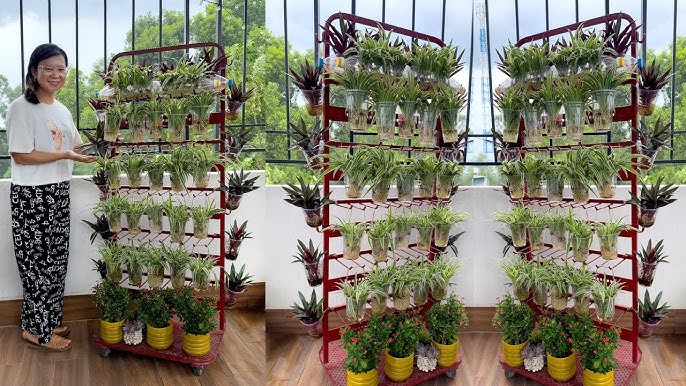
Imagine transforming your home into a lush, green oasis without spending a fortune. You might think it’s impossible, but growing an indoor garden with recycled materials is easier than you might expect.
Not only does this eco-friendly approach help save the planet, but it also cuts costs and sparks creativity. Picture using old jars, plastic bottles, and cardboard to cultivate fresh herbs and vibrant plants right in your living room. By the end of this article, you’ll discover practical tips and tricks to make the most out of materials you already have.
This isn’t just about gardening—it’s about reimagining what you can do with the things around you. Ready to get your hands dirty and unleash your inner green thumb? Let’s dive in!
Choosing Recycled Containers
Choosing Recycled Containers Select old jars or cans for planting to create an eco-friendly indoor garden. These containers are perfect for growing herbs and small plants, minimizing waste and saving money.
Choosing the right containers is key to growing a successful indoor garden with recycled materials. Recycled containers not only contribute to sustainability but also add character to your garden. They can be sourced from everyday items, giving them a new life instead of ending up as waste.Types Of Containers
Various household items can be transformed into plant containers. Old glass jars are perfect for herbs like basil and mint. They allow you to see root growth and moisture levels. Plastic bottles can be cut and used for small plants or seedlings. They are lightweight and easy to hang. Tin cans are durable and can be painted for a charming look. They are ideal for plants needing more space. Wooden crates can hold several plants together, offering great drainage options.Preparation And Cleaning
Proper cleaning ensures your containers are ready for planting. Wash glass jars with warm, soapy water to remove residue. Rinse thoroughly to prevent soap contamination. For plastic bottles, remove labels and cut them to size. Clean them inside and out. Tin cans may have sharp edges; sanding them down ensures safety. Sterilize cans with a mixture of vinegar and water. Wooden crates should be checked for splinters. Sand any rough edges and wipe down with a damp cloth. Preparing containers creates a safe environment for plants to thrive.Selecting Suitable Plants
Choosing the right plants is key for a thriving indoor garden using recycled materials. Opt for hardy plants like succulents or ferns, which require minimal care and adapt well indoors. Consider light and temperature needs to ensure healthy growth.
Selecting suitable plants is crucial for a thriving indoor garden. The right choices ensure your plants grow well in limited space. They also adapt to the light and temperature conditions inside your home. Using recycled materials for your garden is eco-friendly and resourceful. But, it’s essential to pick plants that suit these conditions. Let’s explore some plant options for your indoor garden.Indoor-friendly Species
Choose plants that thrive indoors without much sunlight. Succulents are a great choice. They need little water and fit well in small spaces. Herbs like basil, mint, and parsley do well on windowsills. They offer fresh flavors for your meals. Spider plants and pothos are excellent for air quality. They require minimal care and grow quickly.Plant Size Considerations
Consider the size of your plants as they grow. Small plants fit better in recycled containers. Use cans, jars, or plastic bottles for tiny plants. For larger species, select bigger containers like old buckets or crates. Ensure the plants have enough space to spread their roots. This helps them stay healthy and strong. Selecting the right plants ensures your indoor garden flourishes.Creating A Sustainable Soil Mix
Creating a sustainable soil mix involves using recycled materials like compost, coffee grounds, and shredded paper. These materials enrich the soil, reduce waste, and support healthy plant growth in indoor gardens.
Creating a sustainable soil mix is a crucial step in cultivating a thriving indoor garden using recycled materials. A well-balanced soil mix not only promotes healthy plant growth but also supports an eco-friendly environment. By reusing organic waste and natural resources, you can create a nutrient-rich base that your plants will love.Using Compost
Compost is an excellent way to recycle kitchen scraps and garden waste into a nutrient-rich soil amendment. Start by collecting items like vegetable peels, coffee grounds, and eggshells in a compost bin. Over time, these materials break down into a rich, dark compost that improves soil structure and boosts fertility. It’s easy to integrate compost into your indoor garden soil mix. Simply mix it with existing soil to enrich the nutrient content. This not only reduces waste but also ensures your plants receive the organic nutrients they need to flourish.Adding Natural Fertilizers
Natural fertilizers are a great way to further enhance your soil mix. Materials like banana peels, crushed eggshells, and used tea leaves can provide additional nutrients. You can dry these materials, crush them into a powder, and mix them into your soil. Consider using worm castings, a byproduct of vermicomposting, as a potent natural fertilizer. They improve soil aeration, water retention, and provide essential nutrients. Keep experimenting with different natural fertilizers to find the perfect balance for your indoor garden. Creating your own sustainable soil mix can be both rewarding and eco-friendly. Have you tried making your own soil mix using recycled materials? Share your experiences and tips in the comments below!Watering Techniques
Efficient watering techniques support indoor gardens using recycled materials. Utilize drip irrigation systems made from old bottles for controlled hydration. This sustainable approach ensures plants receive consistent moisture, reducing waste and promoting healthy growth.
Watering your indoor garden effectively is crucial for thriving plants, especially when using recycled materials. By adopting creative watering techniques, you can ensure your plants stay healthy while minimizing waste. Let’s dive into how you can make use of recycled materials to enhance your watering process and conserve water.Upcycled Watering Tools
Transforming everyday items into watering tools is an innovative way to nurture your plants. For instance, a repurposed plastic bottle can serve as a DIY watering can. Simply poke a few holes in the cap, fill the bottle, and gently squeeze to water your plants. Consider using old glass jars as drip feeders. Fill them with water, and invert them into the soil, ensuring the opening is securely buried. This allows for a slow release of water, perfect for plants that prefer consistent moisture. Experiment with using an old funnel and hose to direct water precisely to the plant roots, reducing evaporation and water wastage. What other items around your home can you repurpose for watering?Water Conservation Tips
Conserving water is essential, not only for the environment but also for efficient gardening. Collect rainwater or use leftover water from cooking vegetables to hydrate your plants. This not only saves water but also provides nutrients. Implementing a mulch layer with recycled materials such as shredded paper can help retain soil moisture. This ensures your plants need less frequent watering and keeps them hydrated longer. Timing is key! Water your indoor garden during cooler parts of the day, like early morning or late afternoon, to reduce evaporation. What small changes can you make to save more water while caring for your plants?Lighting Solutions
Brighten your indoor garden using recycled materials for eco-friendly growth. Old jars and bottles serve as perfect planters. Recycled LED lights provide essential lighting, promoting healthy plant development indoors.
Growing an indoor garden using recycled materials is not just a sustainable practice, it’s also a creatively fulfilling project. One of the most crucial aspects to consider in this endeavor is how you will provide adequate lighting for your plants. Without proper lighting, even the most well-planned indoor garden can struggle to thrive. Let’s explore some lighting solutions that can help your indoor garden flourish.Natural Light Utilization
Maximizing natural light is both cost-effective and environmentally friendly. Place your plants near south-facing windows where they can soak up the most sunlight during the day. If you’re worried about the harshness of direct sunlight, sheer curtains can diffuse the light, providing the perfect balance for your plants. Observe your plants regularly. Are they leaning towards the window? This might indicate they’re not getting enough light. Rotating them every few days can ensure even exposure. Consider using mirrors strategically to reflect sunlight onto your plants. This simple trick can brighten dark corners and extend the reach of natural light.Diy Lighting Ideas
If natural light is limited, DIY lighting solutions can come to the rescue. Repurpose old lamps by fitting them with LED grow bulbs, which are energy-efficient and provide the spectrum of light that plants need. Creating a light stand from scrap wood is another option. You can hang LED strips or compact fluorescent lamps above your plants, adjusting the height as they grow. Think about creating a simple reflector using aluminum foil. Wrapping it around a cardboard frame can help direct light onto your plants, boosting their photosynthesis process. Have you ever tried using Christmas lights? Those LED string lights can add a whimsical touch to your garden while providing supplemental light. Just ensure they’re not too close to avoid overheating the plants. With a bit of creativity and resourcefulness, lighting your indoor garden with recycled materials can be an exciting part of your gardening journey. How will you transform your space into a green oasis?Maintaining Plant Health
Indoor gardening with recycled materials supports plant health effectively. Use old containers for pots and coffee grounds as fertilizer. Ensure proper drainage with broken ceramics and maintain humidity with a homemade terrarium.
Maintaining the health of your indoor garden ensures vibrant and thriving plants. With recycled materials, you can create a sustainable environment. Healthy plants require attention and care. Understanding plant needs is crucial. This involves regular monitoring and adjustments. Let’s explore how to keep your indoor garden in top shape.Pest Control With Recycled Materials
Pests can be a nuisance. Use recycled materials to manage them effectively. Create traps from old plastic bottles. Cut them in half and invert the top into the bottom. Fill with a sweet liquid to attract insects. Use crushed eggshells as a barrier. Spread them around plant bases to deter slugs. Coffee grounds can repel ants. Sprinkle them lightly on the soil. These methods are eco-friendly and cost-effective.Signs Of Plant Stress
Plants communicate their needs. Look for signs of stress. Yellowing leaves may indicate overwatering. Wilted plants might need more water. Brown leaf edges often mean too much sun. Adjust lighting or watering as needed. Drooping leaves can signal nutrient deficiency. Check soil and fertilize accordingly. Regular observation helps catch issues early. Keep your indoor garden thriving with these simple checks.Decorating Your Indoor Garden
Transform old containers into vibrant plant pots for your indoor garden. Use egg cartons, plastic bottles, and tin cans as unique planters. Create a sustainable green space with recycled materials, bringing life and color indoors without extra cost.
Decorating Your Indoor Garden Creating an indoor garden with recycled materials is not only eco-friendly but also a fun way to express your creativity. Once your plants are thriving, the next step is to make your space visually appealing. Decorating your indoor garden can transform it into a unique sanctuary that reflects your personality and values.Creative Arrangements
Think outside the traditional plant pot. Use old teacups, mason jars, or even tin cans as quirky planters. This not only adds charm but also helps reduce waste. Consider arranging plants at varying heights. Use stacked books or wooden crates as makeshift shelves to create a dynamic display. This approach adds depth and makes your indoor garden more visually interesting. Mix and match different plant types for a vibrant look. Pair leafy greens with colorful succulents or flowering plants. The contrast in textures and colors will catch the eye and draw attention.Eco-friendly Decor
Use natural materials to complement your plant collection. Stones, wood, or shells can serve as beautiful accents. They not only look great but also maintain the eco-friendly theme. Repurpose household items as decorative elements. Old picture frames can become plant hangers, while wine bottles can be cut to create elegant vases. These unique touches make your garden truly one-of-a-kind. Lighting plays a crucial role in highlighting your indoor garden. Consider using LED fairy lights or solar-powered lights to illuminate your space. These options are energy-efficient and add a magical touch to your plant haven. How will you make your indoor garden stand out? With recycled materials and a little imagination, the possibilities are endless.
Credit: www.youtube.com
Benefits Of Recycling In Gardening
Creating an indoor garden with recycled materials benefits both the environment and your home. Old containers and jars serve as unique planters, saving money and reducing waste. Recycling in gardening promotes sustainability while enhancing your living space with greenery.
Growing an indoor garden with recycled materials offers countless benefits. Recycling not only helps the environment but also reduces waste and saves money. By using old containers, water bottles, and scraps, gardening becomes sustainable and creative. Let’s explore some key benefits of recycling in gardening.Environmental Impact
Recycling in gardening reduces landfill waste. Less waste means a healthier planet. Reusing materials also conserves natural resources. Instead of buying new pots, use old containers. This decreases the demand for new plastic products. It also lowers carbon emissions related to production. By recycling, you help maintain a cleaner environment.Cost-effectiveness
Recycling materials for gardening saves money. You don’t need to buy expensive pots or tools. Old jars, cans, and bottles make excellent plant containers. Use egg cartons to start seedlings. This reduces the need for costly seed trays. Recycled items transform your garden without extra expenses. You grow more while spending less.Community And Resource Sharing
Growing an indoor garden with recycled materials is not only sustainable but also a great way to connect with your community. Sharing resources and tips with others can make the process more enjoyable and successful. By tapping into local recycling programs and engaging with online gardening groups, you can expand your knowledge and access the materials you need.
Have you ever wondered what happens to all those plastic bottles and old newspapers? Local recycling programs might just have the answer. These programs often offer materials that can be repurposed for your indoor garden. For example, glass jars can be transformed into charming plant containers. Check if your local recycling center allows residents to pick up items for creative projects. You might be surprised at the treasures you can find!
Imagine being part of a community that shares your passion for gardening and sustainability. Online gardening groups can be a great source of inspiration and support. Platforms like Facebook and Reddit host communities where members exchange tips, swap seeds, and even organize virtual workshops. Joining these groups can open doors to new ideas, like using egg cartons as seed starters. These interactions can turn gardening into a collective adventure, making it easier and more fun to grow your indoor garden.

Credit: www.youtube.com

Credit: bluestem.ca
Frequently Asked Questions
What Materials Can I Recycle For Indoor Gardening?
You can recycle plastic containers, glass jars, egg cartons, and old newspapers. These can serve as pots, seed starters, or mulch. Using recycled materials not only reduces waste but also saves money. Ensure proper cleaning before use to avoid contamination.
How Do I Start Seeds Using Recycled Items?
Start seeds in egg cartons, toilet paper rolls, or plastic cups. Fill with soil and plant seeds. Place in a sunny spot and water regularly. These items help maintain moisture and provide a sustainable way to initiate your indoor garden.
Can Old Newspapers Be Used In Gardening?
Yes, old newspapers can be used as mulch or seedling pots. Shred them and mix with soil for mulch. They retain moisture and suppress weeds. Ensure they are free from harmful inks or chemicals before using them in your garden.
How To Make Watering Cans From Plastic Bottles?
Create watering cans by puncturing holes in bottle caps. Fill bottles with water and use them for gentle watering. This DIY solution is cost-effective and easy to make. It’s perfect for maintaining your indoor garden without buying new equipment.
Conclusion
Creating an indoor garden with recycled materials is rewarding and simple. It saves money and helps the planet. Anyone can start with basic supplies. Old jars, bottles, and cans make great planters. Just clean them and add soil. Seeds or small plants fit perfectly.
Water them regularly. Place them near a sunny window. Watch them grow day by day. This method is easy and effective. Enjoy fresh herbs and veggies right at home. Gardening indoors is a fun project for all ages. Dive into this eco-friendly hobby today!







