Imagine stepping into your kitchen and plucking fresh basil or mint for your favorite dish. Sounds delightful, right?
But here’s the twist: you’ve grown it yourself, indoors, all year round. An indoor herb garden can be a game-changer, providing you with a bounty of flavors at your fingertips. But to unlock this garden’s full potential, the right lighting is crucial.
You’ve probably heard about LED lights, but what color LED should you choose for your indoor herb garden? The answer might surprise you. The right color can boost growth, enhance flavor, and even affect the aroma of your herbs. So, if you’re ready to cultivate a thriving indoor herb garden, keep reading to discover the secret to choosing the perfect LED color that will transform your kitchen into a garden paradise.
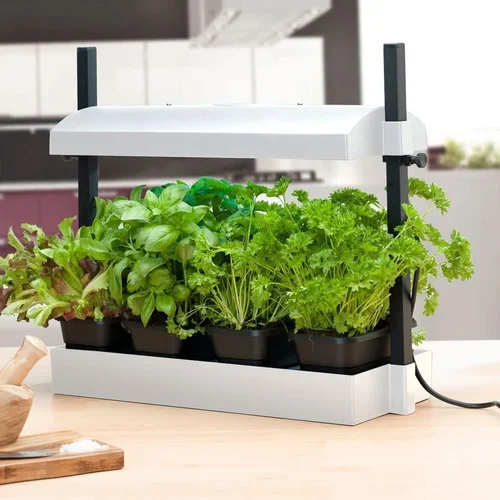
Credit: thegreenmadhouse.com
Benefits Of Led Lights For Herb Gardens
What Color Led for Indoor Herb Garden Using LED lights in herb gardens offers many benefits. Red and blue lights promote healthy growth and strong roots. They provide the right spectrum for photosynthesis. LED lights are energy-efficient and last long, making them ideal for indoor gardening.
The benefits of LED lights for herb gardens are numerous. They provide the perfect light spectrum that herbs need to thrive. LEDs are energy-efficient, saving you money on electricity bills. They last longer than traditional bulbs, reducing replacement costs. The compact design fits any indoor space, making them versatile for various garden setups.Energy Efficiency
LED lights consume less energy than incandescent bulbs. This efficiency reduces your electricity bill. It also makes them environmentally friendly. They produce more light per watt, giving your herbs optimal growth conditions.Longevity And Durability
LEDs have a long lifespan. They can last up to 50,000 hours. You won’t need frequent replacements. Their durability withstands humidity and temperature changes, ideal for indoor gardens.Customizable Light Spectrum
LEDs offer customizable light settings. You can adjust them to suit different plant growth stages. This flexibility enhances photosynthesis and speeds up growth. It ensures herbs receive the right light intensity.Compact And Space-saving
LED lights are small and lightweight. They fit into tight spaces easily. This feature is perfect for apartment or small home setups. You can have an indoor garden anywhere without clutter.Reduced Heat Output
LEDs emit less heat than traditional bulbs. This prevents leaf burn and dehydration. Your herbs stay healthy and vibrant. Lower heat output means less need for ventilation.Consistent Light Quality
LEDs provide consistent light quality. They maintain the same intensity throughout their lifespan. This stability is crucial for uniform herb growth. It ensures your plants flourish year-round. These benefits make LED lights an excellent choice for indoor herb gardens. They combine efficiency, durability, and versatility, promoting healthier plant growth.
Credit: www.amazon.com
Choosing The Right Color Spectrum
Choosing the Right Color Spectrum Selecting the right LED color boosts indoor herb growth. Blue light promotes leaf development, while red light aids flowering.
Choosing the right color spectrum for your indoor herb garden can significantly impact your plants’ growth and health. Different colors of LED lights serve distinct functions, mimicking the natural sunlight conditions that plants need to thrive. Understanding these differences can help you create the perfect indoor garden environment.Red Vs. Blue Leds
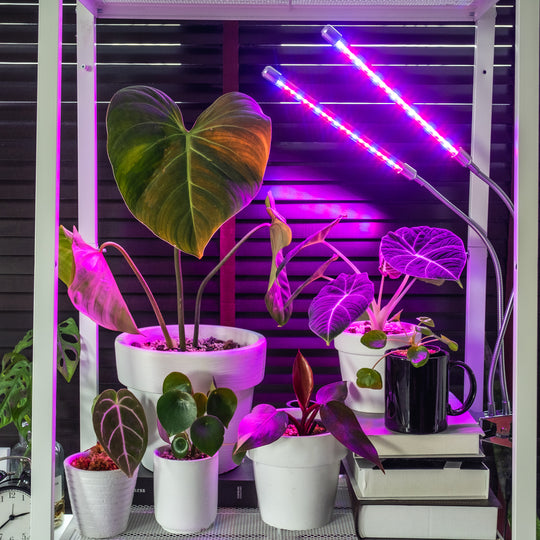
Red and blue LEDs are the most common choices for indoor gardening. Red light is crucial for photosynthesis and encourages flowering and fruiting. That’s why many gardeners notice more blooms when using red LEDs. On the other hand, blue light is essential for vegetative growth. It helps plants grow stronger leaves and stems. Using a combination of both can create a balanced growth environment, but which one should you prioritize? Consider your herb garden’s goals. If you’re focused on lush foliage, blue might be your best bet. However, if your aim is to boost flowering, red could be more beneficial.Full Spectrum Options
Full spectrum LED lights offer a comprehensive range of colors, similar to natural sunlight. These lights are designed to support all stages of plant growth, from seedlings to mature plants. One advantage of full spectrum LEDs is their versatility. They cater to the complete lifecycle of your herbs, reducing the need to switch lights for different growth phases. Investing in full spectrum LEDs can be a great choice if you want a “set it and forget it” solution. But, is it worth the extra cost? While they might be pricier upfront, the long-term benefits, including convenience and potentially better growth results, could justify the investment. Consider your budget and your gardening goals when making the decision.Impact Of Light Colors On Plant Growth
The color of LED lights can greatly influence plant growth. Different colors affect various growth aspects, from photosynthesis to flowering. Understanding these impacts helps optimize your indoor herb garden.
Photosynthesis And Light Wavelengths
Photosynthesis relies on light to convert carbon dioxide and water into glucose. Light’s wavelength plays a crucial role in this process. Blue light, with shorter wavelengths, boosts leaf growth. Red light, with longer wavelengths, encourages flowering and fruiting. Green light is less absorbed but still contributes to overall growth.
Herb-specific Light Needs
Different herbs have unique light requirements. Basil thrives under blue and red light, supporting its leafy growth and flowering. Cilantro prefers more blue light for lush foliage. Mint grows well with balanced red and blue light, ensuring healthy leaves and stems.

Credit: www.amazon.com
Expert Recommendations
Choosing the right LED color for your indoor herb garden is crucial. Experts suggest specific colors to enhance growth and flavor. The right lighting can make a significant difference in the health of your plants. Let’s explore expert recommendations on LED choices for your herbs.
Top Led Brands For Herb Gardens
Several brands stand out for their LED quality. Popular choices include:
- Philips:Known for reliability and efficiency. Their LEDs offer excellent light spectrum.
- GE Lighting:Offers versatile options with advanced technology. Great for herb growth.
- Mars Hydro:Provides powerful LEDs at affordable prices. Ideal for home gardeners.
Optimal Light Settings
Adjusting light settings boosts herb growth. Experts recommend:
- Blue Light:Promotes healthy leaves and stems. Use during early growth stages.
- Red Light:Enhances flowering and fruiting. Essential for mature plants.
- Full Spectrum:Offers a balanced mix of colors. Perfect for overall plant health.
Energy Efficiency And Cost
Energy efficiency is a key factor when choosing lights for indoor herb gardens. LED lights offer benefits in terms of energy usage and cost savings. They consume less electricity while providing the necessary light for plant growth. Let’s explore how LED lighting can impact your wallet and the environment.
Long-term Savings
LED lights last longer than traditional bulbs. Their lifespan can reach up to 50,000 hours. This reduces replacement costs significantly over time. Less frequent replacements mean fewer bulbs sent to landfills. Reduced waste benefits both you and the planet.
Lower energy consumption translates to smaller electricity bills. LEDs use about 75% less energy than incandescent bulbs. Over time, this difference adds up. The initial cost of LEDs might be higher, but savings on bills offset this quickly.
Comparing Led To Other Lighting
Incandescent bulbs consume more energy and produce more heat. This can harm sensitive herbs and increase cooling costs. Fluorescent lights are more efficient than incandescent but still lag behind LEDs.
Halogen bulbs also use more power compared to LEDs. They produce more heat, making them less ideal for indoor gardens. LED lights remain cool, preventing damage to delicate plants.
LEDs provide full-spectrum light, mimicking natural sunlight. This ensures your herbs get the light they need to thrive. Their efficiency and cost-effectiveness make LEDs the preferred choice for indoor herb gardens.
Practical Tips For Led Installation
Installing LED lights for your indoor herb garden can boost growth. Proper installation ensures plants receive the right amount of light. This section offers practical tips on setting up LED lights effectively.
Positioning Lights For Maximum Growth
Place lights directly above plants for even coverage. Aim for a height that covers all leaves. Keep lights close to plants, but not too close. Avoid burning leaves by maintaining a safe distance. Use adjustable stands for flexibility. Rotate lights as plants grow taller. This ensures all parts receive adequate illumination.
Maintenance And Troubleshooting
Regularly clean the LED surfaces. Dust can block light, reducing effectiveness. Check wiring and connections monthly. Loose wires might cause flickering. Replace bulbs that are dim or burnt. Inspect for physical damage, like cracks. Monitor plant health for signs of light issues. Yellow leaves may indicate poor lighting. Use light meters to measure brightness. Adjust settings to maintain optimal levels.
Frequently Asked Questions
What Color Led Is Best For Herbs?
The best LED color for herbs is a mix of red and blue. Red light supports flowering and fruiting, while blue light encourages leafy growth. Together, they create the ideal spectrum for indoor herb gardening, promoting healthy and robust plant development.
Can White Led Lights Grow Herbs Indoors?
Yes, white LED lights can grow herbs indoors effectively. They mimic natural sunlight, providing a balanced spectrum for plant growth. While not as targeted as red and blue LEDs, white LEDs are versatile and support various stages of plant development, making them a popular choice for indoor gardens.
Why Use Red And Blue Leds For Herbs?
Red and blue LEDs are used because they target specific growth needs of herbs. Red lights enhance flowering and fruit production, while blue lights promote strong, leafy growth. This combination maximizes photosynthesis efficiency, ensuring your indoor herb garden thrives and produces healthy plants.
How Do Led Lights Affect Herb Growth?
LED lights affect herb growth by providing a tailored light spectrum. They offer specific wavelengths that boost photosynthesis, enhancing plant health and growth. LEDs are energy-efficient and can be adjusted to meet the plant’s light needs, ensuring optimal growth for indoor herb gardens.
Conclusion
Choosing the right LED color for your herb garden matters. Different colors support different growth phases. Blue light helps in leafy growth. Red light encourages flowering and fruiting. Combining both can optimize plant health. Experiment to see what works best for your herbs.
Keep your garden’s needs in mind. Adjust light for the best results. Balance is key for thriving plants. Start with the basics and observe your plants. Adjust as needed for growth and health. Your herbs will thank you for the right lighting.
Happy gardening!