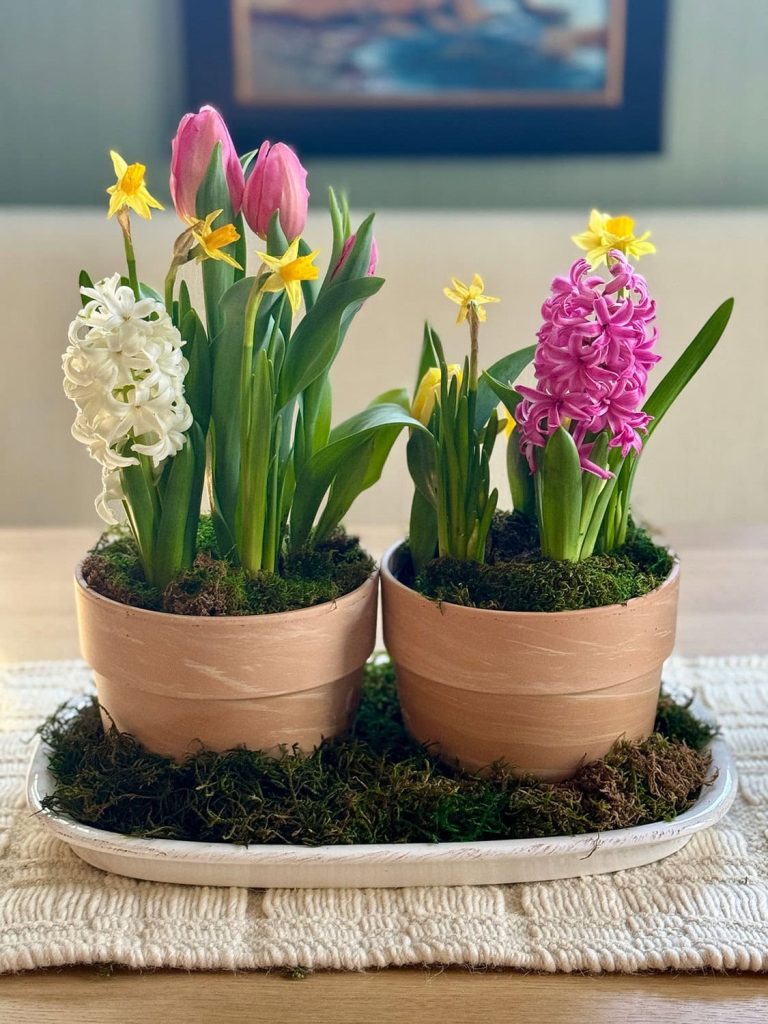
Imagine the vibrant colors and delightful scents of spring right inside your home. You can create this enchanting atmosphere by growing a spring bulb garden indoors.
If you’re looking for a way to brighten up your space and enjoy the beauty of nature without stepping outside, you’re in the right place. This guide will reveal how you can successfully nurture a thriving indoor bulb garden that brings joy and tranquility to your everyday life.
Ever wondered how to turn your living room into a blooming paradise? You might think it’s a daunting task, but with the right techniques, it’s easier than you imagine. We’ll walk you through each step, ensuring you avoid common pitfalls and maximize your garden’s potential. Get ready to learn how to transform ordinary bulbs into extraordinary blooms. Keep reading, and you’ll discover the secrets to maintaining a lush, colorful garden that not only enhances your living space but also boosts your mood and well-being.
Credit: www.hgtv.com
Choosing The Right Bulbs
Choosing the right bulbs is the first step to creating a vibrant spring bulb garden indoors. It’s like setting the foundation for a masterpiece; the bulbs you select will dictate the colors, fragrances, and overall ambiance of your indoor oasis. Understanding which bulbs thrive indoors is key to a successful bloom. Let’s dive into some popular options and where you can source them to ensure quality and growth.
Popular Spring Bulbs
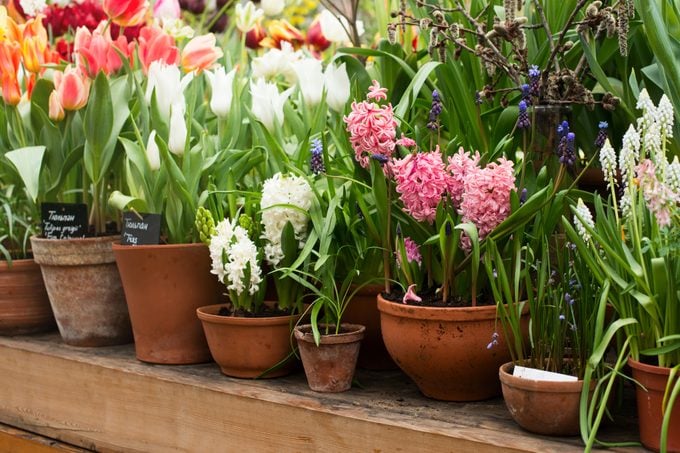
Spring bulbs come in a variety of shapes and hues, each bringing its unique charm to your indoor garden. Here are a few favorites:
- Tulips:Known for their bright, cheerful colors and smooth, elegant petals, tulips are a top choice for indoor gardens.
- Daffodils:With their sunny yellow blooms, daffodils are perfect for adding a pop of color and a touch of spring warmth.
- Crocuses:These small but mighty flowers burst into life with vibrant purples and whites, making them ideal for table displays.
- Hyacinths:Not only do they offer a spectrum of colors, but their fragrance can fill a room, creating an inviting atmosphere.
Have you ever walked into a room and felt instantly uplifted by the presence of fresh blooms? These bulbs can transform your living space into a sanctuary.
Where To Source Quality Bulbs
The quality of your bulbs can make or break your indoor garden. You want to ensure that your bulbs are healthy and primed for growth. Here’s how:
- Local Nurseries:They often carry a wide selection of bulbs suited for your climate and home environment.
- Online Retailers:Websites like Burpee and Eden Brothers offer a vast array of bulbs, often accompanied by customer reviews and growing tips.
- Garden Clubs:Joining a local club can provide access to exclusive bulb sales and swaps, often yielding unique varieties.
Don’t underestimate the power of a good source. A healthy bulb from a reputable supplier will reward you with lush blooms. Ask yourself: are you choosing bulbs that will truly flourish indoors? A little research and conversation can guide you to the right choice.
Credit: www.familyhandyman.com
Preparing Indoor Environment
Creating the right indoor environment is key for growing spring bulbs. Ensure adequate sunlight and maintain a cool temperature. Use well-draining soil and keep the bulbs moist for optimal growth.
Preparing the right indoor environment ensures your spring bulb garden thrives. Indoor conditions differ from outdoors, demanding careful attention to temperature, humidity, and lighting. Each element plays a crucial role in bulb growth. Creating a suitable indoor setting guarantees healthy and vibrant blooms. Let’s explore how to set up your indoor garden for success.Ideal Temperature And Humidity
Bulbs need a cool environment to grow well. Maintain temperatures between 60 to 65 degrees Fahrenheit. This range mimics early spring conditions. Avoid placing bulbs near heat sources or drafty windows. Humidity is another important factor. Bulbs prefer moderate humidity levels. Use a humidifier if the air is too dry. Alternatively, place a shallow water tray near the bulbs. This helps maintain moisture in the air.Lighting Requirements
Lighting is vital for bulb growth. Place bulbs in a spot with indirect sunlight. Direct sunlight can damage delicate leaves. If natural light is scarce, use artificial lights. LED grow lights work well for indoor gardens. Position lights about six inches above the bulbs. Ensure bulbs receive light for 12 to 16 hours daily. This simulates the natural daylight cycle. Rotate the pots occasionally for even growth. Proper lighting promotes strong and healthy plants.Planting Techniques
Growing a spring bulb garden indoors brings vibrant colors to any space. Choose bulbs like tulips and daffodils. Use well-draining soil and pots with good drainage. Place them in a sunny spot and water sparingly. Enjoy the beauty of spring blooms right inside your home.
Planting spring bulbs indoors can bring a splash of vibrant colors to your home even before the outdoor garden blooms. With the right planting techniques, you can create a thriving indoor bulb garden that brightens up your space. Let’s dive into some effective methods to get your indoor garden off to a great start.Selecting Containers
Choosing the right containers is crucial for your bulbs’ growth. Opt for containers with good drainage to prevent waterlogging, which can rot bulbs. Terracotta pots are excellent for breathability, but plastic or ceramic pots work well too if they have drainage holes. Consider the size of your bulbs when selecting pots. Large bulbs like amaryllis may need deeper containers. Ensure there’s enough room for root expansion, giving each bulb a comfortable home to flourish.Soil And Nutrient Needs
The soil you choose can make or break your indoor bulb garden. Use a well-draining potting mix, ideally one enriched with organic matter. This ensures the bulbs receive the right balance of moisture and nutrients. Adding some sand or perlite can enhance drainage, preventing soggy conditions. A gentle liquid fertilizer can be introduced during the growth phase to give your bulbs an extra boost. Remember, overwatering is a common pitfall. Keep the soil moist but not drenched, allowing the surface to dry between waterings. This encourages healthy root development and robust blooms. By carefully selecting your containers and nurturing the soil, you’re setting the stage for a flourishing indoor bulb garden. Each thoughtful choice contributes to a vibrant display that can transform your living space into a springtime paradise.Care And Maintenance
Proper care ensures vibrant indoor spring bulb gardens. Water regularly and provide ample sunlight. Trim dead leaves to encourage healthy growth.
Caring for and maintaining a spring bulb garden indoors requires attention to detail and a bit of patience. With the right routine, you can enjoy vibrant blooms that brighten up your home. Let’s explore the essential care practices to keep your indoor garden thriving.Watering Schedule
Understanding your bulbs’ water needs is key. Bulbs typically require moist, but not soggy, soil. Check the soil moisture by sticking your finger about an inch deep into the pot. If it feels dry, it’s time to water. Overwatering can lead to rot, a common issue with indoor bulb gardens. Consider using a pot with drainage holes or placing pebbles at the bottom of the pot for better water management. Remember, it’s better to slightly underwater than to overwater.Fertilizing Tips
To nurture your bulbs and boost their growth, the right fertilization is essential. Use a balanced liquid fertilizer every two to four weeks during the growing season. This will provide the necessary nutrients for robust blooms. Opt for a fertilizer high in phosphorus to encourage flowering. However, once the bulbs have bloomed, reduce feeding to prevent over-fertilization. Keep a record of your fertilizing schedule to ensure consistency. Have you ever noticed how a little extra care can result in more vibrant blooms? A well-maintained indoor bulb garden not only looks beautiful but also brings a sense of achievement and joy. So, how will you enhance your indoor gardening routine?Dealing With Common Issues
Dealing with Common Issues Spring bulb gardens indoors face challenges like poor light and improper watering. Ensure bulbs get indirect sunlight. Maintain soil moisture without overwatering to prevent rot.
Dealing with common issues in your indoor spring bulb garden can be challenging. These problems can affect the growth and health of your plants. Addressing them quickly ensures your garden flourishes.Pest Control Methods
Pests can be a nuisance for indoor gardens. Common indoor pests include aphids and spider mites. To manage these, start by inspecting your plants regularly. Look for signs like tiny holes or sticky residue. Use natural remedies to tackle pests. A solution of water and dish soap can work wonders. Spray it on affected areas to deter pests. Neem oil is another effective option. It’s safe for plants and deters many common bugs. Introduce beneficial insects such as ladybugs. They naturally consume pests and keep your garden healthy. Ensure good air circulation around your plants. This helps prevent pest infestations.Troubleshooting Growth Problems
Noticing slow growth or yellowing leaves? These signs indicate issues with your bulbs. First, check the amount of sunlight your plants receive. Insufficient light can stunt growth. Place your bulbs near a sunny window for optimal exposure. Overwatering can also harm your plants. Ensure the soil is well-draining to avoid root rot. Use pots with drainage holes to allow excess water to escape. Nutrient deficiencies might cause problems too. Use a balanced liquid fertilizer every few weeks. This provides essential nutrients and supports healthy growth. Monitor the temperature in your home. Bulbs thrive in moderate temperatures, around 60-65°F. Avoid placing them near heat sources or cold drafts. By addressing these issues, you’ll see healthy, thriving plants.Encouraging Blooming
Encouraging your indoor spring bulbs to bloom is both an art and a science. Once you’ve planted your bulbs, the journey doesn’t stop there. It’s essential to create an environment that mimics their natural outdoor conditions. Let’s dive into some effective ways to coax those blooms into life.
Temperature Adjustments
Temperature plays a crucial role in the blooming process. Most spring bulbs require a period of cold to trigger their growth. Keep your bulbs in a cool room, ideally between 35°F to 48°F (1.5°C to 9°C) for about 10 to 12 weeks.
After this chilling period, gradually increase the temperature. Transitioning to a warmer environment mimics the arrival of spring. Remember, sudden changes can shock the bulbs, so increase the warmth slowly to encourage a healthy bloom.
Light Manipulation
Light is another vital factor in encouraging blooms. Place your bulbs in a bright spot, but avoid direct sunlight. A windowsill that gets indirect light is perfect.
If natural light is limited, consider using a grow light. Ensure the light is positioned about 6 inches above the plants for optimal growth. Keep the light on for 12 to 16 hours a day to simulate a full day of sunlight.
Are your bulbs still reluctant to bloom? Try rotating the pots occasionally. This ensures even light exposure, preventing uneven growth and encouraging robust blooming.
Extending Bloom Time
Create a vibrant indoor spring bulb garden to enjoy extended bloom time. Plant bulbs in pots with rich soil and place them in a sunny spot. Regular watering and care ensure bright blooms that last longer indoors.
Growing a spring bulb garden indoors is a delightful way to enjoy vibrant blooms even when the outside world is still waking up from winter’s chill. One of the most rewarding aspects of indoor gardening is the ability to extend the bloom time of your flowers, ensuring your home is filled with color and fragrance for as long as possible. By adopting a few strategic techniques, you can maximize the joy your indoor garden brings.Proper Deadheading
Proper deadheading is a key tactic to prolong the blooming period of your indoor spring bulb garden. By removing faded flowers, you prevent the plant from using energy to produce seeds, redirecting nutrients to new blooms instead. Use sharp scissors to snip off the spent blooms at their base, being careful not to damage the emerging buds. A personal tip: I found that consistently deadheading my tulips kept them vibrant for weeks. Have you considered how a simple snip could enhance your garden’s longevity?Additional Care Tactics
To further extend the bloom time, consider adjusting the environment around your plants. Place your bulbs in a cooler room during the night, which can slow down the blooming process and extend the life of the flowers. Ensure they receive adequate sunlight during the day to maintain their health and vigor. Regularly rotate your pots to ensure even exposure to light, preventing your plants from leaning towards one side. It’s surprising how a small change in routine can significantly impact your garden’s performance. Engage in regular watering, but be mindful not to overwater. Bulbs thrive in well-drained soil, so check the moisture level with your fingers before each watering. Have you noticed how closely your care regimen aligns with the health of your plants? By focusing on these thoughtful care strategies, you not only extend the bloom time of your spring bulbs but also enhance your overall gardening experience. Your indoor garden can be a source of ongoing joy and inspiration.
Credit: www.epicgardening.com
Creative Display Ideas
Creating an indoor spring bulb garden offers more than just vibrant blooms. It also allows for unique and creative displays in your home. By arranging bulbs thoughtfully and using decorative containers, you can elevate the aesthetic of your indoor space. Let’s explore some creative display ideas to make your spring bulb garden a stunning indoor feature.
Arranging Bulbs For Aesthetic Appeal
Strategic bulb arrangement enhances visual interest. Consider grouping bulbs by color for a striking impact. Use varying heights to add depth and dimension to your display. Plant taller bulbs at the back, allowing shorter ones to be visible in the front.
Arrange bulbs in odd numbers. This creates a natural and balanced look. Use complementary colors to create harmony. Pair purple hyacinths with yellow daffodils, for example. This combination offers a pleasing contrast.
Using Decorative Containers
Containers play a key role in your bulb garden’s appearance. Choose pots that complement your home decor. Terracotta pots add a rustic charm, while ceramic ones provide a sleek finish. Consider transparent glass containers to show off the bulb’s roots.
Utilize baskets for a cozy, natural look. Line them with plastic to prevent leaks. Old teapots or vintage bowls also make charming containers. They add character and a touch of whimsy to your garden.
- Ensure containers have drainage holes.
- Use a saucer to catch excess water.
- Decorate with moss or pebbles for added texture.
Frequently Asked Questions
Can Bulbs Grow Indoors Without Sunlight?
Yes, bulbs can grow indoors using artificial light. Choose LED grow lights that mimic natural sunlight. Position them above your plants to ensure even light distribution. Ensure the bulbs receive 12 to 16 hours of light daily for optimal growth.
How Do I Choose The Best Bulbs For Indoors?
Select bulbs that thrive indoors like tulips, daffodils, or hyacinths. Choose bulbs that are firm and free from mold. Smaller bulbs generally adapt better to indoor conditions. Ensure they are disease-free for healthy growth.
What Soil Mix Is Ideal For Indoor Bulbs?
Use a well-draining potting mix for indoor bulbs. Mix equal parts peat, perlite, and compost for nutrients. This combination prevents waterlogging and promotes healthy root development. Ensure the soil maintains moisture but isn’t soggy.
How Often Should I Water Indoor Bulb Gardens?
Water indoor bulbs when the top inch of soil feels dry. Avoid overwatering to prevent root rot. Ensure pots have drainage holes to remove excess water. Adjust watering frequency based on indoor temperature and humidity levels.
Conclusion
Creating a spring bulb garden indoors is rewarding and fun. It’s simple to start with a few basic steps. Choose the right bulbs and soil. Ensure proper light and water. Enjoy watching them grow and bloom. Each flower brightens your space.
Plus, gardening indoors boosts your mood. You now have the tools to nurture your garden. Try different bulbs for variety. Experiment and see what works best. Indoor gardening can be a delightful hobby. Happy gardening!







