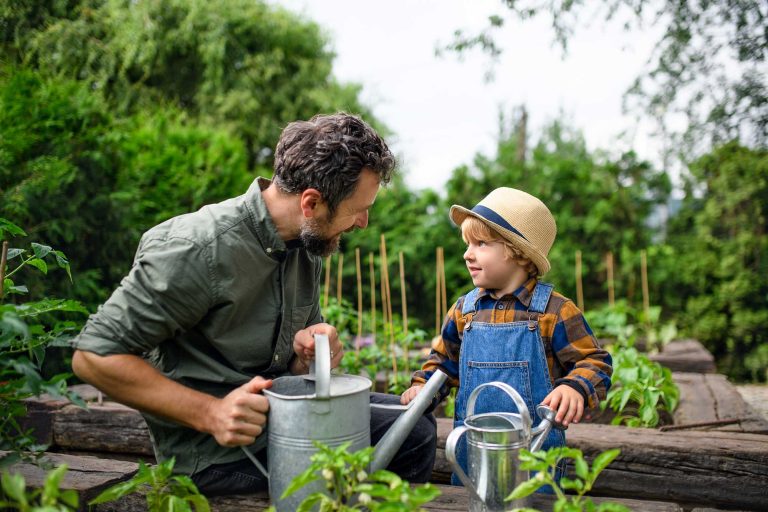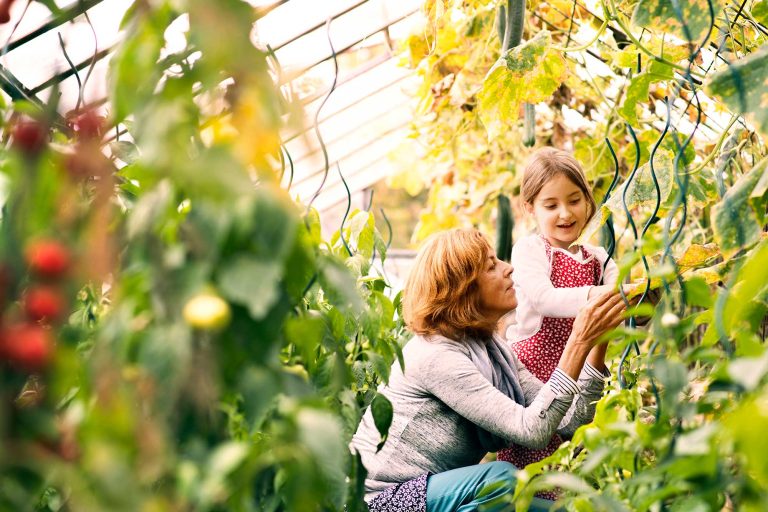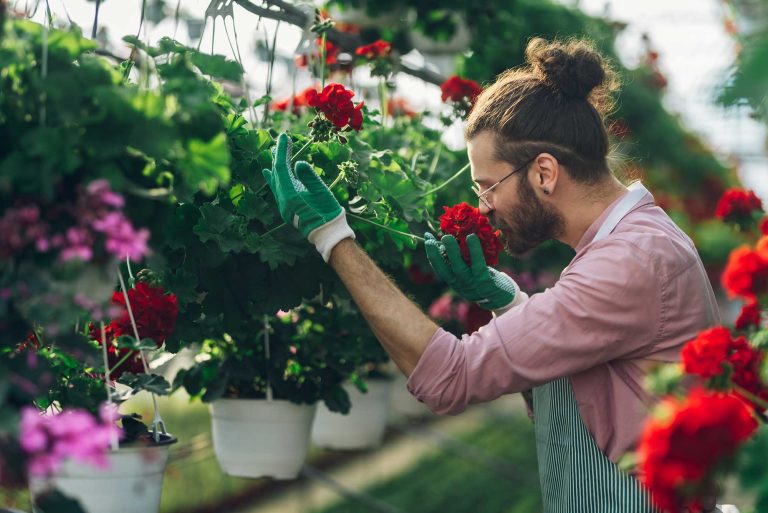
Imagine stepping into your backyard and being greeted by a vibrant garden filled with lush greenery and colorful blooms. It’s a sight that can instantly lift your spirits and provide a sense of accomplishment.
But achieving this garden paradise starts long before the first bloom appears. It begins with a crucial decision: when should you start your garden plants indoors? This question is more than just a timing issue; it’s a gateway to unlocking the full potential of your garden.
By starting your plants indoors, you give them a head start, allowing them to grow stronger and healthier. This process can make all the difference between a thriving garden and one that struggles to survive. You’ll discover the optimal time to begin your indoor planting, ensuring your garden is the envy of the neighborhood. Get ready to transform your gardening experience and cultivate a space that flourishes from the inside out. Keep reading to uncover the secrets to a successful indoor start for your garden plants.

Credit: food52.com
Benefits Of Starting Plants Indoors
Starting garden plants indoors gives them a head start, ensuring robust growth. It allows for control over light, temperature, and moisture, creating ideal conditions. This early start can lead to a more fruitful garden season.
Starting your garden plants indoors offers a plethora of benefits that can significantly enhance your gardening experience. Whether you’re a seasoned gardener or a beginner, initiating your plants indoors can be a game-changer. It allows you to optimize conditions for growth, extend your planting season, and ensure healthy, robust plants when it’s time to transplant them outdoors. Let’s explore how this indoor start can transform your gardening efforts.Controlled Environment
One of the greatest advantages of starting plants indoors is the ability to control the environment. You have the power to manage temperature, humidity, and light exposure, creating ideal conditions for your seedlings. Unlike the unpredictable outdoor weather, your indoor setup ensures that your plants receive consistent care. Imagine being able to protect your delicate seedlings from unexpected frost or harsh winds. With an indoor garden, you can provide the gentle warmth and shelter they need to thrive. Do you struggle with pests in your garden? Starting indoors reduces exposure to common garden pests, giving your plants a healthier start. This control can lead to stronger, more resilient plants that are less vulnerable to diseases.Extended Growing Season
Starting plants indoors grants you the luxury of an extended growing season. You can begin your gardening journey weeks, or even months, before the last frost date in your area. This head start can be crucial for certain crops that require longer growing periods. Think about the joy of harvesting fresh tomatoes or peppers earlier than usual. Starting indoors allows you to enjoy home-grown produce sooner, maximizing your yield for the season. Having the flexibility to start early means you can experiment with a wider variety of plants. Ever wanted to try growing heirloom varieties or more exotic plants? An extended season gives you the chance to explore these options with confidence. By starting your garden plants indoors, you take control of your gardening destiny, ensuring a thriving and productive garden. Are you ready to embrace the benefits of indoor gardening and see your garden flourish like never before?
Credit: homesteadgardens.com
Assessing Your Climate Zone
Assessing your climate zone is vital for successful indoor gardening. It guides when to start seeds indoors. Knowing your zone helps predict frost dates and seasonal changes. This knowledge ensures plants thrive when transplanted outdoors.
Understanding Frost Dates
Frost dates determine when to start seeds indoors. These dates mark the last spring frost and the first fall frost. In most regions, plant seeds 6-8 weeks before the last frost. This timing gives plants a head start while avoiding cold damage.
Regional Considerations
Different regions have unique climate challenges. Coastal areas may have milder winters, allowing earlier planting. Mountainous regions might experience late frosts, requiring later start dates. Research local climate patterns for precise planting schedules.
Choosing The Right Plants For Indoor Start
Starting your garden plants indoors can be a rewarding experience, allowing you to jumpstart your gardening season and potentially achieve a more bountiful harvest. However, not all plants are suited for this early start. Choosing the right plants to begin indoors is crucial for maximizing your success. Some plants thrive in the controlled indoor environment, while others might struggle. Understanding which vegetables and flowers are ideal for an indoor start can help you plan a thriving garden.
Vegetables Ideal For Indoor Start
- Tomatoes:Often considered a staple in home gardens, tomatoes benefit greatly from being started indoors. They require warmth and a long growing season, making an indoor start advantageous.
- Peppers:Much like tomatoes, peppers thrive with an indoor start. They need plenty of time to mature and prefer warm conditions.
- Broccoli:Starting broccoli indoors gives it a head start, allowing it to establish before the heat of summer arrives.
- Lettuce:Fast-growing and resilient, lettuce can be started indoors to ensure a steady supply throughout the season.
Flowers Suitable For Early Planting
- Marigolds:These vibrant flowers not only beautify your garden but also deter pests. Starting them indoors ensures early blooms.
- Zinnias:Known for their bright colors and easy growth, zinnias can be started indoors to enjoy a longer flowering period.
- Sunflowers:Starting sunflowers indoors means you can enjoy their towering presence in your garden earlier.
- Pansies:These hardy flowers can tolerate cooler temperatures and are perfect for starting indoors for a splash of early color.
Have you ever considered the impact of starting your plants indoors on your gardening success? By choosing the right plants, you ensure a vibrant and productive garden. Experiment with different varieties and see what works best for you. What will you start indoors this year?
Determining Optimal Timing
Starting garden plants indoors can give them a head start. Determining the right timing is crucial for healthy growth. Planting too early or too late can affect your garden’s success. Understanding specific timing guidelines helps avoid common pitfalls and ensures robust growth.
Seed Packet Guidelines
Seed packets often contain valuable timing advice. They list the best planting dates based on plant type. Check the packet for instructions on when to start seeds indoors. Consider factors like light, soil, and water needs. These details help you create the ideal environment for your seeds.
Calculating Back From Last Frost
The last frost date is key for timing. Calculate when to plant indoors by counting back from this date. Use local frost charts for accuracy. They provide estimated frost dates for your area. Knowing this helps prevent frost damage to young plants.
Prepping Your Indoor Space
Starting garden plants indoors is ideal 6-8 weeks before the last frost date. This timing allows seedlings to mature enough for outdoor planting. Consider local climate and plant type for optimal results.
Prepping your indoor space for starting garden plants is crucial. A well-organized area boosts plant growth. This preparation helps you manage the environment efficiently.Selecting Containers
Choose containers based on plant size. Small seeds need smaller pots. Larger seeds require more space. Ensure containers have drainage holes. This prevents waterlogging, which can harm roots. Opt for biodegradable pots. They are eco-friendly and easy to transplant.Setting Up Lighting
Proper lighting is vital for plant health. Position lights 2-3 inches above plants. Use LED grow lights for energy efficiency. Adjust the height as plants grow. Provide 12-16 hours of light daily. Use timers to automate lighting cycles. This ensures consistent light exposure.Monitoring Growth And Health
Starting garden plants indoors gives them a head start for healthy growth. Begin six to eight weeks before the last expected frost. This timing ensures plants are strong when transplanted outdoors.
Monitoring the growth and health of your indoor garden plants is crucial. It ensures they thrive and develop robustly. Keeping a keen eye on their progress helps you spot any issues early. This proactive approach can prevent many common plant problems.Watering Techniques
Correct watering is vital for plant health. Too much or too little water can harm your plants. Check the soil moisture regularly. Use your finger to feel the soil. It should be moist, not soggy. Water your plants at the base. This avoids wetting the leaves. Wet leaves can lead to disease.Temperature Management
Temperature plays a key role in plant growth. Most indoor plants prefer moderate temperatures. Keep your plants away from cold drafts. Avoid placing them near heat sources. Sudden temperature changes can stress plants. Use a thermometer to monitor room temperature. Adjust as needed to maintain a stable environment.Transitioning To Outdoor Planting
Transitioning to outdoor planting is a crucial step for indoor gardeners. It ensures plants adjust smoothly to their new environment. This process requires careful attention to timing and preparation. Start by understanding how to gradually acclimate plants to outdoor conditions. This helps them thrive once transplanted.
Hardening Off Plants
Begin hardening off plants about two weeks before transplanting. Place them outside in a sheltered area for a few hours each day. Gradually increase the time spent outdoors. This helps them adapt to sunlight, wind, and temperature changes. Protect plants from harsh weather initially. Use a cold frame or cover for added protection.
Choosing The Right Day For Transplant
Select a day with mild weather for transplanting. Avoid extremely hot or cold days. Check the forecast for rain, as it can harm delicate plants. Choose a day with overcast skies for less stress on plants. Ensure soil is warm enough to support growth. This encourages strong root development.

Credit: www.youtube.com
Frequently Asked Questions
When Is The Best Time To Start Seeds Indoors?
Starting seeds indoors 6-8 weeks before the last frost is ideal. Check your local frost dates for precision. This timing allows seedlings to mature enough for transplanting outdoors when the weather warms.
How Do I Choose Which Plants To Start Indoors?
Select plants with long growing seasons or sensitive to weather extremes. Tomatoes, peppers, and basil are popular choices. Refer to seed packets or gardening guides for specific instructions.
What Tools Are Needed For Starting Plants Indoors?
You need seed trays, potting soil, and grow lights. These tools help create optimal conditions for germination. A heat mat can also be beneficial for warmth-sensitive seeds.
Can I Use Regular Potting Soil For Indoor Seeds?
Regular potting soil is often too dense for seed starting. Use a seed starting mix instead, as it provides better drainage and aeration. This ensures healthy root development.
Conclusion
Starting garden plants indoors offers many advantages. Early preparation leads to strong seedlings. Timing is key for success. Consider your region’s climate. Match plant types with suitable conditions. Use good soil and adequate light. Regular watering is essential. Monitor growth and adjust care as needed.
Transplant when temperatures rise and frost risks drop. A well-timed start ensures healthy plants. Planning ahead makes gardening rewarding. Enjoy watching your garden thrive!