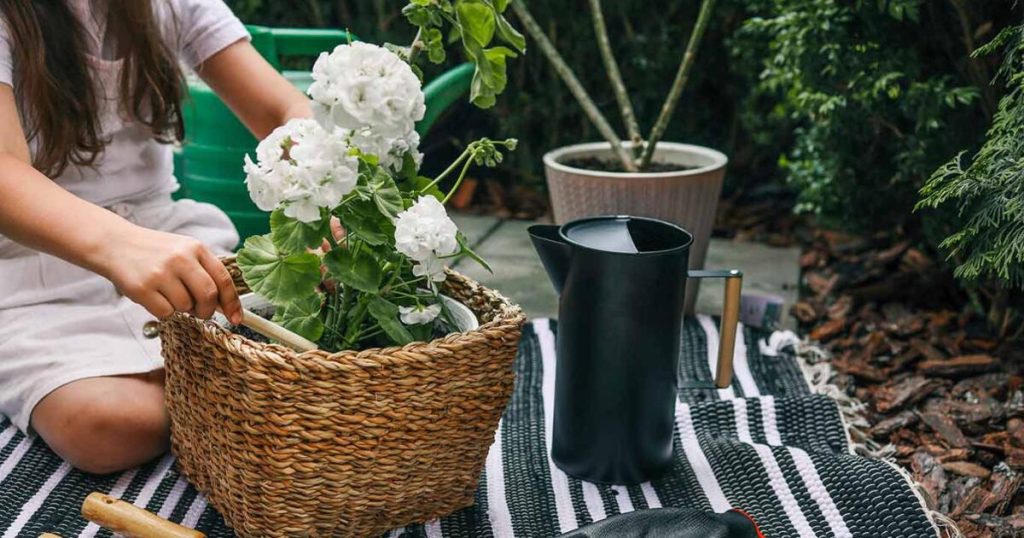
Are you looking to transform your garden into a vibrant oasis? Arranging potted plants is a simple yet impactful way to breathe new life into any outdoor space.
Whether you have a sprawling backyard or a cozy balcony, the right arrangement of potted plants can create a stunning visual display. Imagine stepping into your garden and being greeted by a harmonious blend of colors, textures, and scents. It’s easier than you think to achieve this paradise.
In this guide, you’ll discover practical tips and creative ideas to help you arrange your potted plants like a pro. Ready to unlock the secrets of garden design? Let’s dive into the art of arranging potted plants and watch your garden come alive.
Choosing The Right Plants
Selecting plants wisely enhances your garden’s charm. Arrange potted plants by size, color, and sunlight needs. Group similar plants together for harmony and easy care.
Choosing the right plants for your garden can transform it into a vibrant and harmonious space. Selecting plants isn’t just about picking the prettiest flowers; it’s about creating a living tapestry that thrives in your unique environment. The choices you make today can either elevate your garden to a stunning masterpiece or leave it struggling. Let’s dig into some essential aspects to consider when choosing the perfect plants for your garden.Consider Climate And Soil
Understanding your local climate is crucial. Are you in a region that experiences harsh winters, or do you enjoy a tropical paradise all year round? Plants have different needs; some thrive in sun-drenched areas, while others prefer shade. Examine the soil in your garden. Is it sandy, clay-based, or loamy? Some plants require well-draining soil, while others are more forgiving. You might find that a simple soil test can guide you toward the best plant options.Select Complementary Colors
Think of your garden as a canvas. What colors resonate with you? Do you want soft pastels or bold, vibrant hues? Choosing plants with complementary colors can create visual harmony and make your garden more appealing. Consider the color of pots as well. Brightly colored pots can enhance the beauty of the plants, while neutral tones might provide a more subdued backdrop. It’s all about finding a balance that feels right for your space.Prioritize Plant Size And Shape
Have you ever planted something only to discover it grows far larger than expected? It’s important to research the mature size and shape of plants before adding them to your garden. Consider how different sizes and shapes will interact. Tall, slender plants can add vertical interest, while bushy plants can fill gaps and create fullness. Think about how you can layer these elements to create depth and texture in your garden. Your garden should reflect your personality and style. By carefully choosing the right plants, you’re not just cultivating a garden—you’re crafting a living work of art. What will your masterpiece look like?
Credit: www.yahoo.com
Designing The Layout
Designing the layout of potted plants in a garden can transform outdoor spaces. Use varying pot sizes to add depth and interest. Create focal points by grouping plants with similar colors or textures.
Designing the layout of potted plants in a garden is both art and science. A well-thought-out arrangement transforms a simple garden into a vibrant oasis. It enhances the natural beauty and offers a visual delight. Creating a harmonious layout requires attention to detail and creativity.Create Focal Points
Focal points guide the viewer’s eye. Use bold or unique plants as focal points. Choose large pots or unique shapes to draw attention. Position these at the center or corners of your garden. This gives the eyes a place to rest and admire. Focal points add structure and interest to your garden design.Balance Symmetry And Asymmetry
Balance keeps the garden visually appealing. Symmetry provides a formal and tidy look. Place identical pots on both sides of a pathway. Asymmetry offers a more natural and relaxed feel. Mix different pot sizes and plant types. Both styles can coexist, creating a dynamic and interesting layout.Incorporate Vertical Elements
Vertical elements add depth and dimension. Use tall pots or trellises to elevate plants. Hang pots from trees or pergolas. Vertical gardening maximizes space in small gardens. It also creates layers, adding a lush look. This technique makes your garden feel more expansive and inviting.Placement Strategies
Arranging potted plants in a garden requires thoughtful placement strategies. Proper positioning ensures healthy growth and a beautiful display. Below are key strategies to consider.
Optimize Sunlight Exposure
Sunlight is vital for plant health. Place sun-loving plants in areas with full sun. Shade-tolerant plants should be positioned in shaded spots. Observe your garden’s sunlight patterns throughout the day. This helps in choosing the best spots for each plant.
Allow Adequate Spacing
Spacing is essential for plant growth. Crowded plants compete for nutrients and light. Give each plant enough room to thrive. This also helps prevent diseases. Check the plant’s mature size before deciding on the space needed.
Use Raised Platforms
Raised platforms can add dimension to your garden. Elevate smaller plants to eye level using pots or stands. This creates a layered effect and maximizes space. Raised platforms also improve drainage for potted plants.
Enhancing Aesthetics
Arranging potted plants can transform a garden’s look. Mix different sizes and colors for visual interest. Place taller plants in the back and smaller ones in front for depth.
Enhancing the aesthetics of your garden with potted plants can transform any space. It adds vibrancy and character. Thoughtful arrangements create stunning displays that captivate the eye. By focusing on textures, colors, and seasonal variety, you can create a beautiful, ever-changing garden environment.Mix Textures And Heights
Combine plants with different leaf textures for visual interest. Use both smooth and rough leaves. Mix broad leaves with finer ones. Vary plant heights to add depth. Tall plants can serve as a backdrop. Shorter plants fill in gaps. This creates a layered effect. It gives your garden a dynamic look.Integrate Decorative Pots
Choose pots that enhance your garden’s style. They should complement your plants. Use pots with unique shapes or patterns. Bright colors can make a statement. Neutral tones blend seamlessly. Group pots of various sizes together. This creates a cohesive look. Decorative pots are more than containers. They are part of the visual appeal.Add Seasonal Varieties
Seasonal plants keep your garden lively. Rotate plants to match the season. Spring blooms add freshness. Summer brings vibrant colors. Fall displays warm hues. Winter plants offer greenery. This rotation keeps the garden interesting. It ensures there’s always something new to see.Maintenance Tips
Group potted plants by size and color to create visual harmony. Place larger pots at the back and smaller ones in front for depth. Use vertical space with hanging pots or shelves to add layers.
Maintaining a garden filled with potted plants can be a rewarding experience, but it requires consistent care to keep your plants thriving. From watering to fertilizing, each step in your maintenance routine plays a crucial role in ensuring your plants look their best. Let’s explore some essential maintenance tips to keep your potted plants healthy and vibrant.Regular Watering Schedule
Establishing a regular watering schedule is key to preventing your plants from drying out or becoming waterlogged. Consider the specific needs of each plant; succulents may need less frequent watering compared to tropical plants. Use your finger to check soil moisture. If the top inch is dry, it’s time to water. Early morning is often the best time to water, as it allows plants to absorb moisture before the heat of the day.Fertilization Techniques
Fertilizing your potted plants correctly can significantly impact their growth and bloom. Use a balanced liquid fertilizer every few weeks during the growing season for most plants. Be cautious not to over-fertilize. Excess nutrients can harm plants, leading to leaf burn or stunted growth. Consider using slow-release pellets if you’re unsure of the right frequency.Pest Control Methods
Pests can be a nuisance in any garden, but they are manageable with the right approach. Regularly inspect your plants for signs of pests like aphids or spider mites. Use a mild soap solution or neem oil to treat infestations. Encourage natural predators like ladybugs to visit your garden, offering an organic pest control solution. Remember, consistent maintenance routines not only enhance the beauty of your garden but also extend the life of your plants. What unique strategies do you use to care for your potted plants?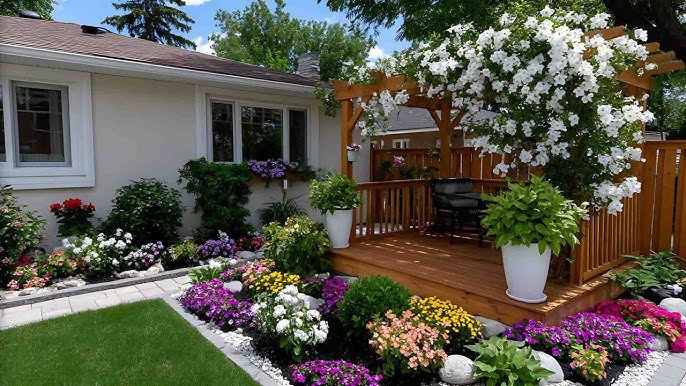
Credit: www.youtube.com
Sustainable Practices
Arranging potted plants enhances garden aesthetics and promotes sustainable practices. Position taller plants at the back for a layered look. Group plants with similar needs together to conserve resources and foster healthy growth.
Sustainable practices in gardening help the environment. They ensure your garden thrives naturally. By choosing eco-friendly options, you contribute to a healthier planet. Let’s explore how to arrange potted plants sustainably.Use Recycled Materials
Repurpose old containers for plant pots. Tin cans, wooden crates, and glass jars work well. This reduces waste and gives your garden a unique look. Paint or decorate them for added charm. Reusing materials saves money and resources.Implement Water Conservation
Water is precious. Use methods that conserve it. Place pots in groups to reduce evaporation. Install a drip irrigation system to target roots directly. Collect rainwater in barrels for watering plants. This approach saves water and supports plant health.Choose Eco-friendly Plants
Select native and drought-resistant plants. They require less water and care. Native plants support local wildlife and thrive in local soil. Drought-resistant plants reduce water usage. This choice ensures a sustainable and vibrant garden.:strip_icc()/mix-and-match-container-garden-8da6cd71dee24151be8c5074580761f9.jpg)
Credit: www.bhg.com
Frequently Asked Questions
How Do I Choose The Right Plants?
Selecting plants depends on your garden’s light conditions and climate. Consider sun-loving plants for sunny spots and shade-tolerant ones for cooler areas. Check the plant’s size at maturity to ensure proper spacing. Research local plants to enhance your garden’s biodiversity and sustainability.
What Pot Sizes Are Best For Gardens?
Choose pot sizes based on plant type and growth potential. Larger pots suit bigger plants, providing space for roots. Smaller pots work for compact plants or herbs. Mixing sizes adds visual interest. Ensure pots have drainage holes to prevent waterlogging, promoting healthy growth.
How Can I Create A Balanced Arrangement?
Balance arrangements by varying plant heights, colors, and textures. Place taller plants at the back, shorter ones in front. Group similar colors for harmony, contrasting shades for interest. Use different leaf shapes and sizes to create depth. Experiment to find the best visual balance.
What Are Some Creative Arrangement Ideas?
Consider thematic arrangements like tropical, succulent, or herb gardens. Use pots of different shapes and colors for variety. Incorporate vertical elements like trellises or hanging pots. Create focal points with unique plant species or decorative containers. Personalize with garden ornaments for added charm.
Conclusion
Arranging potted plants brings life and color to any garden. Mix plant sizes for depth. Use different pots for variety. Place taller plants at the back. Shorter ones go in front. Create balance with symmetry. Experiment with colors and textures.
Group plants with similar needs together. This helps them thrive. Regularly check for water and sunlight needs. Adjust their positions as needed. Keep your garden lively and fresh. Enjoy the beauty and tranquility of your plant arrangements. Make your garden a place of peace and joy.
Happy gardening!







