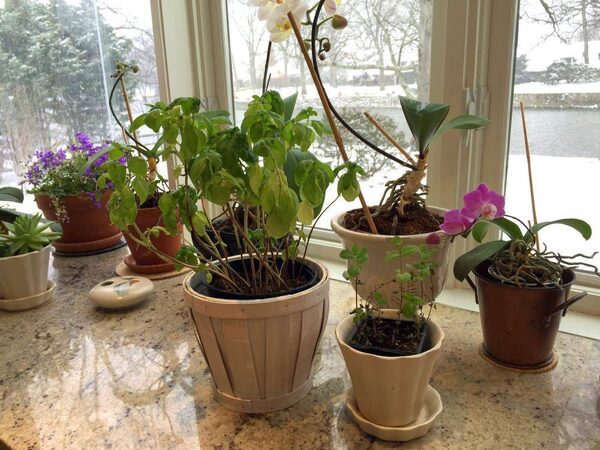
Imagine stepping into your home and being greeted by a lush oasis, even as the chilly winds of winter swirl outside. Your indoor winter garden can be that magical escape, a sanctuary where vibrant greenery thrives all year round.
Creating this indoor paradise isn’t just a dream; it’s a journey that you can embark on with ease and excitement. Are you ready to transform your space into a botanical wonderland? You’ll discover simple steps and clever tips to cultivate your own indoor garden, bringing life and color to every corner of your home.
Whether you’re a seasoned plant enthusiast or a curious beginner, the secrets to nurturing your winter garden await. Embrace the joy of growing plants indoors and let nature’s beauty brighten your winter days. Let’s dive in and unlock the potential of your indoor garden space!
Choosing The Right Space
Creating an indoor winter garden is a delightful project that can bring life to the coldest months of the year. One of the most crucial aspects of this endeavor is choosing the right space. The location you select will significantly impact your plants’ health and growth. It’s not just about finding an empty corner; it’s about understanding the environment your plants need. Let’s explore some essential considerations.
Natural Light Considerations
Natural light is a key ingredient for any thriving indoor garden. Assess how much sunlight your chosen space receives throughout the day. South-facing windows are ideal as they offer the most light, which is perfect for plants that crave sunshine.
If your space lacks natural light, consider investing in grow lights. LED grow lights are energy-efficient and can mimic the sun’s rays, ensuring your plants get the light they need to flourish. Think of it as a little artificial sun!
Ask yourself: How does the light change throughout the seasons? Remember, winter days are shorter, so your plants might need a bit more help to get enough light.
Temperature Control
Temperature plays a crucial role in the health of your indoor garden. Most plants prefer temperatures between 65-75°F (18-24°C), but this can vary depending on the type of plant.
Check if the chosen space is drafty or too close to heaters. Both can create conditions that are too harsh for delicate plants. A consistent temperature is vital to avoid stress on your garden.
Consider using a thermostat to monitor and maintain the perfect temperature. You could even set up a small fan to ensure proper air circulation, helping to maintain humidity levels and prevent mold.
Are you ready to transform your space into a vibrant indoor oasis? With the right environment, your winter garden can thrive all season long, bringing you joy and a touch of green during those chilly months.
Selecting Plants For Winter
Create a cozy indoor winter garden by selecting hardy plants like succulents and ferns. These plants thrive in low light and cooler indoor temperatures. Brighten your space with vibrant, easy-care options like peace lilies and pothos.
Selecting plants for an indoor winter garden can be exciting. Winter demands plants that thrive in limited sunlight. Choose wisely to ensure a lively and colorful indoor space.Hardy Indoor Plant Varieties
Certain plants flourish indoors during colder months. Consider these hardy options:- Snake Plant:This resilient plant tolerates low light and irregular watering.
- Spider Plant:Easy to care for, it survives in various light conditions.
- Peace Lily:Known for its air-purifying qualities and tolerance to shade.
- ZZ Plant:Requires little maintenance and thrives in low light.
Edible Options For Winter
Growing edible plants indoors can be rewarding. Here are some simple choices:- Herbs:Basil, mint, and thyme grow well on windowsills.
- Microgreens:Fast-growing and nutritious, perfect for salads.
- Leafy Greens:Spinach and lettuce adapt well indoors.
Potting And Soil Tips
Creating an indoor winter garden involves choosing the right pots and soil. Use lightweight pots with drainage holes to prevent waterlogging. Opt for well-draining soil mixed with perlite or sand to help roots breathe and thrive.
Creating an indoor winter garden is a delightful way to keep your green thumb active during the colder months. A crucial aspect of ensuring your garden thrives is understanding the essentials of potting and soil. These choices affect the health and growth of your plants, and with a few thoughtful decisions, you can cultivate a lush indoor landscape.Choosing The Right Containers
Selecting the perfect container is more than just aesthetics. Containers should have adequate drainage holes to prevent waterlogging, which can lead to root rot. Consider the size of the plant and its root system. A large plant in a small pot can become root-bound, hindering growth. Materials matter too. Terracotta pots are porous and allow air and moisture to pass through, which can be beneficial for some plants. However, they may dry out faster than plastic pots, which retain moisture better. Think about your watering habits and the needs of your plants when choosing between these materials.Soil Mixes For Indoor Gardens
The right soil mix is vital for the health of your indoor plants. Standard garden soil is often too dense for container plants, so opting for a well-draining mix is crucial. Many indoor gardeners find success with a mix of peat moss, perlite, and vermiculite. Add organic matter like compost to enrich the soil and provide essential nutrients. Some plants have specific needs; for example, cacti and succulents thrive in a sandy mix, while ferns prefer a more moisture-retentive blend. Have you considered making your own soil mix? It can be more economical and allows you to tailor the mix to your plants’ needs. By experimenting with different ratios, you may discover a blend that works perfectly for your unique indoor winter garden.
Credit: www.youtube.com
Lighting Solutions
Creating an indoor winter garden requires thoughtful lighting. During winter, natural sunlight is limited. Plants need adequate light for photosynthesis and growth. Artificial lighting can mimic sunlight for indoor gardens. It provides essential light for healthy plant development.
Artificial Lighting Options
Different artificial lights serve various plant needs. LED grow lights are energy-efficient and long-lasting. They emit light in wavelengths suitable for plant growth. Fluorescent lights are also popular. They are cost-effective and provide adequate light. Incandescent bulbs are less efficient. They produce more heat than light. Choose bulbs that best fit your plant requirements.
Setting Up Grow Lights
Proper setup ensures plants receive optimal light. Place lights at a suitable distance from plants. This prevents overheating and light burn. Use adjustable fixtures for easy height modification. Monitor plant responses regularly. Adjust light intensity based on plant growth stages. Consider timers for automated light cycles. This mimics natural day-night rhythms.
Watering And Humidity
Ensure your indoor plants get enough water, but don’t overdo it. Use a humidifier to maintain proper humidity levels. This helps plants thrive during the dry winter months.
Watering and humidity are crucial for a thriving indoor winter garden. Many plants need a balance of both to grow well. During winter, indoor air can become dry. This change affects plant health. Knowing how to manage watering and humidity helps keep plants happy.Watering Schedules For Winter
Plants need less water in winter. Growth slows as daylight reduces. Overwatering can harm roots and cause rot. Check soil moisture before watering. Insert your finger into the soil. If it feels dry, water the plant. Use room-temperature water for best results. Water early in the day. This allows time for absorption. Be mindful of each plant’s needs. Some require more frequent watering than others.Humidity Control Methods
Low humidity can stress plants. To increase humidity, try a few methods. Place a tray with water and pebbles under pots. As water evaporates, it adds moisture to the air. Group plants together. This creates a microclimate with higher humidity. Use a humidifier in the room. It helps maintain consistent moisture levels. Mist plants occasionally with a spray bottle. This gives a temporary boost in humidity. Choose the method that suits your setup best.
Credit: unlimitedgreens.com
Decorating Your Indoor Garden
Decorating your indoor garden can transform your space into a cozy retreat. During winter, an indoor garden offers a splash of greenery and a touch of nature. Crafting an inviting atmosphere involves thoughtful decoration. This enhances both the aesthetic and the functionality of your garden.
Stylish Pot And Plant Arrangement
The choice of pots can elevate the look of your garden. Opt for pots in varied shapes and sizes. This adds visual interest. Choose colors that complement your home’s interior. Mixing different materials like ceramic, metal, and wood adds texture. Group plants by height for a balanced look. Short plants at the front, tall ones at the back. Use tiered stands to maximize space.
Plants with contrasting foliage catch the eye. Pair them for a dynamic display. Consider using hanging pots. They save floor space and add dimension. Wall-mounted planters are perfect for small areas. They draw attention upward, making the room feel larger.
Incorporating Cozy Elements
Cozy elements make your garden feel welcoming. Soft lighting creates a warm ambiance. Use string lights or small lamps. Position them strategically to highlight plants. Natural materials add warmth. Include wooden shelves or wicker baskets. These elements blend seamlessly with greenery.
Add textiles for comfort. Throw blankets and cushions soften the space. They invite relaxation. Consider scented candles with natural fragrances. They enhance the sensory experience. Incorporate small decorative items. Ceramic figurines or stones add personality. Each piece tells a story, making the garden uniquely yours.
Maintenance And Care
Regularly water plants to keep soil moist, but avoid overwatering. Ensure adequate sunlight for healthy growth. Trim dead leaves and monitor for pests to maintain a thriving indoor winter garden.
Creating a lush indoor winter garden is just the beginning. To keep it thriving and vibrant, maintenance and care are essential. Understanding the specific needs of your plants will ensure they remain healthy and beautiful throughout the colder months.Routine Plant Care Practices
Daily attention to your indoor garden can make all the difference. Regularly check the moisture level in the soil. Overwatering is a common mistake, so ensure the soil feels dry before adding water. Light is another critical factor. Position your plants near windows where they can receive adequate sunlight. If natural light is scarce, consider using grow lights to supplement. Pruning is not just for outdoor plants. Remove dead leaves and spent flowers to encourage new growth. This simple practice can make your indoor garden look well-tended and fresh.Pest Prevention Strategies
Indoor gardens are not immune to pests. Regularly inspect your plants for signs of trouble, such as discolored leaves or tiny webs. Natural remedies can often be effective. For instance, a mild soap solution can deter many pests without harming your plants. Consider introducing beneficial insects like ladybugs if pests become a persistent issue. They can help control unwanted visitors without the need for harsh chemicals. How do you keep your indoor winter garden pest-free? Sharing experiences with fellow gardeners can provide new strategies and insights. By focusing on these maintenance and care strategies, your indoor winter garden can flourish, providing a green oasis even in the coldest months.Benefits Of An Indoor Winter Garden
Creating an indoor winter garden offers a serene escape from cold weather. It brightens your home and provides fresh air. Enjoy tending to plants and watching them thrive, adding beauty and tranquility to your space.
Creating an indoor winter garden can transform your living space into a vibrant sanctuary during the colder months. Beyond the aesthetic appeal, an indoor garden offers several benefits that can enhance your quality of life. From boosting mental health to purifying the air you breathe, the advantages are worth exploring.Mental Health Advantages
Having an indoor garden can significantly impact your mental well-being. The simple act of nurturing plants provides a sense of purpose and can reduce stress levels. Watching your plants grow can be a rewarding experience, offering a break from the hustle and bustle of everyday life. Imagine coming home after a long, stressful day and being greeted by a lush, green oasis. Studies have shown that being around plants can decrease anxiety and improve mood. Consider adding plants like lavender or jasmine, which are known for their calming properties.Improving Indoor Air Quality
Indoor plants are natural air purifiers, making them an excellent addition to your home. They absorb carbon dioxide and release oxygen, improving the air you breathe. Common indoor plants like spider plants and pothos are particularly effective at removing toxins from the air. Have you ever noticed how fresh air feels different in a room filled with plants? That’s because many indoor plants can filter pollutants and improve humidity levels. If you’re looking to enhance your living environment, an indoor garden is a practical and beautiful solution. By creating an indoor winter garden, you not only beautify your space but also enjoy numerous health benefits. What plants will you choose to create your winter haven?
Credit: celebratingeverydaylife.com
Frequently Asked Questions
How Do I Start An Indoor Winter Garden?
Starting an indoor winter garden involves selecting suitable plants, choosing containers, and ensuring adequate lighting. Focus on hardy varieties like herbs and leafy greens. Use grow lights to supplement natural light, and maintain consistent humidity levels. Regularly monitor plant health and adjust care as needed to ensure thriving growth.
What Plants Thrive In Indoor Winter Gardens?
Indoor winter gardens can flourish with hardy plants like herbs, succulents, and leafy greens. Choose varieties like mint, rosemary, kale, and lettuce for easy maintenance. These plants are adaptable to indoor conditions and require less sunlight. Ensure proper care, watering, and lighting to help them thrive indoors.
How Do I Maintain Indoor Garden Humidity?
Maintaining humidity involves using humidifiers or pebble trays with water. Grouping plants can also help create a more humid environment. Regular misting can benefit plants needing higher humidity. Monitor humidity levels with a hygrometer to keep them within optimal ranges for plant health and growth.
Can I Use Grow Lights For Indoor Gardens?
Grow lights are essential for indoor gardens, especially during winter. They simulate sunlight, helping plants photosynthesize effectively. Choose LED or fluorescent lights, which are energy-efficient. Position lights close to plants, and use timers to provide consistent light cycles, mimicking natural daylight hours.
Conclusion
Creating an indoor winter garden brings nature inside. It’s a soothing escape from cold days. Start small with easy-care plants. Use pots that fit your space. Water and light are key to healthy growth. Watch your garden thrive with regular care.
Feel the joy of nature indoors. It’s a rewarding hobby for all ages. Perfect for brightening winter months. Take pleasure in nurturing your green oasis. Enjoy peace and beauty all winter long. Transform your home into a cozy, green sanctuary.
Let nature be your winter companion. Dive into the world of indoor gardening today.







