Imagine stepping into your garden and being greeted by lush, thriving plants that seem to burst with life and vigor. You can achieve this vibrant garden paradise, and it all begins with understanding how to make your plants grow bigger.
Whether you’re a seasoned gardener or just starting out, the secrets to boosting plant growth are within your reach. Picture how your garden could transform into a green oasis, a place where you can unwind and enjoy the beauty of nature.
By applying a few simple techniques, you can nurture your plants to be their best. This guide will walk you through practical tips and strategies that can help elevate your gardening game. Are you ready to discover how to enhance your garden’s potential and see remarkable growth? Let’s dive in and explore how you can cultivate bigger, healthier plants that will make your garden the envy of every passerby.

Credit: www.tiktok.com
Choosing The Right Soil
Selecting the right soil boosts plant growth and health. Rich, well-draining soil provides essential nutrients. Plants thrive with proper moisture retention and aeration.
Choosing the right soil is a game-changer for anyone looking to make their garden plants bigger and healthier. The foundation of a thriving garden begins beneath the surface, where the soil holds the key to robust plant growth. So, let’s dig into the essentials that will transform your garden into a lush paradise.Importance Of Soil Quality
Quality soil serves as the cornerstone of plant health. It provides essential nutrients, water retention, and a supportive environment for root systems. Without good soil, even the best gardening techniques may fall short. You might wonder, does it really matter that much? Absolutely! Just as you need a balanced diet to thrive, plants need nutrient-rich soil to grow big and strong. Poor soil can lead to stunted growth and weaker plants that are more susceptible to diseases.Types Of Soil For Plant Growth
Understanding soil types is crucial. There are several soil types, each with its own benefits and drawbacks. – Clay Soil: This type is dense and holds water well but can become compacted, restricting root growth. It’s ideal for moisture-loving plants when improved with organic matter for better drainage. – Sandy Soil: Known for its excellent drainage, sandy soil allows roots to penetrate easily but can dry out quickly. It’s perfect for plants that thrive in dry conditions but needs regular watering and organic matter to retain moisture. – Loamy Soil: Often considered the gold standard, loamy soil is a balanced mix of clay, sand, and silt. It offers good drainage, nutrient availability, and is easy to work with—ideal for most garden plants. Choosing the right soil type depends on the plants you’re growing and your local environment. Test the soil in your garden and amend it as necessary to support the specific needs of your plants. After all, the right soil choice can make all the difference between a mediocre garden and a flourishing one. How will you transform your garden with the right soil?
Credit: www.tiktok.com
Optimal Watering Techniques
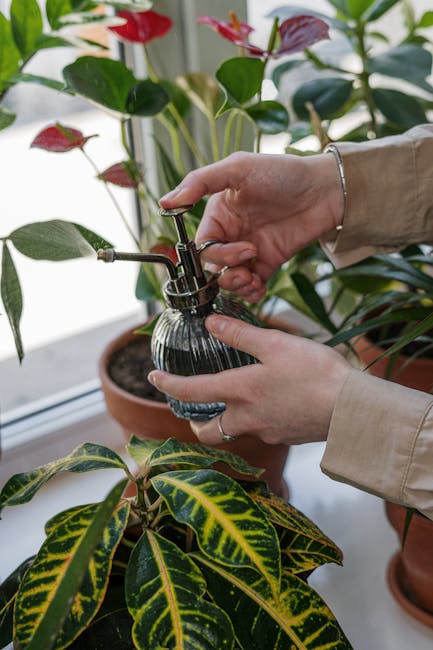
Watering plays a vital role in plant growth. It ensures plants receive essential nutrients and maintain healthy growth. Knowing how to water plants effectively can make a significant difference in your garden. Let’s explore optimal watering techniques that can help your plants thrive.
Watering Frequency
Watering frequency depends on plant type and environment. Most plants need consistent moisture to grow. Check soil moisture regularly by touching the soil surface. If dry, it’s time to water. Some plants require more water during hot weather. Always adjust watering based on seasonal changes. This helps prevent stress and promotes growth.
Signs Of Overwatering
Overwatering can harm plants, leading to root rot. Look for yellowing leaves as a sign. Wilting despite wet soil also indicates overwatering. Fungal growth on soil surface is another clue. Adjust your watering schedule if you notice these signs. Ensure proper drainage to prevent water accumulation. This keeps roots healthy and supports plant growth.
Effective Fertilization
Making your garden plants bigger and healthier often boils down to one critical aspect: effective fertilization. This technique is crucial for supplying essential nutrients that plants need to grow robustly. With the right fertilization, you can transform your garden into a lush, verdant paradise.
Types Of Fertilizers
Fertilizers come in various forms, each serving a unique purpose. Organic options like compost and manure improve soil structure and nutrient content. Chemical fertilizers, on the other hand, provide a quick nutrient boost and are available in granular or liquid forms.
Have you ever tried using slow-release fertilizers? They provide nutrients over an extended period, reducing the frequency of application. It’s a great choice if you’re looking for a low-maintenance solution.
Application Timing
Timing is everything when it comes to fertilization. Applying fertilizers at the right time can significantly impact plant growth. Ideally, start in early spring when new growth begins.
For continued nourishment, consider applying fertilizer every four to six weeks during the growing season. Have you noticed your plants slowing down in growth? It might be time for another round of fertilization.
Remember, over-fertilization can harm plants more than help them. Always follow the recommended application rates and schedule on the fertilizer package.
Maximizing Sunlight Exposure
Maximizing sunlight exposure helps plants grow larger and healthier. Position plants in areas with full sun access. Trim any nearby branches or obstacles that block sunlight.
Maximizing sunlight exposure is key to growing bigger plants. Sunlight fuels photosynthesis, which helps plants thrive. Proper sunlight management enhances growth and health. Let’s explore ways to maximize sunlight exposure in your garden.Ideal Sunlight Hours
Plants need sunlight for healthy growth. Most plants thrive with 6-8 hours of direct sunlight daily. Morning sunlight is gentler and promotes photosynthesis. Afternoon sun can be harsh but necessary. Observe your garden’s sunlight patterns. Adjust plants to receive optimal sunlight. Use garden tools like sunlight trackers. This helps ensure plants get enough light throughout the day.Shade Management
Managing shade is crucial for plant health. Some plants may not need full sun. Partial shade can benefit certain plants. Use trees or structures to create shade naturally. Move plants that need less sun to shaded areas. Use shade cloths for temporary shade solutions. This helps control sunlight intensity. Monitor plants for signs of too much or too little sun. Adjust shade management as needed for balanced growth.Pruning For Growth
Pruning encourages plants to grow bigger by removing dead or crowded branches. This process allows sunlight and air to reach the inner parts. Healthier plants result from focused energy and resources.
Pruning for Growth is a vital step in gardening. It helps plants grow stronger and healthier. Pruning removes dead or excess branches. This directs energy to vital parts, encouraging bigger growth. Understanding the art of pruning can transform your garden. Let’s explore the benefits and techniques of pruning.Benefits Of Pruning
Pruning stimulates new growth by removing dead wood. It improves air circulation within plants. This reduces disease risk and increases sunlight exposure. Pruned plants use nutrients more efficiently. It enhances fruit and flower production. Pruning also shapes plants, keeping them neat and appealing.Pruning Techniques
Different plants need different pruning methods. Always use sharp, clean tools to avoid infection. Cut branches at a slight angle near the node. This promotes faster healing. For shrubs, cut back to maintain size and shape. For trees, remove crossing or rubbing branches. Thin out dense areas to improve air flow. Ensure cuts are smooth to prevent damage. Regularly assess plants to decide on the best pruning approach.Controlling Pests And Diseases
Controlling pests and diseases is key to making plants bigger in your garden. Regularly inspect plants for signs of trouble. Use natural remedies to keep harmful insects and diseases at bay. Healthy plants grow larger and more robust.
Controlling pests and diseases is crucial for growing a thriving garden. Without proper management, these issues can stunt plant growth and reduce yields. By understanding common threats and employing effective strategies, you can ensure your plants reach their full potential.Common Garden Pests
Every gardener faces the challenge of unwelcome guests. Aphids, slugs, and caterpillars are just a few of the usual suspects. They feed on leaves, stems, and even roots, weakening your plants. You might have noticed small holes in leaves or a sticky residue on plants. These are telltale signs of pest activity. Recognizing these early can make all the difference. Regularly inspect your garden. Turn over leaves and check stems. Early detection is key to managing infestations.Natural Pest Control Methods
Chemical pesticides can be harmful to both plants and beneficial insects. Instead, consider natural alternatives. They are safer for the environment and your garden. Introduce beneficial insects like ladybugs to prey on pests. They can naturally reduce aphid populations. Another method is using homemade sprays. A mix of water and a few drops of dish soap can deter many pests. Spray it directly onto affected areas, but test on a small section first. Companion planting is also effective. For instance, marigolds can deter nematodes, while basil can repel flies and mosquitoes. Strategically placing these plants can create a pest-resistant garden. Engage with your garden actively. Regular maintenance and observation can prevent many problems. What natural method will you try first to protect your plants?Enhancing Root Development
Boosting root growth leads to larger plants. Use nutrient-rich soil and ensure proper watering for strong roots. Regularly aerate the soil to promote better air circulation and root expansion.
Enhancing root development is a crucial step in growing a lush garden. Strong roots mean healthier plants, more robust growth, and ultimately, bigger yields. But how exactly can you boost your plants’ root systems effectively?Root Stimulators
Root stimulators can be a game-changer. These products contain hormones that encourage root growth and enhance nutrient absorption. Imagine the boost your plants will get when their roots can spread out and access more nutrients in the soil. You can find root stimulators at most gardening stores. Simply mix them with water and apply at the base of your plants. Have you tried this method before? If not, consider giving it a shot to see noticeable improvements in your garden.Transplant Shock Prevention
Moving plants from one spot to another can stress them out, affecting their roots. This is known as transplant shock. Preventing this shock is key to maintaining healthy root growth. One effective way is to water your plants thoroughly before moving them. This keeps the roots moist and less prone to damage during the transplant process. Additionally, consider using a transplanting solution that helps minimize shock. Have you ever noticed your plants wilting after a move? These solutions could be the answer to keeping your plants thriving. What steps do you currently take to ensure your plants don’t suffer from transplant shock? Adjusting your approach might just lead to more vigorous root development and, in turn, bigger, healthier plants.
Credit: www.tiktok.com
Companion Planting
Companion planting is a fascinating gardening strategy that can transform your garden into a thriving ecosystem. By placing certain plants together, you can enhance their growth, deter pests, and even improve the flavor of your crops. It’s like having a secret weapon in your gardening toolkit that few people fully utilize. Have you ever wondered why your tomatoes flourish when basil is nearby? Or why some plants just seem to wither when placed next to others? Let’s dive into the world of companion planting and uncover the secrets to making your plants bigger and healthier.
Beneficial Plant Pairings
Some plant pairings are like best friends, supporting each other in growth and health. Consider planting basil with tomatoes. Not only does basil help repel pests, but it also enhances the flavor of tomatoes, creating a perfect garden duo. Another powerful partnership is marigolds with almost any vegetable. Marigolds can act as a natural deterrent to nematodes, protecting your precious veggies from unseen harm.
Have you tried planting carrots alongside onions? This pairing works because onions help keep carrot flies at bay, allowing carrots to grow larger and sweeter. Consider experimenting with these pairings in your garden. What surprising results might you find from these natural alliances?
Avoiding Harmful Combinations
Just as some plants thrive together, others can hinder each other’s growth. Take fennel, for example. This aromatic plant is notorious for stunting the growth of nearby plants. Its roots secrete a substance that can be toxic to many garden favorites. Keep fennel in a separate section to avoid any growth issues.
Another combination to steer clear of is planting garlic with beans. Garlic can inhibit the growth of beans, making them less productive. Learning which plants clash can save you time and disappointment. Have you experienced unexpected results from unwise plant pairings?
By understanding the art of companion planting, you can create a harmonious garden where plants work together to reach their full potential. Dive into these strategies and watch your garden flourish like never before!
Frequently Asked Questions
How Can I Improve Plant Growth?
To enhance plant growth, ensure proper sunlight, water, and soil conditions. Use organic fertilizers for nutrient-rich soil and practice regular pruning. Mulching helps retain moisture and control weeds. Monitor for pests and diseases, applying remedies when needed. Adjust care based on plant type and environmental factors.
What Nutrients Make Plants Grow Bigger?
Plants thrive with essential nutrients like nitrogen, phosphorus, and potassium. Nitrogen promotes leaf growth, phosphorus strengthens roots, and potassium enhances overall health. Use balanced fertilizers for these nutrients. Additionally, micronutrients like magnesium and calcium support specific plant functions. Ensure soil tests guide nutrient application for optimal growth.
Does Sunlight Affect Plant Size?
Yes, sunlight is crucial for photosynthesis, which fuels plant growth. Adequate sunlight helps plants grow larger and healthier. Different plants require varying amounts of light. Ensure your garden location provides suitable sunlight exposure. Monitor plant response to light and adjust positioning as necessary for optimal growth.
How Often Should I Water Plants?
Watering frequency depends on plant type and environmental conditions. Generally, water plants when the soil feels dry. Overwatering can harm plant roots, while underwatering stunts growth. Adjust watering based on weather and plant needs. Use mulch to retain soil moisture, ensuring consistent hydration for healthy growth.
Conclusion
Growing bigger plants in your garden is achievable with simple steps. Water them regularly and ensure they get enough sunlight. Use good soil and add compost for nutrients. Prune your plants to help them grow stronger. Keep pests away to protect your plants.
Be patient; growth takes time. Consistent care leads to healthy, thriving plants. Enjoy the process and watch your garden flourish. With these tips, you can have a lush garden. Happy gardening!