Imagine stepping into your kitchen and being greeted by the fresh aroma of basil, thyme, or mint. An indoor herb garden can bring a touch of nature into your home, offering both beauty and flavor.
But how long will your indoor herb garden last? You might be wondering if it’s worth the effort and investment. We’ll uncover the secrets to keeping your herbs thriving indoors, ensuring you can enjoy their benefits year-round. Whether you’re a seasoned gardener or a curious beginner, understanding the lifespan of your indoor herbs can transform your culinary experience and elevate your home environment.
Let’s dive into what you need to know to make your indoor herb garden a lasting success.
Lifespan Of Indoor Herb Gardens
Have you ever wondered how long your indoor herb garden will thrive and provide fresh flavors for your kitchen? The lifespan of an indoor herb garden can vary, influenced by several factors. Let’s dive into what determines how long your herbs will last and which herbs tend to have longer or shorter lifespans.
Factors Influencing Longevity
Various elements can impact how long your indoor herb garden flourishes. Light is crucial; without adequate sunlight or grow lights, herbs may not reach their full potential. Watering habits also play a role. Overwatering can lead to root rot, while underwatering can dry them out.
Temperature and humidity are other critical factors. Most herbs prefer stable conditions, so avoid placing them near drafts or heating vents. Additionally, the type of pot and soil you use can affect drainage and root health. Regularly check for pests and disease to prevent early demise of your plants.
Common Herbs And Their Lifespan
Not all herbs are created equal when it comes to longevity. Basil, for instance, tends to be annual and might only last a few months indoors. On the other hand, herbs like rosemary and thyme are perennials and can last for years with proper care.
Cilantro and dill often have shorter lifespans, typically thriving for only a couple of months. If you’re looking for herbs that can keep giving, consider growing chives or mint, which can last much longer. Regular pruning and harvesting can also extend the life of your herbs, encouraging new growth.
How do you ensure your indoor herb garden lasts as long as possible? Pay attention to their needs and adjust your care routine accordingly. With the right environment and care, your herbs can provide fresh flavors all year round.

Credit: goebbertspumpkinfarm.com
Choosing The Right Herbs
Choosing the right herbs for your indoor garden is crucial. Your selection influences how long the garden thrives. Consider herbs that suit your space and care routine. Some herbs are easy to grow, while others offer longer lifespans. Let’s explore these options.
Easy-to-grow Options
Begin with herbs that grow easily indoors. Basil is a popular choice. It requires minimal care and thrives in well-drained soil. Mint is another hardy option. It grows quickly and spreads easily. Chives can flourish with little attention. They need bright light but adapt well to indoor conditions.
These herbs provide quick harvests. Their resilience makes them ideal for beginners. They add flavor to dishes and freshness to your home.
Herbs With Extended Lifespans
Some herbs offer longer lifespans. Rosemary is known for its durability. It requires sunlight and occasional watering. Sage also lasts long. It prefers moderate sunlight and well-drained soil. Thyme is another perennial herb. It can live for several years with proper care.
These herbs grow slowly but reward patience. Their extended lifespans make them valuable additions. They enrich meals and enhance indoor gardens over time.
Maintaining Your Herb Garden
Indoor herb gardens can thrive for months with proper care. Regular watering, sunlight, and nutrient-rich soil help maintain their vitality. Keep an eye on pests to ensure longevity.
Maintaining Your Herb Garden Creating a thriving indoor herb garden is a delightful endeavor, but ensuring it lasts requires consistent care and attention. With the right maintenance, your herbs can provide fresh flavors and aromas for months or even years. Let’s explore some essential tips for keeping your indoor herb garden healthy and productive.Optimal Growing Conditions
To keep your herbs flourishing, it’s crucial to provide the right environment. Most herbs thrive in a spot with plenty of natural light, ideally 6 to 8 hours a day. If your home lacks sufficient sunlight, consider using LED grow lights to supplement natural light. Temperature also plays a vital role. Keep your herbs in a space where the temperature ranges between 65°F and 75°F. Avoid placing them near drafts or heating vents, which can stress the plants.Watering And Feeding Techniques
Proper watering is key to a long-lasting herb garden. Over-watering is a common mistake, leading to root rot. Allow the top inch of soil to dry out between waterings. Use pots with drainage holes to prevent excess water from accumulating. Feeding your herbs is equally important. Use a diluted liquid fertilizer every 4-6 weeks to provide essential nutrients. Be cautious not to over-fertilize, as this can damage the plants. Are there specific herbs you’re hoping to grow? Different herbs may have unique needs. For example, basil loves moisture, whereas thyme prefers drier conditions. Adjust your care routine accordingly to cater to each plant’s specific requirements.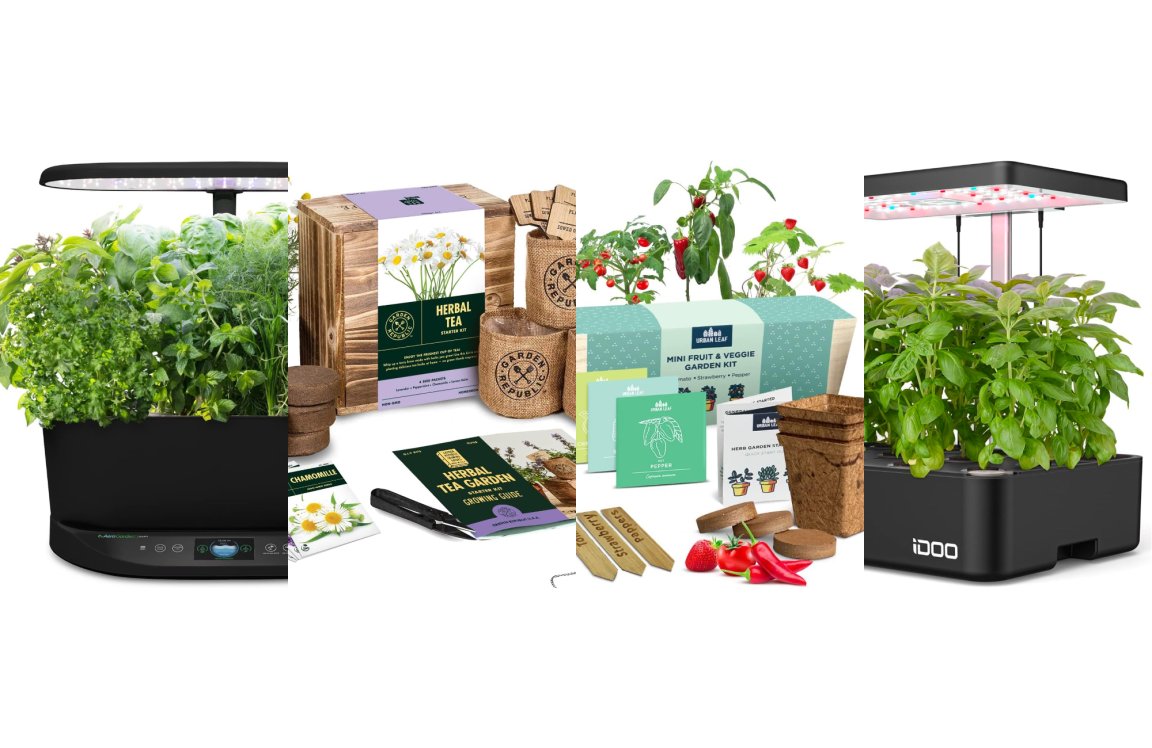
Credit: www.popsci.com
Signs Of Decline In Herb Gardens
Fading colors and wilting leaves signal a struggling herb garden. Watch for stunted growth or unusual spots on leaves. These signs often indicate a decline in your indoor herb garden’s health.
Noticing the subtle signs of decline in your indoor herb garden can be disheartening. You might find yourself wondering why your once-thriving basil or mint is now looking a bit under the weather. Understanding these indicators early on can save you time and effort, and help keep your herbs flourishing for longer.Identifying Health Issues
A key sign of trouble is yellowing leaves. This can indicate overwatering or nutrient deficiency. It’s crucial to check the soil moisture and adjust your watering schedule accordingly. Wilting is another clear sign. This might mean your herbs are thirsty or, conversely, drowning in excess water. Touch the soil to feel if it’s dry or soggy, and adapt your care routine. Observe for pests like aphids or spider mites. They can sap the life from your herbs before you even notice. Regular inspection and cleaning can prevent these tiny invaders.Reviving Struggling Plants
To revive a struggling herb, start by trimming away dead or yellow leaves. This not only improves the plant’s appearance but also encourages new growth. Consider repotting your herbs if they seem cramped in their current pot. Fresh soil and a larger space can give the roots more room to breathe and rejuvenate. Adjust light exposure. If your herbs are straining towards the light, they might need a sunnier spot. On the contrary, if they’re wilting under intense sun, a little shade can work wonders. Reviving your indoor herb garden can be a fulfilling challenge. Have you noticed these signs in your own garden? Take action now to breathe new life into your green companions.Enhancing Herb Garden Longevity
Keeping an indoor herb garden thriving requires some care and attention. Understanding how to enhance its longevity can make your garden flourish for a long time. By focusing on essential practices like pruning, harvesting, and seasonal care, you ensure that your herbs remain healthy and productive. Discover how these simple techniques can breathe life into your indoor garden.
Pruning And Harvesting Tips
Pruning helps herbs grow better and stay healthy. Trim the top leaves to encourage bushier growth. Use sharp scissors to avoid damaging the plant. Regular pruning prevents the plant from becoming too tall and spindly. Harvest herbs just before they flower for the best flavor. Always leave some leaves on the plant so it can continue to grow.
Seasonal Care Adjustments
Seasonal changes affect how herbs grow indoors. In winter, place herbs near a sunny window for enough light. Reduce watering in cooler months to prevent root rot. In summer, water more frequently and ensure proper ventilation. Rotate your plants for even sunlight exposure. Adjust the amount of water and sunlight based on the season to keep your herbs thriving.
Credit: www.theglobeandmail.com
Expert Tips For Herb Garden Success
Growing herbs indoors can be a rewarding experience. It brings a touch of nature into your home. To ensure your indoor herb garden thrives, it’s crucial to follow expert tips. These insights help in maintaining vibrant and healthy herbs.
With proper care, your herb garden can last for many months. Let’s explore some common mistakes to avoid and innovative techniques for longevity.
Common Mistakes To Avoid
Many people overwater their herbs. This leads to root rot. Ensure your pots have drainage holes. Use well-draining soil to prevent waterlogging. Another mistake is placing herbs in low light. Most herbs need around six hours of sunlight daily. Place them on a sunny windowsill for best results.
Avoid overcrowding your herbs. They need space to grow. Plant them in separate pots. This ensures they get enough nutrients. Also, neglecting to prune herbs can be a problem. Regular pruning encourages healthy growth and prevents them from becoming leggy.
Innovative Techniques For Longevity
Consider using self-watering pots. These pots regulate moisture levels. They prevent overwatering and keep herbs hydrated. Another technique is to use grow lights. These lights supplement natural sunlight, especially during winter months.
Rotate your plants regularly. This ensures even light distribution. Also, try using organic fertilizers. These provide essential nutrients without harming your herbs. Experiment with companion planting. Some herbs grow better when planted near each other. For example, basil and tomatoes make great companions.
Frequently Asked Questions
How Long Do Indoor Herb Gardens Typically Last?
Indoor herb gardens can last several months to years with proper care. The lifespan depends on the herb type, growing conditions, and maintenance. Common herbs like basil and mint may last a few months, while perennial herbs like rosemary can last years.
Regular pruning and watering extend their life.
What Factors Affect The Lifespan Of An Indoor Herb Garden?
Several factors influence an indoor herb garden’s lifespan, including light, water, and soil quality. Adequate sunlight or grow lights are essential for healthy growth. Consistent watering, without overwatering, ensures longevity. Using quality soil and proper drainage also enhances the lifespan of your herbs.
Can Indoor Herb Gardens Be Grown Year-round?
Yes, indoor herb gardens can thrive year-round with the right conditions. Providing consistent light, either natural or artificial, is crucial. Maintaining a stable indoor temperature and regular watering help sustain growth. Proper care ensures a continuous supply of fresh herbs throughout the year.
How Can I Extend The Life Of My Herbs?
To extend your herbs’ life, ensure they receive enough sunlight and proper watering. Pruning regularly encourages new growth and prevents legginess. Use quality potting soil and ensure good drainage. Rotate your plants occasionally for even light exposure, and feed them with a balanced fertilizer.
Conclusion
An indoor herb garden can thrive with the right care. Think about light, water, and temperature. Herbs can last for months or even years. Fresh herbs enhance cooking and bring joy. Regular attention keeps plants healthy and productive. Watch for growth changes.
Trim and harvest wisely. Enjoy the beauty and flavor they offer. Creating a routine helps maintain a lively garden. Remember, each plant has unique needs. Learn and adapt as your garden grows. A little effort goes a long way in sustaining your indoor herbs.
Keep nurturing, and your garden will reward you.