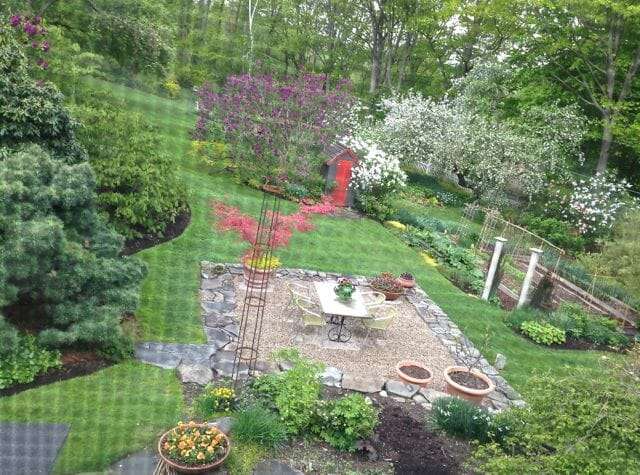
Imagine stepping into your backyard and being greeted by a vibrant oasis that reflects your personal style. Designing your garden can transform your outdoor space into a sanctuary that offers relaxation and beauty.
But where do you start? The thought of planning and creating a garden might feel overwhelming, but it doesn’t have to be. With the right guidance, you can turn your vision into reality. This article will walk you through the essential steps to start designing your garden, ensuring you create a space that feels both personal and inviting.
Whether you’re a seasoned gardener or a complete beginner, you’ll find practical tips that make the process enjoyable and rewarding. Let’s dive in and discover how you can start designing your dream garden today!
Choosing The Right Location
Selecting the right spot for your garden is essential. Consider sunlight, soil quality, and space availability. These factors ensure healthy plant growth and ease of maintenance.
Choosing the Right Location is crucial for a thriving garden. The spot you select will determine how well your plants grow. A good location offers ample sunlight and has suitable soil. These elements are essential for healthy plants and vibrant blooms.Assessing Sunlight And Shade
Identify areas in your garden with full sun exposure. Most plants need 6-8 hours of sunlight daily. Observe how sunlight changes throughout the day. Note shaded spots created by trees or buildings. Shade-loving plants thrive in less sunny areas. Balance both sun and shade for diverse plant choices.Considering Soil Conditions
Examine the soil in potential planting areas. Healthy soil supports robust plant growth. Test its texture and drainage capabilities. Sandy soil drains quickly, while clay retains moisture. Use a soil test kit to check nutrient levels. Amend the soil with compost or fertilizers if needed. Healthy soil leads to flourishing plants.Garden Style Inspiration
Designing your garden starts with envisioning the space. Consider the layout, plants, and colors that appeal to you. Sketch your ideas, then choose plants suited to your climate and soil.
Designing your garden can be an exciting journey, especially when you draw inspiration from different styles. Choosing a garden style sets the tone for your outdoor space and reflects your personality. Whether you lean towards clean lines or a riot of colors, understanding various garden styles can help you create a cohesive and inviting environment.Modern And Minimalist
Embrace simplicity with a modern and minimalist garden. This style focuses on clean lines and open spaces, creating a tranquil oasis. Think about using materials like concrete, steel, and glass for a sleek look. Consider plants that require minimal maintenance, such as succulents or ornamental grasses. They add texture without overwhelming the space. You might want to install geometric planters or a simple water feature to enhance the modern vibe. Lighting also plays a crucial role in this style. Opt for subtle, well-placed lights that highlight key features. Does your garden offer a sense of calm and order?Rustic And Natural
If you love the charm of countryside retreats, a rustic and natural garden might be your calling. This style emphasizes organic shapes and materials like wood and stone. It’s about creating a space that feels timeless and connected to nature. Incorporate native plants that thrive in your climate. They not only enhance the natural feel but also support local wildlife. Think about adding a cozy seating area with a wooden bench or a stone path that meanders through the greenery. Consider using repurposed materials for a sustainable touch. How can you bring a piece of nature’s rugged beauty into your backyard?Eclectic And Colorful
For those who love a splash of creativity, an eclectic and colorful garden offers endless possibilities. This style encourages you to mix and match different elements and colors. It’s a playground for your imagination. Choose a diverse range of plants with vibrant flowers and interesting foliage. Play with contrasting colors to create dynamic visual interest. You can add quirky garden ornaments or colorful pots to express your unique personality. Paths made of different materials or an unexpected sculpture can serve as focal points. Is your garden a reflection of your bold and adventurous spirit? Each garden style offers unique opportunities to express yourself and enjoy your outdoor space. Which style resonates with you the most?Creating A Layout Plan
Creating a layout plan helps to visualize your garden design. Begin by sketching your space, noting sunlight and shade areas. Consider plant types, paths, and focal points for a balanced design.
Creating a layout plan for your garden is the first step towards transforming your outdoor space into a personal paradise. Whether you’re dreaming of a vibrant flower garden, a tranquil Zen space, or a bountiful vegetable plot, a well-thought-out plan will set the stage for your creativity. By visualizing your ideas and organizing your thoughts, you can ensure your garden will be both beautiful and functional.Sketching Your Ideas
Start with a simple sketch. Grab a pencil and paper, and let your imagination flow. Draw the outline of your garden space, marking existing features like trees, fences, or pathways. Think about the elements you want to add. Do you envision a winding path, a small pond, or a cozy seating area? Sketch these elements in your layout, experimenting with different placements until you’re satisfied with the flow. Don’t worry about perfection. This is your creative playground. The goal is to capture your vision, not to create a masterpiece.Using Design Software
If you prefer a more precise approach, consider using garden design software. Many programs offer user-friendly interfaces with drag-and-drop features, allowing you to create detailed plans without needing artistic skills. Digital tools can help you visualize scale and proportion. You can easily adjust dimensions, try out different plant combinations, and even see seasonal changes in your layout. Software can also save time. Once your design is digital, it’s easy to make changes and explore multiple concepts without starting from scratch. By combining traditional sketching with modern technology, you can craft a garden plan that aligns with your vision and needs. Have you tried both methods? Which one sparked your creativity the most?Selecting Plants And Flowers
Choosing the right plants and flowers brings life to your garden design. Consider your climate and sunlight when selecting species. Mix colors and textures for visual interest, ensuring plants complement each other in growth and appearance.
Selecting the right plants and flowers is crucial in garden design. They set the mood and style of your outdoor space. The choices you make can influence the colors, textures, and overall ambiance. Consider factors like climate, soil, and space. Each plant has unique needs. Proper selection ensures a thriving garden. Dive into the details of plant types and varieties.Perennials Vs Annuals
Perennials bloom year after year. They require less planting effort. Popular choices include roses and lavender. They save time and money in the long run. Annuals bloom for one season. They offer vibrant colors and variety. Marigolds and petunias are common annuals. They add a fresh look every year. Choose based on your gardening goals. Balance long-term beauty with seasonal change.Native Plants
Native plants thrive in your local environment. They need less water and care. This makes them eco-friendly choices. Examples include coneflowers and hostas. They support local wildlife like bees and butterflies. They are resilient to local pests and diseases. This reduces the need for pesticides. Native plants enhance biodiversity. They bring a natural look to your garden. Consider them for a sustainable garden design.Incorporating Hardscape Elements
Enhance your garden design by integrating hardscape elements like pathways, patios, and retaining walls. These features provide structure, contrast, and visual interest, transforming outdoor spaces into functional and aesthetically pleasing areas. Choose materials that complement your plants and overall garden style for a cohesive look.
Designing a garden is an exciting journey where you transform a simple outdoor space into a personal oasis. Adding hardscape elements can elevate your garden from just a collection of plants to a well-rounded outdoor experience. These elements, like paths and water features, provide structure and function while enhancing beauty. They guide how you and your guests interact with the garden, offering both practical and aesthetic benefits.Paths And Walkways
Paths and walkways are more than just a way to get from point A to point B. They define how you navigate your garden, leading you through your personal paradise. Consider using materials like stone, gravel, or brick to create a path that complements your garden’s style. Think about the journey you want to create. Do you want a direct route or a meandering path that invites exploration? The choice of material affects not only the look but also the feel underfoot. Make sure your paths are wide enough for comfort. If you plan to walk with a companion, a path of at least three feet wide is ideal.Water Features
Water features introduce a soothing element to any garden. The sound of water trickling can create a peaceful ambiance and attract wildlife like birds and butterflies. Small gardens can benefit from a simple birdbath or a compact fountain. Larger spaces might accommodate a pond or waterfall. Maintenance is key. Choose a water feature that matches your willingness to clean and care for it. Low-maintenance options exist, ensuring your feature remains a joy and not a chore. Incorporating hardscape elements thoughtfully can transform your garden into a harmonious blend of nature and design. As you plan, consider how each element will enhance your outdoor experience and reflect your personal style. What’s the first step you’re excited to take in your garden’s transformation?
Credit: www.youtube.com
Adding Personal Touches
Incorporate personal touches by selecting plants that reflect your style and preferences. Arrange seating areas that invite relaxation and conversation. Add unique decorations like sculptures or colorful pots for a vibrant feel.
Adding personal touches to your garden can transform it from a simple outdoor space into a true reflection of your personality and style. Your garden should be a place where you feel at home, a sanctuary that speaks to who you are. Think about what makes you happy and relaxed. Is it a certain color, a piece of art, or a type of lighting? Adding these elements can make your garden uniquely yours.Garden Art And Decorations
Garden art is a fantastic way to express your creativity. From whimsical sculptures to elegant water features, the options are endless. Consider adding a colorful mosaic stepping stone that you made yourself. If you love painting, why not create a mural on a garden wall? Wind chimes can add a soothing sound to your space, and bird feeders can bring life and activity. Think about what draws your attention and use that as inspiration.Lighting And Ambiance
Lighting can dramatically change the mood of your garden, turning it into a cozy retreat after sunset. String lights draped around trees or fences add a magical glow. Solar-powered lamps are eco-friendly and can line your pathways, guiding your evening strolls. Consider using lanterns or candles to create a warm, inviting atmosphere. How does the idea of an outdoor fire pit sound for chilly evenings? The right lighting not only enhances the beauty of your garden but also extends the hours you can enjoy it.Maintaining Your Garden
Begin by envisioning the garden’s purpose and style. Consider space, sunlight, and soil to select suitable plants. Sketch a layout, balancing aesthetics and practicality for a harmonious design.
Maintaining your garden is essential for its beauty and health. Regular care keeps plants thriving and vibrant. It requires dedication but rewards with stunning blooms and lush greenery.Seasonal Care
Every season brings unique needs for your garden. Spring calls for planting and pruning. Summer requires watering and mulching. Fall focuses on cleaning and preparing for winter. Winter involves protecting plants from frost. Understanding these seasonal tasks ensures a flourishing garden year-round.Pest And Disease Management
Garden pests and diseases can harm your plants. Regular inspections help catch problems early. Use natural remedies like neem oil or garlic spray. Maintain clean garden beds to reduce infestations. Healthy plants resist pests better than weak ones. Prioritize your garden’s health for effective management.
Credit: www.youtube.com
Sustainable Gardening Practices
Design your garden with sustainable practices by choosing native plants. They require less water and support local wildlife. Use compost to enrich the soil naturally, reducing the need for chemical fertilizers. Opt for rainwater harvesting to conserve water and maintain your garden efficiently.
Sustainable gardening practices are not just about growing beautiful plants—they’re about creating a garden that benefits the environment and conserves resources. By adopting these practices, you can reduce your garden’s impact on the planet and support local ecosystems. Let’s dive into some actionable steps you can take to start your journey towards a sustainable garden.Water Conservation Techniques
Water is a precious resource, and using it wisely in your garden is crucial. Consider installing a rain barrel to collect rainwater from your roof. This collected water can be used to hydrate your plants during dry spells. Drip irrigation systems are another excellent way to conserve water. They deliver water directly to the roots, minimizing waste and ensuring your plants get exactly what they need. Additionally, mulching your garden beds helps retain soil moisture, reducing the need for frequent watering.Composting And Soil Health
Healthy soil is the foundation of a thriving garden. Composting is a simple way to enrich your soil with nutrients while reducing kitchen waste. Start a compost pile with vegetable scraps, coffee grounds, and garden trimmings. Regularly turning your compost pile helps speed up the decomposition process. Once it’s ready, add it to your garden beds to improve soil structure and fertility. Healthy soil not only supports robust plant growth but also enhances your garden’s ability to retain water and nutrients. By embracing these sustainable practices, you can create a garden that flourishes while being kind to the environment. What other steps can you take to ensure your garden thrives sustainably?
Credit: www.facebook.com
Frequently Asked Questions
What Tools Do I Need To Design My Garden?
To design your garden, gather tools like a measuring tape, garden planner, and sketchpad. Use online design tools for inspiration and planning. Having a shovel, rake, and pruning shears helps in implementing your design.
How Do I Choose Plants For My Garden?
Choose plants based on your garden’s climate, soil type, and sunlight exposure. Consider native plants for easy maintenance. Use a mix of perennials and annuals for year-round color.
Can I Design A Garden On A Budget?
Yes, designing a garden on a budget is possible. Reuse materials and buy plants during sales. Start small and gradually expand your garden. Consider DIY elements like homemade compost and recycled containers.
How Do I Plan Garden Layout Efficiently?
Begin by sketching a rough layout, considering pathways, seating areas, and plant beds. Ensure balance and symmetry in design. Use graph paper or garden design software for precise planning.
Conclusion
Designing your garden can be a rewarding journey. Start with clear goals. Consider the climate and soil type. Choose plants that thrive locally. Sketch a simple layout for guidance. Use a mix of colors and textures. Add pathways for easy access.
Don’t forget seating areas for relaxation. Water features can add tranquility. Lighting extends garden enjoyment into the evening. Regular maintenance keeps your garden vibrant. Enjoy each step of the process. Your garden will reflect your personal style. Happy gardening!







