Imagine having fresh basil, mint, or cilantro at your fingertips, ready to transform any meal from ordinary to extraordinary. That’s the magic of an indoor herb garden.
But if you’re worried about keeping it alive, you’re not alone. Many people feel challenged when it comes to nurturing plants indoors. You’re probably wondering how to prevent those herbs from wilting away or turning brown. You might be asking yourself: Is it the lighting, the watering, or something else entirely?
The good news is, with a few simple tips, you can turn your home into a thriving green haven. Understanding what your plants need and when they need it can make all the difference. Let’s dive into the essentials that will ensure your herb garden flourishes, bringing freshness and flavor to your kitchen all year round. Ready to discover the secrets to a lively indoor herb garden?

Credit: food52.com
Choosing The Right Herbs
Choosing the right herbs is crucial for a thriving indoor herb garden. Different herbs have unique needs for light, water, and space. Selecting herbs that suit your environment and lifestyle can make the growing process much easier and more successful. Consider your indoor conditions before picking herbs to ensure they flourish and provide fresh flavors.
Popular Indoor Herbs
Some herbs are favorites for indoor gardening due to their easy maintenance and versatile uses.
- Basil:Great for cooking. Needs lots of sunlight and regular watering.
- Mint:Refreshing and aromatic. Thrives in indirect light and moist soil.
- Parsley:Ideal for garnishes. Requires moderate sunlight and frequent trimming.
- Cilantro:Perfect for salads. Prefers cooler temperatures and consistent watering.
- Thyme:Hardy and fragrant. Enjoys bright light and dry soil between waterings.
Best Herbs For Beginners
If you’re new to gardening, some herbs are easier to start with. They are forgiving and can adapt to varying conditions.
- Chives:Low maintenance. Suitable for beginners with minimal care needed.
- Oregano:Resilient herb. Tolerates different levels of light and water.
- Sage:Easy to grow. Requires little attention and grows well indoors.
- Rosemary:Sturdy and aromatic. Needs bright light but tolerates dry conditions.
Choosing these herbs can provide a good start and encourage you to expand your indoor garden.
Optimal Light Conditions
Keeping an indoor herb garden alive requires understanding optimal light conditions. Light is the key element for healthy growth. Proper lighting ensures herbs grow lush and flavorful. Without the right light, plants may become weak and thin.
Natural Light Sources
Natural light is the best choice for herbs. Place your garden near a south-facing window. This direction receives the most sunlight. East and west windows are also good options. They provide morning and afternoon light. North-facing windows get the least light. Avoid placing herbs there if possible.
Rotate your plants regularly. This ensures even light exposure. Check for any shadows or obstructions. Move plants if needed to maximize sunlight. Clean the windows to let more light in. Dust and dirt can block precious rays.
Artificial Lighting Options
Not all homes have enough natural light. Artificial lights can help. Choose LED grow lights for energy efficiency. They emit the right spectrum for plant growth. Fluorescent lights are another option. They are affordable and effective. Place the lights 6-12 inches above the plants. Adjust as your herbs grow taller.
Set a timer for your lights. Herbs need 12-16 hours of light daily. Turn lights off at night to mimic natural cycles. Ensure the lights cover all parts of the garden. Shadows can lead to uneven growth. Consider using reflective surfaces around the plants. This can help distribute light evenly.
Watering Techniques
Watering your indoor herb garden is vital for its survival and growth. Each herb has its own water needs. Understanding these needs helps keep your plants healthy. Let’s explore the best watering techniques for your indoor herb garden.
Signs Of Overwatering
Overwatering is a common issue in indoor herb gardening. Look for yellowing leaves as a sign. Soft, mushy stems also indicate too much water. Mold on the soil surface is another warning. Check for a musty smell around the plants. All these signs mean it’s time to adjust your watering habits.
Proper Watering Schedule
Establishing a consistent watering schedule is crucial. Most herbs prefer slightly dry soil between waterings. Use your finger to check the soil moisture. Stick it an inch deep into the soil. If it feels dry, it’s time to water. Water until you see it draining from the pot’s bottom. Avoid letting herbs sit in water to prevent root rot.
Soil And Pot Selection
Keeping an indoor herb garden flourishing is a rewarding endeavor that brightens your space and enhances your cooking. A crucial aspect of maintaining healthy herbs is selecting the right soil and pots. This choice can make or break your gardening success, as the wrong type can stifle growth or even kill your plants. Let’s delve into how to choose the perfect soil and pots to ensure your herbs thrive indoors.
Ideal Soil Types
Your herbs need a specific type of soil to flourish. Aim for a lightweight mix that drains well. Herbs such as basil, mint, and parsley prefer soil that retains moisture but doesn’t become waterlogged.
Consider using a potting mix with perlite or vermiculite. These additives improve aeration and drainage, preventing root rot. They also keep the soil loose, allowing roots to spread easily.
If you’ve ever noticed your herbs looking droopy, it might be due to poor soil conditions. It’s vital to choose a soil mix that balances nutrients and moisture. Think about how often you water. Are you over-watering because the soil isn’t draining well?
Choosing The Right Pot
The pot you choose can significantly impact your herbs’ health. Opt for pots with drainage holes to prevent water accumulation, which can lead to root decay.
Consider the size of the pot. A pot that’s too small can restrict root growth and cause stress to your plants. On the other hand, overly large pots may hold excess water, risking root rot.
Materials matter, too. Terra cotta pots are breathable and help prevent over-watering, but they may dry out faster. Plastic pots retain moisture well, but they might not offer the best aeration. What’s your priority—drainage or moisture retention?
Temperature And Humidity Control
Maintaining the right temperature and humidity is vital for a thriving indoor herb garden. Ensure your plants receive consistent warmth and moisture. Proper control prevents wilting and promotes healthy growth.
Keeping an indoor herb garden alive requires attention to several key factors, with temperature and humidity being among the most crucial. These elements can significantly impact the health and growth of your herbs. By understanding and controlling these conditions, you’ll ensure your indoor garden thrives and continues to provide fresh, flavorful herbs year-round.Maintaining Indoor Temperature
The temperature inside your home plays a pivotal role in the success of your indoor herb garden. Most herbs prefer temperatures between 65°F and 75°F. It’s vital to avoid placing your herbs near drafty windows or heating vents, as sudden temperature changes can stress the plants. Consider using a small thermometer to monitor the temperature around your herbs. This simple tool helps you keep an eye on fluctuations that could affect growth. If your home is particularly cold, a heat mat can provide the warmth your herbs need.Humidity Levels For Herbs
Herbs thrive in environments with moderate humidity levels. Most indoor settings, especially during winter, tend to be too dry for these plants. You can increase humidity by misting your herbs regularly or placing a small humidifier nearby. Grouping your herbs together can also help maintain the right humidity level. When plants are close, they create a microenvironment that boosts humidity naturally. Ask yourself: Is the air in your home too dry for your herbs? It’s also beneficial to place a shallow tray of water near your herb garden. As the water evaporates, it adds moisture to the air, creating a more hospitable environment for your plants. Remember, your herbs are counting on you to provide the right balance of warmth and moisture.Pest Management
Protecting your indoor herb garden from pests is vital for its survival. Regularly check plants for signs of infestation. Use natural solutions like neem oil to ward off unwanted insects.
Maintaining a thriving indoor herb garden goes beyond just watering and sunlight. Pest management is crucial to keeping your herbs healthy and vibrant. Indoor plants are not immune to pests, and you might find yourself battling tiny invaders intent on feasting on your precious herbs. Taking proactive steps can save you from the frustration of watching your plants suffer. Here’s how to manage those pesky pests and keep your indoor herb garden flourishing.Common Indoor Pests
Even within the confines of your home, your herb garden can attract unwanted guests. Some of the most common pests you might encounter include aphids, spider mites, and fungus gnats. These tiny creatures can wreak havoc if left unchecked. Aphids often cluster on new growth, leaving a sticky residue known as honeydew. Spider mites are so small they might be mistaken for dust, yet they spin delicate webs that can cover your plants. Fungus gnats, on the other hand, thrive in moist soil, and their larvae can damage roots. Recognizing these pests early is key to managing them effectively.Natural Pest Control Methods
You don’t need harsh chemicals to protect your herbs from pests. Natural methods can be just as effective and are safer for both you and your plants. One simple way to deter pests is to introduce beneficial insects like ladybugs, which feast on aphids and mites. Another effective method is using neem oil. Mix a few drops with water and spray it on the leaves of your plants. This natural pesticide disrupts the life cycle of many pests without harming your herbs. You can also try creating a homemade insecticidal soap. Combine a few teaspoons of mild liquid soap with water and spray directly onto pests. This solution suffocates insects and can be a quick fix for small infestations. Regularly inspecting your plants can also help catch pest problems early. Look under leaves and along stems for any signs of trouble. Keeping your herbs clean and removing dead leaves can prevent pests from setting up shop. By staying vigilant and using these natural strategies, you can keep your indoor herb garden healthy and pest-free. What other natural methods have you tried to keep your herbs safe from pests?Pruning And Harvesting
Regular pruning keeps herbs healthy and encourages new growth. Harvest herbs frequently to prevent them from becoming overgrown.
Pruning and harvesting are crucial for maintaining a thriving indoor herb garden. These practices not only keep your herbs healthy but also encourage new growth. Knowing the right techniques and timing can make a significant difference in your garden’s success.When To Prune
Pruning your herbs regularly can prevent them from becoming leggy and unkempt. The best time to prune is when your herbs have reached a height of about six inches. Look for leaves that are wilting or turning yellow. Removing these will help your plant focus energy on producing new leaves. Pruning early in the day ensures the plant has time to recover before the evening.Harvesting Techniques
Knowing how to harvest your herbs is as important as knowing when. Use sharp scissors to avoid damaging the plant, and cut just above a leaf node. Always harvest from the top, leaving at least two-thirds of the plant intact. This encourages bushier growth and ensures continuous production. Consider rotating your harvests among different plants. This allows each to rest and regrow, keeping your indoor garden lush and productive. Are there any herbs you find particularly challenging to prune or harvest? Your experiences could be the key to unlocking a more fruitful herb garden.
Credit: food52.com
Long-term Care Strategies
Proper sunlight and watering keep herbs healthy indoors. Regular trimming helps growth. Using quality soil and pots ensures longevity.
Long-term care strategies are essential for keeping your indoor herb garden thriving throughout the year. Many indoor gardeners find that while starting a herb garden is exciting, maintaining it can be a bit challenging. The key is to adapt to the changing needs of your plants and address any issues promptly. This ensures that your herbs not only survive but flourish over time.Seasonal Care Adjustments
Indoor herb gardens still experience seasonal changes, even if they’re not as drastic as those outdoors. During winter, you might notice slower growth due to less sunlight. Consider moving your herbs closer to a south-facing window or supplementing with a grow light. In the summer, increased sunlight and warmth can boost growth, but it also means more frequent watering. Make sure the soil remains consistently moist but not waterlogged. Adjusting your care routine to match the seasons keeps your herbs healthy and vibrant.Reviving Stressed Plants
Sometimes, despite your best efforts, herbs might look a bit under the weather. Yellowing leaves or stunted growth can be signs of stress. First, check if the plant is getting enough light and water. If your herb is still struggling, inspect for pests or diseases. Pruning damaged leaves can help the plant direct energy to healthier parts. Have you tried adjusting the soil or adding a bit of fertilizer? Small tweaks can lead to a big revival. Engaging with your herbs regularly helps you notice these issues early. What strategies have you found effective in reviving your stressed plants? Share your tips and keep the conversation growing!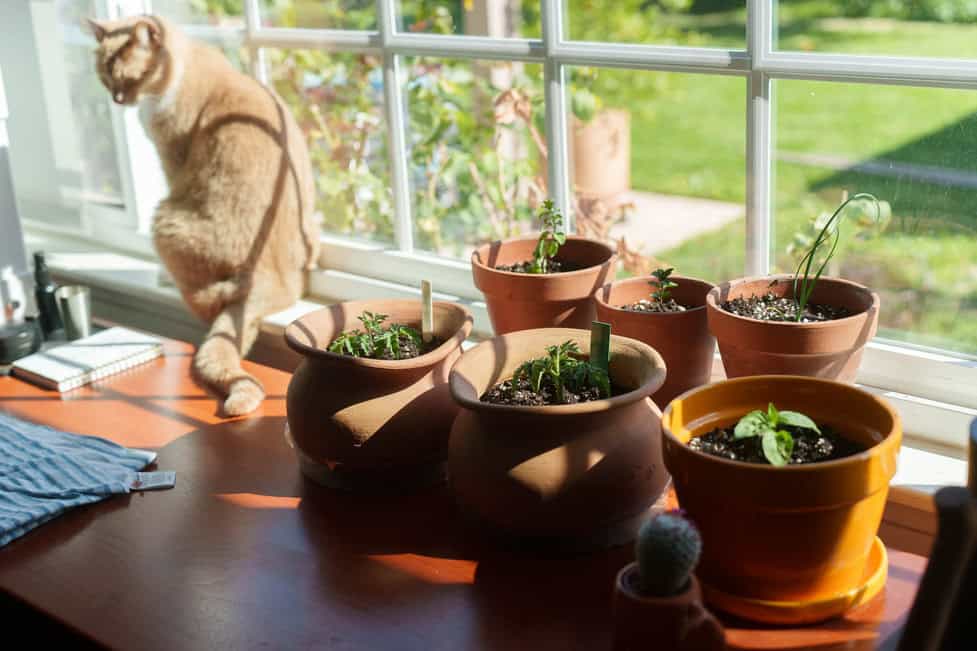
Credit: www.hungryhuy.com
Frequently Asked Questions
How Often Should I Water My Indoor Herbs?
Water your indoor herbs when the soil feels dry to touch. Most herbs prefer well-drained soil, so avoid overwatering. Generally, watering once a week is sufficient, but it varies with the type of herb and indoor climate. Monitor your plants to ensure they receive adequate moisture without becoming soggy.
Which Herbs Are Best For Indoor Gardening?
Basil, mint, and thyme are ideal for indoor gardening. They thrive in pots and require minimal care. These herbs adapt well to varying light conditions. Choose herbs based on space, light availability, and your cooking preferences. Experiment with different herbs to find the ones that suit your indoor environment best.
How Do I Ensure Proper Sunlight For Herbs?
Place your herb garden near a sunny window that receives at least 6 hours of sunlight daily. South-facing windows are ideal for most herbs. If natural light is insufficient, consider using grow lights. Rotate your plants weekly to ensure even light exposure, promoting healthy growth.
What Type Of Soil Is Best For Herbs?
Use well-draining potting soil mixed with perlite or sand for your herbs. This mixture ensures adequate drainage, preventing root rot. Avoid garden soil, as it may compact easily, hindering growth. Purchase specialized herb potting mix for best results. Regularly check soil moisture to maintain optimal conditions.
Conclusion
Growing an indoor herb garden can be rewarding and fun. Keep your herbs thriving by ensuring they receive enough sunlight. Water them properly, but don’t overdo it. Use well-draining soil to prevent root rot. Trim your herbs regularly to encourage growth.
Choose pots with drainage holes for best results. Pay attention to temperature and humidity levels in your home. Keep pests away with natural remedies when needed. With a little care and attention, your herbs will flourish, providing fresh flavors for your kitchen.
Enjoy the satisfaction of growing your own herbs indoors. Happy gardening!







