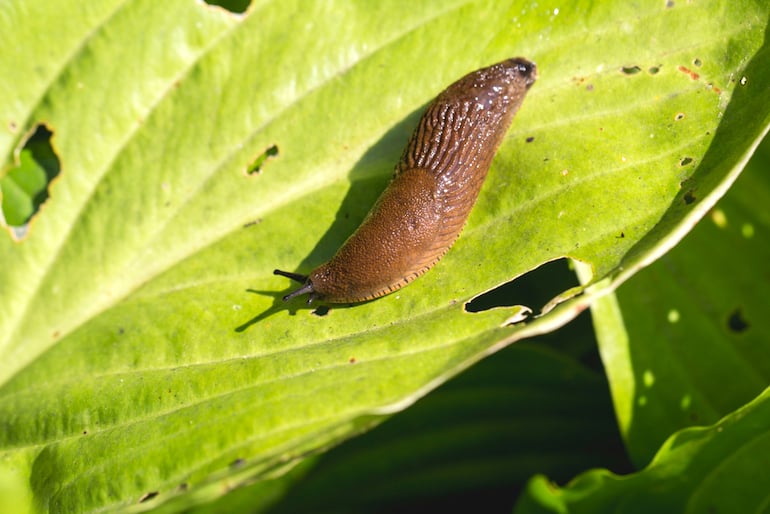
Imagine stepping into your garden, eagerly anticipating the vibrant blooms and lush greenery that you’ve nurtured with care. But instead, you find holes in leaves, chewed stems, and a patch of destruction.
You might wonder, “Who is responsible for this mess? ” If you’re noticing these signs, it could be the work of one sneaky culprit: slugs. These slimy invaders are notorious for munching on garden plants, leaving gardeners like you frustrated and searching for solutions.
Are slugs feasting on your garden treasures? And, if so, what can you do to protect your plants? You’ll uncover the truth behind slugs’ appetites and discover effective strategies to keep your garden safe and thriving. Get ready to reclaim your garden sanctuary!
Slug Behavior
Understanding slug behavior is vital for gardeners. Slugs are fascinating creatures with unique habits. Their presence in gardens is often unwelcome, yet they play a role in the ecosystem. Knowing their behavior helps in managing their impact on plants.
Dietary Preferences
Slugs enjoy a variety of plants. They prefer tender leaves and stems. Lettuce, spinach, and cabbage are among their favorites. They are drawn to decaying matter, aiding decomposition. This adds nutrients back to the soil. Slugs avoid tough or waxy leaves. They opt for easy-to-chew plants.
Activity Patterns
Slugs are mainly active at night. They thrive in moist environments. Rainy weather enhances their activity. During the day, they hide under leaves or rocks. Cool temperatures and humidity keep them active. They move slowly, leaving a trail of slime. This trail helps them navigate the garden.
Common Plant Targets
Slugs often feast on tender garden plants, causing significant damage. Lettuce, strawberries, and hostas are common targets for these pests. Protecting your plants from slugs involves regular monitoring and employing effective barriers.
Slugs, those stealthy night-time invaders, often leave gardeners frustrated by their feeding habits. Their voracious appetites can wreak havoc on your carefully nurtured plants, leading to unsightly damage and stunted growth. Understanding which plants are most vulnerable can help you protect your garden and ensure a thriving, slug-free space.Vegetables And Herbs
Slugs have a particular fondness for tender vegetables and herbs, making them frequent targets in your garden. Leafy greens like lettuce, spinach, and cabbage are often among the first casualties. These plants offer soft, succulent leaves that slugs can’t resist. Herbs such as basil and parsley, with their delicate foliage, also fall victim to these slimy pests. It’s disheartening to see your kitchen garden ravaged overnight. Consider planting these favorites in raised beds or pots to make it harder for slugs to reach them.Ornamental Plants
Beyond your vegetable patch, slugs also have a taste for certain ornamental plants. Hostas, with their lush, broad leaves, are almost irresistible to slugs. The damage often appears as ragged holes, leaving the plant looking tattered and worn. Delphiniums and dahlias also find themselves on the slug menu. Their colorful blooms and tender stems are easy targets. Protect these beauties by using barriers or slug-repelling plants nearby. Have you considered implementing natural deterrents like coffee grounds or eggshells around your ornamental plants? These methods can be surprisingly effective at keeping your garden looking its best.Signs Of Slug Damage
Slugs can be a gardener’s nightmare. Their presence often goes unnoticed until your plants show clear signs of distress. Identifying slug damage early can save your garden from severe harm. Understanding these signs helps in managing their impact effectively.
Leaf Holes And Trails
Slugs leave behind distinctive leaf holes. These holes are irregular and can be seen on various parts of the plant. Slugs eat through the foliage, leaving jagged edges. You might also notice silvery trails on leaves. These trails are dried slime, a sure sign of slug activity. They often appear overnight, glistening in the morning sun.
Seedling Destruction
Seedlings are especially vulnerable to slugs. These pests target young plants, often eating them entirely. A missing seedling or a stem without leaves indicates slug damage. Slugs can reduce your seedling population rapidly. Protecting seedlings is crucial for a successful garden.

Credit: www.housebeautiful.com
Natural Deterrents
Slugs can be a real nuisance for garden enthusiasts. They munch on plants, leaving gardens looking less than vibrant. Natural deterrents offer a sustainable way to keep slugs at bay. These eco-friendly methods not only protect your plants but also enhance the garden’s biodiversity. Let’s explore some effective natural deterrents.
Beneficial Insects
Introducing beneficial insects can help control slug populations. Predatory beetles are excellent allies in this battle. They feed on slugs and other garden pests. Ladybugs and ground beetles work wonders too. They thrive in healthy ecosystems and keep slug numbers down. Encourage these insects by providing shelter and food. Leaf piles and compost heaps are ideal habitats. This creates a balanced environment where slugs are less likely to thrive.
Companion Planting
Companion planting is a strategic way to deter slugs. Certain plants naturally repel slugs. Garlic and chives emit strong scents that slugs dislike. Plant these alongside vulnerable crops. Marigolds are another effective choice. Their aroma deters slugs and attracts beneficial insects. Lavender works similarly, adding beauty and fragrance to the garden. Companion planting not only wards off slugs but also promotes healthy plant growth. It fosters a diverse garden ecosystem, reducing the risk of pest infestations.
Preventive Measures
Slugs can damage garden plants by feeding on leaves and stems. Natural barriers, like crushed eggshells, deter them effectively. Regularly remove debris and weeds to minimize slug hiding spots.
Preventing slugs from munching on your garden plants is crucial. These slimy creatures can wreak havoc on your beautiful plants. Implementing preventive measures helps keep them at bay. With the right strategies, you can protect your garden effectively.Barriers And Traps
Creating barriers is a simple way to deter slugs. Use copper tape around pots and garden beds. Slugs dislike the electric charge it gives them. Eggshells can also act as a barrier. Crush them and spread around plants. They are sharp and uncomfortable for slugs to crawl over. Traps are another effective method. Beer traps are popular. Bury a container at soil level and fill it with beer. Slugs are attracted to the smell and will drown. You can also use grapefruit halves. Place them upside down near plants. Slugs will gather underneath them. Check traps regularly and dispose of slugs.Watering Techniques
The way you water your garden affects slug presence. Water in the morning instead of evening. This allows the soil to dry by night. Slugs prefer moist environments, so dry soil deters them. Drip irrigation is a great option. It waters plants directly at the roots. This keeps the surrounding soil drier. Less moisture means fewer slugs. Avoid overwatering as it creates a slug-friendly environment. Adjust your watering schedule based on weather conditions.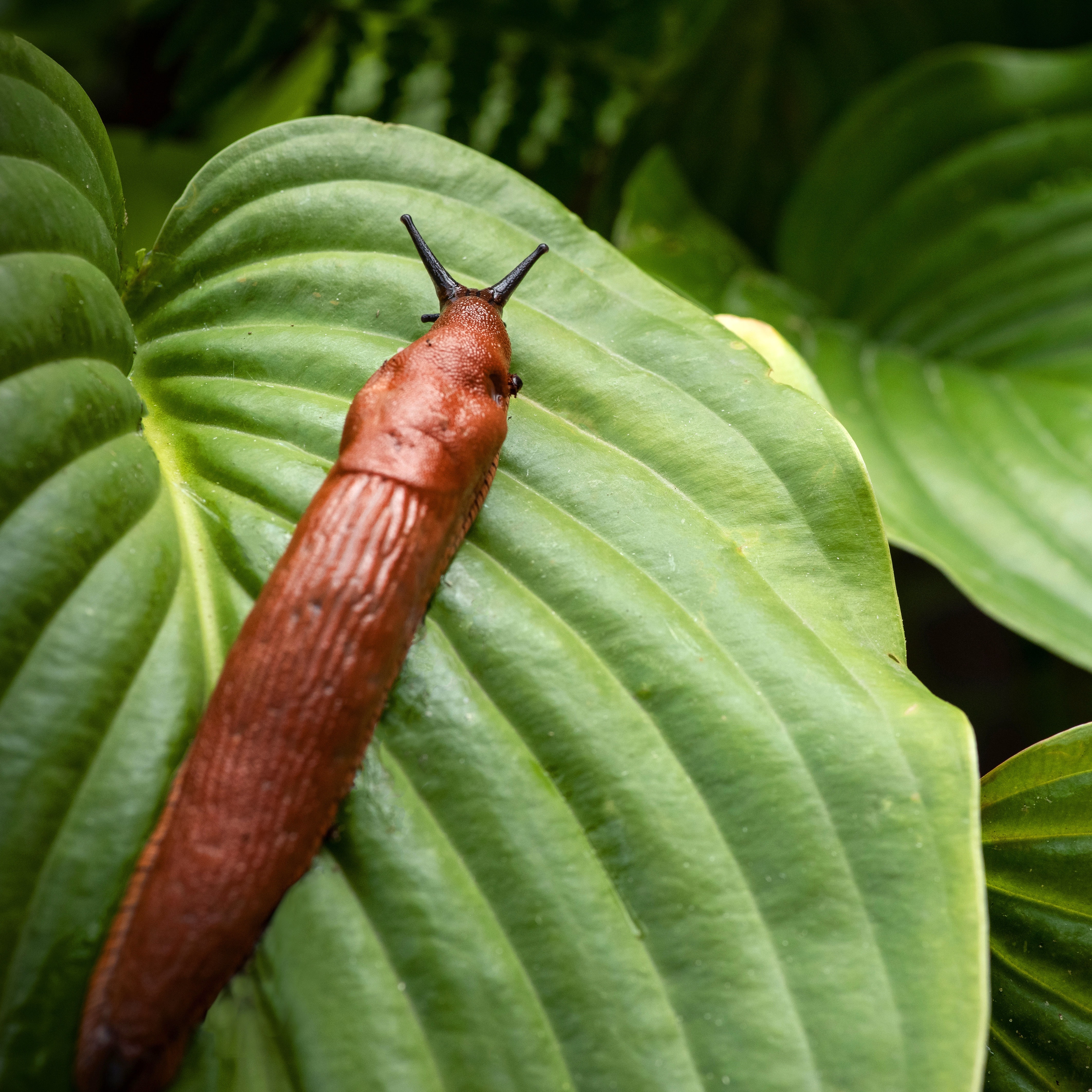
Credit: www.gardeningknowhow.com
Chemical Solutions
Slugs often damage garden plants by eating leaves and stems. They leave behind noticeable holes and slime trails. Chemical solutions can help protect your garden by repelling or eliminating these pests.
Chemical solutions can help protect your garden from slug damage. They offer targeted ways to control slug populations and keep your plants safe. Knowing about these methods allows gardeners to make informed choices.Slug Pellets
Slug pellets are a common chemical solution for slug control. These small pellets contain substances that are toxic to slugs. When slugs consume them, they stop feeding on plants. This reduces damage to your garden. Many gardeners use pellets because they are easy to spread. It’s crucial to read the instructions on the package. This ensures safe and effective use. Keep pellets out of reach of pets and children. Some pellets contain metaldehyde, which is harmful if ingested.Organic Options
Organic options provide a safer alternative to traditional slug pellets. These pellets often use iron phosphate as the active ingredient. Iron phosphate is less toxic to wildlife and pets. It disrupts the slug’s digestive system without harming the environment. Organic pellets break down into natural components. This makes them a more eco-friendly choice for your garden. Always check the label to ensure the product is certified organic. This confirms it meets specific safety and environmental standards.Encouraging Natural Predators
Encouraging natural predators can help control slugs in your garden. Slugs often feed on garden plants, causing damage. Inviting creatures like birds and frogs can naturally reduce slug populations, promoting healthier plants.
Encouraging natural predators in your garden can help control slug populations. These predators can reduce the need for chemical solutions. They form a balanced ecosystem that benefits your plants.Birds And Frogs
Birds and frogs are excellent slug predators. Install bird feeders to attract birds to your garden. Birds like thrushes and starlings eat slugs. Also, create a frog-friendly environment. A small pond or water feature can invite frogs. Frogs naturally hunt slugs, keeping their numbers down.Ground Beetles
Ground beetles are another natural ally against slugs. These beetles patrol the soil, hunting slugs and their eggs. Encourage ground beetles by maintaining a healthy garden habitat. Avoid using pesticides that can harm them. Mulching and leaving leaf litter can provide them with shelter. Ground beetles thrive in these environments and will help protect your plants.Maintaining Plant Health
Slugs can be a threat to garden plants. These slimy creatures munch on leaves, stems, and flowers. Protecting your garden from slugs ensures healthier plants and vibrant blooms.
Maintaining the health of your garden plants is crucial in deterring slugs from making a feast of your greenery. Healthy plants are more resilient and less appealing to these slimy invaders. By focusing on the essentials of plant care, you can create an environment where slugs are less likely to thrive.Soil Quality
Quality soil is the foundation of plant health. Ensure your soil is rich in nutrients and well-drained. You can enhance soil quality by adding organic matter like compost. This not only improves nutrient content but also helps maintain moisture levels, which slugs dislike. Consider conducting a soil test to understand its pH level and nutrient composition. Adjusting these factors can significantly boost your plants’ vitality, making them less attractive to slugs.Regular Monitoring
Keep a close eye on your garden with regular monitoring. Frequent checks allow you to spot slug activity early. Look for signs such as slime trails and irregular holes in leaves. Early detection can prevent significant damage. Engage with your garden frequently. Walk through it at different times of the day. This practice not only helps you catch slugs in action but also deepens your connection with your plants. Would you rather spend a few minutes daily inspecting your garden, or hours trying to revive decimated plants? Regular monitoring is a small investment for a lush, thriving garden.
Credit: uk.news.yahoo.com
Frequently Asked Questions
Do Slugs Damage Garden Plants?
Yes, slugs can significantly damage garden plants. They feed on leaves, stems, and roots, often leaving holes. This can weaken plants, stunt growth, and make them more vulnerable to diseases. Slugs are particularly attracted to young plants and seedlings, causing more harm during the growing season.
How Can I Prevent Slug Infestations?
Prevent slug infestations by using barriers like copper tape or diatomaceous earth. Regularly remove debris and weeds to reduce hiding spots. Organic options include using nematodes or setting beer traps. Encourage natural predators like birds and hedgehogs, which help control slug populations effectively.
What Attracts Slugs To Gardens?
Slugs are attracted to gardens with moist conditions and abundant organic matter. They prefer shaded areas and feed on tender plants, seedlings, and decaying matter. Overwatering can increase slug presence, as they thrive in damp environments. Compost piles and mulched areas also attract slugs.
Are Slugs Harmful To Edible Plants?
Yes, slugs are harmful to edible plants. They feed on leaves and fruits, reducing harvest quality and yield. Slug damage can lead to secondary infections and diseases. Protect your edible plants using barriers, traps, and natural predators to minimize slug-related harm.
Conclusion
Slugs can cause problems in your garden. They munch on leaves, flowers, and stems. This damages your plants and may stunt their growth. To protect your garden, try natural methods like barriers or organic repellents. Regularly check your plants for signs of slug activity.
Remove them by hand if needed. Encourage natural predators like birds or frogs. These steps can help maintain a healthy garden. With care and vigilance, your plants can thrive despite the threat of slugs. Happy gardening!







