Imagine stepping into your home and being greeted by lush greenery, vibrant blooms, and the calming scent of fresh plants. You can transform your living space into a thriving indoor garden that not only enhances your home’s aesthetic but also boosts your mood and air quality.
Whether you have a spacious apartment or a cozy corner, cultivating an indoor garden is a rewarding venture that you can start today. You’ll discover practical tips and secrets to creating a successful indoor garden. You’ll learn how to choose the right plants, master the art of watering, and optimize your space for growth.
With the right guidance, your indoor garden can flourish, offering you a slice of nature indoors. Are you ready to turn your home into a green oasis? Dive in and find out how you can make it happen.

Credit: www.yahoo.com
Choosing The Right Plants
Creating a thriving indoor garden begins with selecting the right plants. Choosing plants that suit your environment and lifestyle can make all the difference in their growth and your enjoyment. From light levels to maintenance needs, there are many factors to consider. Let’s delve into the specifics of selecting plants that will flourish in your indoor space.
Best Plants For Indoor Gardening
Many plants adapt well to indoor conditions, offering beauty and air purification. Some top choices include:
- Snake Plant:Known for its resilience, it thrives in low light and requires minimal watering.
- Peace Lily:With its glossy leaves and white flowers, it prefers medium to low light and helps clean the air.
- Pothos:A beginner-friendly plant, it grows well in various lighting conditions and is forgiving if you miss a watering.
- Spider Plant:Easy to care for and known for its air-purifying qualities, it does well in indirect light.
Why not start with one or two of these plants and see how they transform your space?
Understanding Plant Needs
Each plant has unique requirements for light, water, and humidity. Assess your living space for natural light availability. Many indoor plants prefer indirect sunlight, so consider placing them near windows with sheer curtains.
Think about your schedule. Can you water regularly, or do you need a low-maintenance plant? Snake plants and succulents, for instance, are perfect for those who might forget to water often.
Also, consider the humidity levels in your home. Tropical plants like the Peace Lily thrive in higher humidity, which can be easily achieved with a small humidifier or by grouping plants together.
By understanding and catering to these needs, you set the stage for a successful indoor garden. Are you ready to bring some green into your home?
Credit: agriscaping.com
Creating The Ideal Environment
Creating the Ideal Environment Design a thriving indoor garden by ensuring proper light, consistent watering, and good air circulation. Choose plants suited for indoor conditions and use quality soil to promote healthy growth.
Creating an ideal environment is key for a thriving indoor garden. Plants need the right conditions to grow strong and healthy. This involves managing several factors, including light, temperature, and humidity. Each element plays a crucial role in plant health. By optimizing these conditions, you can enjoy lush, vibrant plants indoors. Let’s explore how to create the perfect setting for your indoor garden.Lighting Options For Indoor Gardens
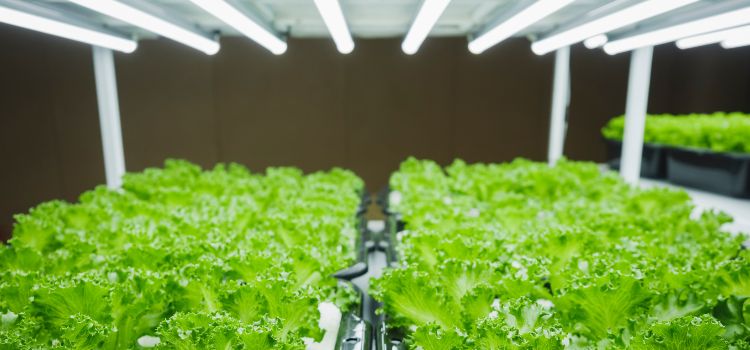
Light is vital for plant growth. Indoor gardens require specific lighting solutions. Natural sunlight might not be sufficient for all plants. Consider these lighting options:- LED Grow Lights:Energy-efficient and produce less heat. Suitable for most plants.
- Fluorescent Lights:Great for small spaces. Ideal for seedlings and leafy greens.
- Incandescent Lights:Less efficient. Use for low-light plants only.
Temperature And Humidity Control
Temperature and humidity influence plant health. Most plants prefer temperatures between 65°F and 75°F. Sudden changes can stress plants. To maintain ideal temperature:- Keep plants away from heaters or air conditioners.
- Use a thermostat for consistent temperatures.
- Use a humidifier for dry conditions.
- Place plants on trays with water and pebbles.
- Ensure good air circulation to prevent mold.
Soil And Pot Selection
Choosing the right soil and pot is crucial for indoor gardening success. Select soil that drains well and pots that fit your plants’ sizes. Proper selection ensures healthy growth and thriving indoor plants.
Creating a thriving indoor garden starts with the right soil and pot selection. These foundational elements play a crucial role in ensuring your plants get the nutrients and support they need. Understanding how to choose quality soil and suitable pots can make the difference between plants that flourish and those that falter.Choosing Quality Soil
Selecting the right soil is like giving your plants a strong start in life. Opt for a high-quality potting mix specifically designed for indoor plants. Such mixes are typically lightweight and provide excellent drainage, essential for preventing root rot. Look for a mix that contains ingredients like peat moss, perlite, and vermiculite. These components help retain moisture while allowing excess water to escape. Avoid garden soil, which is often too heavy and may harbor pests or diseases. Consider adding organic matter, such as compost, to enrich the soil further. This addition can improve the nutrient content, supporting healthy plant growth. Always check the pH level to ensure it’s suitable for the specific plants you intend to grow.Selecting Suitable Pots
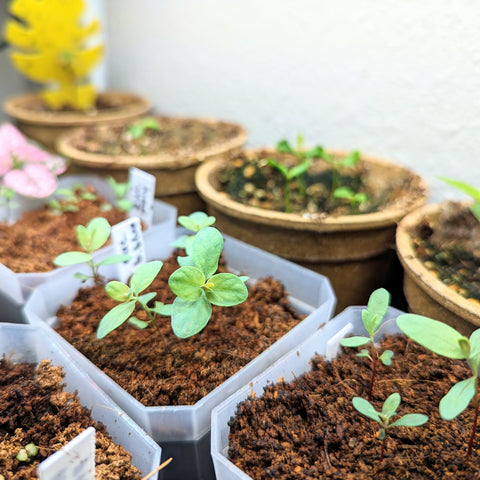
Choosing the right pot goes beyond aesthetics. Size and material can significantly impact your plant’s health. Pots that are too small can restrict root growth, while oversized pots may lead to overwatering issues. Ensure your pots have adequate drainage holes. Without proper drainage, water can pool at the bottom, causing root rot. If you fall in love with a pot without holes, consider using it as a decorative cover for a functional pot inside. Material matters too. Terracotta pots are breathable and help prevent overwatering, making them great for succulents. Plastic pots retain moisture longer, which can benefit plants that require consistently moist soil. Choose based on your plant’s specific needs and your watering habits. Remember, the perfect combination of soil and pots sets the stage for a successful indoor garden. What choices will you make to ensure your plants thrive?Watering Techniques
Proper watering is essential for a thriving indoor garden. Assess plant needs by checking soil moisture regularly. Use lukewarm water to prevent shock and ensure even distribution for healthy growth.
Having a thriving indoor garden is an art, and mastering watering techniques can transform your plants from mediocre to magnificent. Watering might seem straightforward, but striking the right balance is key to ensuring your plants flourish. Over-watering or under-watering can be the downfall of many indoor gardening endeavors, so understanding your plants’ unique needs is crucial.Determining Water Needs
Different plants have different water requirements. Some, like succulents, thrive on less frequent watering, while others, like ferns, need more consistent moisture. To gauge your plant’s needs, observe the soil. A good rule of thumb is to water when the top inch of soil feels dry to the touch. You can also consider the plant’s location and time of year; plants often need less water in the cooler months.Effective Watering Methods
There are several ways to water your indoor plants effectively. The traditional method is to water from the top until excess drains out from the bottom of the pot. This ensures the entire root system gets hydrated. Alternatively, bottom watering involves placing the pot in a tray of water, allowing the plant to absorb moisture through the drainage holes. This method can prevent over-watering and is particularly useful for plants prone to root rot. Consider using a watering can with a long spout to reach into dense foliage without disturbing the leaves. This helps in delivering water directly to the soil, minimizing the risk of fungal diseases on the leaves. What watering method works best for your indoor garden? The key is to adapt to your plants’ preferences and adjust as they grow.Fertilization Strategies
Choosing the right fertilization strategy boosts your indoor garden’s health. Balanced nutrients ensure vibrant growth and blooming. Regularly check soil needs for optimal results.
Fertilization Strategies Creating a thriving indoor garden requires the right fertilization strategies. Understanding how plants absorb nutrients boosts their growth. Fertilization involves providing essential elements like nitrogen, phosphorus, and potassium. Each element plays a vital role in plant health. Proper fertilization techniques lead to lush and vibrant plants.Types Of Fertilizers
Organic and inorganic fertilizers serve different purposes. Organic fertilizers come from natural sources like compost or manure. They improve soil structure and provide long-term nutrition. Inorganic fertilizers contain synthetic chemicals. They offer quick nutrient release and are easy to apply. Liquid fertilizers provide immediate nourishment and are perfect for indoor gardens. Slow-release fertilizers gradually supply nutrients over time.Frequency Of Fertilization
Regular feeding keeps plants healthy and strong. Indoor plants often need fertilization every four to six weeks. Monitor plant growth and adjust the schedule as needed. Over-fertilization can harm plants, so follow instructions carefully. Seasonal changes may affect fertilization needs. During active growth periods, more frequent feeding may be required. Always use the correct amount for the specific plant type.Managing Pests And Diseases
Keep your indoor garden thriving by regularly inspecting plants for pests and diseases. Use organic solutions to manage infestations, ensuring a healthy environment for growth.
Managing pests and diseases in an indoor garden can be challenging. Tiny invaders often find their way to your plants. They can cause significant damage if left unchecked. Knowing common pests and how to prevent them is essential. It helps ensure your garden thrives.Common Indoor Plant Pests
Indoor gardens face several pest threats. Aphids are small, soft-bodied insects. They suck sap from plant leaves. Spider mites are another common pest. These tiny creatures leave webs and spots on leaves. Fungus gnats are pesky flying insects. They lay eggs in moist soil. Mealybugs appear as white, cotton-like masses. They feed on plant juices. Scale insects are also common. They attach themselves to stems and leaves.Preventative Measures And Remedies
Keep your indoor garden healthy to deter pests. Regularly inspect plants for signs of pests. Check under leaves and near stems. Ensure proper air circulation in your garden space. Pests thrive in stagnant air. Water plants correctly. Overwatering can lead to pest infestations. Use neem oil as a natural insecticide. It disrupts pest life cycles. Sticky traps can catch flying insects. They help reduce pest populations. Introduce beneficial insects like ladybugs. They feed on aphids and mites. By understanding pest behavior, you can effectively manage infestations. Keep your indoor garden healthy and pest-free.Pruning And Maintenance
Regular pruning keeps plants healthy and encourages growth. Remove dead leaves and stems for a thriving indoor garden. Consistent maintenance prevents pests and promotes lush greenery.
Pruning and maintenance are crucial aspects of nurturing a thriving indoor garden. They not only keep your plants healthy but also enhance their appearance and productivity. Think of these tasks as a way to communicate with your plants, understanding their needs and supporting their growth. A well-maintained garden can transform your living space into a lush, green sanctuary.Benefits Of Pruning
Pruning is like giving your plants a haircut. It helps remove dead or diseased leaves, allowing the plant to focus its energy on new growth. This can lead to fuller, bushier plants that are more visually appealing. Moreover, pruning can prevent overcrowding, ensuring each plant has enough space to thrive. When you prune, you also improve air circulation around the plant. This reduces the risk of mold and other diseases. It’s a simple task that pays off in healthier, more vibrant plants. Have you noticed your plants looking a bit dull? A little pruning could be just what they need to perk up.Routine Care Tips
Routine care is all about consistency. Check your plants regularly for signs of stress or disease. Look for wilting leaves or discoloration, as these may indicate a need for intervention. If you spot pests, act quickly with natural remedies like neem oil or insecticidal soap. Watering is another critical part of routine care. Make sure your plants are getting the right amount—not too much, and not too little. Use your finger to test the soil’s moisture level, and adjust your watering schedule accordingly. Light and humidity also play a role in maintenance. Ensure your plants are receiving adequate light, whether it’s from a window or grow lights. Consider the humidity levels in your home; some plants thrive in higher humidity and may need a little extra care to flourish indoors. How do you keep your indoor garden thriving? Regular attention and care can make all the difference.Innovative Gardening Techniques
Thriving indoor gardens rely on smart techniques like choosing the right plants and ensuring proper lighting. Regular watering and maintaining ideal humidity levels help plants flourish. Using quality soil and containers can also boost growth and health in your indoor garden.
Innovative gardening techniques are transforming how we think about indoor gardens. They make the most of limited space and resources, allowing you to cultivate a thriving garden right inside your home. Whether you’re short on sunlight or space, these techniques can help you overcome typical indoor gardening challenges.Hydroponics And Aquaponics
Hydroponics involves growing plants without soil, using nutrient-rich water instead. It’s perfect for those who want a clean and efficient gardening setup. Imagine growing fresh lettuce right in your kitchen, with no messy soil to deal with. Aquaponics takes hydroponics a step further by integrating fish into the system. The fish provide natural fertilizer for the plants, while the plants help purify the water for the fish. It’s a symbiotic relationship that maximizes efficiency and sustainability.Vertical Gardening
Vertical gardening is a game-changer if you’re tight on floor space. By growing plants upwards instead of outwards, you can create a lush garden even in a small apartment. Consider using a vertical pallet garden or a wall-mounted planter. This technique not only saves space but also adds a unique aesthetic to your living area. Picture a wall of cascading herbs ready for your next culinary creation. Have you ever thought about how much space you could save by growing up rather than out? Embrace these innovative techniques to create an indoor garden that thrives in any setting.Maximizing Aesthetic Appeal
Create a thriving indoor garden by selecting plants that complement your space. Arrange them to enhance natural light and color. Regularly care for them to maintain their beauty and health.
Maximizing aesthetic appeal in your indoor garden can transform your living space into a sanctuary. When you focus on creating a visually pleasing environment, it becomes more than just a garden; it becomes an extension of your personal style. Every plant, container, and decorative element contributes to a harmonious atmosphere that captivates both you and your guests.Designing Your Indoor Garden
Start by selecting plants that complement your home’s decor. Consider color schemes—do you want vibrant hues or calming greens? Choose plants with varying heights and textures to add depth and interest. For example, pair tall leafy plants with smaller succulents for contrast. Use containers that align with your design aesthetic. Whether you prefer sleek modern pots or rustic wooden planters, ensure they enhance the look of your space. Mix and match styles to create a dynamic visual impact. Think about placement. Position plants where they can be easily seen and appreciated, such as near windows or entryways. Consider how the sunlight interacts with your plants—does it highlight their beauty or cast interesting shadows?Incorporating Decorative Elements
Add decorative touches that reflect your personality. Incorporate items like decorative stones, fairy lights, or small sculptures to create focal points. These elements can make your garden feel more curated and intentional. Consider using shelves or stands to elevate plants and create visual layers. This not only maximizes space but also adds dimension to your garden. Personal story: I once added a vintage birdcage to my indoor garden and filled it with cascading ivy. It became a conversation starter and added a whimsical touch that guests admired. What unique item could you use to make your garden stand out? Remember, your indoor garden is a living canvas. Think about how you can refresh it seasonally with different decorations or plant varieties. What creative ideas will you bring to your garden to make it uniquely yours?
Credit: www.instagram.com
Expert Advice And Resources
Starting an indoor garden can be a rewarding experience. Success often hinges on expert advice and resources. These can enhance your knowledge and skills significantly. Learn from those with experience to avoid common pitfalls. Use the right resources to ensure your plants thrive.
Consulting With Professionals
Experts offer valuable insights for your indoor garden. They can guide you in choosing the right plants. Professionals know which plants suit your environment best. They can also help with pest control and plant care tips. Consulting with them saves you time and effort.
Recommended Reading And Tools
Books and tools are essential for indoor gardening success. Choose books that cover topics like plant care and soil types. Look for guides with step-by-step instructions. Tools also play a crucial role in your gardening journey. Good tools make planting and maintenance easier.
- Pruning shears for trimming plants
- Watering cans for precise watering
- Grow lights to boost plant growth
Invest in quality tools for better results. Happy gardening!
Frequently Asked Questions
How Can I Start An Indoor Garden?
Begin with selecting plants that thrive indoors. Use containers with good drainage and choose quality potting soil. Ensure adequate light by placing plants near windows or using grow lights. Regularly water and monitor humidity levels to maintain a healthy environment.
What Are The Best Plants For Indoor Gardening?
Opt for low-maintenance plants like pothos, spider plants, and succulents. Herbs such as basil and mint grow well indoors. These varieties require minimal sunlight and are easy to care for, making them ideal choices for beginners in indoor gardening.
How Often Should I Water Indoor Plants?
Water indoor plants when the topsoil is dry. Frequency depends on the plant type and indoor conditions. Generally, once a week is sufficient. Overwatering can lead to root rot, so ensure pots have drainage holes and avoid excessive moisture.
Why Is Light Important For Indoor Plants?
Light is crucial for photosynthesis, helping plants grow and remain healthy. Indoor plants need adequate light to maintain vibrant foliage and produce flowers. Use natural sunlight or artificial grow lights to provide the necessary light for indoor gardening success.
Conclusion
Creating a thriving indoor garden is rewarding and fun. Start with the right plants and containers. Ensure they get enough light and water. Keep an eye on pests. Check soil regularly. Each plant has its own needs. Learn them. Adjust your care routine as needed.
Experiment with different plant varieties. Enjoy the process. Indoor gardening brings nature into your home. It can improve your mood and air quality. Share your garden with family and friends. They may want to start their own. Happy gardening!