Imagine stepping into your backyard, where the soothing sound of cascading water instantly calms your senses. A garden waterfall can transform your outdoor space into a personal oasis.
Designing one might seem daunting, but you don’t need to be a landscape architect to create a stunning feature. With a bit of guidance, you can design a waterfall that enhances your garden’s beauty and becomes the perfect spot for relaxation and reflection.
You might wonder where to start or what materials to use. Don’t worry—this guide will provide you with all the details to help you design a garden waterfall that you’ll love for years to come. Ready to turn your garden dreams into reality? Let’s dive in!
Choosing The Right Location
Choosing the right location for your garden waterfall is crucial to ensure it becomes a harmonious part of your outdoor space. A well-placed waterfall can enhance the beauty of your garden and provide a serene spot for relaxation. By evaluating the space and surroundings, considering sunlight and shade, and ensuring accessibility and maintenance, you can create a stunning focal point that you’ll enjoy for years.
Evaluating Space And Surroundings
Start by assessing the available space in your garden. Measure the area where you envision the waterfall and consider how it will fit with existing features like trees, plants, and pathways. You want the waterfall to complement, not overwhelm, your garden.
Think about the view from different angles. Imagine sitting on your patio or looking out your kitchen window. Will the waterfall catch your eye and add to the scene? If you want it to be a focal point, ensure it’s visible from key spots.
Considering Sunlight And Shade
Sunlight plays a vital role in your waterfall’s aesthetics and maintenance. A sunlit location can highlight the water’s sparkle and create shimmering reflections. However, too much direct sunlight can lead to algae growth, requiring more cleaning.
Shade can offer a cooler, more tranquil atmosphere. It might be ideal if you plan to spend time near the waterfall on hot days. But remember, too much shade can limit the growth of surrounding plants that thrive on sunlight.
Accessibility And Maintenance
Access to your waterfall is essential for maintenance and enjoyment. You’ll need to check pumps, clear debris, and sometimes adjust the water flow. Choose a location where you can easily reach the waterfall without disturbing your garden.
Consider how you’ll transport materials during construction. A spot near a path can make it easier to bring in stones and equipment without damaging your lawn or flower beds.
Have you thought about how your waterfall will change with the seasons? In winter, fallen leaves might block the flow. A location with easy access will simplify upkeep, ensuring your waterfall remains beautiful year-round.
Planning The Waterfall Design
Planning the Waterfall Design Create a stunning garden waterfall by choosing a suitable location and natural materials. Carefully plan water flow and incorporate plants for a serene atmosphere.
Planning the design of a garden waterfall is both exciting and essential. It sets the foundation for a stunning and tranquil garden feature. A well-thought-out plan ensures harmony with your garden’s overall aesthetics. Let’s dive into the key steps to create your ideal waterfall.Sketching Your Vision
Begin with a simple sketch. Visualize how the waterfall will look in your space. Draw your ideas on paper or use a digital tool. Consider the shape and flow of the water. Think about height and width. This sketch serves as your guide. Make adjustments until satisfied with the design.Selecting Materials And Styles
Choose materials that complement your garden. Natural stones offer a rustic feel. Concrete or tiles provide a modern look. Consider the style of your home and garden. Ensure materials are durable and weather-resistant. Match the waterfall’s style to your garden’s theme. This creates a cohesive and pleasing appearance.Incorporating Existing Landscape
Assess your current garden layout. Identify natural slopes or features that enhance the waterfall. Use the existing landscape to your advantage. This reduces the need for extensive modifications. Ensure the waterfall blends seamlessly with plants and trees. Create a harmonious and natural environment.Gathering Essential Tools And Materials
Choosing the right tools and materials is crucial for designing a garden waterfall. Gather rocks, a water pump, and tubing to create a natural flow. Ensure the pump is suitable for your waterfall size and select rocks that blend with your garden’s aesthetic.
Creating a garden waterfall requires careful planning and the right tools and materials. Understanding what you need is crucial for a successful project. Proper preparation ensures smooth construction and a beautiful end result. Let’s dive into the essentials for designing a stunning garden waterfall.Tools For Excavation And Construction
You’ll need specific tools for digging and building your waterfall. Shovels and spades are vital for excavation. A wheelbarrow helps transport soil and rocks. A level ensures your construction is balanced. Use a rubber mallet to adjust stones without damage. A garden hose marks the waterfall’s path. Consider renting a small excavator for large projects. These tools simplify the groundwork and building process.Materials For Water Flow And Structure
Choosing the right materials influences your waterfall’s appearance and function. Large rocks form the waterfall’s base and structure. Smaller stones add texture and detail. Use a durable pond liner to prevent leaks. Pumps control water flow and circulation. Tubing connects the pump to the waterfall. Consider decorative gravel for a natural look. Select plants that thrive near water to enhance beauty.Safety Gear And Equipment
Safety is paramount during construction. Wear protective gloves to handle stones and equipment. Safety goggles protect your eyes from debris. Sturdy boots prevent slips on wet surfaces. A dust mask is useful when cutting stones. Ear protection is necessary if using loud machinery. Ensure you have a first aid kit nearby. These items protect you during the building process.
Credit: www.swelluk.com
Building The Waterfall Structure
Creating a garden waterfall involves choosing the right location and materials. Arrange stones and plants to form a natural flow. Integrate a pump to maintain the cascading water effect.
Building the Waterfall Structure Creating a garden waterfall can transform your outdoor space into a peaceful retreat. The sound of flowing water adds a soothing ambiance, while the visual appeal of a waterfall enhances the garden’s aesthetic. Begin with a solid structure to ensure longevity and beauty.Creating The Base And Foundation
Start by selecting a location that allows the waterfall to blend seamlessly with your garden’s landscape. Dig out a base that supports the weight of the rocks and water. A concrete or pond liner base can prevent water seepage and maintain structural integrity. Ensure the foundation is level to avoid water pooling on one side. Use sand or gravel to adjust and stabilize the base. This step is crucial for avoiding future maintenance headaches.Layering Rocks And Decorative Elements
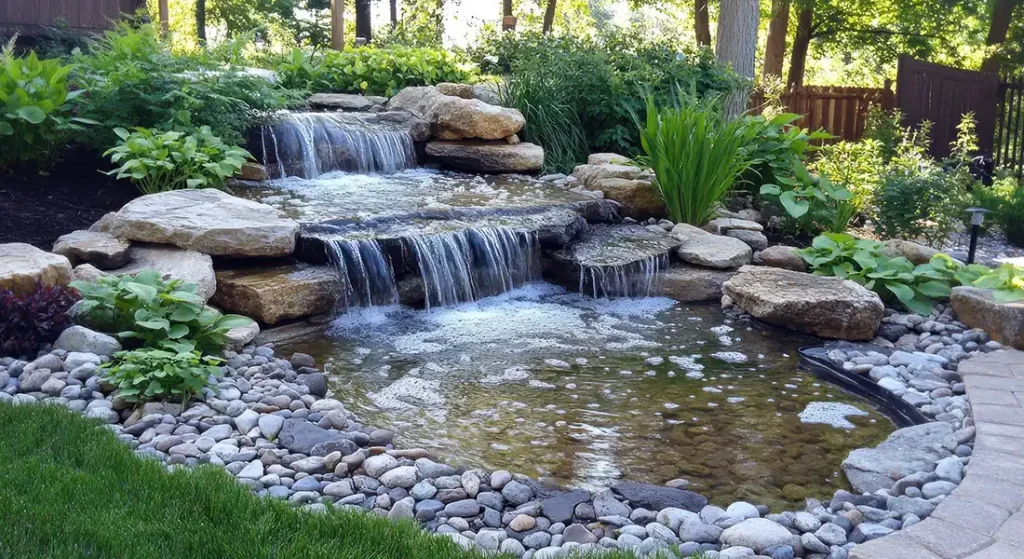
Choose rocks of varying sizes to create a natural look. Place larger rocks at the bottom for stability, then layer smaller rocks as you build up. This technique helps mimic nature and adds to the waterfall’s charm. Decorative elements like driftwood or plants can enhance the natural feel. Consider the colors and textures of the rocks and plants to create an appealing contrast. Remember, a waterfall is more than just water—it’s an entire visual experience.Integrating Water Features And Pumps
The pump is the heart of your waterfall, pushing water to the top so it can cascade down. Select a pump that fits the size of your waterfall and the volume of water you want to move. A pump with a flow rate of 1000 gallons per hour (GPH) is typically sufficient for small to medium waterfalls. Place the pump discreetly within the base, ensuring it’s accessible for maintenance. Use flexible tubing to connect the pump to the waterfall’s upper section. Test the water flow to ensure it creates the desired effect—sometimes tweaking the angle or position can make all the difference.Ensuring Proper Water Circulation
Designing a garden waterfall requires proper water circulation for a serene ambiance. Ensure the pump is appropriately sized for the waterfall’s height. Position rocks strategically to guide the water flow smoothly.
Ensuring proper water circulation is crucial for a garden waterfall. It enhances the visual appeal and maintains water quality. Effective circulation prevents stagnation and promotes a healthy ecosystem. Consider these elements to ensure your waterfall runs smoothly.Installing Pumps And Filters
Pumps drive water flow in a garden waterfall. Select a pump based on the waterfall size. Larger waterfalls need more powerful pumps. Position the pump near the water source for efficiency. Filters clean the water by removing debris and impurities. Choose a filter suitable for your water volume. Regular cleaning of filters ensures optimal performance.Managing Water Flow And Pressure
Water flow affects the waterfall’s appearance and sound. Adjust flow to match the desired effect. High flow creates a powerful cascade. Low flow offers a gentle trickle. Control pressure to prevent uneven water distribution. Use valves to adjust pressure levels. Too much pressure can cause splashing and wasting water.Preventing Leaks And Spills
Leaks can damage the waterfall structure. Inspect joints and connections regularly. Seal any gaps with waterproof sealant. Use durable materials to withstand water pressure. Spills occur when water overflows. Ensure proper drainage channels to manage excess water. Regular maintenance prevents leaks and keeps your waterfall in top condition.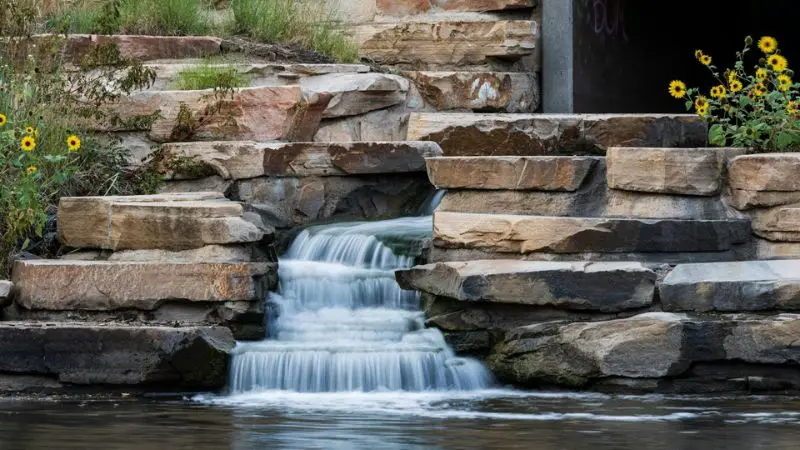
Credit: www.vevor.com
Adding Aesthetic Touches
Creating a garden waterfall enhances outdoor beauty with gentle flowing water. Select natural stones for a harmonious look. Add surrounding plants to create a tranquil oasis.
Adding an aesthetic touch to your garden waterfall can transform it from a simple water feature into a breathtaking focal point. By thoughtfully selecting complementary elements, you can create a space that is both serene and visually appealing. Consider how each element enhances the overall look and feel of your garden waterfall.Choosing Plants And Greenery
Plants are a natural choice for enhancing the beauty of your garden waterfall. Opt for a mix of sizes, textures, and colors to create depth and interest. Consider using ferns and hostas for lush greenery, while flowering plants like irises can add pops of color. Think about the climate and the amount of sunlight your garden receives. This will help you choose plants that thrive in your specific environment. Placing taller plants at the back and smaller ones in the front can create a tiered effect, drawing the eye towards the waterfall.Lighting For Nighttime Ambiance
Lighting can dramatically change the atmosphere of your garden waterfall after the sun sets. Use soft, warm lights to highlight the waterfall, creating a cozy and inviting space. Consider using solar-powered LED lights for an eco-friendly option. Pathway lights can guide visitors to the waterfall, enhancing safety and visibility. Subtle underwater lights can illuminate the cascading water, adding a magical touch. How would your waterfall look under a gentle moonlit glow?Incorporating Artistic Elements
Artistic elements can give your garden waterfall a unique personality. Sculptures, stones, or even a hand-painted bench can serve as conversation pieces. Choose items that reflect your personal style and the theme of your garden. Water features like small fountains or birdbaths can complement the waterfall, adding layers of sound and movement. Consider using natural materials like driftwood or river rocks to enhance the organic feel. What artistic touches will make your garden waterfall truly your own?Maintaining Your Garden Waterfall
Craft a garden waterfall design that blends seamlessly with your landscape. Use natural stones and plants for a realistic look. Ensure proper water flow and pump maintenance for a lasting feature.
Maintaining a garden waterfall might seem like a daunting task, but with the right approach, it can be a rewarding part of your gardening routine. A well-maintained waterfall not only enhances the beauty of your garden but also ensures the longevity of the structure. Let’s dive into some practical tips and tricks to keep your garden waterfall in top shape.Regular Cleaning And Upkeep
Regular cleaning is essential to keep your waterfall looking fresh and inviting. Start by removing debris such as leaves and twigs that may accumulate in and around the waterfall. A simple net or skimmer can make this task easier. Ensure the water is clear by checking the filter regularly. A clogged filter can affect water flow and create an unsightly appearance. Replace or clean the filter as needed to maintain optimal water quality.Seasonal Adjustments And Care
Each season brings its own set of challenges for your garden waterfall. In the spring, inspect the waterfall for any winter damage and make necessary repairs. Check for leaks or cracks that might have formed during colder months. During summer, algae growth can become a problem. Consider using eco-friendly treatments to prevent this, ensuring they are safe for any plants or wildlife in your garden. In fall, increase maintenance frequency to manage the influx of falling leaves.Troubleshooting Common Issues
Sometimes, despite your best efforts, things can go wrong. A common issue is uneven water flow, which might be caused by a blockage. Check the pump and tubing for any obstructions and clear them promptly. Unpleasant odors can also be a concern. These might indicate stagnant water or decomposing debris. Regular water changes and thorough cleaning can help eliminate odors and keep the waterfall fresh. Do you notice any signs of erosion around the waterfall? Address this by reinforcing the edges with rocks or plants to stabilize the soil. This not only prevents further erosion but also adds a natural touch to your waterfall design. Maintaining your garden waterfall doesn’t have to be a chore. With these tips, you can enjoy a beautiful, serene waterfall that enhances your outdoor space year-round.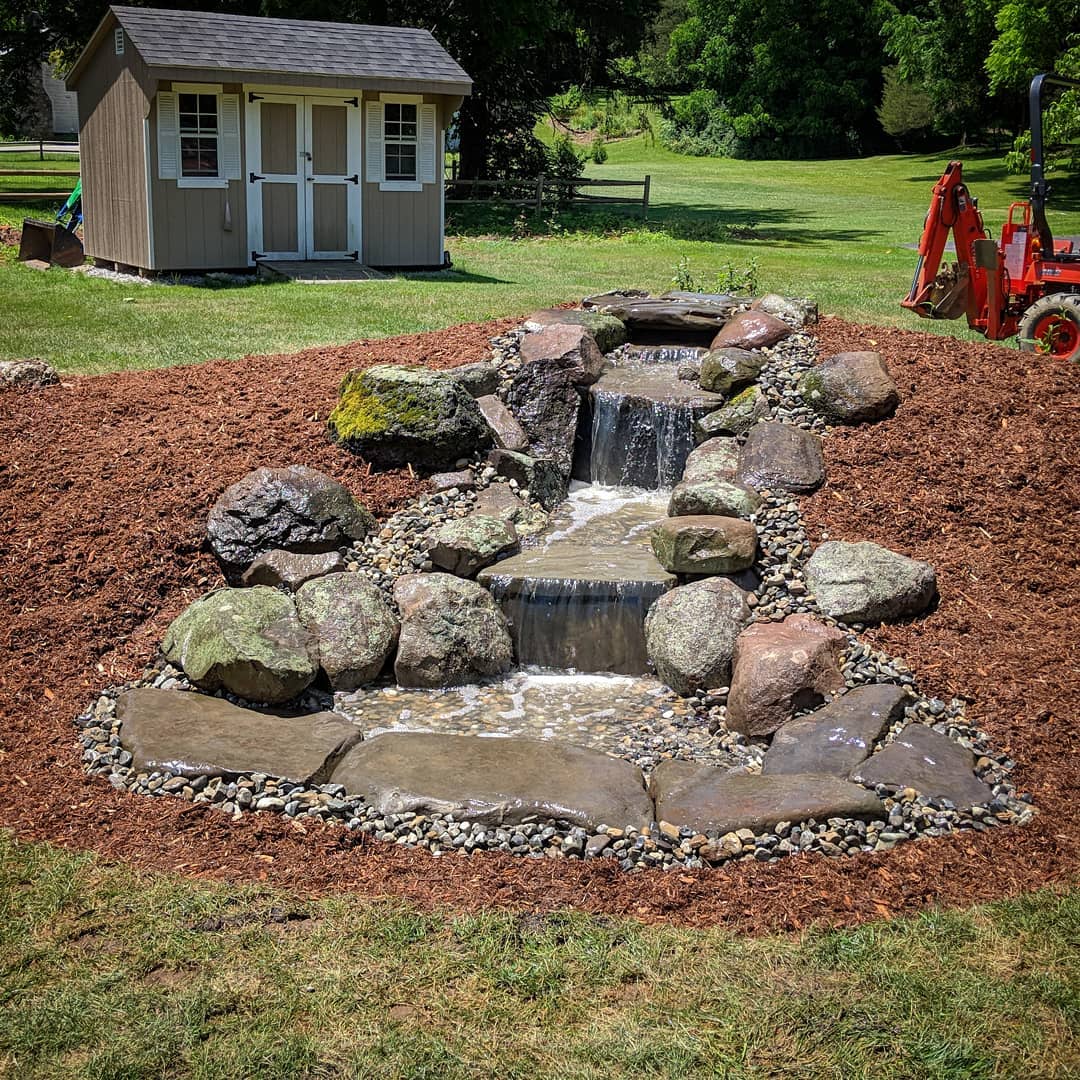
Credit: www.extraspace.com
Frequently Asked Questions
What Is The Best Location For A Garden Waterfall?
Choose a location with enough space and a natural slope. Ensure it has access to electricity and water. Consider visibility from different angles for a stunning view. Avoid areas with excessive sunlight to prevent algae growth. A shaded spot can maintain a pleasant environment.
How Much Does A Garden Waterfall Cost?
The cost varies based on size, materials, and complexity. A simple waterfall may cost a few hundred dollars. Larger, elaborate designs can reach several thousand dollars. Factor in maintenance expenses and potential landscaping adjustments. Budget carefully to avoid unexpected costs.
What Materials Are Best For Waterfall Construction?
Natural stones offer durability and aesthetic appeal. Concrete provides strength and versatility. Consider fiberglass for lightweight, easy installation. Use high-quality pumps to ensure efficient water circulation. Choose eco-friendly materials to minimize environmental impact and enhance sustainability.
How Do I Maintain A Garden Waterfall?
Regularly clean debris to prevent blockages. Check pumps and filters monthly for efficiency. Monitor water levels to avoid damage. Trim nearby plants to ensure proper airflow. Use algae control solutions to maintain water clarity and prevent unwanted growth.
Conclusion
Creating a garden waterfall can transform your outdoor space. It adds beauty and a peaceful sound. Planning is key. Choose the right location and materials. Follow the steps and watch your vision come to life. A well-designed waterfall attracts birds and offers relaxation.
Maintain it regularly for long-lasting enjoyment. Enjoy your new serene garden feature. Gardening is rewarding. Nature is closer than you think. Ready to start? Get inspired and create your own backyard oasis. Your perfect waterfall awaits. Happy gardening!