Are pesky bugs turning your indoor garden from a peaceful retreat into a battleground? You’re not alone!
Many indoor gardeners face this frustrating challenge. Those tiny invaders can quickly damage your plants, leaving you feeling helpless. But don’t worry; there’s hope! Imagine a bug-free oasis where your plants thrive, and you can relax without worry. This dream can become your reality.
You’ll discover simple and effective strategies to banish those unwelcome guests once and for all. With these tips, you’ll take back control of your indoor garden and enjoy the lush greenery you love. Ready to reclaim your space? Let’s dive in!

Credit: drkilligans.com
Common Indoor Garden Bugs
Eliminate indoor garden bugs by maintaining cleanliness and using natural repellents. Regularly check plants for pests and apply gentle insecticidal soap solutions. Ensure proper ventilation to reduce humidity, discouraging bug infestations.
Indoor gardening can be a rewarding hobby. But nothing disrupts the joy of nurturing your plants like an invasion of pesky bugs. Understanding what you’re up against is the first step in winning this battle. Let’s dive into some of the most common indoor garden bugs and how you can identify them.Identifying Aphids
Aphids are tiny, pear-shaped insects that often hide on the underside of leaves. They can be green, black, brown, or even pink. If you notice your plants looking sticky or distorted, aphids may be the culprit. Check the leaves for a sticky substance called honeydew. This residue can also attract ants. Regularly inspecting your plants can help catch these pests early.Recognizing Spider Mites
Spider mites are almost invisible to the naked eye, but their damage is unmistakable. You might see tiny yellow or white speckles on the leaves. If you suspect spider mites, hold a piece of white paper under a leaf and gently tap it. You’ll likely see tiny moving dots on the paper. These tiny creatures thrive in hot, dry conditions, so keeping your plants humid may help deter them.Dealing With Fungus Gnats
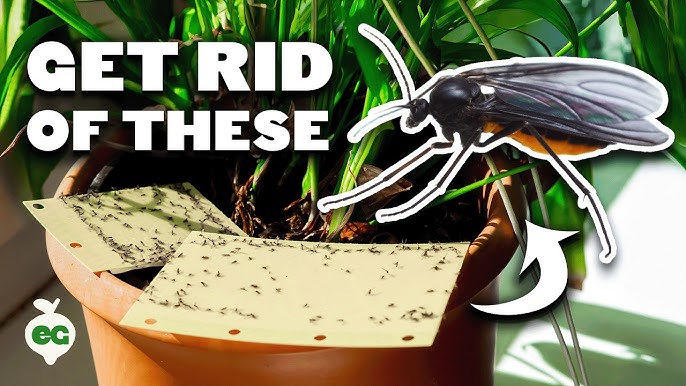
Fungus gnats are small, dark, fly-like insects that hover around your plants. They are often seen in overly moist soil. If you notice gnats, your first step is to let the soil dry out more between waterings. Consider adding a layer of sand to the top of your soil. This can prevent the gnats from laying eggs.Spotting Whiteflies
Whiteflies are tiny, moth-like insects that are most active during the day. If you disturb a plant and see a cloud of white insects, you likely have whiteflies. These pests suck the sap from your plants, causing them to weaken. Sticky traps can be effective in managing these insects. Regularly checking and cleaning your leaves can also help keep their numbers down. Are you noticing any of these signs in your indoor garden? Taking a proactive approach to identify and manage these bugs can help keep your plants healthy and thriving. What measures will you take next time you spot an intruder?Natural Remedies
Maintain a healthy indoor garden by using natural remedies to combat bugs. Try neem oil or insecticidal soap for gentle pest control. Encourage beneficial insects like ladybugs to keep harmful bugs at bay.
Are pesky bugs ruining your indoor garden? Before reaching for harsh chemicals, consider natural remedies. These methods are often safer for both your plants and your living space. Plus, they can be surprisingly effective. Let’s explore some nature-friendly solutions to keep your indoor garden thriving.Using Neem Oil
Neem oil is a powerful natural insecticide derived from the seeds of the neem tree. It disrupts the life cycle of insects, preventing them from growing and reproducing. Simply mix a teaspoon of neem oil with a liter of water and a few drops of dish soap. Spray this solution directly onto your plants, focusing on the undersides of leaves where bugs like to hide. Reapply every few days until you see results. Have you ever watched as aphids vanished after just a couple of treatments? Neem oil is the secret behind that magic.Making Soap Sprays
Soap sprays are a classic remedy for a reason—they’re simple and effective. Mix a few tablespoons of mild liquid soap with a quart of water. Spray this mixture onto affected plants, ensuring thorough coverage. The soap works by breaking down the protective outer shell of insects, leading to dehydration. It’s a gentle solution for both your plants and your home. Have you noticed how your plants seem fresher and more vibrant after a soap spray session?Employing Diatomaceous Earth
Diatomaceous earth is a natural powder made from the fossilized remains of tiny aquatic organisms. When sprinkled on plants, it acts as a physical barrier, damaging the exoskeletons of insects. Dust a thin layer over your plants and the soil surface. Be cautious not to inhale the powder during application. Have you wondered how something so ancient can solve modern pest problems? Diatomaceous earth might just be your garden’s new best friend.Introducing Beneficial Insects
Sometimes the best way to combat pests is with other insects. Ladybugs and predatory mites are excellent at keeping harmful bugs in check. Introduce them to your indoor garden to naturally control pest populations. You can often find these helpful allies at garden centers or online. It’s fascinating to observe them at work—tiny warriors protecting your plants. Have you ever considered the power of nature’s balance right in your own home?Chemical Solutions
Indoor gardens bring nature into our homes, but pests can be a nuisance. Chemical solutions offer effective ways to tackle these garden invaders. While organic methods are popular, chemical solutions often deliver immediate results. These solutions can be safe and effective when used properly. Here, we’ll explore some chemical approaches to eliminate indoor garden bugs.
Selecting Insecticidal Soaps
Insecticidal soaps are gentle yet powerful. They target soft-bodied insects like aphids and mites. Choose a soap labeled safe for indoor plants. Look for products with potassium salts of fatty acids. This ingredient is effective against bugs but gentle on plants. Apply the soap directly to affected areas. Repeat applications as needed to maintain control.
Utilizing Pesticide Sprays
Pesticide sprays offer a broader range of pest control. They can target various bugs, including beetles and caterpillars. Always read the label before buying. Ensure the pesticide is suitable for indoor use. Apply spray evenly on plant surfaces. Focus on leaves where bugs tend to hide. Avoid over-spraying to prevent plant damage.
Safety Precautions
Safety is essential when using chemical solutions. Wear gloves and masks during application. Ensure the room is well-ventilated. Keep pets and children away from treated areas. Follow the manufacturer’s instructions closely. Store chemicals securely, away from food and living spaces. Dispose of any leftovers properly to prevent hazards.
Preventative Measures
Regular cleaning keeps bugs away from indoor gardens. Use natural sprays to deter pests effectively. Maintain proper ventilation to create an unfavorable environment for bugs. Keep plants healthy with regular inspections and timely removal of infected leaves.
Preventative Measures are your first line of defense against pesky indoor garden bugs. By adopting proactive strategies, you can maintain a healthy and thriving indoor garden. It’s all about creating an environment where bugs find it hard to settle and multiply. Let’s delve into practical actions you can take to safeguard your plants.Proper Plant Maintenance
Regularly grooming your plants can work wonders. Trim away dead leaves and stems to reduce hiding spots for bugs. Keep your plants clean by wiping leaves with a damp cloth to remove dust and potential pests. You might be surprised how this simple act can deter many unwanted visitors.Regular Monitoring
Vigilance is key. Check your plants daily for signs of pests like holes in leaves or sticky residues. Catching an infestation early can prevent it from spreading. Use a magnifying glass for a closer inspection. Have you ever noticed that a small bug problem can quickly escalate? Regular monitoring can stop it in its tracks.Quarantine New Plants
Introducing new plants can inadvertently bring pests into your garden. Keep new additions separate for a couple of weeks. Observe them closely for any signs of bugs before integrating them with your existing plants. This practice can save you from potential headaches and keep your garden pest-free.Adequate Air Circulation
Bugs thrive in stagnant air. Ensure good air circulation by spacing your plants appropriately and using fans if necessary. Proper airflow helps prevent mold and keeps pests at bay. Consider how a breath of fresh air can invigorate your plants, making them less susceptible to invasions.Environmental Control
Environmental control plays a vital role in managing indoor garden bugs. By optimizing conditions, you create a less inviting space for pests. This approach reduces the need for chemical interventions. Focus on controlling humidity, temperature, and lighting to deter bugs effectively.
Humidity Management
High humidity attracts many indoor garden bugs. Keep humidity levels between 40% and 60%. Use a dehumidifier to maintain this range. Ensure proper ventilation in your indoor garden space. Avoid overwatering plants, which raises humidity levels. Check humidity levels regularly using a hygrometer.
Temperature Regulation
Most bugs thrive in warm environments. Keep indoor temperatures around 65 to 75 degrees Fahrenheit. Use fans or air conditioning to regulate temperature. Avoid placing plants near heat sources like radiators. Monitor temperature with a reliable thermometer. Adjust settings to maintain a stable environment.
Lighting Adjustments
Proper lighting discourages pests from settling. Use LED grow lights to provide consistent lighting. Ensure plants receive 12 to 16 hours of light daily. Position lights to cover all parts of the plant. Avoid excessive light exposure, which can stress plants. Regularly clean light fixtures to ensure efficiency.

Credit: m.facebook.com
Integrated Pest Management
Integrated Pest Management effectively tackles indoor garden bugs using a combination of methods. This approach includes biological controls, natural repellents, and careful monitoring to maintain a healthy plant environment.
Integrated Pest Management (IPM) offers a smart way to handle indoor garden pests. This method blends different strategies for effective pest control. IPM minimizes harm to plants and the environment. It emphasizes prevention, monitoring, and control techniques. The goal is to manage pests economically with minimal risk.Combining Strategies
Combining various strategies is key to successful IPM. Start with cultural practices. Keep your garden clean and tidy. Remove dead leaves and debris. Ensure proper airflow around plants. Next, use biological control. Introduce beneficial insects like ladybugs. They eat harmful pests. Use mechanical control methods too. Place sticky traps near plants. They catch flying insects. Handpick visible pests when you see them. Lastly, apply chemical controls carefully. Choose organic pesticides. They are safer for your garden and health.Long-term Solutions
Focus on long-term solutions for sustainable pest management. Rotate plants in your garden. This disrupts pest life cycles. Grow pest-resistant plant varieties. They withstand insect attacks better. Encourage natural predators. Birds and beneficial insects help control pests. Maintain healthy soil. It supports strong plant growth. Strong plants resist pests better. Regularly inspect your plants. Early detection prevents large infestations. Educate yourself on pest life cycles. Understanding them helps in planning effective control measures.Evaluating Effectiveness
Evaluating the effectiveness of your IPM strategies is crucial. Keep records of pest activities and control methods. Note changes in pest populations. This helps in assessing strategy success. Adjust strategies if necessary. Some methods may work better than others. Observe plant health regularly. Healthy plants indicate successful pest control. Engage in continuous learning. Stay informed about new IPM techniques. Join gardening communities. Share experiences and learn from others. This collective knowledge enhances your IPM approach.
Credit: www.littleyellowwheelbarrow.com
Frequently Asked Questions
What Are Common Indoor Garden Bugs?
Indoor gardens often face pests like aphids, spider mites, and fungus gnats. These bugs can damage plants and hinder growth. Regular checks and proper care can help in early detection. Using natural remedies and maintaining cleanliness can reduce their presence.
Prevention is key to keeping your indoor garden healthy.
How Can I Prevent Indoor Garden Bugs?
Preventing indoor garden bugs involves regular inspection and proper care. Ensure plants are healthy and well-nourished. Keep the area clean and free of debris. Use natural deterrents like neem oil. Avoid overwatering, which attracts pests. Quarantine new plants to prevent bug infestations from spreading.
What Are Natural Remedies For Indoor Bugs?
Natural remedies like neem oil, diatomaceous earth, and insecticidal soap can help manage indoor bugs. These options are safe and effective against common pests. Use sticky traps for flying insects like fungus gnats. Regularly spraying plants with these solutions can reduce bug populations and protect your garden.
How Do I Identify Indoor Garden Pests?
Identifying pests requires observing plant symptoms like yellowing leaves or webbing. Examine plants closely for visible insects. Use magnifying tools for better inspection. Check under leaves and around soil for signs. Familiarize yourself with common pests to aid in identification and treatment.
Early detection is crucial.
Conclusion
Eliminating indoor garden bugs can be simple. Regular checks help catch pests early. Use natural methods like neem oil or soap sprays. Maintain clean plant areas to reduce bugs. Healthy plants resist infestations better. Keep soil dry to prevent pest breeding.
Rotate plants to disrupt bug life cycles. Try sticky traps for stubborn bugs. Remember, patience and consistency are key. Your plants will thrive without pests. Stay diligent and enjoy a bug-free garden indoors. Happy gardening!







