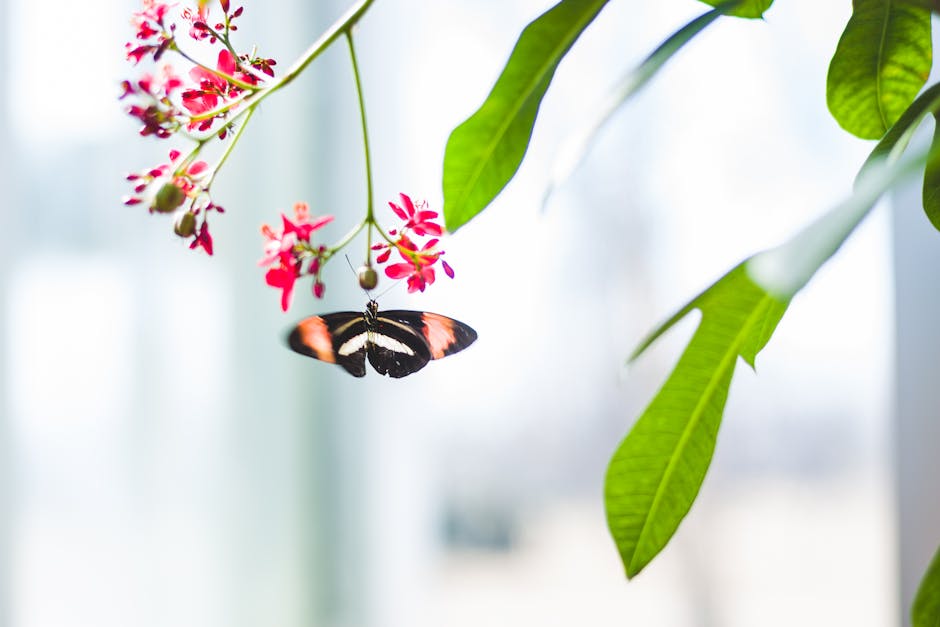
Imagine stepping into your backyard and being greeted by a flurry of vibrant wings fluttering about, each butterfly more beautiful than the last. A butterfly garden design can transform your outdoor space into a lively, colorful sanctuary, attracting these delicate creatures and bringing nature closer to home.
You might be wondering what exactly goes into creating such a magical space. Is it possible to design a garden that not only looks stunning but also supports the life cycle of butterflies? The answer is a resounding yes. You’ll discover the essential elements of a butterfly garden design, guiding you through choices that will invite these enchanting visitors to your garden.
Prepare to be inspired to create a haven that not only captivates the eyes but also supports the ecosystem. Stay with us and unlock the secrets to a flourishing butterfly paradise right in your own backyard.
Benefits Of Butterfly Gardens
A butterfly garden design invites vibrant colors and graceful butterflies to your outdoor space. It supports biodiversity by providing habitats for these delicate creatures. Plus, it enhances the beauty of any garden with a variety of plants and flowers.
Butterfly gardens are a delightful addition to any outdoor space. They bring beauty and life, creating a serene atmosphere. These gardens do more than just attract butterflies. They offer numerous benefits for both nature and humans.Environmental Benefits
Butterfly gardens promote biodiversity. They provide a habitat for butterflies and other pollinators. This helps in maintaining a balanced ecosystem. Pollinators play a crucial role in plant reproduction. By having a butterfly garden, you support their survival.Educational Opportunities
These gardens serve as a learning tool. They teach about butterfly life cycles and plant species. Schools and families can use them for educational purposes. Children and adults alike can learn about nature’s processes.Stress Reduction
Spending time in a butterfly garden is relaxing. The sight of fluttering butterflies can reduce stress. It provides a peaceful escape from everyday life. Nature’s beauty has a calming effect on the mind.Boosting Plant Growth
Butterflies and other pollinators aid in plant growth. They help in the fertilization process. This leads to healthier plants and more blooms. A thriving garden is a sight to behold.Supporting Local Wildlife
A butterfly garden supports various wildlife. It attracts birds, bees, and beneficial insects. This creates a vibrant and lively ecosystem. Providing food and shelter helps these creatures thrive.Enhancing Aesthetic Appeal
Butterfly gardens add visual appeal. They bring color and movement to your yard. The variety of plants and flowers is captivating. It makes your garden a focal point in the neighborhood. By incorporating a butterfly garden, you enjoy these numerous benefits. It’s a rewarding endeavor for nature lovers.Choosing The Right Location
Choosing a sunny spot is crucial for a butterfly garden design. Butterflies thrive in areas with ample sunlight. Ensure the location has shelter from strong winds to protect delicate wings.
Choosing the right location for your butterfly garden is crucial to ensure its success. The spot you choose will not only affect the health and vibrancy of your plants but will also determine how many butterflies come to visit. A well-chosen location can transform your garden into a thriving hub of life and color, making it a delightful sanctuary for both butterflies and people alike.Assess Sunlight Exposure
Butterflies are sun-loving creatures. They thrive in areas where they can bask in the sun. Choose a spot that gets ample sunlight throughout the day. Aim for at least six hours of direct sunlight to help plants flourish and attract butterflies.Consider Wind Protection
Butterflies are delicate and can be blown away by strong winds. Look for a location that offers some natural wind protection. This could be a sheltered spot next to a fence or a cluster of shrubs that acts as a windbreak.Evaluate Soil Quality
Healthy plants start with healthy soil. Before settling on a location, test the soil quality. It should be fertile and well-draining. If your soil isn’t ideal, consider using raised beds or amending the soil to boost its nutrient content.Accessibility For Maintenance
Gardening requires regular upkeep. Ensure the chosen location is easily accessible for watering, pruning, and other maintenance tasks. You want a spot that invites you to spend time tending to your garden without it feeling like a chore.Proximity To Water Source
A butterfly garden will need regular watering, especially during dry spells. Choose a location close to a water source, or consider installing a rain barrel for easy access. This will make caring for your garden more convenient and efficient.Think About Visibility
You’ll want to enjoy the beauty of your butterfly garden, so consider how visible it will be from various vantage points. A spot near a patio or kitchen window allows you to admire the fluttering visitors while relaxing or going about your day. Choosing the right location for your butterfly garden can make all the difference in its success. Are you ready to create a haven for these enchanting creatures?Essential Plants For Attracting Butterflies
Creating a butterfly garden is a delightful way to invite nature’s most colorful guests into your backyard. However, the key to a successful butterfly garden lies in selecting the right plants. Choosing plants that cater to every stage of a butterfly’s life will ensure your garden is a fluttering paradise.
Native Plant Varieties
Native plants are the backbone of any butterfly garden. They are well-adapted to the local climate and soil, which makes them hardy and easy to maintain. By planting native species, you support local butterfly populations that have evolved alongside these plants.
Consider adding milkweed, a vital plant for monarch butterflies, or coneflowers that attract a variety of butterfly species. Native plants also attract native pollinators, boosting your garden’s ecological health.
Nectar-rich Flowers
Nectar is the primary food source for butterflies, so it’s essential to include a range of nectar-rich flowers. Brightly colored blooms like zinnias, lantanas, and marigolds are butterfly favorites.
Arrange these flowers in clusters to make it easier for butterflies to spot them from the air. Opt for a variety of shapes and sizes to cater to different butterfly species.
Host Plants For Caterpillars
Without host plants, butterflies have nowhere to lay their eggs, and caterpillars have nothing to eat. Consider planting dill or fennel to attract swallowtail butterflies.
Remember, caterpillars will munch on these plants, so be prepared for some leaf damage. The sight of a caterpillar transforming into a butterfly is worth the sacrifice.
Are you ready to transform your garden into a butterfly haven? With the right plants, you can enjoy the beauty and joy that these delicate creatures bring to your outdoor space.
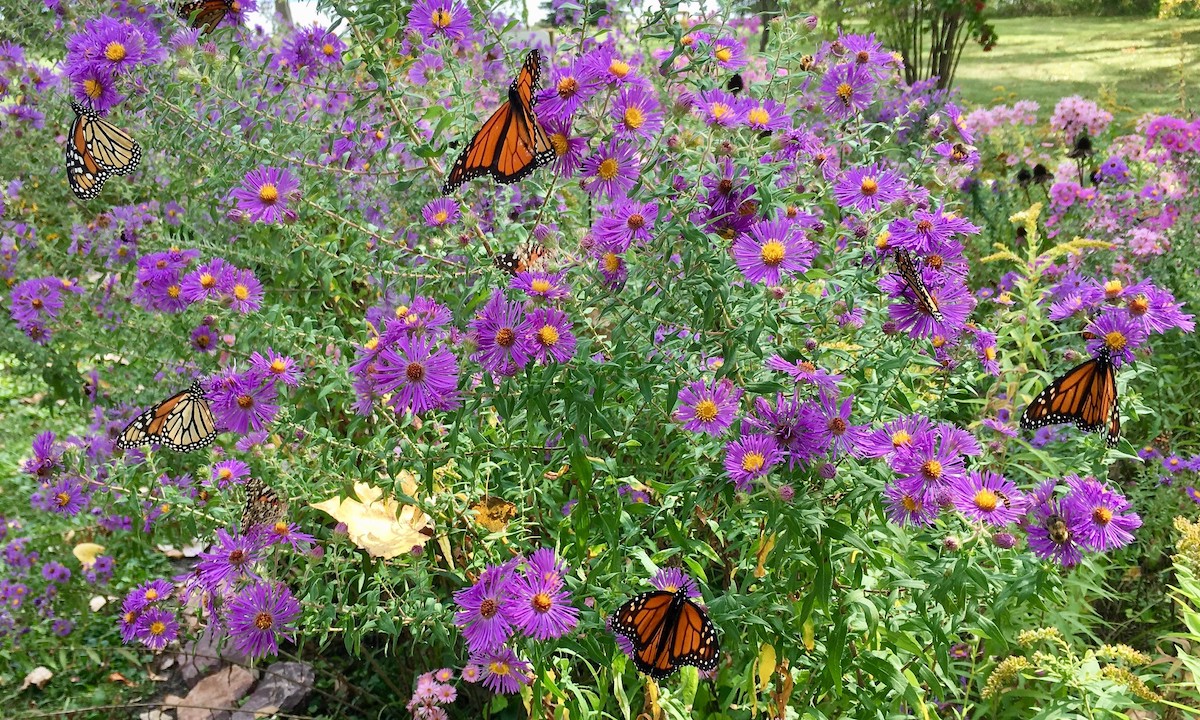
Credit: www.lawnstarter.com
Designing For Aesthetic Appeal
Butterfly Garden Design creates spaces that attract and nurture butterflies. It combines vibrant flowers and host plants, offering beauty and biodiversity. This design enhances your garden’s appeal while supporting local ecosystems.
Designing for Aesthetic Appeal Creating a butterfly garden is not just about attracting these beautiful creatures. It’s about crafting a visually captivating space that enhances your outdoor environment. You want your garden to be a feast for the eyes. But how do you achieve this? Let’s explore some ideas that can help you create a garden that is not only functional but also a stunning masterpiece.Color Schemes
Choosing the right color palette can transform your garden from ordinary to extraordinary. Think about vibrant hues like oranges, pinks, and purples. These colors not only attract butterflies but also add a splash of excitement. You might consider planting flowers in clusters of the same color for a bold effect. Or, mix different colors to create a lively tapestry. Remember, contrast can be your best friend here. A background of lush greens can make the bright blooms pop even more.Garden Layout Ideas
The layout of your garden plays a crucial role in its aesthetic appeal. You can opt for a formal design with symmetrical patterns and neatly trimmed hedges. This gives a sense of order and elegance. If you’re more inclined towards a natural look, consider a more informal layout. Curved pathways and wildflower meadows can create a serene and inviting atmosphere. Place taller plants towards the back and shorter ones in the front for a tiered effect. This adds depth and dimension to your garden.Incorporating Water Features
Water features can elevate your garden’s beauty and attract more butterflies. A small pond or a birdbath can serve as a focal point. It adds movement and sound, making your garden more dynamic. Think about the serene reflection of flowers in the water or the gentle ripple effect created by a small waterfall. These elements can provide a tranquil escape. Plus, butterflies are attracted to moist environments, so it’s a win-win situation. Have you ever thought about how a simple garden can transform your mood? With these design ideas, you’re not just planting a garden; you’re creating an oasis. What unique touch will you add to your butterfly paradise?Creating A Sustainable Habitat
Butterfly garden design creates a vibrant habitat attracting butterflies. Native plants provide nectar and shelter for these delicate creatures. Thoughtful design boosts biodiversity and enhances visual appeal, while supporting ecological balance.
Creating a sustainable habitat in your butterfly garden is essential. It ensures butterflies thrive and contributes to biodiversity. By adopting eco-friendly practices, you create a haven for these delicate creatures. This approach benefits the environment and your garden’s health.Organic Gardening Practices
Embrace organic gardening to nurture butterflies. Avoid chemical pesticides and fertilizers. These harm butterflies and the ecosystem. Use natural alternatives like compost for nourishing soil. Plant native flowers and shrubs. They provide nectar and shelter. Attract beneficial insects that control pests naturally. This supports a balanced garden environment.Providing Shelter And Shade
Butterflies need protection from harsh weather. Create shady areas using trees and tall plants. They offer refuge from the sun and rain. Include rocks and logs. These provide resting spots for butterflies. Use diverse plant heights to create layers of shelter. This caters to different butterfly species. A variety of plants ensures a thriving habitat.Water Conservation Techniques
Water is vital for a butterfly garden. Conserve water with efficient techniques. Install rain barrels to collect rainwater. Use it to water your plants. Choose drought-resistant plants. They require less water and still attract butterflies. Mulch garden beds to retain soil moisture. This reduces the need for frequent watering. Efficient water use supports a sustainable garden.
Credit: www.pinterest.com
Maintaining Your Butterfly Garden
Designing a butterfly garden involves selecting vibrant flowers and native plants. Arrange them in clusters to attract butterflies. Ensure the garden has sunlit areas and shelter to support butterfly life cycles.
Maintaining your butterfly garden requires thoughtful care to ensure it flourishes. This beautiful space needs attention throughout the year. Each season brings new tasks for nurturing your garden.Seasonal Care Tips
Regular garden care keeps butterflies visiting. In spring, plant new flowers. They will attract butterflies. Summer needs regular watering. Ensure plants stay hydrated. Autumn is the time for mulching. It protects roots from frost. Winter requires covering plants. Keep them warm during cold months.Pest Management
Pests can harm your butterfly garden. Check plants regularly for insects. Remove pests by hand if possible. Use organic sprays for severe infestations. Avoid chemical pesticides. They can harm butterflies. Encourage natural predators like ladybugs. They will help control pests naturally.Pruning And Deadheading
Pruning keeps plants healthy. Trim dead branches regularly. It encourages new growth. Deadheading involves removing old flowers. This allows plants to bloom longer. Use clean tools for pruning. It prevents disease spread. Regular pruning and deadheading keeps your garden vibrant.Inspiring Examples Of Butterfly Gardens
Butterfly gardens captivate the soul with their vibrant colors and fluttering wings. These gardens transform ordinary spaces into magical habitats. They invite butterflies to dance among the flowers. Each garden tells a unique story. Let’s explore some inspiring examples that showcase creativity and nature’s beauty.
Butterfly Garden In A City Park
A city park can host a stunning butterfly garden. It offers visitors a serene escape. Planted with native flowers, the garden attracts diverse butterfly species. Urban dwellers enjoy a slice of nature amidst the hustle. The garden educates the public on butterfly conservation.
Schoolyard Butterfly Oasis
Schools create butterfly gardens to inspire young minds. These gardens serve as outdoor classrooms. Students learn about ecosystems and plant life. Bright flowers and host plants support the butterfly lifecycle. Kids witness metamorphosis firsthand, fostering a love for nature.
Community Garden Transformation
Community gardens benefit from butterfly-friendly designs. Volunteers cultivate diverse plants to attract butterflies. These gardens strengthen community bonds. Neighbors work together to maintain the habitat. A shared love for nature unites them.
Residential Backyard Haven
Homeowners can create personal butterfly havens. A backyard with the right plants invites butterflies. This setup provides a peaceful retreat. Birdbaths and small ponds enhance the appeal. Families enjoy watching butterflies up close.
Botanical Garden Showcase
Botanical gardens often feature dedicated butterfly sections. These areas display a wide variety of flowers. Visitors marvel at the colorful spectacle. Educational signs provide information about butterflies. A visit becomes both enjoyable and informative.

Credit: m.facebook.com
Frequently Asked Questions
What Is A Butterfly Garden Design?
A butterfly garden design involves creating a space that attracts and supports butterflies. It includes planting nectar-rich flowers and host plants for caterpillars. This design aims to provide food, shelter, and breeding areas for butterflies, enhancing biodiversity and offering a visually appealing garden experience.
How To Start A Butterfly Garden?
Begin by selecting a sunny location and choosing native plants. Include a mix of nectar-rich flowers and host plants. Ensure there is a water source and avoid using pesticides. Start small and expand as needed, creating an inviting habitat for butterflies.
What Plants Attract Butterflies?
Nectar-rich plants like milkweed, coneflowers, and lantanas attract butterflies. Host plants such as parsley and dill are essential for caterpillars. Choose native plants, as butterflies are more likely to visit them. Ensure a variety of blooming plants throughout the seasons to sustain butterfly visits.
Why Are Butterfly Gardens Important?
Butterfly gardens support biodiversity and help conserve butterfly populations. They provide essential habitats and food sources. These gardens also promote environmental awareness and education. By attracting butterflies, they enhance the aesthetic value of a garden, offering a delightful and educational experience for visitors.
Conclusion
Creating a butterfly garden invites nature into your backyard. It offers a peaceful space filled with vibrant colors. Butterflies bring joy and help pollinate plants, enriching the environment. Designing such a garden requires thoughtful planning. Choose the right plants that attract butterflies.
Consider sunlight and shelter for their comfort. Small changes make big impacts in these gardens. Watching butterflies flutter around is soothing and rewarding. Your garden becomes a living, breathing artwork. Embrace the beauty and tranquility it brings. Enjoy the magical dance of butterflies, right at home.