Imagine having a slice of nature right in your living room. With an indoor succulent garden, you can bring the beauty of the outdoors into your home effortlessly.
Succulents are perfect for anyone with a busy lifestyle, as they require minimal care and provide maximum satisfaction. Picture these vibrant, charming plants adding life and color to your space, transforming it into a peaceful retreat. You might be wondering how to start your own succulent garden indoors.
Don’t worry—it’s easier than you think. This article will guide you through every step, ensuring your garden thrives. Dive in, and discover how creating your own indoor oasis can be both simple and rewarding.
Credit: yadavindragardens.com
Choosing The Right Succulents
Select succulents that thrive indoors, like jade and aloe. Consider light conditions to ensure healthy growth. Choose varieties suited to your space and care level for a vibrant indoor succulent garden.
Choosing the Right Succulents Starting your indoor succulent garden is an exciting endeavor, but selecting the right varieties can make all the difference. Not all succulents thrive indoors; some need more sunlight than a typical room can offer. Choosing wisely ensures your garden flourishes and becomes a focal point in your home.Popular Indoor Varieties
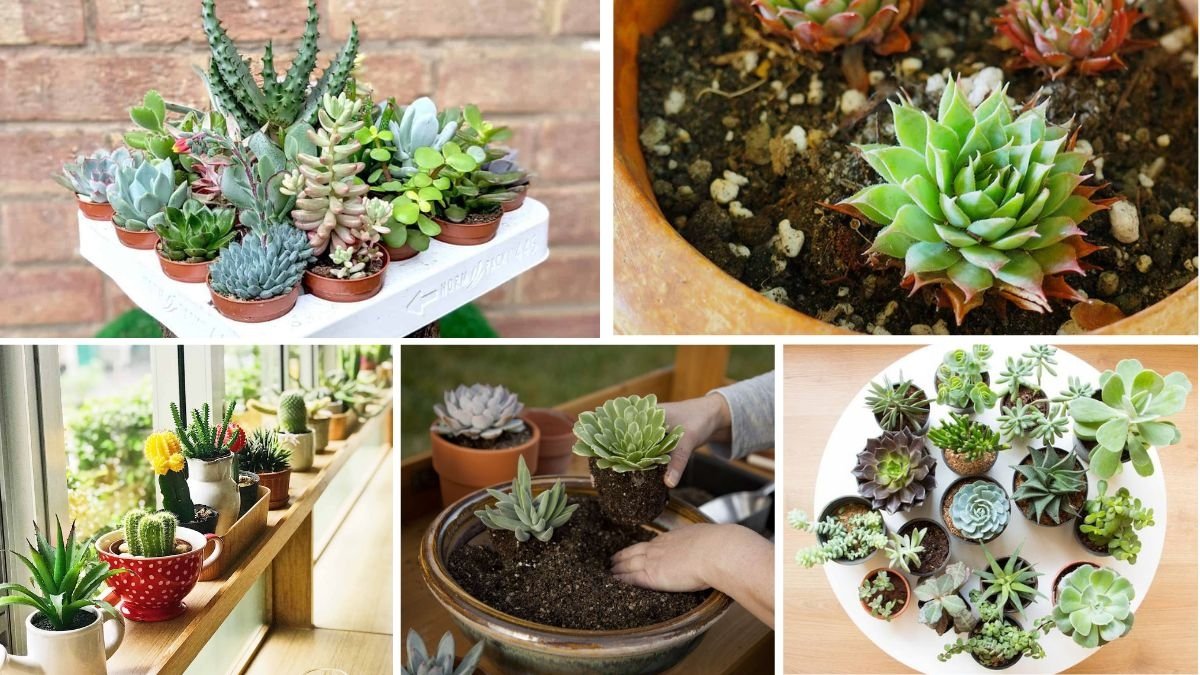
You’ll find that certain succulents are particularly suited for indoor conditions. Aloe Vera is not only easy to care for but also useful for soothing burns. The Jade Plant is another favorite, known for its lush, rounded leaves and ability to live for decades. Consider the Echeveria with its stunning rosette shapes, adding a touch of elegance to any space.Factors To Consider
When selecting succulents, think about your home’s lighting conditions. Do you have a sunny windowsill or is your room dimly lit? Light is crucial for succulents, and some, like the Snake Plant, can tolerate low light better than others. Space is another factor; small succulents fit well on shelves or desks, while larger ones like the Aloe Vera might require more room. What about humidity levels? Succulents prefer dry conditions, so if your home is humid, you might need to consider a dehumidifier or choose varieties that are more tolerant of moisture. Selecting the right succulents for your indoor garden is not just about aesthetics but also about ensuring they thrive in the environment you provide.Preparing Containers And Soil
Creating an indoor succulent garden begins with the right foundation. Preparing containers and soil is crucial for healthy growth. Succulents need specific conditions to thrive indoors. This involves choosing the right containers and soil mix. These choices impact water retention and drainage. Let’s explore how to get started.
Selecting Containers
Choose containers with good drainage. Succulents don’t like sitting in water. Look for pots with drainage holes at the bottom. Terracotta pots are a great choice. They allow air to circulate and help the soil dry out. Consider the size too. Ensure the pot is slightly larger than the plant. This gives roots room to grow. Avoid very deep pots. Succulents have shallow roots.
Optimal Soil Mix
Succulents need well-draining soil. Regular potting soil holds too much moisture. Use a cactus or succulent mix. These mixes are specially formulated for drainage. You can also make your own mix. Combine two parts potting soil, one part sand, and one part perlite or pumice. Sand and perlite improve drainage. This mix helps prevent root rot. It’s important for succulent health.
Proper Watering Techniques
Proper watering is crucial for indoor succulent gardens. Allow soil to dry completely between waterings to prevent root rot. Use a well-draining pot and water sparingly, ensuring the plant doesn’t sit in excess moisture.
Proper watering techniques are crucial for a thriving indoor succulent garden. Succulents store water in their leaves, making them drought-tolerant. Yet, they can suffer if overwatered. Understanding the right balance is key. Below are essential tips on watering your succulents effectively.Frequency Of Watering
Water succulents only when their soil is dry. Check the top inch of soil. If it feels dry, it’s time to water. During warmer months, water every 1-2 weeks. In winter, reduce watering to once a month. Always adjust based on your home’s humidity and temperature.Signs Of Overwatering
Overwatered succulents show clear signs. Leaves may become mushy or translucent. They might also drop off easily. Check for root rot, indicated by a foul smell or soggy soil. Prevent overwatering by ensuring pots have drainage holes. Let excess water escape to keep roots healthy.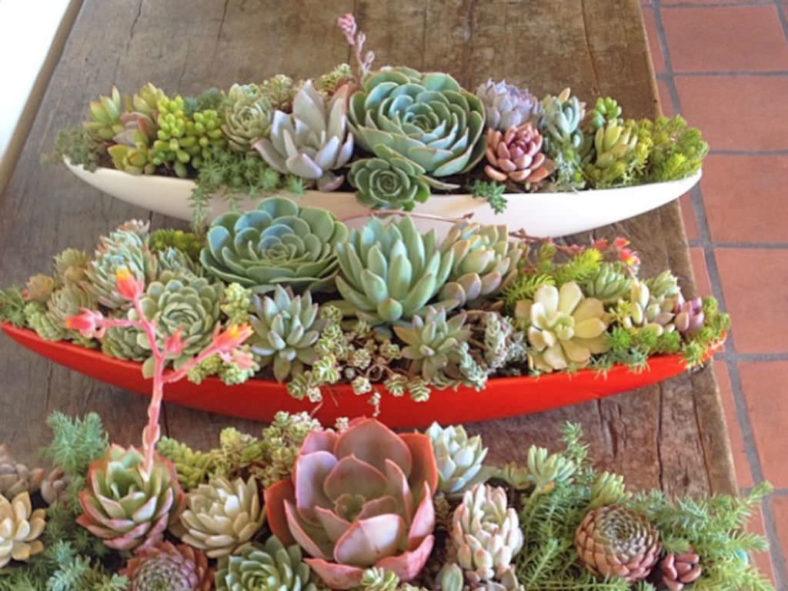
Credit: worldofsucculents.com
Ideal Light Conditions
Bright, indirect sunlight is ideal for indoor succulents. Place them near a window with filtered light. Avoid harsh direct sun to prevent leaf burn.
Indoor succulent gardening requires understanding ideal light conditions. Succulents thrive in bright environments. Knowing how to provide the right amount of light is key. Each succulent has unique light needs. These needs can vary based on the type of succulent and its origin. The following sections explore natural and artificial light options.Natural Light Options
Natural sunlight is perfect for succulents. Place them near windows facing south or east. These directions offer bright light without scorching rays. Avoid direct sunlight during midday. It can damage sensitive leaves. Rotate your plants regularly. This ensures even light exposure. If your home lacks bright spots, consider outdoor spaces. Balconies and patios work well.Artificial Lighting Solutions
Artificial light helps when natural light isn’t enough. LED grow lights are popular for succulents. They mimic the sun’s spectrum. Position lights 6-12 inches above plants. Ensure 12-16 hours of light daily. Choose full-spectrum bulbs. They support healthy growth. Fluorescent lights are another option. They are cost-effective and efficient. Keep them close to your succulents. Adjust brightness and duration based on plant needs. Use timers for convenience.Maintaining Humidity Levels
Proper humidity is vital for indoor succulent gardens. Keep levels low, around 40-50%, to prevent rot. Use a dehumidifier or open windows for airflow.
Maintaining the right humidity levels is crucial for your indoor succulent garden. While succulents are known for thriving in dry conditions, consistent indoor climates can sometimes be a challenge. If your home has central heating or air conditioning, it might be drier than you think. But don’t worry—there are simple tricks to ensure your succulents stay happy and healthy.Simple Humidity Hacks
Adding a pebble tray is a great way to boost humidity around your succulents. Fill a shallow tray with pebbles and add water until it just reaches the top of the stones. Place your succulent pots on the pebbles, and as the water evaporates, it creates a mini humid environment around your plants. Grouping your succulents together can also help. They can benefit from each other’s moisture, creating a small microclimate. Just make sure they aren’t overcrowded, as this can hinder airflow and lead to mold growth. You might be surprised, but a simple spray bottle can be your best friend. Lightly mist your succulents once or twice a week, especially during dry winter months. This method is quick and easy but remember not to overdo it—succulents don’t like being soaked.Monitoring Humidity
Keeping an eye on humidity levels is easier than you might think. Investing in a hygrometer can be a game-changer. This device measures the humidity in your home, allowing you to make informed adjustments. Pay attention to how your succulents look. Are the leaves shriveling or becoming too soft? These could be signs of improper humidity. Make it a habit to inspect your plants regularly. Consider using a dehumidifier if your home is too humid. While succulents can tolerate a range of conditions, excessive humidity can lead to issues like rot. Balancing your indoor climate will keep your succulent garden thriving. Have you tried any of these humidity hacks in your indoor garden? Share your experiences and let us know what worked for you!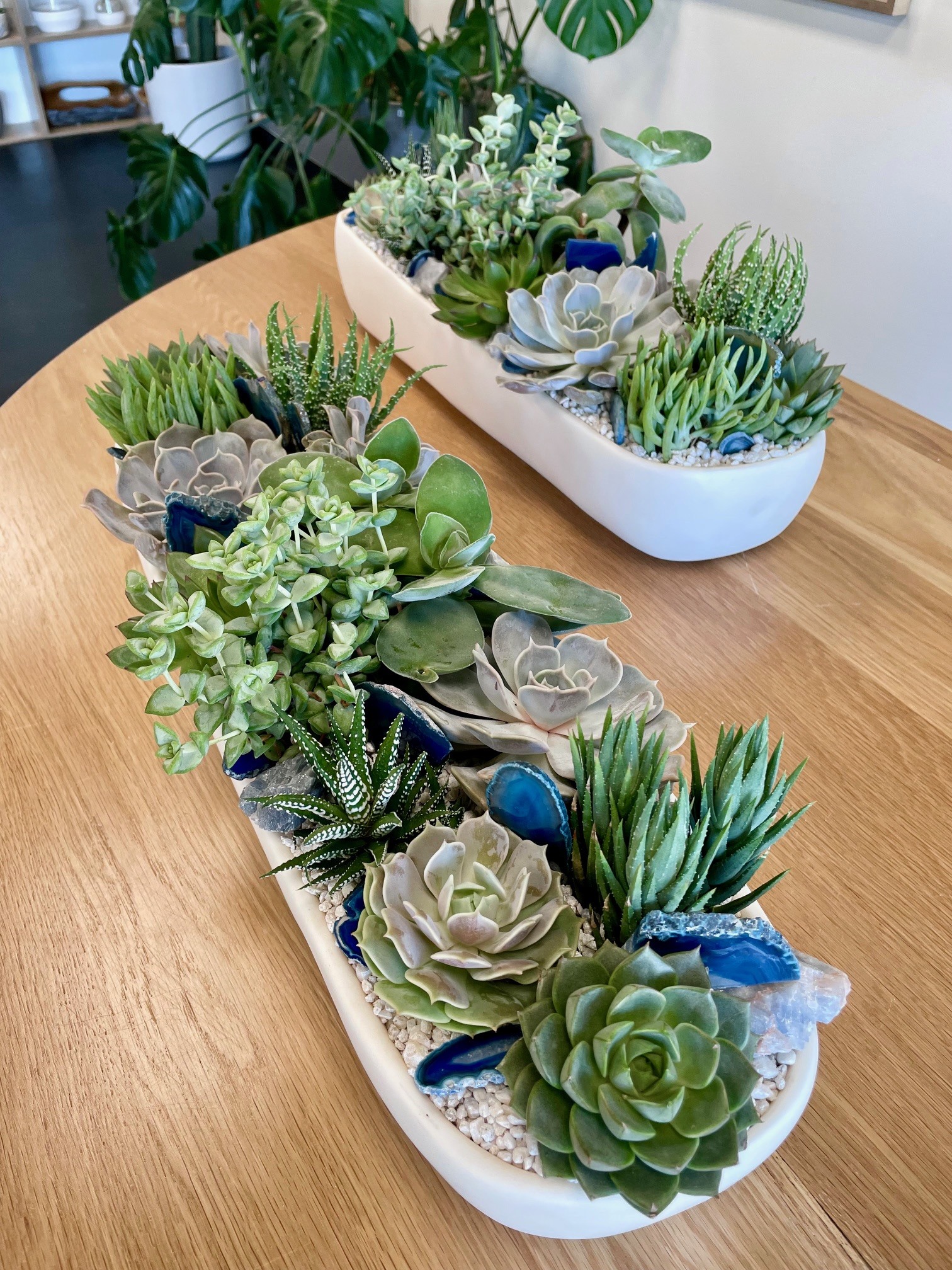
Credit: www.dallasnews.com
Fertilizing Succulents
Fertilizing succulents is key for their healthy growth. These hardy plants don’t need frequent feeding. But the right nutrients boost their vibrant appearance. Understanding how and when to fertilize helps succulents thrive indoors.
Types Of Fertilizers
Succulents require specific types of fertilizers. The most common is a balanced, water-soluble fertilizer. A 10-10-10 or 8-8-8 formula works well. Organic fertilizers, like compost tea, also benefit succulents. Slow-release fertilizers offer another option. They gradually provide nutrients over time. Choose one based on your preferences and plant needs.
Application Tips
Timing is crucial for fertilizing succulents. During their growing season, spring and summer, fertilize once a month. Reduce feeding in fall and winter. Dilute the fertilizer to half-strength. This prevents nutrient burn. Always apply on moist soil to avoid root damage. Use a watering can for even distribution. Ensure excess water drains away. This prevents root rot.
Dealing With Pests And Diseases
Indoor succulent gardens require careful attention to pests and diseases. Regularly inspect plants for signs of trouble. Use natural remedies like neem oil for effective pest control.
Dealing with pests and diseases is crucial for a thriving indoor succulent garden. Succulents are hardy, but they can still fall prey to pests. Disease can also affect their growth. Understanding how to combat these issues ensures your plants stay healthy.Common Issues
Succulents face various pests like aphids, mealybugs, and spider mites. These pests suck sap from the leaves. This leads to wilting and discoloration. Overwatering can cause root rot, a common disease. Yellowing leaves or mushy roots are signs of rot. Fungal infections can also occur, showing as black spots on leaves.Preventive Measures
Preventive care reduces pest and disease risk. Inspect new plants for pests before introducing them. Use well-draining soil to prevent root rot. Ensure pots have drainage holes. Water succulents only when the soil is dry. Keep plants clean by wiping leaves with a damp cloth. This removes dust and potential pests. Ventilation helps prevent fungal growth. Place succulents in areas with good air circulation. Consider using neem oil as a natural pest deterrent.Creative Display Ideas
Transform your indoor space with a creative succulent garden display. Mix different succulent types in stylish pots for visual appeal. Arrange them on shelves or windowsills for a refreshing touch.
Creating an indoor succulent garden offers a wonderful opportunity to express your creativity and enhance your living space. The beauty of succulents lies not just in their diverse shapes and colors but also in how you choose to display them. By arranging them in unique ways and selecting decorative containers, you can transform a simple plant into an artistic home accent. How do you make your succulent display stand out? Let’s dive into some creative display ideas that will inspire you to think outside the box.Arranging Succulents
Arranging succulents is like painting with plants. Consider mixing different shapes and sizes to create visual interest. Place taller varieties like Aloe in the back and shorter ones like Echeveria in the front. This layered approach draws the eye and adds depth to your display. Try grouping succulents by color. A monochromatic arrangement can be striking, while a rainbow of hues adds vibrancy. Remember to leave enough space between plants for airflow, preventing overcrowding and promoting healthy growth.Decorative Containers
The container you choose can elevate your succulent display from ordinary to extraordinary. Think beyond the typical pot. Repurpose items like teacups, old boots, or wooden boxes as planters. This adds a personal touch and a sense of whimsy to your arrangement. Consider using transparent containers. Glass terrariums showcase the intricate details of your succulents and the decorative stones or sand beneath. They also protect your plants while allowing you to admire them from all angles. Why not create a living picture frame? Mount a shallow box on the wall and fill it with succulents for a vertical garden that doubles as art. This not only saves space but also makes a bold statement in any room. By experimenting with different arrangements and containers, you can create a unique indoor succulent garden that reflects your personal style and brings life to your home. What creative ideas will you come up with for your succulent display?Frequently Asked Questions
How Do I Start An Indoor Succulent Garden?
Starting an indoor succulent garden is simple. Choose a sunny spot, select various succulents, and use well-draining soil. Ensure pots have drainage holes. Water sparingly, allowing soil to dry between waterings. Monitor for pests and adjust care as needed. Succulents thrive with minimal care, making them ideal for indoor gardens.
What Are The Best Succulents For Indoors?
The best succulents for indoors include Aloe Vera, Jade Plant, and Echeveria. These varieties thrive in indoor conditions. They require minimal watering and adapt well to various lighting. Ensure proper drainage and sunlight to keep them healthy. Their diverse shapes and colors enhance any indoor space beautifully.
How Often Should I Water Indoor Succulents?
Indoor succulents should be watered every 2-3 weeks. Allow the soil to dry completely between waterings. Overwatering can lead to root rot. Adjust watering frequency based on humidity and season. Less is more when it comes to succulent care. Monitor soil moisture for optimal plant health.
Can Succulents Grow Without Sunlight?
Succulents need some sunlight to thrive. They prefer bright, indirect light for growth. If natural sunlight is limited, consider using grow lights. Ensure at least six hours of light daily. Without sufficient light, succulents may become leggy and weak. Light is crucial for their health and development.
Conclusion
Creating an indoor succulent garden is simple and rewarding. These plants need minimal care and brighten any room. Start by choosing the right pot and soil. Find a sunny spot for them to thrive. Water sparingly to prevent rot. Watch them grow and add beauty to your home.
Share your garden with friends and inspire them too. Enjoy the calming presence of succulents daily. With these tips, anyone can succeed in growing indoor succulents. Happy gardening!