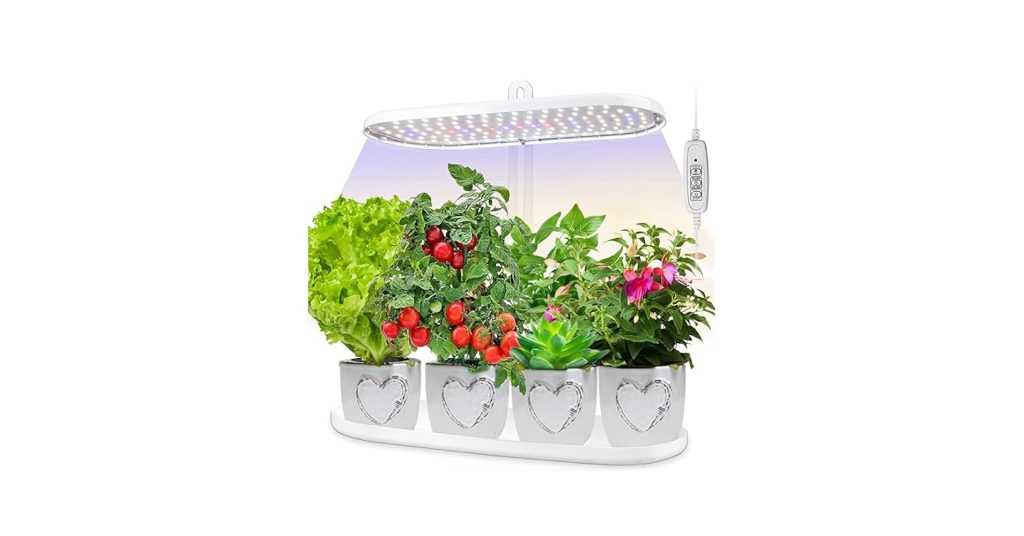
Imagine stepping into your kitchen and effortlessly picking fresh basil, mint, or thyme to elevate your dishes. Sounds delightful, right?
Growing an indoor herb garden could be your next rewarding hobby. But there’s one crucial element that can make or break your herb-growing success: the strength of the light. You might be wondering, “How strong of a light do I need for my indoor herb garden?
” It’s a common question that can lead to a thriving garden or a disappointing one. With the right lighting, your herbs will flourish, offering you vibrant flavors and a sense of accomplishment. Dive into this article to uncover the secrets of choosing the perfect light strength for your indoor herb garden, ensuring your herbs grow lush and flavorful. Let’s illuminate the path to your gardening triumph!

Credit: www.reddit.com
Choosing The Right Light Intensity
Choosing the right light intensity is crucial for an indoor herb garden. Light is the main source of energy for plants. It helps them grow and thrive. Different herbs require different levels of light. Understanding how much light your herbs need will ensure they flourish. Let’s explore the aspects of light levels and their impact on growth.
Understanding Light Levels
Light levels are measured in lumens. Lumens indicate the brightness of a light source. For most herbs, moderate light levels are ideal. This means about 1000 to 2000 lumens per square foot. Some herbs like basil need higher light levels. Others, like mint, can thrive in lower light. Knowing your herbs’ light needs helps in choosing the right light.
Natural sunlight varies during the day. Indoor gardens often use artificial lights to mimic sunlight. LED grow lights are popular. They provide the needed intensity without much heat. Always check the lumen output of lights before purchase.
Impact Of Light On Growth
Light intensity directly affects herb growth. Strong light boosts photosynthesis. This leads to faster growth and healthier plants. Without enough light, herbs may grow weak and leggy. Leaves might turn yellow or drop. This is a sign of insufficient light.
Too much light can be harmful too. It can scorch leaves or dry out the soil. Balance is key. Rotate plants regularly for even light exposure. This prevents one side from getting too much or too little light.
Observe your herbs daily. Look for changes in color or growth. Adjust light intensity accordingly. Your herbs will thank you with lush, green growth.

Credit: www.amazon.com
Types Of Grow Lights
Different types of grow lights cater to indoor herb gardens, including LED, fluorescent, and incandescent options. Selecting the right one depends on light intensity and energy efficiency. LED lights, for instance, offer bright light and use less energy, making them ideal for small spaces.
Growing herbs indoors is a rewarding venture, but choosing the right grow light can be a bit overwhelming. Different types of grow lights offer various benefits, and understanding them can help you make the best choice for your indoor herb garden. Whether you’re a novice or an experienced gardener, getting the right light is crucial for healthy, flavorful herbs.Led Vs. Fluorescent
LED lights are popular for their energy efficiency and long lifespan. They emit less heat, which means you can place them closer to your plants without the risk of burning them. Imagine nurturing a delicate basil plant and watching it flourish under the vibrant glow of LED lights. Fluorescent lights, particularly T5 models, are another great option. They’re cost-effective and provide a full spectrum of light, making them suitable for all growth stages. However, they do emit more heat than LEDs, so you’ll need to monitor the distance carefully to avoid overheating your herbs.Halogen Options
Halogen lights are less common but can still be effective. They provide a broad spectrum of light, similar to natural sunlight, which can be beneficial for certain herbs. On the downside, they consume more energy and generate significant heat, requiring careful placement. When I first experimented with halogen lights, my mint grew vigorously, but I had to constantly check the temperature to prevent wilting. Are you willing to trade energy efficiency for a potentially rapid growth rate with halogens? Choosing the right grow light is like finding the perfect recipe for your favorite dish. Experiment with different options, and soon, your indoor herb garden will be a thriving oasis. Remember, the right light can make all the difference in your gardening success.Placement And Positioning
Finding the right placement and positioning for your indoor herb garden’s light can make all the difference. It ensures herbs grow healthy and strong. Properly placing lights can help them thrive, even indoors. Let’s explore how to place and position lights for optimal growth.
Optimal Distance From Plants
Distance matters for your herb garden. Too close can scorch leaves. Too far can lead to leggy growth. Aim for a distance of 6 to 12 inches above the plants. This allows for even light distribution. Adjust the distance as plants grow taller.
Adjusting Light Angles
Light angles affect plant growth. Horizontal lighting works well for larger gardens. It covers more area evenly. For smaller setups, vertical lighting might be better. It can focus light directly on the herbs. Experiment with angles to find what suits your garden size. Use adjustable fixtures for flexibility.
Duration Of Light Exposure
Understanding the duration of light exposure is crucial for growing healthy herbs indoors. Light plays a vital role in photosynthesis, helping your herbs thrive. Without proper light exposure, herbs struggle to grow strong and flavorful. Correctly managing light exposure ensures your indoor herb garden flourishes.
Recommended Hours For Herbs
Most herbs need 6 to 8 hours of light each day. This duration supports their growth and helps them develop robust flavors. Some herbs, like basil and parsley, may require even more light. Observe your herbs and adjust the light duration accordingly.
Balancing Light And Darkness
While herbs need light, darkness is equally important. Darkness allows herbs to rest and perform essential functions. Aim to give your herbs 8 to 10 hours of darkness. This balance keeps them healthy and promotes optimal growth.
- Ensure your herbs receive consistent light exposure.
- Adjust the light duration based on herb type.
- Maintain a consistent schedule for light and dark cycles.
Balanced light exposure ensures your herbs remain vibrant and flavorful. Proper management of light and darkness is key to a flourishing indoor herb garden.
Signs Of Insufficient Light
Indoor herb gardens need proper light to thrive. Insufficient light can hinder growth and health. Recognizing signs of inadequate light is essential for a flourishing herb garden. Early detection allows timely corrective measures.
Common Symptoms In Herbs
- Leggy Growth:Herbs grow tall and thin, stretching towards light sources.
- Pale Leaves:Leaves lose their vibrant green color, turning yellowish.
- Slow Growth:Herbs show minimal new growth and appear stunted.
- Leaf Drop:Leaves fall off, especially lower ones, indicating stress.
Corrective Measures
- Adjust Light Source:Move plants closer to windows or add artificial lighting.
- Use Grow Lights:Install LED grow lights designed for plant growth.
- Rotate Plants:Ensure even light exposure by rotating plants regularly.
- Monitor Duration:Increase light exposure to 12-16 hours for optimal growth.
Energy Efficiency Considerations
Indoor herb gardens need the right amount of light to thrive. Energy efficiency is crucial for both plant health and your wallet. Choosing the right lighting can save energy and cut costs. It’s vital to consider energy efficiency when setting up your indoor herb garden.
Cost-effective Lighting Solutions
LED grow lights are a cost-effective choice. They use less power than traditional bulbs. This means your energy bills stay lower. LED lights also last longer, reducing the need for replacements. Fluorescent lights are another option. They are cheaper to buy and consume less energy than incandescent bulbs. Choose energy-efficient lighting to keep costs down.
Long-term Savings
Energy-efficient lights offer long-term savings. They may cost more upfront, but they pay off over time. Lower energy consumption means lower monthly bills. Longer lifespan of LED and fluorescent lights reduces replacement costs. Investing in energy-efficient lighting ensures your indoor herb garden is both eco-friendly and budget-friendly.
Expert Tips For Maximizing Growth
Choosing the right light is crucial for indoor herb gardens. Medium light intensity fosters healthy growth and vibrant flavors. LED grow lights are efficient, offering consistent brightness without overheating.
Growing an indoor herb garden can be a fulfilling hobby, but it requires the right conditions to thrive. A critical factor in promoting lush growth is providing the ideal light. But how do you determine the strength and type of light needed? Here are some expert tips to ensure your herbs grow robustly and healthily indoors.Selecting Quality Lights
Choosing the right light for your indoor herb garden can make all the difference. LED grow lights are popular for their efficiency and ability to mimic natural sunlight. They provide the full spectrum of light, essential for various stages of plant growth. Have you ever noticed your basil looking leggy and weak? That might be a signal that the light is not sufficient. Consider the lumens; a range of 2,000 to 3,000 lumens is generally effective for herbs. Experiment with adjustable settings to find what works best for your setup.Monitoring Plant Health
Regularly check on your plants to understand their health in relation to the light they receive. Signs like yellowing leaves or slow growth can indicate lighting issues. Adjust the distance between the light and the plants if you notice any irregularities. I once positioned my grow light too close to my parsley, and the leaves started curling. After adjusting, the plant bounced back beautifully. Keep a consistent schedule, as erratic light exposure can stress your herbs. If you’re unsure, try setting a timer for 12 to 16 hours of light daily. By carefully selecting and monitoring your lighting setup, you can cultivate a thriving indoor herb garden that brings fresh flavors to your kitchen all year round.
Credit: www.amazon.com
Frequently Asked Questions
What Wattage Is Ideal For Herb Garden Lights?
For indoor herb gardens, light wattage between 20 to 40 watts is recommended. This range mimics sunlight effectively for optimal growth. LED lights are efficient, providing the necessary spectrum without excessive heat. Always check the specific light requirements for different herbs, as some may need more intensity.
Can Led Lights Grow Herbs Indoors?
Yes, LED lights are excellent for growing herbs indoors. They offer the full spectrum needed for plant photosynthesis. LEDs are energy-efficient and produce little heat, reducing the risk of damaging plants. Choose LED lights with a balanced spectrum for best results in herb growth.
How Far Should Lights Be From Herbs?
Position lights 12 to 24 inches above your herbs. This distance ensures optimal light coverage without burning the plants. Adjustable lights allow you to change the distance as herbs grow. Regularly check plant growth to determine if adjustments are needed for light intensity.
Do Herbs Need Light 24/7 Indoors?
No, herbs do not need light 24/7. Most herbs thrive with 12-16 hours of light daily. This simulates natural daylight cycles, promoting healthy growth. Use a timer to automate light cycles, ensuring consistency. Over-lighting can stress plants, so it’s crucial to maintain a balanced schedule.
Conclusion
Choosing the right light for your indoor herb garden is crucial. Herbs need balanced light to thrive indoors. LED grow lights are a popular choice. They are energy-efficient and easy to find. Ensure your herbs get 12-16 hours of light daily.
Watch for signs of too much or too little light. Yellow leaves or weak stems could indicate a problem. Adjust the light distance if needed. Your herbs will thank you with lush growth. A well-lit garden can provide fresh flavors year-round.
Enjoy nurturing your plants with the proper lighting. Your indoor garden will flourish.







